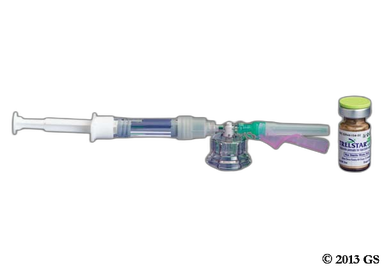
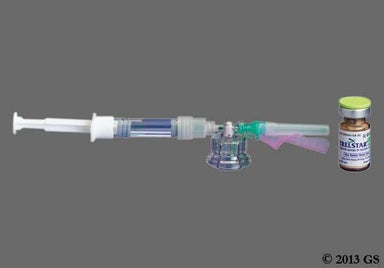
Trelstar (triptorelin) is a prescription injection used to treat advanced prostate cancer. It’s part of a group of medications called gonadotropin-releasing hormone (GnRH) agonists, also known as androgen deprivation therapy (ADT). This injection works by lowering testosterone levels, which helps slow down the growth of prostate cancer. You’ll get the injection in the buttock muscle every once a month, every 3 months, or every 6 months, depending on your dose. Common side effects include hot flashes, bone pain, and headache.
Trelstar (triptorelin) is a gonadotropin-releasing hormone (GnRH) agonist, a lab-made version of the natural hormone GnRH. Normally GnRH tells your body to make testosterone, which can fuel prostate cancer growth.
When you first start Trelstar (triptorelin), it can briefly cause your body to make more testosterone. But after a few weeks, it switches gears and tells your body to stop making testosterone. By lowering testosterone, this medication helps slow down the growth and spread of prostate cancer.
The following side effects may get better over time as your body gets used to the medication. Let your healthcare provider know immediately if you continue to experience these symptoms or if they worsen over time.
Common Side Effects
3.75 mg:
Hot flashes (59%)
Bone pain (12%)
Erectile dysfunction (7%)
11.25 mg:
Hot flashes (73%)
Bone pain (13%)
Headache (7%)
22.5 mg:
Hot flashes (73%)
Flu infection (16%)
High blood pressure (14%)
Urinary tract infection (12%)
Back pain (11%)
Erectile dysfunction (10%)
Less Common Side Effects
3.75 mg:
Headache
Tiredness
Dizziness
Diarrhea
Trouble sleeping
11.25 mg:
Pain at the injection site
Dizziness
Nausea
Swelling in the legs
Erectile dysfunction
Painful urination
22.5 mg:
Swelling in the arms and legs
Bronchitis
Rise in blood sugar
Joint pain
Headache
Trouble sleeping
Trouble urinating
Trelstar (triptorelin) serious side effects
Contact your healthcare provider immediately if you experience any of the following.
Serious allergic reaction: rash, swelling of the face or throat, trouble breathing
The following Trelstar (triptorelin) side effects have also been reported
Along with its needed effects, a medicine may cause some unwanted effects. Although not all of these side effects may occur, if they do occur they may need medical attention.
Check with your doctor or nurse immediately if any of the following side effects occur:
weakness in the arm or leg on one side of the body, sudden and severe
Some side effects may occur that usually do not need medical attention. These side effects may go away during treatment as your body adjusts to the medicine. Also, your health care professional may be able to tell you about ways to prevent or reduce some of these side effects. Check with your health care professional if any of the following side effects continue or are bothersome or if you have any questions about them:
More common
For children
Bleeding, blistering, burning, coldness, discoloration of skin, feeling of pressure, hives, infection, inflammation, itching, lumps, numbness, pain, rash, redness, scarring, soreness, stinging, swelling, tenderness, tingling, ulceration, or warmth at the injection site
Injections must be given by a healthcare professional
Can cause a temporary rise in testosterone at first (flare)
Raises the risk of heart problems and diabetes
Pharmacist tips for Trelstar (triptorelin)
You will get Trelstar (triptorelin) as an injection in the buttock at your clinic. The shots are given on alternating sides each time to help reduce irritation.
In the first few weeks after your Trelstar (triptorelin) injection, you might have a tumor flare, which means your prostate cancer symptoms can temporarily get worse. If symptoms such as bone pain, bladder pain, or trouble urinating continue after the first few weeks, tell your oncologist right away.
You will usually keep taking Trelstar (triptorelin) even if your prostate cancer spreads to other parts of your body. Your oncologist might add other medications to your treatment at that point.
Trelstar (triptorelin) can raise your risk of heart problems such as heart attack or stroke. Call your care team right away if you notice chest pain, shortness of breath, dizziness, weakness on one side, or trouble speaking.
Trelstar (triptorelin) might cause seizures in some people. Contact your care team immediately if you have a seizure.
Trelstar (triptorelin) can cause erectile dysfunction and can also lead to infertility. Talk with your oncologist if you have concerns about fertility.
Risks and warnings for Trelstar (triptorelin)
Trelstar (triptorelin) can cause some serious health issues. This risk may be even higher for certain groups. If this worries you, talk to your doctor or pharmacist about other options.
Allergic reactions
Risk factors: Previous allergic reaction to other GnRH agonists
In rare cases, people had allergic reactions to Trelstar (triptorelin). Tell your oncologist if you’ve had a reaction to similar medications like Lupron (leuprolide) or Zoladex (goserelin). Get medical help right away if you notice itching, swelling, or trouble breathing after getting your injection.
Tumor flare
At the start of treatment, Trelstar (triptorelin) can cause your testosterone levels to rise for a short time, which can make prostate cancer symptoms worse during the first few weeks. After that, your testosterone levels should drop, and your symptoms should improve. Tell your oncologist if you still have bone pain, nerve problems, blood in your urine, or trouble emptying your bladder after about a month of treatment.
Risk of high blood sugar, diabetes, high cholesterol, and liver problems
Taking Trelstar (triptorelin) can cause changes in your metabolism, such as high blood sugar, diabetes, or high cholesterol. Some people have also developed liver problems. If you already have diabetes, your blood sugar might be harder to control. Your care team will check your blood work regularly while you’re taking this medication and treat any changes as needed.
Heart attack and stroke
Taking Trelstar (triptorelin) can raise your risk of heart problems such as heart attack, stroke, or even heart-related death. Your care team will watch for warning signs, but it’s important that you tell them right away if you notice chest pain, shortness of breath, dizziness, weakness on one side, or trouble speaking.
Seizures
Risk factors: Epilepsy | Brain tumors | Taking other medications that raise the risk for seizures
Seizures have happened in some people taking Trelstar (triptorelin). They can if you have risk factors like epilepsy, brain tumors, or if you take medications that raise your risk for seizures. But they also can happen without any known risks. If you have a seizure while taking Trelstar (triptorelin), let your care team know immediately.
Heart rhythm problems
Risk factors: Heart rhythm problems | Heart failure | Electrolyte imbalances | Taking other medications that affect heart rhythm
Taking Trelstar (triptorelin) can affect your heart rhythm. Your risk is higher if you’ve had heart rhythm problems, heart failure, electrolyte imbalances, or if you take medications that also affect heart rhythm. Your care team might check your heart rhythm with an electrocardiogram (EKG or ECG) and monitor your electrolytes to make sure any imbalances are corrected.
Harm to unborn baby
Based on how the medication works, Trelstar (triptorelin) might cause harm to an unborn baby. The medication can also cause infertility. If you plan to father a child during your treatment, talk with your oncologist before starting Trelstar (triptorelin).
Trelstar (triptorelin) dosage
Typical dosage for Trelstar (triptorelin)
Trelstar (triptorelin) is given as an injection into the buttock muscle. It comes in 3 different strengths, each given at different time intervals:
Interactions between Trelstar (triptorelin) and other drugs
Trelstar (triptorelin) may interact with certain medications or supplements. Always let your doctor and pharmacist know about any other medications or supplements (including prescribed and over-the-counter medications, vitamins, and dietary or herbal supplements) that you are currently taking. The list below does not include all possible drug interactions with Trelstar (triptorelin). Please note that only the generic name of each medication is listed below.
Although certain medicines should not be used together at all, in other cases two different medicines may be used together even if an interaction might occur. In these cases, your doctor may want to change the dose, or other precautions may be necessary. When you are receiving this medicine, it is especially important that your healthcare professional know if you are taking any of the medicines listed below. The following interactions have been selected on the basis of their potential significance and are not necessarily all-inclusive.
Using this medicine with any of the following medicines is not recommended. Your doctor may decide not to treat you with this medication or change some of the other medicines you take.
Using this medicine with any of the following medicines is usually not recommended, but may be required in some cases. If both medicines are prescribed together, your doctor may change the dose or how often you use one or both of the medicines.
GoodRx Health has strict sourcing policies and relies on primary sources such as medical organizations, governmental agencies, academic institutions, and peer-reviewed scientific journals. Learn more about how we ensure our content is accurate, thorough, and unbiased by reading our editorial guidelines.
Prescription savings
Stop paying too much for your prescriptions. Compare prices, get pharmacy coupons, and save up to 80%.
No, Trelstar isn’t chemotherapy. Chemotherapy works by directly killing fast-growing cells, including cancer cells. Trelstar is a type of hormone therapy that lowers testosterone, the hormone that helps prostate cancer grow. By reducing testosterone, Trelstar helps slow down the cancer’s growth and spread.
Yes, Trelstar can affect your heart. It can raise your risk of heart problems like heart attack, stroke, or irregular heartbeat. Your oncologist will check your heart health, especially if you already have heart problems. Tell your care team right away if you notice chest pain, shortness of breath, dizziness, or a fast or uneven heartbeat while taking this medication.
It could be quite some time. Testosterone is an important hormone that prostate cancers use to grow and spread. Even if your prostate cancer spreads to other parts of your body while you are taking Trelstar, it’s likely that your oncologist will have you continue the medication to keep testosterone levels low.
When you first start Trelstar, your testosterone levels can rise for a short time. This is often called a testosterone flare, and it usually lasts for the first few weeks of treatment. After that, your testosterone levels will drop significantly, which helps slow the growth of prostate cancer.