Key takeaways:
Yes, Ozempic can lower cholesterol, especially LDL or “bad” cholesterol and triglycerides.
Ozempic’s cholesterol benefits likely come from weight loss, better insulin use, and lower inflammation.
You can take Ozempic along with statins or other cholesterol medications. But keep in mind, Ozempic shouldn’t replace your other medications.
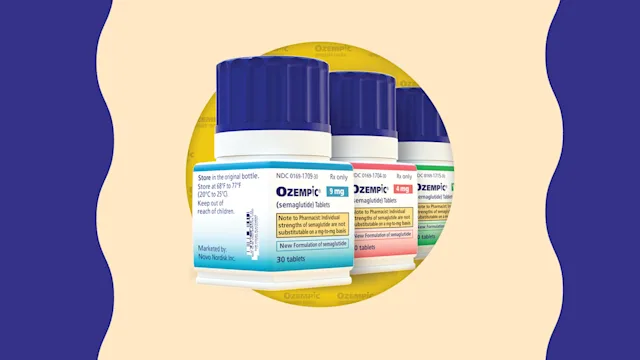
Ozempic (semaglutide) is a GLP-1 receptor agonist that’s approved by the FDA for adults with Type 2 diabetes to treat the condition, and reduce the risk of worsening kidney disease and cardiovascular death. But research shows it can also improve other areas of heart health, including your cholesterol levels. For this reason, Ozempic often comes up in conversations about cholesterol and heart health, especially for people with diabetes.
Here’s what the evidence shows about whether Ozempic helps with cholesterol, how it affects your heart health, and when it makes sense to use it along with other cholesterol treatments.
Does Ozempic lower cholesterol?
Yes, Ozempic can lower your cholesterol, especially low-density lipoprotein (LDL) or “bad” cholesterol and triglycerides.
Search and compare options
Studies show that people who take semaglutide often see small improvements in their cholesterol over time. Blood sugar management and other heart health factors can improve, too.
Still, it’s important to have realistic expectations. Ozempic isn’t a cholesterol medicine. It lowers cholesterol much less than common cholesterol medications like statins. For people with high cholesterol, Ozempic should be seen as support for heart health. But it’s not a replacement for typical cholesterol treatments.
How does Ozempic affect cholesterol?
Ozempic doesn’t lower cholesterol directly. Instead, it can help improve cholesterol in a few different ways:
Weight loss: Ozempic helps people lose weight, which can improve cholesterol levels. Losing weight can lower “bad” cholesterol and triglycerides. It can also help raise “good” cholesterol or high-density lipoprotein (HDL).
Better insulin response: Ozempic helps the body use insulin better. This tells the liver to make less LDL cholesterol and triglycerides. This in turn lowers their levels.
Less inflammation: Ozempic helps reduce long-term inflammation in the body. Inflammation makes cholesterol stick to and damage blood vessels. So, lowering it helps protect heart health.
These effects explain how Ozempic can help improve cholesterol. This is why some people see better cholesterol levels even though it’s not a cholesterol medicine.
Can you be prescribed Ozempic for cholesterol?
The short answer is usually no. Ozempic isn’t FDA approved to treat high cholesterol. Ozempic’s “bonus” effects on your lipids are nice to have. But it isn’t as powerful at lowering LDL or “bad” cholesterol like common cholesterol medications.
Ozempic is often used as a tool for managing Type 2 diabetes and its complications. If you’re taking it for these reasons, your cholesterol levels will likely improve a bit as well. But if you’ve been told that you need to lower your cholesterol, Ozempic likely won’t do it alone. You’ll need specific cholesterol medications for that.
Can you take Ozempic with cholesterol medicine?
Yes. You can safely take Ozempic with cholesterol medications, including statins like atorvastatin (Lipitor) and rosuvastatin (Crestor).
Ozempic doesn’t cause any problems when taken with most common cholesterol medications. These medications protect your heart in different ways. So, they’re often prescribed together to manage blood sugar and cholesterol at the same time.
How long does it take for Ozempic to lower cholesterol?
Ozempic doesn’t lower your cholesterol right away. While blood sugar can change quickly, cholesterol levels typically improve slowly over several months. This is because your body needs time to adjust how it processes cholesterol. And weight loss also takes time to improve your cholesterol levels.
Data shows that small improvements in LDL or “bad” cholesterol may start to show in the first 12 weeks. But keep in mind, these changes happen slowly over time. Your healthcare team will wait at least 3 to 6 months before checking your blood tests again. Then they will be able to see how much your cholesterol levels have changed.
Can Ozempic cause high cholesterol?
No, Ozempic doesn’t cause high cholesterol. Evidence from many clinical trials show that semaglutide either improved cholesterol levels or had no effect at all. But it didn’t appear to worsen cholesterol levels. If your cholesterol levels rise while taking Ozempic, it’s more likely due to other factors. These could include your diet, genetics, or another underlying condition.
Frequently asked questions
Semaglutide improves many different factors that affect your heart. This includes your blood sugar, weight, blood pressure, and cholesterol. It’s also been shown to reduce major heart health events like heart attacks and strokes. Because of all these positive effects, it’s safe to say that Ozempic is good for your heart.
It appears these medications may have various effects on different types of cholesterol. Recent studies show that semaglutide may work best at lowering LDL or “bad” cholesterol. Tirzepatide may work best at lowering triglycerides. But it’s important to remember that these medications aren’t designed to lower cholesterol. They work best when used with cholesterol medications, not instead of them.
Ozempic usually lowers cholesterol by a small to moderate amount, not dramatically. Your levels of LDL or “bad” cholesterol and triglycerides may drop by a few percentage points over time, especially as weight loss adds up. The exact amount varies from person to person. This will depend on your starting cholesterol levels and how much weight you lose.
Semaglutide improves many different factors that affect your heart. This includes your blood sugar, weight, blood pressure, and cholesterol. It’s also been shown to reduce major heart health events like heart attacks and strokes. Because of all these positive effects, it’s safe to say that Ozempic is good for your heart.
It appears these medications may have various effects on different types of cholesterol. Recent studies show that semaglutide may work best at lowering LDL or “bad” cholesterol. Tirzepatide may work best at lowering triglycerides. But it’s important to remember that these medications aren’t designed to lower cholesterol. They work best when used with cholesterol medications, not instead of them.
Ozempic usually lowers cholesterol by a small to moderate amount, not dramatically. Your levels of LDL or “bad” cholesterol and triglycerides may drop by a few percentage points over time, especially as weight loss adds up. The exact amount varies from person to person. This will depend on your starting cholesterol levels and how much weight you lose.
The bottom line
Ozempic can help lower cholesterol, especially low-density lipoprotein (LDL) or “bad” cholesterol and triglycerides. But it doesn’t replace regular cholesterol medicines. Its benefits come from helping with weight loss, better insulin use, and less inflammation, which all help support heart health.
For people with diabetes, Ozempic may give extra heart protection. But to treat high cholesterol, statins and other cholesterol medications are still the best option.

Why trust our experts?



References
Berro Rivera, F., et al. (2025). Glucagon-like peptide 1 receptor agonists modestly reduced low-density lipoprotein cholesterol and total cholesterol levels independent of weight reduction: a meta-analysis and meta-regression of placebo controlled randomized controlled trials. Journal of Current Medical Research and Opinion.
Di Folco, U., et al. (2022). Effects of semaglutide on cardiovascular risk factors and eating behaviors in type 2 diabetes. Acta Diabetologica.
Hasan, B., et al. (2020). Weight loss and serum lipids in overweight and obese Adults: A systematic review and meta-analysis. The Journal of Clinical Endocrinology & Metabolism.
Marso, S. P., et al. (2016). Semaglutide and cardiovascular outcomes in patients with Type 2 diabetes. The New England Journal of Medicine.
Ren, Y., et al. (2025). The effect of GLP-1 receptor agonists on circulating inflammatory markers in type 2 diabetes patients: A systematic review and meta-analysis. Diabetes, Obesity & Metabolism.
Yao, H., et al (2024). Comparative effectiveness of GLP-1 receptor agonists on glycaemic control, body weight, and lipid profile for type 2 diabetes: systematic review and network meta-analysis. BMJ.
Yen, F. S., et al. (2025). Impact of adding GLP-1 receptor agonists to insulin therapy on cardiovascular and microvascular outcomes in Type 2 diabetes: A nationwide cohort study from Taiwan. Pharmaceuticals.