Key takeaways:
Some people have developed diverticulitis while taking Ozempic. But there’s no clear evidence that Ozempic causes it.
You can take Ozempic if you have a history of diverticulitis. But seek medical care right away if you develop symptoms of diverticulitis while taking Ozempic.
You may be able to restart Ozempic after recovering from diverticulitis. Your healthcare team can help you decide if it’s a safe option for you.
Save on related medications
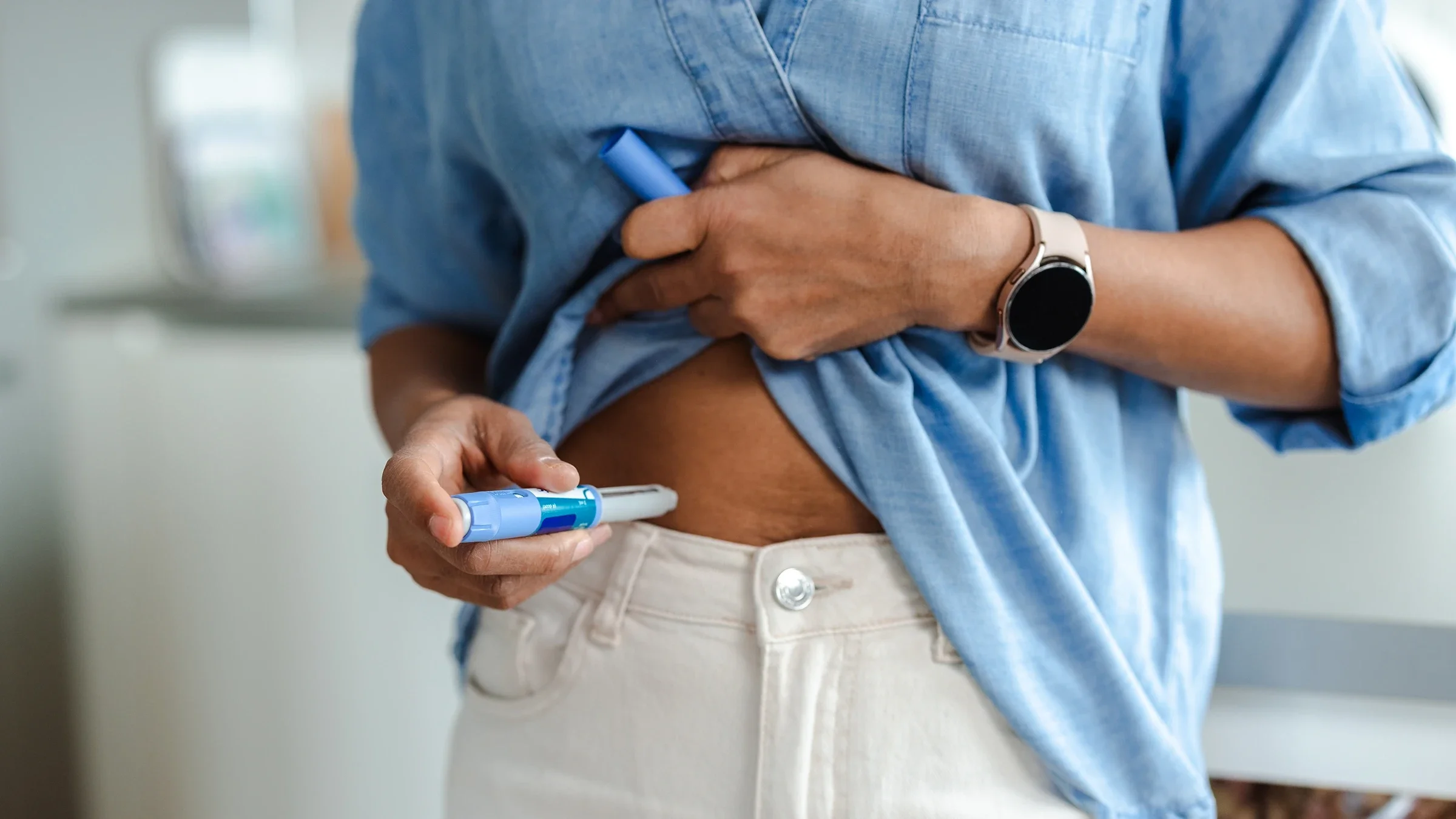
Ozempic (semaglutide) is an injectable medication that’s FDA-approved to treat Type 2 diabetes and lower the risk of related conditions, like heart attack, stroke, and kidney disease. Ozempic is a powerful tool for many. But like all medications, it can cause side effects.
Ozempic is best known for causing gut-related side effects. Many people with diverticular disease may worry about flare-ups or complications while taking it.
Let’s take a look at what the research shows about Ozempic and diverticular disease.
Does Ozempic cause diverticulitis?
Some people have developed diverticulitis while taking Ozempic. But there’s no clear evidence that Ozempic causes it. In clinical trials, people taking Ozempic weren’t more likely to develop diverticulitis than those who didn’t take Ozempic. Diverticulitis also isn’t listed as a known side effect by Ozempic’s manufacturer.
Researchers continue to monitor Ozempic’s safety as more people use it in real-world settings. So far, ongoing safety data hasn’t shown a link between Ozempic and diverticulitis. That said, real-world safety monitoring mainly tracks how often side effects occur. It doesn’t prove whether a medication directly causes a condition. Because only a small number of people taking Ozempic have developed diverticulitis, it seems unlikely that Ozempic increases the risk.
There’s very little research on Ozempic and diverticular disease. But one study offers reassuring information. A large study of about 160,000 adults with Type 2 diabetes compared people taking Ozempic with those taking other diabetes medications. It was found that:
Among people who already had diverticulosis, Ozempic users were just as likely to develop diverticulitis as those taking other medications.
Among people who didn’t have diverticular disease, Ozempic users were less likely to develop diverticulosis compared to those taking other medications.
These findings suggest that Ozempic doesn’t directly cause diverticulitis and may even lower the risk of developing diverticular disease in the first place. But it also doesn’t appear to lower the risk of developing diverticulitis if you already have diverticular disease. More research is needed to confirm these effects.
Can Ozempic make diverticular disease worse?
There’s no clear evidence that Ozempic worsens diverticular disease. But Ozempic does slow the movement of the gastrointestinal tract, which can lead to stomach-related side effects, like:
In rare cases, Ozempic has also been linked to gastroparesis (stomach paralysis). This is a serious condition that can cause pain, bloating, nausea, and vomiting.
For people with diverticulosis or diverticular disease, these gut symptoms can be concerning because they may overlap with — or resemble — early signs of diverticulitis. This overlap can make it difficult to tell whether symptoms are caused by common Ozempic side effects or by diverticulitis.
Constipation is a particular concern. People with diverticular disease are often encouraged to eat more fiber and drink plenty of fluids to promote regular bowel movements. This is because constipation is thought to create conditions that may increase your risk of diverticulitis. While Ozempic can cause constipation, this side effect is usually temporary. And importantly, it hasn’t been linked to a higher risk of diverticulitis flares in research so far.
So, while Ozempic may cause gastrointestinal changes, currently there’s no clear evidence that it triggers diverticulitis or worsens diverticular disease.
What are the symptoms of diverticulitis?
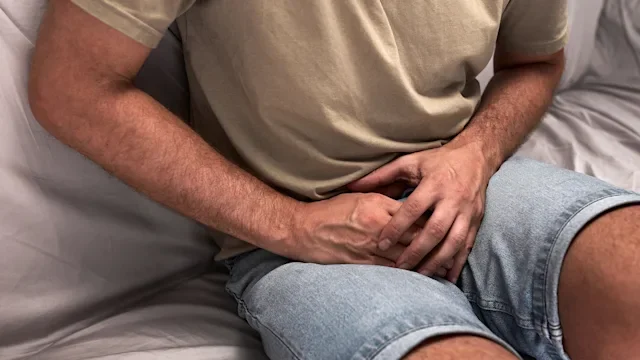
Diverticulitis is a painful medical condition that needs immediate medical attention.
Diverticulitis symptoms include:
Severe abdominal pain
Nausea and vomiting
Fever
Bowel habit changes (constipation or diarrhea)
Black or bloody stools
Some people aren’t able to eat or drink during a diverticulitis flare because of pain.
What should you do if you’re experiencing diverticulitis symptoms?
Seek urgent medical care if you think you have diverticulitis. Your healthcare team can start the right treatment for your flare. Some people need to be treated in a hospital until the inflammation goes away.
Is it safe to take Ozempic if you have diverticulitis?
You can take Ozempic if you have diverticular disease or a history of diverticulitis. This may change if new research shows a stronger connection between Ozempic and these conditions.
You may need to stop taking Ozempic if you develop a diverticulitis flare. Your healthcare team may want you to stop taking the medication until your inflammation resolves. After you recover, you may be able to restart Ozempic.
How can you lower your risk of diverticulitis when taking Ozempic?
If you have diverticular disease, there are several steps that you can take to lower your risk of diverticulitis:
Quit smoking (if you smoke)
Consider weight loss if you have a body mass index (BMI) of 30 or greater
Increase physical activity
Increase fiber in your diet
Stay well hydrated
Avoid nonsteroidal anti-inflammatory drugs (NSAIDs)
The bottom line
There’s no clear evidence that Ozempic causes diverticulitis or worsens diverticular disease. You can take Ozempic if you have a history of diverticular disease. But Ozempic causes gastrointestinal side effects that can resemble early symptoms of diverticulitis. If you have diverticular disease and take Ozempic, seek medical care right away if you develop severe abdominal pain, fever, or other symptoms of diverticulitis.

Why trust our experts?



References
Abdel-Razeq, R., et al. (2024). Risk of diverticular diseases in diabetic patients on semaglutide, a GLP-1 agonist. A retrospective cohort study utilizing big data and propensity score matching. The American Journal of Gastroenterology.
Kruse, E., et al. (2015). Prevention and conservative therapy of diverticular disease. Viszeralmedizin.
MedlinePlus. (2024). Diverticulosis and diverticulitis.
Novo Norodisk. (2025). Ozempic - semaglutide injection, solution [package insert]. DailyMed.
Rivera, F. B., et al. (2024). Evaluating the safety profile of semaglutide: an updated meta-analysis. Current Medical Research.
Tiwari, K., et al. (2024). 8088 connecting the dots: Semaglutide, constipation, and diverticulitis - a case report. Journal of the Endocrine Society.
Zhang, J., et al. (2024). Comparative analysis of semaglutide induced adverse reactions: Insights from FAERS database and social media reviews with a focus on oral vs subcutaneous administration. Frontiers in Pharmacology.