Key takeaways:
Food can’t treat or cure gastritis, but it can affect how well treatment works. Some foods support stomach healing, while others can worsen irritation and inflammation.
Foods rich in flavonoids, antioxidants, and probiotics may help protect your stomach lining. Fruits, vegetables, whole grains, and fermented foods are good sources of these stomach-friendly nutrients.
Gastritis triggers vary from person to person. It’s important to avoid foods that worsen your symptoms. One exception is alcohol. Alcohol can irritate your stomach lining and should be avoided by everyone with gastritis.
Gastritis is a common medical condition in which the lining of the stomach becomes inflamed after it has been damaged or irritated. When your stomach’s protective lining is injured, stomach acid and digestive enzymes can injure the tissue underneath. This can cause pain and discomfort.
Many different things can cause gastritis like medications and infections. It can also be caused by alcohol use and medical conditions. Because gastritis can develop for so many reasons, treatment isn’t one-size-fits-all. What helps one person feel better may not work for someone else.
However, one factor matters for nearly everyone with gastritis: diet. The foods you eat can either help your stomach heal or worsen inflammation and irritation. The “right” diet can look different for each person. But choosing stomach-friendly foods can help ease symptoms and promote healing, no matter what’s causing your gastritis.
Search and compare options
Below, we’ll walk through the best foods to eat if you have gastritis, along with foods that may make symptoms worse.
What are the best foods to eat if you have gastritis?
Food can’t treat or cure gastritis. The most effective treatment depends on what’s causing the inflammation and usually includes medications and other treatments.
That said, what you eat still matters. Some foods are less likely to irritate your stomach or trigger symptoms. This can make a gastritis flare easier to manage. Choosing gentler foods may also help reduce stomach pain or nausea while your stomach lining heals.
Certain foods are less likely to promote inflammation in your stomach. By avoiding foods that worsen irritation, you can help create the right conditions for your treatment to work better and support recovery.
Let’s take a closer look at which specific foods are gentle on your stomach and may help ease inflammation.
1. Flavonoid-rich foods
Flavonoids are a compound found in many plant products that can help protect your stomach. Flavonoids may help strengthen the defenses of your stomach lining and lower inflammation-related symptoms. Foods that are rich in flavonoids include:
Oats
Barley
Berries
Apples
Leafy greens
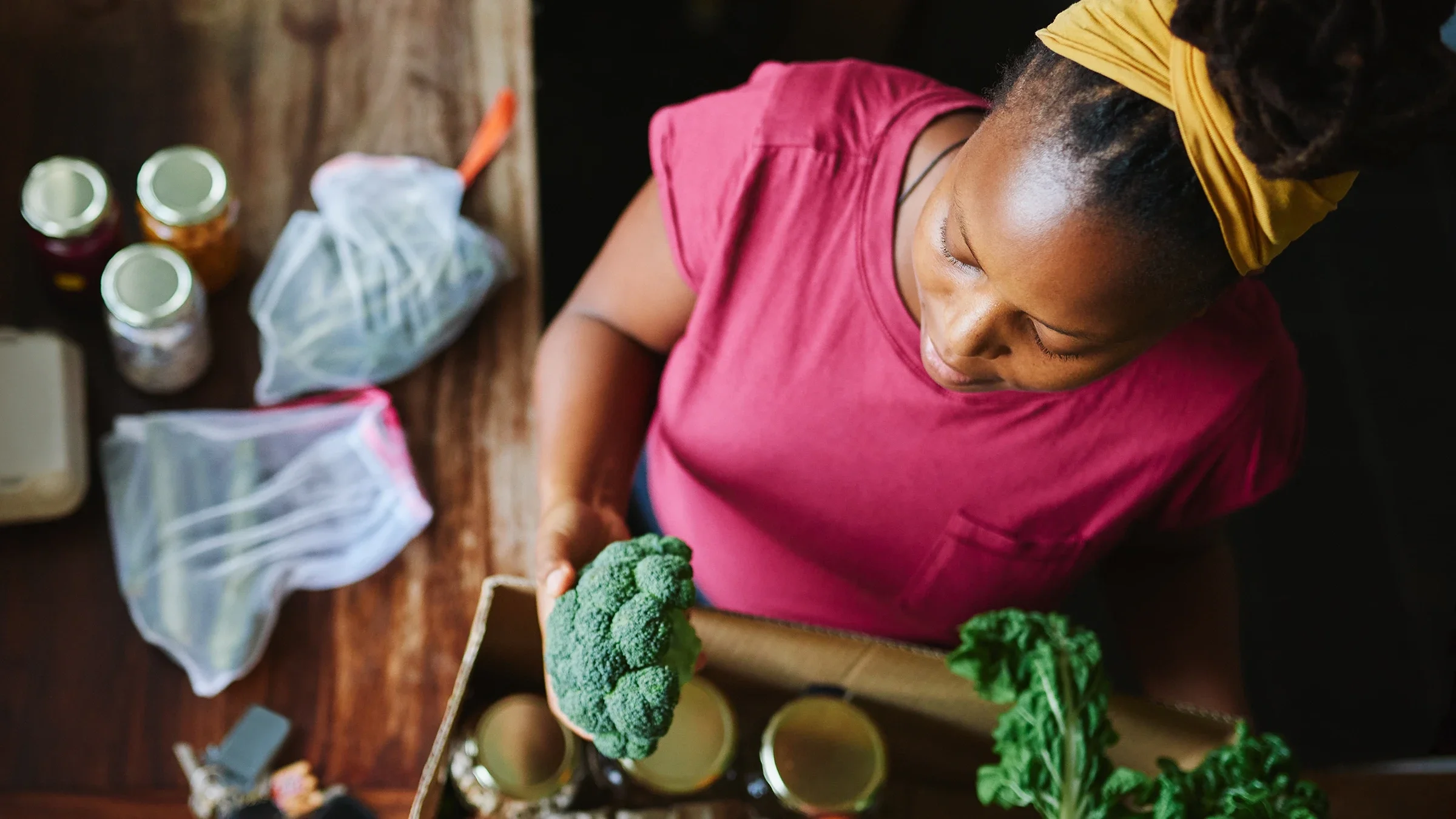
Broccoli
Beans
Lentils
Peas
Soybeans
Eating flavonoid-rich foods may help your stomach heal and ease your gastritis symptoms during treatment.
2. Antioxidant-rich foods
Antioxidants are compounds that help protect cells from inflammation and injury caused by free radicals.
Vitamin C is one of the best-known antioxidants. It has been shown to play a role in keeping the stomach lining healthy. Other antioxidants can also help support your stomach health.
Foods that are high vitamin C include:
Tomato juice
Bell peppers
Guava
Papaya
Strawberries
Broccoli
Cantelope
3. Honey
Honey contains both flavonoids and antioxidants. But that’s not the only reason it may help if you have gastritis. Honey stops the activity of certain compounds that specifically target the stomach lining and cause inflammation. There’s also evidence that honey can stop the growth of Helicobacter pylori (H. pylori), a type of bacteria that causes gastritis.
Many of honey’s stomach-protective effects have only been shown in lab or animal studies. So it’s not clear how well honey works for people or how much honey is needed to get these benefits. But you can consider using honey instead of other sweeteners to give your stomach a little extra support.
4. Probiotic-rich foods
Probiotics are live microorganisms, like bacteria and yeast, that support your gut health.
Some probiotics, like Lactobacillus casei, can stop H. pylori from attaching to the stomach lining. This may help lower inflammation and boost the effectiveness of gastritis treatment.
Foods that are naturally high in probiotics include:
Yogurt
Kefir
Sauerkraut
Kimichi
Cultured buttermilk
Tempeh
Miso
Natto
Kombucha
Cottage cheese
What foods should you avoid if you have gastritis?
There isn’t one list of foods that everyone with gastritis needs to avoid. While certain foods have long been considered “triggers,” newer research suggests that food triggers can vary widely from person to person.
In the past, people with gastritis were often advised to avoid acidic foods, like citrus fruits and fruit juices, spicy foods, and caffeine. These foods can worsen symptoms for some people, but not for everyone.
Gastritis symptoms can be triggered by a wide range of foods. For some people, salty, sugary, or heavily processed foods cause problems. Others may find that certain meats make their symptoms worse.
The most helpful approach is to identify and avoid the foods that aggravate your symptoms.
Tracking what you eat and how you feel afterward can make this easier. Keeping a food and symptom diary may help you spot patterns and avoid foods that trigger flares.
One important exception is alcohol. Alcohol directly irritates the stomach lining and can worsen inflammation, no matter what’s causing your gastritis. For this reason, it’s best to limit alcohol or avoid it completely if you have gastritis.
What vitamins and minerals can help if you have gastritis?
Right now, there are no vitamins or supplements that can help fight gastritis. Researchers are looking at supplements that might help, like oat beta-glucan. Until more research is available, it’s best to talk with your healthcare team before trying any new vitamins or supplements.
Some types of gastritis can lead to certain vitamin deficiencies, including:
Vitamin B12
Iron
Vitamin C
Vitamin D
Folic Acid
Calcium
Your healthcare team can help you decide whether you need to take additional vitamins if you have gastritis.
What other changes can help with gastritis?
Changes in your daily routine can sometimes help ease gastritis symptoms. Some things to try include:
Eating smaller meals throughout your day
Avoiding laying down soon after meals
Exercising regularly
Getting plenty of sleep and rest
Finding ways to reduce chronic stress
Smoking cessation can also help if you have gastritis. Smoking weakens your stomach lining and triggers inflammation. Both of these effects make it harder for your stomach to heal. Your healthcare team can offer clinically proven methods to help you stop smoking, like nicotine replacement therapy or prescription medications.
The bottom line
Gastritis is a common condition that causes stomach inflammation. Food can’t treat gastritis, but what you eat can affect how you feel during treatment. Foods rich in antioxidants, flavonoids, and probiotics can help protect your stomach. Limiting alcohol and avoiding foods that worsen your symptoms can also make flares easier to manage. With the right combination of medical care, diet changes, and lifestyle adjustments, most people can find relief and protect their stomach health.

Why trust our experts?



References
Abdel-Latif, M. M., et al. (2016). Molecular mechanisms of natural honey against H. pylori infection via suppression of NF-κB and AP-1 activation in gastric epithelial cells. Archives of Medical Research.
Advancing Health. (2022). You asked, we answered: How can I stop stomach aches from alcohol gastritis? Nebraska Medicine.
Aditi, A., et al. (2012). Vitamin C, gastritis, and gastric disease: A historical review and update. Digestive Diseases and Sciences.
Duque-Buitrago, L. F., et al. (2023). Use of food and food-derived products in the treatment of gastritis: A systematic review. Critical Reviews In Food Science and Nutrition.
Gudej, S., et al. (2021). Clinical outcomes after oat beta-glucans dietary treatment in gastritis patients. Nutrients.
Ivyna de Araújo Rêgo, R., et al. (2022). Flavonoids-rich plant extracts against helicobacter pylori infection as prevention to gastric cancer. Frontiers In Pharmacology.
Kim, H. J., et al. (2024). Anti-inflammatory effect of chestnut honey and cabbage mixtures alleviates gastric mucosal damage. Nutrients.
Koivisto, T. T., et al. (2008). Effect of smoking on gastric histology in Helicobacter pylori-positive gastritis. Scandinavian Journal of Gastroenterology.
Li, Y., et al. (2020). Association of symptoms with eating habits and food preferences in chronic gastritis patients: A cross-sectional study. Evidence-Based Complementary and Alternative Medicine.
Mestre, A., et al. (2022). Role of probiotics in the management of Helicobacter pylori. Cureus.
National Center for Complementary and Integrative Medicine. (2019). Probiotics: Usefulness and safety. U.S. Department of Health and Human Service.
Rugge, M., et al. (2021). Gastritis: The clinico-pathological spectrum. Digestive and Liver Disease: Official Journal of the Italian Society of Gastroenterology and the Italian Association for the Study of the Liver.
Silva, B., et al. (2021). In vitro anti-inflammatory properties of honey flavonoids: A review. Food Research International.
Tursi, A., et al. (2004). Effect of Lactobacillus casei supplementation on the effectiveness and tolerability of a new second-line 10-day quadruple therapy after failure of a first attempt to cure Helicobacter pylori infection. Medical Science Monitor: International Medical Journal of Experimental and Clinical Research.
Yamaguchi, N., et al. (2001). Synergistic interaction between Helicobacter pylori gastritis and diet in gastric cancer. The Lancet Oncology.
Zhang, W., et al. (2020). Preventative and therapeutic potential of flavonoids in peptic ulcers. Molecules.