Key takeaways:
The goal of Crohn’s disease treatment is to improve symptoms, move into remission, and prevent serious complications and treatment side effects.
There are many different Crohn’s treatments, including medications, surgery, non-medication options, and lifestyle changes that help to manage symptoms.
You and your healthcare team should work together to develop a treatment plan that works for you to maintain remission and decrease flare-ups.
Crohn’s disease is an autoimmune condition where the body’s own immune system causes inflammation in the gastrointestinal (GI) tract. Crohn’s disease can affect any part of the GI tract, from mouth to anus. The exact cause isn’t known, but Crohn’s disease runs in families and genetics play a role.
To treat Crohn’s, you often need to take medication. There are lots of Crohn’s medication options, depending on how severe your condition is and which part of the GI tract is involved.
What are symptoms of Crohn’s disease?
Depending on what part of the body is involved, Crohn’s disease can have various symptoms, such as:
Abdominal pain
Weight loss
Diarrhea
Pain after eating
Nausea
Vomiting
Bloating
Skin rashes
Joint pain
Eye pain

Goals of Crohn’s disease treatment
Crohn’s disease is a chronic condition. This means Crohn’s disease treatment is usually lifelong, because it’s never fully cured. It's quite normal for people with Crohn's to have periods of active disease (called flare-ups) and periods of remission, when symptoms and inflammation are improved.
The goals of treatment for people living with Crohn's disease include:
Treating flare-ups to improve symptoms, lower inflammation, and get into remission
Staying in remission once achieved
Improving quality of life, so symptoms don’t interfere with daily activities
Preventing serious complications or significant treatment side effects
Medication for treating Crohn’s disease
There are many medications used to treat Crohn’s disease. Which medications are right for you will depend on which part of the GI tract is affected and how serious your symptoms are at any given time. What has — or hasn’t — worked for you in the past will also factor into the decision.
Aminosalicylates
Corticosteroids
Immunomodulators
Antibiotics
Anti-diarrheals
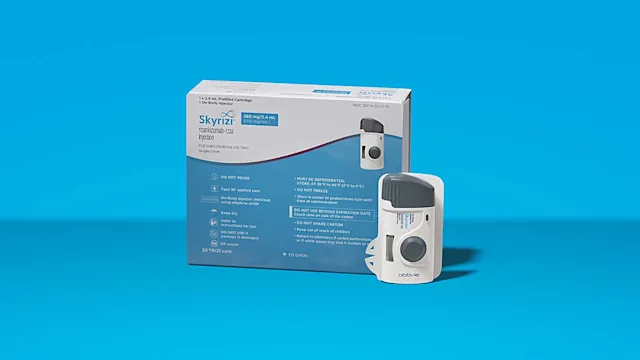
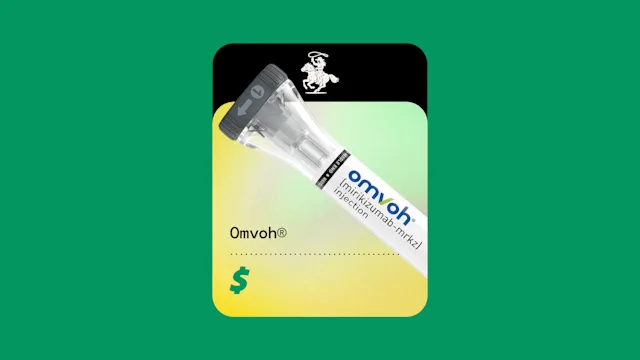
Biologics
JAK inhibitors
Typical treatment plans for Crohn's
Your Crohn’s disease treatment plan depends on what part of the GI tract is involved and how active the inflammation is. If you’re having a flare-up, you’ll need Crohn’s disease treatment to get you into remission. If you’re in remission, you’ll want the lowest amount of medication needed to keep you there. Sometimes, finding the right balance can take some time and expert guidance from your specialist.
Typical treatments for a Crohn’s flare-up
When you’re having worsening symptoms, you’re in a flare-up and will need to take medications to lower the inflammation:
If your Crohn’s disease is only located in the colon, you might take sulfasalazine to treat your flare-up.
If your flare-up involves other parts of the GI tract, you’ll probably start with a corticosteroid. Usually, people start with prednisone. Although, if your Crohn’s is in only a specific part of the GI tract (the cecum and the ileum), you might start with budesonide.
If your flare-up isn’t improving with corticosteroids, the next step is usually a biologic agent with or without an immunomodulator.
In severe cases, you may need to be admitted to the hospital for IV therapy.
Typical treatments to maintain remission
Once you’re in remission, you’ll most likely need medications to keep you in remission:
If taking a corticosteroid got you into remission, you might take an immunomodulator to keep you there. Corticosteroids shouldn’t be used long term to keep you in remission due to their side effects. So you and your healthcare team will look for other options.
If you needed a biologic agent to get you into remission, you’ll probably continue to take that biologic to keep you in remission.
Do insurance plans cover Crohn’s disease medications?
Most insurance plans cover medications for Crohn’s disease. But because all plans are different, you should contact your insurance company to get the details. Sometimes, they’ll need you to try older medications before they approve a newer one. In some cases, you might need to get a prior authorization.
Surgery for Crohn’s disease
Surgery is sometimes needed to improve quality of life or treat severe complications of Crohn's disease that can’t be cured by medication alone. Some reasons why people with Crohn’s need surgery include:
Abscesses (pockets of infection in the abdomen that may need to be drained)
Fistulas (tunnels or connections between the intestines and other organs, such as the bladder)
Strictures (tight narrowings of the intestines that may lead to blockages)
Preventing the spread of bowel cancer
Severe disease that treatment doesn’t improve
Types of bowel surgery
The type of bowel surgery that’s best for you will depend on what needs to be treated. A healthcare professional might insert a plastic tube into an abscess to drain it. Or, in more severe cases, part of your bowel might be removed.
Depending on which part of the bowel is removed and how, there are different names for this surgery. Some examples are:
Small bowel resection: The diseased section of the small intestine is removed and the healthy ends are reconnected. This is the most common surgical procedure for Crohn's disease. It's typically recommended when a section of the intestine is severely damaged or blocked.
Ileostomy: The end of the small intestine is brought through an opening in the abdomen, allowing waste to exit into an external pouch. This may be temporary while the bowel heals. Or it may be permanent, depending on the severity of your Crohn’s disease.
Colectomy: Part, or sometimes all, of the large intestine is removed. This is typically done when Crohn's has caused severe, widespread damage to the colon that hasn't responded to medication.
Colostomy: This is similar to an ileostomy, but it involves the colon rather than the small intestine. Waste exits through an opening in the abdomen into an external pouch.
Strictureplasty: This procedure widens narrowed sections of the intestine caused by scar tissue, relieving any potential blockages. It's a good option for people who have already had multiple resections and need to preserve as much bowel as possible.
Total proctocolectomy with end ileostomy: Both the colon and rectum are removed entirely. This is usually reserved for the most severe cases of Crohn's colitis.
Fistulotomy: This surgery repairs an abnormal tunnel (fistula) that has formed between two body parts, such as the intestine and your bladder or the intestine and your skin. It's used when fistulas can't be managed with medication alone.
Non-medication options for treating Crohn's
Although medications are important for treatment of Crohn’s disease, there are some other approaches that may be helpful.
Stop smoking
Smoking tobacco can cause Crohn’s flare-ups, so it’s important that you avoid smoking. Talk to a healthcare professional if you’re having trouble quitting.
Dietary changes
A diet high in fiber, fruits, and vegetables may improve Crohn's disease. However, certain foods seem to contribute to Crohn’s flare-ups and are best avoided, like:
Foods that are hard to digest, such as fruits with skins, nuts, raw green vegetables, and whole grains
Dairy
Artificial sweeteners
Sugary foods
High-fat foods
Spicy foods
Alcohol might also increase symptoms of Crohn’s disease, so it's best to cut back.
Supplements
Because Crohn's disease affects how your body absorbs nutrients, many people with Crohn's develop deficiencies over time. Certain supplements may help fill those gaps and support overall health, but they won't treat the underlying inflammation. Commonly recommended ones include:
Vitamin D: Vitamin D deficiency is common in Crohn's and may be linked to more active disease. Your healthcare team can check your levels with a blood test.
Vitamin B12: This is especially important if Crohn's affects your small intestine, where B12 is absorbed.
Iron: You can use this to help manage anemia, which can result from chronic intestinal bleeding or poor absorption.
Calcium: This is particularly helpful if you're taking long-term corticosteroids, which can weaken your bones over time.
Always talk to a healthcare professional before starting any supplement, as some can interact with Crohn's medications or worsen symptoms during a flare.
Avoid NSAIDs
Nonsteroidal anti-inflammatory drugs (NSAIDs) — such as ibuprofen (Motrin) and naproxen (Aleve) — can make Crohn’s flare-ups more likely. So it’s best to avoid them.
Change your birth control
Birth control pills may increase your risk of Crohn’s disease, but the evidence is mixed. Talk with your healthcare team about other options for birth control if this is a concern for you.
Look after your mental health
Crohn’s disease and its flare-ups often cause stress, anxiety, and depression, which can interfere with your quality of life. It’s not clear that stress causes flare-ups, though it seems to make things worse. Talk with your healthcare team if you’re experiencing these issues, especially if they’re making your treatment difficult.
Frequently asked questions
Diagnosing Crohn's can take time since symptoms vary and overlap with other conditions. A healthcare professional will likely start with blood and stool tests. Then they may order a colonoscopy, upper endoscopy, or imaging like a CT scan or MRI, depending on which part of your GI tract is affected. Together, you and your healthcare team will use all of this information to reach the right diagnosis.
With proper medical management, most people with Crohn's are able to continue the activities they enjoy and live long, fulfilling lives. Early diagnosis, staying on top of treatment, and regular check-ins with your healthcare team all make a meaningful difference.
Flare-ups can be unpredictable, but several common triggers are worth knowing about. Key factors that can set off a flare include:
Dietary choices
Psychological stress
Poor sleep quality
Smoking
Missing doses of your medication
If you notice a pattern to your flares, it's worth tracking and discussing with your healthcare team.
Diagnosing Crohn's can take time since symptoms vary and overlap with other conditions. A healthcare professional will likely start with blood and stool tests. Then they may order a colonoscopy, upper endoscopy, or imaging like a CT scan or MRI, depending on which part of your GI tract is affected. Together, you and your healthcare team will use all of this information to reach the right diagnosis.
With proper medical management, most people with Crohn's are able to continue the activities they enjoy and live long, fulfilling lives. Early diagnosis, staying on top of treatment, and regular check-ins with your healthcare team all make a meaningful difference.
Flare-ups can be unpredictable, but several common triggers are worth knowing about. Key factors that can set off a flare include:
Dietary choices
Psychological stress
Poor sleep quality
Smoking
Missing doses of your medication
If you notice a pattern to your flares, it's worth tracking and discussing with your healthcare team.
The bottom line
Crohn’s disease is a chronic condition that’s never fully cured. But there are several treatment options that can help you get into remission and limit the amount of flare-ups. Medication, surgery, and other non-medication and lifestyle strategies are sometimes used. Treatment depends on the severity of your Crohn’s disease and the area affected. Finding a healthcare professional whom you trust and are comfortable working with can help you stay on top of your Crohn’s disease to prevent serious complications.

Why trust our experts?




References
AbbVie Inc. (2021). Humira [package insert].
Ananthakrishnan, A. N., et al. (2012). Aspirin, nonsteroidal anti-inflammatory drug use, and risk for Crohn disease and ulcerative colitis: A cohort study. Annals of Internal Medicine.
Crohn’s Colitis Foundation. (n.d.). Crohn's disease treatment options.
Crohn’s Colitis Foundation. (n.d.). Surgery for Crohn’s disease.
Crohn’s Colitis Foundation. (2026). What should I eat?
Dulai, P. S., et al. (2019). Market access analysis of biologics and small-molecule inhibitors for inflammatory bowel disease among US health insurance policies. Digestive Diseases and Sciences.
Gade, A. K., et al. (2020). Medical management of Crohn's disease. Cureus.
Gaines L. S., et al. Association between affective-cognitive symptoms of depression and exacerbation of Crohn's disease. The American Journal of Gastroenterology.
Janssen Biotech, Inc. (2013). Remicade [package insert].
Lichtenstein, G. R., et al. (2018). ACG clinical guideline: Management of Crohn's disease in adults. The American Journal of Gastroenterology.
Lichtenstein, G. R., et al. (2025). ACG clinical guideline: Management of Crohn's disease in adults. The American Journal of Gastroenterology.
Mahid, S. S., et al. (2006). Smoking and inflammatory bowel disease: A meta-analysis. Mayo Clinic Proceedings.
MedlinePlus. (2022). Crohn’s disease.
Milajerdi, A., et al. (2020). Association of dietary fiber, fruit, and vegetable consumption with risk of inflammatory bowel disease: A systematic review and meta-analysis. Advances in Nutrition.
Pfizer, Inc. (2009). Azulfidine.
Schoultz, M., et al. (2020). Assessment of causal link between psychological factors and symptom exacerbation in inflammatory bowel disease: A systematic review utilising Bradford Hill criteria and meta-analysis of prospective cohort studies. Systematic Reviews.
Swanson, G. R., et al. (2010). Pattern of alcohol consumption and its effect on gastrointestinal symptoms in inflammatory bowel disease. Alcohol.
Torres, J., et al. (2017). Crohn's disease. Lancet.
Santarus, Inc. (2013). Uceris [package insert].
Zapata, L. B., et al. (2025). Contraceptive use among women with inflammatory bowel disease: An updated systematic review. Contraception.