Key takeaways:
There are different types of acne, ranging from clogged pores (like blackheads and whiteheads) to painful cysts (like in hormonal acne).
Comedonal acne is caused by clogged pores, not inflammation of the skin. This is usually easier to treat than inflammatory acne.
The best acne treatment for you depends on which type of acne you have.
Starting acne treatment early can help prevent scarring, so it’s a good idea to talk with a healthcare professional if breakouts persist.
Save on related medications
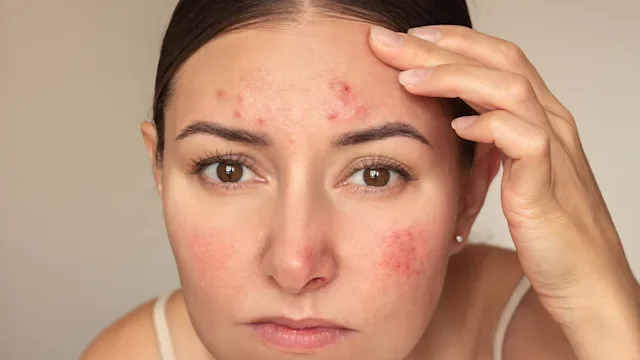
Blemishes, bumps, pimples, breakouts — there are plenty of words to talk about acne. But not all acne is the same. There are different types of acne, depending on whether spots are caused by inflammation or clogged pores. The treatment options are different too.
But knowing which kind of acne you have — and how best to treat it — takes a trained eye. Here are the main types of acne, including what they look like and the best treatments for each type.
1. Comedonal acne (clogged pores)
Comedonal acne is considered “non-inflammatory,” meaning the skin isn’t inflamed. This type of acne happens because the pores in the skin are clogged. Clogged pores can happen when there’s too much oil or bacteria. It can also happen when dead skin cells don’t shed properly or because of hormonal changes. Clogged pores can cause pimples called whiteheads and blackheads.
Search and compare options
Whiteheads
Whiteheads are also known as “closed comedones.” These happen when your pores become clogged all the way through, creating a little white or flesh-colored bump on top of your skin.
You can’t remove or fix whiteheads by squeezing them. So don’t try to pop them on your own. This can lead to scarring.
Blackheads
Unlike whiteheads, blackheads look black on the skin’s surface. (The color is not from dirt but from melanin pigment and exposure to air). They’re known as “open comedones.” This is because the head of the pore stays open, while the rest of the pore is clogged. You can remove blackheads by squeezing them. But again, this isn’t recommended because it can cause scarring.
What do whiteheads and blackheads look like?
Whiteheads and blackheads look like their names sound, so they’re fairly easy to spot.
Treatment for comedonal acne
Getting rid of blackheads and whiteheads begins with proper skin care. The products you use on your skin and in your hair can clog your pores. Choose products that are labeled “non-comedogenic,” meaning they’re less likely to make you break out. And try to avoid using pore strips on blackheads. They’re abrasive and can damage your skin, making acne worse.
You can treat comedonal acne with over-the-counter (OTC) treatments, but sometimes stronger prescription medications are needed.

Effective OTC treatments and active ingredients for comedonal acne include:
Sulfur
Low-strength adapalene (Differin)
These treatments help remove dead skin cells and excess oil. Sulfur, salicylic acid, and benzoyl peroxide can be applied directly to the acne spots or used as an entire facial treatment. Benzoyl peroxide is the most effective option, while sulfur is the mildest on your skin. Salicylic acid may help prevent comedonal acne from returning in the future.
Adapalene is a type of retinoid, the most effective treatment for all types of acne. It should be applied to the entire affected area (not spot treatment). And it can take 3 or 4 weeks to start working. If an OTC option isn’t working, you may need a prescription-strength retinoid like tretinoin (Retin-A) or trifarotene (Akleif).
2. Inflammatory acne (pimples)
Inflammatory acne is the medical name for pimples. There are two types of pimples — papules and pustules.
Papules
Papules are small red, brown, or violet bumps. They form when oil or excess skin cells blocking a pore mix with bacteria on your skin. The infected contents of the blocked pore spill out into the surrounding skin tissue, causing inflammation.
Pustules
Pustules are papules that contain pus. They are bulging bumps with a white center and red, violet, or brown inflamed skin surrounding them. They usually occur in clusters on the chest, face, or back.
Like papules, pustules can form when a blocked pore gets infected. But they can also be caused by hormonal changes in the body.
What do papules and pustules look like?
Papules look like a smooth red, violet, or brown skin bump. Unlike pustules, papules don’t contain pus. Their exact appearance can vary based on the color of your skin.


Treatment for inflammatory acne
Inflammatory acne is treated with the same OTC medications used for comedonal acne, along with some additional treatments. Here are examples:
Prescription-strength retinoids help unclog pores and lower inflammation.
Antibiotics help get rid of Cutibacterium acnes and lower inflammation. Benzoyl peroxide is combined with antibiotics to help prevent bacteria from becoming resistant.
Winlevi is a newer prescription cream that may help lower oil production in the skin
Birth control pills help lower androgen hormone levels (like testosterone), which contribute to acne.
Spironolactone (Aldactone) is a blood-pressure medication used “off-label” to treat acne by lowering androgen hormone levels.
And like with comedonal acne, popping pimples may worsen breakouts and cause scarring, so don’t try to squeeze them. Only a healthcare professional can safely drain pustules.
3. Nodulocystic acne
Nodulocystic acne is when severe breakouts happen much deeper in the skin. This type of acne can be painful and leave permanent scars. It can affect the:
Face
Chest
Back
Nodules
Nodular acne consists of flesh-colored, brown, or red bumps. They’re larger than papules and located deep under the skin’s surface. These occur when papules get more inflamed and grow bigger and deeper. A nodule is different from a cyst in that it doesn’t have any pus, so it feels hard to the touch.
Cysts
Acne cysts are pus-filled bumps that are red or violet in color. They’re larger than pustules and located deep under the skin’s surface. They’re more inflamed and can be quite painful. Cysts are usually the same size as nodules, but they’re softer. This is because cysts are pus-filled and can burst, infecting the surrounding skin.
What does nodulocystic acne look like?
Nodulocystic acne occurs deep under the skin, so it can cause a lot of inflammation that’s painful to touch. Beyond how nodules and cysts feel, there are some visual clues to look for, including skin discoloration and raised bumps.


Treatment for nodulocystic acne
Since OTC treatments work on the surface level of your skin, they aren’t as effective for this type of acne. If you think you have nodulocystic acne, it’s best to see a dermatologist right away.
Early, aggressive treatment can save you from painful breakouts, permanent scarring, and possible emotional distress. Your dermatologist can help you treat nodulocystic acne with medications like:
Isotretinoin, an oral retinoid also sold under the brands Claravis, Myorisan, Zenatane, and others
Antibiotics
Topical retinoids
Birth control pills
Spironolactone (Aldactone)
You might even need multiple medications to get rid of nodulocystic acne. A healthcare professional may suggest injecting stubborn nodules and cysts with steroids to treat them directly and get rid of the inflammation.
4. Hormonal acne
Hormonal acne (sometimes called adult acne) is a type of acne some people get in their 30s, 40s, or even later. Hormones play a role in all types of acne. But hormonal acne tends to have a stronger connection to changing hormone levels. Hormonal acne is more likely during certain situations, like:
Around the time of your period
During perimenopause or menopause
What does hormonal acne look like?
Hormonal acne usually forms deep, painful cysts that can last for a week or longer. The cysts can be:
Red
Violet
Brown
Flesh colored
They’re common on the chin and jawline. But they can affect other areas, including the:
Neck and chest
Shoulders and upper back
Other parts of the face
Treatment for hormonal acne
Treatment for hormonal acne is similar to other types of acne. For mild cases, topical medications (like retinoids) may be enough. For more severe cases, stronger treatments (like antibiotic pills) may be added. Hormonal treatments, like birth control pills and spironolactone, can also be helpful.
5. Fungal acne
Fungal acne (pityrosporum folliculitis) is a type of skin infection caused by yeast that normally lives on your skin, called Malassezia. In certain conditions, this yeast can grow out of control and invade the hair follicles. This causes inflammation and leads to pimple-like lesions.
Factors that can increase the risk of developing fungal acne include:
Taking corticosteroid pills
Sweating a lot
Being in a hot and/or humid environment
Having a weakened immune system
What does fungal acne look like?
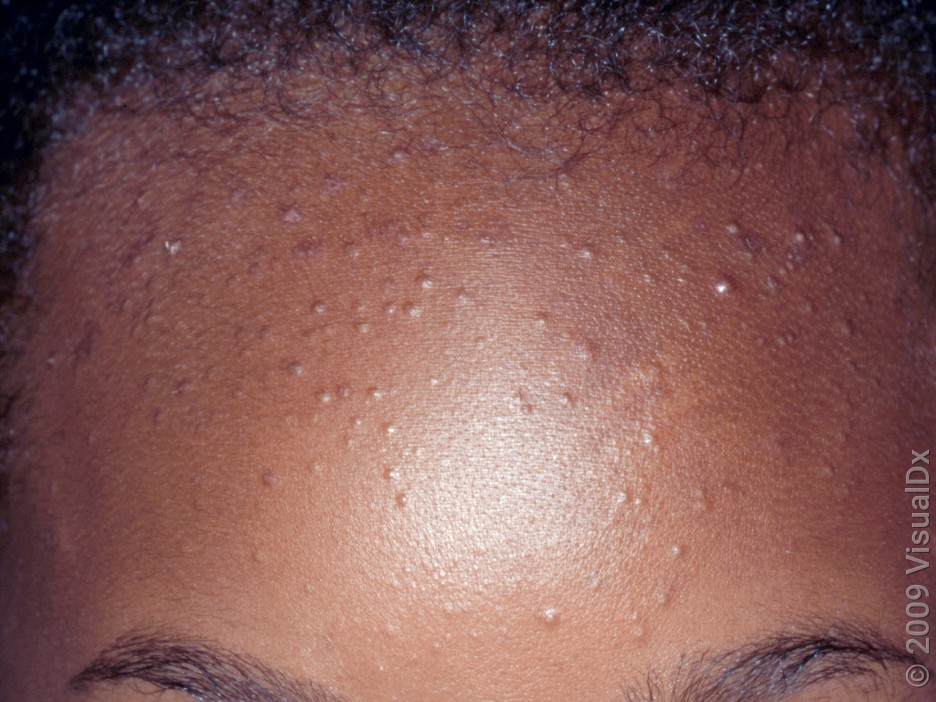
Fungal acne can look very similar to regular acne. It usually forms tiny red, purple, or brown bumps around hair follicles. The bumps are all the same size and can be filled with pus. And they’re more common around the forehead, shoulders, and upper back. Unlike regular acne, fungal acne tends to be itchy.
Treatment for fungal acne
The best way to treat fungal acne is by keeping your skin clean and dry and using antifungal medications. These can include topical treatments, pills, or a combination of both. Examples include:
Ketoconazole cream, shampoo, and pills
Ciclopirox cream and shampoo
Fluconazole pills
Itraconazole pills
How do you know what type of acne you have?
A good way to tell what type of acne you have is through the presence (or absence) of breakouts that leave scars or discoloration:
Comedonal acne (blackheads and whiteheads) typically heals without leaving a mark.
Papules and pustules can leave red or dark marks that fade with time.
Nodulocystic acne is more likely to leave textural scarring, dents, and pits.
Keep in mind that it’s common to have more than one type of acne at the same time. Also, your breakouts might change over time. And acne can change during the phases of your menstrual cycle.
What causes acne?
Acne happens when pores become clogged with excess oil, dead skin cells, and bacteria. This leads to inflammation and pimple formation. Different factors can contribute to acne, including:
Changing hormone levels (like during puberty or pregnancy)
Certain medications (like corticosteroids)
Some foods (like sugar and other high-glycemic foods)
How can I prevent acne?
The first step in preventing acne is to practice good skin care. Wash your face twice a day with a mild cleanser, followed by a moisturizer and sunscreen (in the morning). Make sure all your products are non-comedogenic.
Some additional tips to prevent acne include:
Eat a nutritious diet. Limit high-glycemic foods (like sugar and white bread) and include anti-inflammatory foods (like almonds and fatty fish).
Be gentle with your skin. Don’t pick your acne, and avoid using harsh scrubs and brushes.
Manage your stress levels. Practice stress-reducing activities, like mindful walking and practicing gratitude.
Use acne-fighting ingredients. If your skin tends to break out, use OTC washes with benzoyl peroxide or salicylic acid to help treat and prevent pimples.
Quiz: What type of acne do I have?
Frequently asked questions
Stress itself doesn’t cause acne. But it can definitely make acne worse or trigger a new outbreak. When you’re stressed, your body releases more stress hormones. This increases how much oil your skin makes, leading to clogged pores and pimples.
Pimples caused by stress or anxiety tend to pop up where your skin is the oiliest, including your:
Forehead
Chin
Cheeks
Nose
And, if you already have acne, anxiety can worsen pimples wherever you have them.
In general, hormonal acne causes deep, painful cysts along the jawline, chin and neck. It’s usually triggered by hormonal changes, like during your period. Stress acne, on the other hand, often appears on the oily parts of your face, like the forehead, nose, and chin.
Still, there can be overlap between hormonal and stress acne, and it may be hard to tell them apart. Your dermatologist can help you determine what’s triggering your acne.
Stress itself doesn’t cause acne. But it can definitely make acne worse or trigger a new outbreak. When you’re stressed, your body releases more stress hormones. This increases how much oil your skin makes, leading to clogged pores and pimples.
Pimples caused by stress or anxiety tend to pop up where your skin is the oiliest, including your:
Forehead
Chin
Cheeks
Nose
And, if you already have acne, anxiety can worsen pimples wherever you have them.
In general, hormonal acne causes deep, painful cysts along the jawline, chin and neck. It’s usually triggered by hormonal changes, like during your period. Stress acne, on the other hand, often appears on the oily parts of your face, like the forehead, nose, and chin.
Still, there can be overlap between hormonal and stress acne, and it may be hard to tell them apart. Your dermatologist can help you determine what’s triggering your acne.
The bottom line
Acne can appear in several forms, including blackheads and whiteheads, inflamed pimples, or even deeper nodules and cysts. Comedonal acne and mild-inflammatory acne can be treated with topical medications. People with more severe cases of inflammatory acne and almost all people with nodulocystic acne will need pills to clear up their acne. That’s why it’s best to talk with your dermatologist to figure out which type of acne you have and start treatment early.

Why trust our experts?



Images used with permission from VisualDx (www.visualdx.com).
References
American Academy of Dermatology Association. (n.d.). 10 skin care habits that can worsen acne.
American Academy of Dermatology Association. (n.d.). Acne: Signs and symptoms.
Ayers, K., et al. Pityrosporum folliculitis diagnosis and management in 6 female adolescents with acne vulgaris. JAMA Pediatrics.
Kircik, L. H. (2013). The role of benzoyl peroxide in the new treatment paradigm for acne. Journal of Drugs in Dermatology.
Newman, M. D., et al. (2011). Therapeutic considerations for severe nodular acne. American Journal of Clinical Dermatology.
Rubin, I. K. (2021). Efficacy of a non-comedogenic hair care regimen for the reduction of mild-to-moderate truncal and facial acne: A single-arm 8-week study. Journal of Drugs in Dermatology.
Schleehauf, B. (2025). 6 skin and hair conditions linked to stress. American Academy of Dermatology Association.
Sutaria, A. H., et al. (2023). Acne vulgaris. StatPearls.