



Can You Take Calcium and Iron at the Same Time?
No, you shouldn’t take calcium and iron together. Calcium affects your body’s ability to absorb iron, so you should wait at least 2 hours between doses.
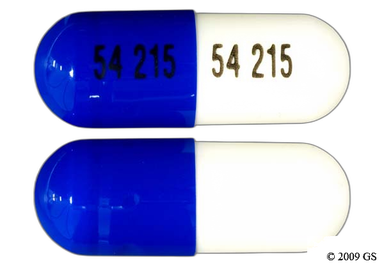
Calcium acetate is a phosphate binder that's used to lower phosphate levels in adults with chronic kidney disease (CKD) on dialysis. The medication works by attaching to the phosphate from your meals so your body doesn't absorb the extra phosphate. Calcium acetate is taken by mouth with each meal you have. Side effects can include nausea, vomiting, and high calcium levels in the blood.

Calcium acetate is a phosphate binder. It attaches to the phosphate in your food before the phosphate can be absorbed by your body. Your body then gets rid of this extra phosphate through your stool. This helps lower your blood phosphate levels to protect your kidneys and bones.
| Common Brands | PhosLo, Phoslyra |
|---|---|
| Drug Class | Phosphate binder |
| Controlled Substance Classification | Not a controlled medication |
| Generic Status | Lower-cost generic available |
| Availability | Prescription only |

The following side effects may get better over time as your body gets used to the medication. Let your healthcare provider know immediately if you continue to experience these symptoms or if they worsen over time.
Contact your healthcare provider immediately if you experience any of the following.
Along with its needed effects, a medicine may cause some unwanted effects. Although not all of these side effects may occur, if they do occur they may need medical attention.
Check with your doctor immediately if any of the following side effects occur:
More common
Abdominal or stomach pain
confusion
full or partial loss of consciousness
headache
incoherent speech
increased urination
loss of appetite
metallic taste
muscle weakness
nausea or vomiting
thirst
unusual tiredness
Incidence not known
Swelling
Some side effects may occur that usually do not need medical attention. These side effects may go away during treatment as your body adjusts to the medicine. Also, your health care professional may be able to tell you about ways to prevent or reduce some of these side effects. Check with your health care professional if any of the following side effects continue or are bothersome or if you have any questions about them:
More common
Less common
Incidence not known
Dizziness
weakness
Other side effects not listed may also occur in some patients. If you notice any other effects, check with your healthcare professional.
Call your doctor for medical advice about side effects. You may report side effects to the FDA at 1-800-FDA-1088.




Calcium acetate can cause some serious health issues. This risk may be even higher for certain groups. If this worries you, talk to your doctor or pharmacist about other options.
Calcium acetate can raise your blood calcium levels (hypercalcemia). This can sometimes cause nausea, vomiting, constipation, or a loss of appetite. But it can also lead to dangerous heart rhythm problems and seizures.
Make sure you get all your regular blood tests that your provider recommends. Tell your provider if you have any symptoms of having high calcium levels. Depending on how high your calcium levels are, your provider might adjust your dose of calcium acetate or pause your treatment.
Calcium acetate can cause your blood calcium levels to go up. And high calcium levels can raise your risk for digoxin toxicity if you also need to take digoxin (Lanoxin). Digoxin toxicity can cause many problems, including nausea, vision changes, headache, confusion, and heart rhythm problems.
Tell your healthcare provider if you're also taking digoxin (Lanoxin). Your provider might need to check the levels of digoxin in your blood more often to make sure your medications are safe to take together.


Although certain medicines should not be used together at all, in other cases two different medicines may be used together even if an interaction might occur. In these cases, your doctor may want to change the dose, or other precautions may be necessary. When you are taking this medicine, it is especially important that your healthcare professional know if you are taking any of the medicines listed below. The following interactions have been selected on the basis of their potential significance and are not necessarily all-inclusive.
Using this medicine with any of the following medicines is usually not recommended, but may be required in some cases. If both medicines are prescribed together, your doctor may change the dose or how often you use one or both of the medicines.
Using this medicine with any of the following medicines may cause an increased risk of certain side effects, but using both drugs may be the best treatment for you. If both medicines are prescribed together, your doctor may change the dose or how often you use one or both of the medicines.


Contraindications are specific health conditions or situations in which a person should not take a medication due to safety concerns. If you have any of the following conditions or if any of the following apply to you, let your healthcare provider know because Calcium acetate will not be safe for you to take.




Prescription savings
Stop paying too much for your prescriptions. Compare prices, get pharmacy coupons, and save up to 80%. Find expert answers to your health questions so you can make the best decisions for yourself and your family.
Health conditions
Medications & treatment
Access & affordability
Medication discounts


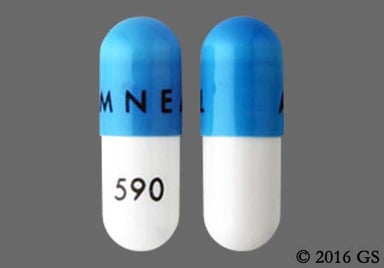
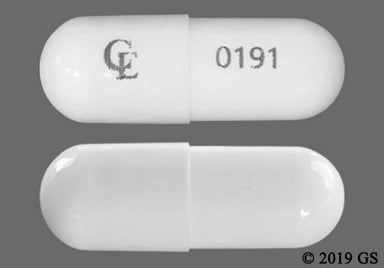
The manufacturer doesn't say whether Calcium Acetate capsules can be opened, so you should swallow them whole to make sure the medication works as it should. Talk to your provider if you have trouble swallowing the capsules. Your provider can recommend other phosphate binders that might be easier to take, such as sevelamer carbonate (Renvela).
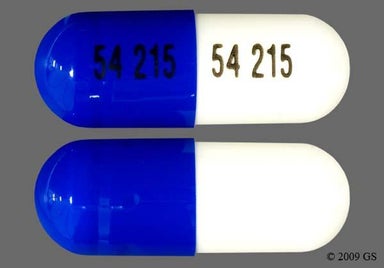
The manufacturer doesn't say whether the Calcium Acetate tablets or capsules can be crushed. You should swallow them whole to make sure the medication works the best it can. Speak with your provider if you have trouble swallowing the tablets or capsules whole. Your provider can recommend other phosphate binders that might be easier to take, such as lanthanum (Fosrenol) or sevelamer carbonate (Renvela).
You should take Calcium Acetate whenever you eat a meal. Ask your provider if you should take the medication with any snacks as well. Calcium Acetate works by attaching to the phosphate in your food so your body can't absorb it. So, the medication won't work if you take it on an empty stomach because there's no food for it to attach to.
You'll typically need a prescription for Calcium Acetate from your provider so the pharmacy can fill it for you. But you might be able to find certain products that contain Calcium Acetate over the counter. Keep in mind that products sold over the counter aren't regulated by the FDA in the same way as prescription medications are. Additionally, it's best to check with your provider before taking anything that's over the counter. If you have kidney problems, your provider will want to make sure you're taking the correct dose, the medication is working well for you, and that it's safe for you.
It's possible for Calcium Acetate to raise your calcium levels. In fact, having higher calcium levels in the blood is a common side effect of the medication. Symptoms can include constipation, nausea, vomiting, and low appetite. And severely high calcium levels can lead to confusion and bone pain. Sometimes, you might not realize that your calcium levels are high. That's why your provider will check your blood calcium levels during treatment through blood tests to make sure the medication is safe for you. Tell your provider if you notice any symptoms of high calcium levels.
It's not clear whether it's safe to take more than one phosphate binder at the same time, such as sevelamer carbonate (Renvela) and Calcium Acetate together. They both work to attach to phosphate in food to prevent the body from absorbing the phosphate. This helps lower phosphate levels in people with chronic kidney disease (CKD). Discuss with your provider about what your treatment options are if taking one of these medications alone isn't enough to lower your phosphate levels.
Sevelamer carbonate (Renvela) and Calcium Acetate aren't the same medication. They're both phosphate binders that work similarly to lower phosphate levels in people with chronic kidney disease (CKD). But since Renvela isn't a calcium-based phosphate binder, it doesn't have a risk of causing high calcium levels in the blood like Calcium Acetate does. In addition, both Renvela and Calcium Acetate are pills that are taken by mouth, but Renvela has another formulation (packets of powder) that can be turned into a liquid for people who have trouble swallowing. Talk with your provider to see which medication is right for you.
Calcium Acetate and calcium carbonate are two different forms of calcium. Some studies suggest that calcium carbonate has some use in lowering phosphate levels in people with kidney problems, but it doesn't seem to work as well as Calcium Acetate for this purpose. Calcium carbonate (commonly known as Tums) is mainly used to help relieve indigestion and heartburn. Talk to your provider if you've been prescribed both of these medications to make sure it's safe to take them together. In general, it's best to avoid taking more than one calcium product at the same time to prevent the dangers of taking too much calcium.
