



Renagel vs. Renvela: Which Is Better for High Phosphates?
Renagel and Renvela are phosphate binders that treat high phosphate levels in the body. Learn the differences between them, their side effects, and more.
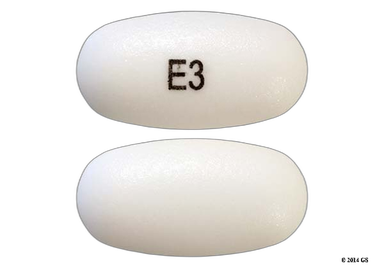
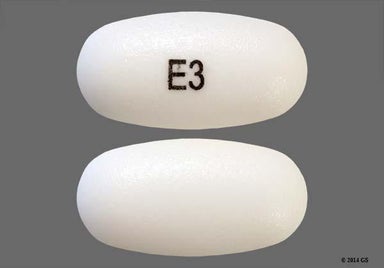
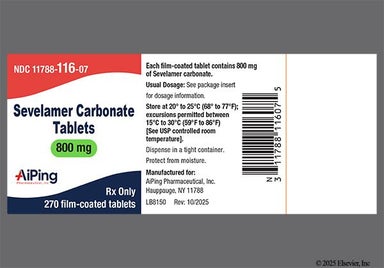
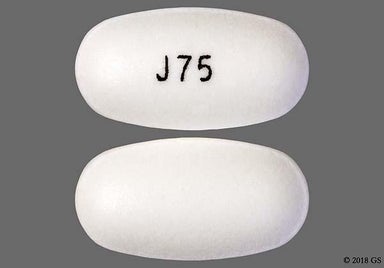
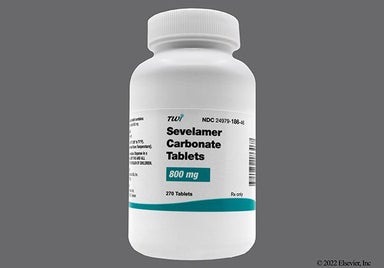
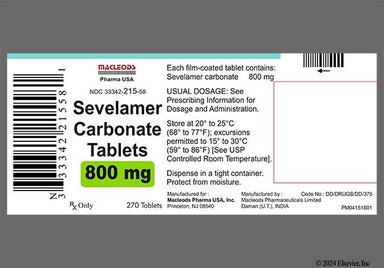
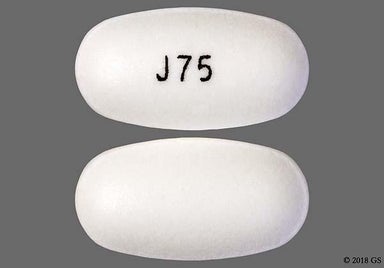
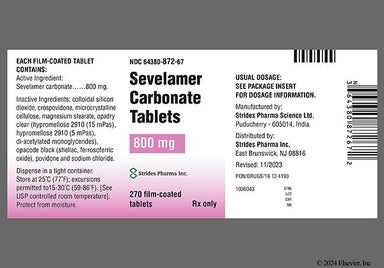
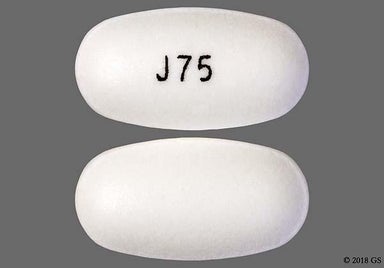
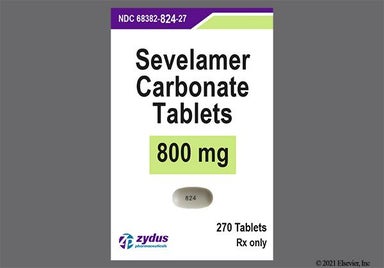
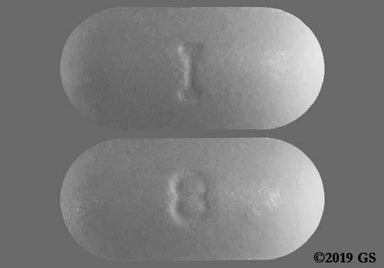
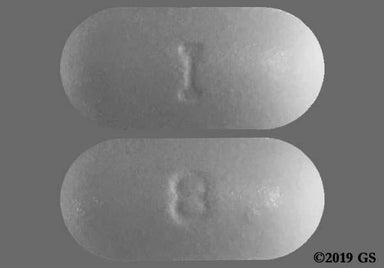
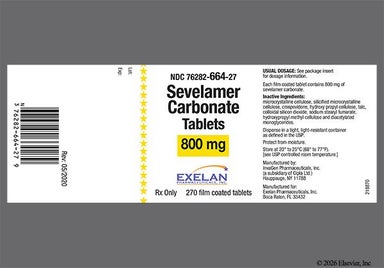
Sevelamer carbonate (Renvela) is a medication that's used to lower blood phosphate levels in people ages 6 years and older with chronic kidney disease (CKD) on dialysis. It's common to have stomach side effects, like nausea, vomiting, diarrhea, and stomach pain, with this medication. Sevelamer carbonate (Renvela) is available as a tablet that's swallowed whole and as a powder that can be made into a liquid (suspension). Both formulations are available as lower-cost generics.

Sevelamer carbonate (Renvela) is a phosphate binder. It attaches to the phosphate (a nutrient) in your stomach that comes from food. This prevents phosphate from getting absorbed into the body and instead allows phosphate to leave the body. This lowers your blood phosphate levels to help protect your kidneys and bones.
| Common Brands | Renvela |
|---|---|
| Drug Class | Phosphate binder |
| Controlled Substance Classification | Not a controlled medication |
| Generic Status | Lower-cost generic available |
| Availability | Prescription only |

The following side effects may get better over time as your body gets used to the medication. Let your healthcare provider know immediately if you continue to experience these symptoms or if they worsen over time.
Contact your healthcare provider immediately if you experience any of the following.
Side effects that you should report to your care team as soon as possible:
Side effects that usually do not require medical attention (report to your care team if they continue or are bothersome):



More tips for sevelamer carbonate (Renvela) powder for suspension

Sevelamer carbonate (Renvela) can cause some serious health issues. This risk may be even higher for certain groups. If this worries you, talk to your doctor or pharmacist about other options.
Some people taking sevelamer carbonate (Renvela) have experienced digestive tract problems. These problems can include stomach or intestinal blockage, bleeding ulcers, and inflammation. If you have constipation or other digestive tract problems, ask your provider if sevelamer carbonate (Renvela) is right for you. And if you have trouble swallowing, it might be safer to use the powder for suspension of instead of the tablets to prevent choking. Let your provider know right away if you have severe stomach pain, new or worsening constipation, blood in your stool, vomit that looks like coffee grounds, or other severe intestinal (gut) symptoms while you're taking sevelamer carbonate (Renvela).
Based on animal studies, sevelamer carbonate (Renvela) might lower your absorption of certain vitamins (D, E, and K) and folic acid. Your provider might recommend that you take supplements to keep your vitamin levels healthy.


Contraindications are specific health conditions or situations in which a person should not take a medication due to safety concerns. If you have any of the following conditions or if any of the following apply to you, let your healthcare provider know because Sevelamer carbonate (Renvela) will not be safe for you to take.


Prescription savings
Stop paying too much for your prescriptions. Compare prices, get pharmacy coupons, and save up to 80%. Find expert answers to your health questions so you can make the best decisions for yourself and your family.
Health conditions
Medications & treatment
Access & affordability
Medication discounts


No, you have to take Sevelamer Carbonate with food. The medication works by attaching to the phosphate that's in the food you just ate so your body doesn't absorb it. This allows your body time to process the phosphate that's already in your body without absorbing more phosphate from food. As a result, Sevelamer Carbonate helps lower your blood phosphate levels. The medication won't work if you take it on an empty stomach because there's no phosphate from food to attach to.
The manufacturer doesn't specify if it's okay to crush Sevelamer Carbonate tablets. One study suggests that you might be able to crush the tablets if you're having trouble swallowing them. But, make sure to ask your provider first to see if that's the right option for you. They might prefer to switch you to the Sevelamer Carbonate powder that you can mix with food or a drink rather than have you crush the tablets.
Yes, diarrhea is a common side effect with Sevelamer Carbonate. If you get diarrhea after starting Sevelamer Carbonate, there are some over-the-counter treatment options that you can consider, such as loperamide (Imodium A-D) or bismuth subsalicylate (Pepto-Bismol). Ask your provider about the best options for you. Also, make sure to stay hydrated by drinking rehydration solutions like Pedialyte.
Renvela is sevelamer carbonate, while Renagel is sevelamer hydrochloride. These are different salt forms of the active ingredient sevelamer. Both medications work just as well as each other to lower blood phosphate levels in people with CKD on dialysis. But, there are some advantages of Sevelamer Carbonate over sevelamer hydrochloride (Renagel). While both medications are available as tablets, Sevelamer Carbonate is also available as a powder that can be mixed with food or drinks. This makes Sevelamer Carbonate a good option for people who have trouble swallowing pills. Additionally, Sevelamer Carbonate doesn't cause as much acid buildup in the body as sevelamer hydrochloride (Renagel). Finally, Sevelamer Carbonate can be used in children as young as 6 years old, whereas sevelamer hydrochloride (Renagel) is only for adults. Speak with your provider or pharmacist about other similarities and differences between the two medications.
No, you won't be able to find Sevelamer Carbonate over the counter. It's only available by prescription from your provider. In fact, all phosphate binders require a prescription from your provider.
