terbutaline
Terbutaline is used to prevent and treat asthma attacks, but it isn’t a first-choice option to use when you're experiencing an asthma attack. Terbutaline is one of the few asthma medications that come as a tablet that's swallowed instead of an inhaler. Some side effects of terbutaline include nervousness, tremor (shakiness), and headache. It isn't safe to use during pregnancy because of the risk of harm to both mother and baby. This medication used to be sold under the brand name Brethine, but is now only available under the generic name.


What is Terbutaline?
What is Terbutaline used for?
- Prevention and treatment of bronchospasm (narrowing of airways) related to asthma, bronchitis, and emphysema
How Terbutaline works
Terbutaline is a beta-adrenergic agonist. It relaxes the muscles in your lungs to open your airways and make breathing easier.
Drug facts
| Common Brands | Brethine |
|---|---|
| Drug Class | Beta-adrenergic agonist |
| Controlled Substance Classification | Not a controlled medication |
| Generic Status | Lower-cost generic available |
| Availability | Prescription only |

Side effects of Terbutaline
The following side effects may get better over time as your body gets used to the medication. Let your healthcare provider know immediately if you continue to experience these symptoms or if they worsen over time.
Common Side Effects
- Nervousness (35%)
- Shaking (15%)
- Headache (8%)
- Sleepiness (6%)
- Racing heart (5%)
Less Common Side Effects
- Nausea
- Dry mouth
- Weakness
- Trouble sleeping
- Anxiety
Terbutaline serious side effects
Contact your healthcare provider immediately if you experience any of the following.
- Worsening asthma or other breathing problem: trouble breathing, wheezing
The following Terbutaline side effects have also been reported
Along with its needed effects, a medicine may cause some unwanted effects. Although not all of these side effects may occur, if they do occur they may need medical attention.
Check with your doctor immediately if any of the following side effects occur:
More common
Fast, irregular, pounding, or racing heartbeat or pulse
nervousness
shakiness in the legs, arms, hands, or feet
trembling or shaking of the hands or feet
Less common
Chest discomfort
difficult or labored breathing
feeling of warmth
redness of the face, neck, arms, and occasionally, upper chest
shortness of breath
sweating
tightness in the chest
Get emergency help immediately if any of the following symptoms of overdose occur:
Symptoms of overdose
Arm, back, or jaw pain
blurred vision
chest tightness or heaviness
confusion
convulsions
decreased urine
dizziness
dizziness, faintness, or lightheadedness when getting up suddenly from a lying or sitting position
fainting
general feeling of discomfort or illness
headache
increased thirst
loss of appetite
mood changes
muscle pain or cramps
nausea or vomiting
numbness or tingling in the hands, feet, or lips
seizures
trouble sleeping
unable to sleep
unusual tiredness or weakness
Some side effects may occur that usually do not need medical attention. These side effects may go away during treatment as your body adjusts to the medicine. Also, your health care professional may be able to tell you about ways to prevent or reduce some of these side effects. Check with your health care professional if any of the following side effects continue or are bothersome or if you have any questions about them:
More common
Drowsiness
Other side effects not listed may also occur in some patients. If you notice any other effects, check with your healthcare professional.
Call your doctor for medical advice about side effects. You may report side effects to the FDA at 1-800-FDA-1088.

Pros and cons of Terbutaline
Pros
- Can help prevent and reverse tightening in the airways due to asthma, bronchitis, and emphysema
- One of the few asthma medications that's taken by mouth
- Available as a lower-cost generic
Cons
- Need to take three times a day
- Can cause unpleasant side effects, like a racing heart and shaking
- Not for use in children under the age of 12 years old

Pharmacist tips for Terbutaline

- Take terbutaline regularly to prevent asthma attacks. It takes some time for the medication to start working, so it won't treat an asthma attack right away.
- Always carry a rescue inhaler, such as albuterol (ProAir, Ventolin), that you can use if your asthma symptoms flare up.
- If your asthma symptoms get worse, talk to your provider about how to better control your asthma.
- Don’t stop taking terbutaline, especially if your asthma symptoms are getting better. This can mean that your asthma medication is doing its job.

Risks and warnings for Terbutaline
Terbutaline can cause some serious health issues. This risk may be even higher for certain groups. If this worries you, talk to your doctor or pharmacist about other options.
Not for use for premature labor
 Terbutaline has been used to delay premature (early) birth of babies. It's important to note that the FDA hasn't approved terbutaline for this purpose. This medication shouldn't be used for the prevention or prolonged treatment (beyond 2 to 3 days) of premature labor. Serious reactions, including death, high blood sugar levels, low blood potassium levels, and abnormal heart rhythms, have happened to pregnant women who were given terbutaline for premature labor. Babies of mothers who were given terbutaline can have high heart rate and dangerously low blood sugar levels.
Bronchospasm (difficulty breathing)
Even though terbutaline is used to treat asthma, it can sometimes actually make the airways tighter and make it hard for you to breathe. If you're feeling short of breath and it's not going away, get medical help right away.
Heart problems
Terbutaline can raise your blood pressure, heart rate, and affect your heart rhythm. It can also lower your potassium levels, which if severe enough, can lead to heart problems. Talk to your provider before starting the medication if you already have heart problems, especially conditions causing irregular heart rhythms and high blood pressure. Let your provider know if you start experiencing more rapid heartbeats while taking terbutaline.
Seizures
Though rare, some people have reported having a seizure while taking terbutaline. Contact your provider right away if you think you experienced a seizure during treatment.

Terbutaline dosage


Interactions between Terbutaline and other drugs
Although certain medicines should not be used together at all, in other cases two different medicines may be used together even if an interaction might occur. In these cases, your doctor may want to change the dose, or other precautions may be necessary. When you are taking this medicine, it is especially important that your healthcare professional know if you are taking any of the medicines listed below. The following interactions have been selected on the basis of their potential significance and are not necessarily all-inclusive.
Using this medicine with any of the following medicines is not recommended. Your doctor may decide not to treat you with this medication or change some of the other medicines you take.
Using this medicine with any of the following medicines is usually not recommended, but may be required in some cases. If both medicines are prescribed together, your doctor may change the dose or how often you use one or both of the medicines.
- Acebutolol
- Arotinolol
- Atenolol
- Befunolol
- Betaxolol
- Bevantolol
- Bisoprolol
- Bopindolol
- Bucindolol
- Bupranolol
- Carteolol
- Carvedilol
- Celiprolol
- Dilevalol
- Esmolol
- Iobenguane I 123
- Labetalol
- Landiolol
- Levobunolol
- Mepindolol
- Methacholine
- Metipranolol
- Metoprolol
- Nadolol
- Nebivolol
- Oxprenolol
- Penbutolol
- Pindolol
- Practolol
- Propranolol
- Sotalol
- Talinolol
- Tertatolol
- Timolol

How much does Terbutaline cost?
$10.03

Terbutaline contraindications
Contraindications are specific health conditions or situations in which a person should not take a medication due to safety concerns. If you have any of the following conditions or if any of the following apply to you, let your healthcare provider know because Terbutaline will not be safe for you to take.
- Premature labor
- Allergy to sympathomimetic amines (e.g., phentermine (Adipex-P, Lomaira), pseudoephedrine (Sudafed), Adderall (dextroamphetamine / amphetamine salts))

What are alternatives to Terbutaline?

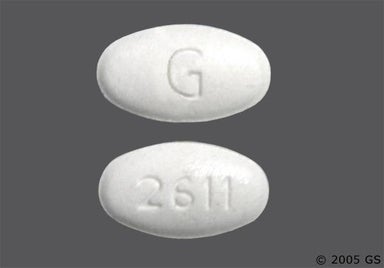
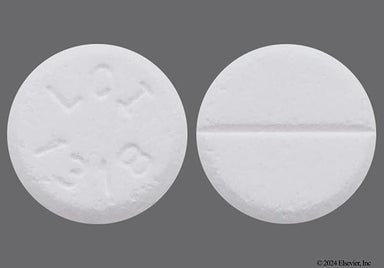
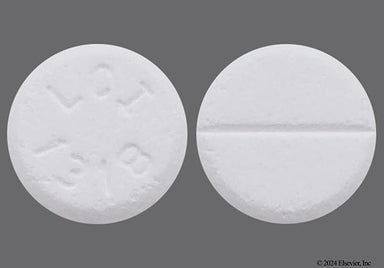
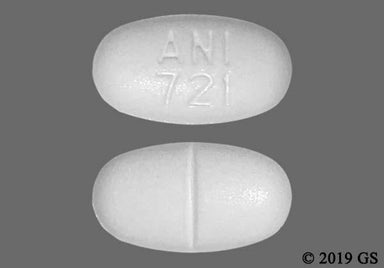
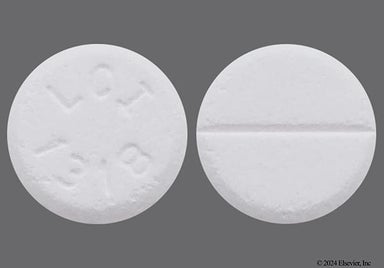
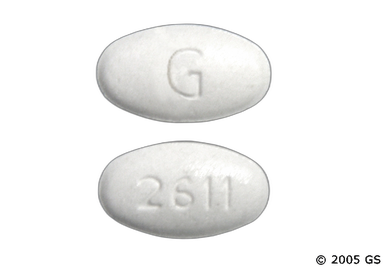
Terbutaline images