Phendimetrazine, formerly known as brand-name medication Bontril, is a prescription sympathomimetic medication typically used in combination with diet and exercise. It works as an appetite suppressant in the brain to help adults with weight loss. It's available as an immediate-release tablet taken by mouth two to three times per day, and an extended-release capsule taken once per day. Side effects include restlessness, headache, and high blood pressure.
Phendimetrazine is a controlled substance, which means that it's more likely to be misused or cause dependence. There are federal and state laws that limit the amount of medication that can be prescribed or dispensed within a certain period of time.
What is Phendimetrazine?
What is Phendimetrazine used for?
Short-term treatment for weight management in adults with a body mass index (BMI) of:
Phendimetrazine is a sympathomimetic. The exact way it helps with weight loss isn't well understood. But it's thought to lower your appetite by working in the part of your brain that controls hunger.
When does Phendimetrazine start working?Time passed since treatment started:
HOURS
DAYS
WEEKS
Full effect
MONTHS
Drug facts
Common Brands
Bontril(brand name no longer available)
Drug Class
Sympathomimetic amine
Controlled Substance Classification
Schedule III
Generic Status
Lower-cost generic available
Availability
Prescription only
Risks and warnings for Phendimetrazine
Phendimetrazine can cause some serious health issues. This risk may be even higher for certain groups. If this worries you, talk to your doctor or pharmacist about other options.
Not safe with other weight loss medications
Phendimetrazine shouldn't be taken along with other medications for weight loss, including ones found over the counter. Talk with your care team if you have more questions about your treatment plan.
Lower response to the medication over time
Phendimetrazine might stop working as well over time, even for those who saw good results at the start. This is called tolerance. Raising the dose of phendimetrazine won't help and isn't safe because of the risk for serious side effects. Let your prescriber know if you've noticed weight gain or your appetite returning after you've been taking this medication. They'll need to recommend other treatment options for you.
Risk of misuse and dependence
Risk factors: Taking more phendimetrazine than prescribed
Similar to other stimulants, phendimetrazine has a risk of misuse and for causing dependence, which can lead to stimulant use disorder. To lower this risk, your healthcare professional will usually prescribe a limited amount at a time. Take phendimetrazine exactly as directed. It's meant for short-term use, typically just a few weeks. If interested, talk with your care team to learn more about long-term weight management options.
High blood pressure in the lungs (pulmonary hypertension)
Risk factors: Taking phendimetrazine for longer than 3 months
Although rare, phendimetrazine can cause pulmonary hypertension, or high blood pressure in the lungs. Pulmonary hypertension is serious and can be life-threatening. The risk is higher if you take medications that lower your appetite, including phendimetrazine, for longer than 3 months. If you experience trouble breathing, chest pain, fainting, or swelling in your legs, stop the medication and get medical help right away.
Heart valve problem
Risk factors: Long-term use | Taking high doses | Taking multiple medications that lower your appetite
People taking stimulants similar to phendimetrazine experienced heart valve problems.The risk is higher for those using the medication long-term or taking multiple appetite-suppressing medications. Let your prescriber know if you have dizziness, chest pain, leg or ankle swelling, irregular heartbeat, fatigue, or trouble breathing.
Risk of high blood pressure
Let your prescriber know if you have high blood pressure, even if your condition is well-controlled by medications. Taking phendimetrazine might raise your risk for high blood pressure so your care team might ask you to check your blood pressure more often during treatment.
Risk of low blood sugar in people with diabetes
Risk factors: Taking insulin or sulfonylureas
People with diabetes who are taking medications that lower blood sugar, such as insulin or sulfonylureas like glipizide, are at higher risk for low blood sugar during treatment with phendimetrazine. This can happen due to changes in eating habits and appetite with phendimetrazine. Your diabetes care team might need to adjust the dose of your blood sugar medications after you start phendimetrazine.
Always keep emergency glucose tablets or hard candy with you in case your blood sugar drops too low. If you experience symptoms of low blood sugar, such as feeling faint, shaking, and sweating, check and treat your low blood sugar levels right away. If your symptoms don't improve, get medical help.
Side effects of Phendimetrazine
The following side effects may get better over time as your body gets used to the medication. Let your healthcare provider know immediately if you continue to experience these symptoms or if they worsen over time.
Common Side Effects
Fast heartbeat
High blood pressure
Restlessness
Trouble sleeping
Nervousness
Shakiness
Sweating
Less Common Side Effects
Dizziness
Headache
Blurry vision
Nausea
Diarrhea
Constipation
Stomach pain
Dry mouth
Frequent or painful urination
Changes in your sex drive
Phendimetrazine serious side effects
Contact your healthcare provider immediately if you experience any of the following.
Heart valve problems: dizziness, chest pain, leg or ankle swelling, irregular heartbeat, fatigue, trouble breathing
The following Phendimetrazine side effects have also been reported
Along with its needed effects, a medicine may cause some unwanted effects. Although not all of these side effects may occur, if they do occur they may need medical attention.
Check with your doctor immediately if any of the following side effects occur:
Rare
Seeing, hearing, or feeling things that are not there
dizziness, faintness, or lightheadedness when getting up suddenly from a lying or sitting position
fast, slow, or irregular heartbeat
feeling sad or empty
lack of appetite
lightheadedness
loss of consciousness
loss of interest or pleasure
overactive reflexes
panic
physical attempt to injure
pounding in the ears
rapid breathing
sweating
tiredness
trouble with concentrating
unusual tiredness or weakness
violent actions
Some side effects may occur that usually do not need medical attention. These side effects may go away during treatment as your body adjusts to the medicine. Also, your health care professional may be able to tell you about ways to prevent or reduce some of these side effects. Check with your health care professional if any of the following side effects continue or are bothersome or if you have any questions about them:
Incidence not known
Decreased interest in sexual intercourse
difficulty having a bowel movement (stool)
inability to have or keep an erection
increased in sexual ability, desire, drive, or performance
increased interest in sexual intercourse
loss in sexual ability, desire, drive, or performance
Comes in immediate-release and extended-release forms
Available as a lower-cost generic form
Cons
Risk of misuse and dependency
Typically recommended to be used for a short period of time (a few weeks)
Pharmacist tips for Phendimetrazine
You'll take phendimetrazine differently depending on the form you're prescribed. For the immediate-release tablet, take it 2 or 3 times a day as directed, 1 hour before a meal. For the extended-release capsule, take it 30 to 60 minutes before breakfast.
Use Phendimetrazine along with diet and exercise to help you lose weight more effectively. Work with your care team to come up with a plan for a healthy diet and regular exercise that works best for you.
Avoid alcohol while taking phendimetrazine as it can make the side effects worse.
Since phendimetrazine affects the brain, it can make tasks like driving harder. Avoid certain activities until you know how this medication affects you.
Phendimetrazine reduces your appetite, raising your risk of low blood sugar (hypoglycemia). If you have diabetes and take medications like insulin or glipizide, let your prescriber know. They might need to adjust your medication dose.
Phendimetrazine interacts with several medications, such as monoamine oxidase inhibitors (MAOIs). Tell your care team know about all the medications you're taking before starting phendimetrazine, as well as any you plan to take during treatment. They can make sure your medications are safe for you.
Weight loss medications like phendimetrazine must be avoided during pregnancy. Weight loss during pregnancy can cause harm to unborn babies. If you're pregnant or planning to be, tell your prescriber right away, as you'll need to stop using this medication.
It's not known if phendimetrazine is safe to take while breastfeeding. Similar stimulants pass into breast milk and can potentially cause serious side effects in your baby. Talk to your prescriber or OB-GYN about the risks and benefits of taking this medication while breastfeeding.
Phendimetrazine dosage
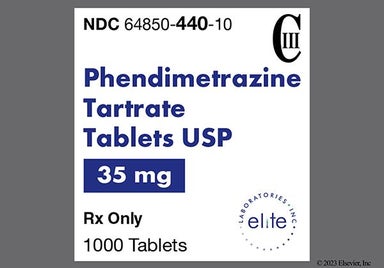
The average cost for 90 tablets of 35mg of Phendimetrazine is $17.23 with a free GoodRx coupon. This is 62.54% off the average retail price of $45.99.
Interactions between Phendimetrazine and other drugs
Phendimetrazine may interact with certain medications or supplements. Always let your doctor and pharmacist know about any other medications or supplements (including prescribed and over-the-counter medications, vitamins, and dietary or herbal supplements) that you are currently taking. The list below does not include all possible drug interactions with Phendimetrazine. Please note that only the generic name of each medication is listed below.
Although certain medicines should not be used together at all, in other cases two different medicines may be used together even if an interaction might occur. In these cases, your doctor may want to change the dose, or other precautions may be necessary. When you are taking this medicine, it is especially important that your healthcare professional know if you are taking any of the medicines listed below. The following interactions have been selected on the basis of their potential significance and are not necessarily all-inclusive.
Using this medicine with any of the following medicines is not recommended. Your doctor may decide not to treat you with this medication or change some of the other medicines you take.
Using this medicine with any of the following medicines is usually not recommended, but may be required in some cases. If both medicines are prescribed together, your doctor may change the dose or how often you use one or both of the medicines.
Contraindications are specific health conditions or situations in which a person should not take a medication due to safety concerns. If you have any of the following conditions or if any of the following apply to you, let your healthcare provider know because Phendimetrazine will not be safe for you to take.
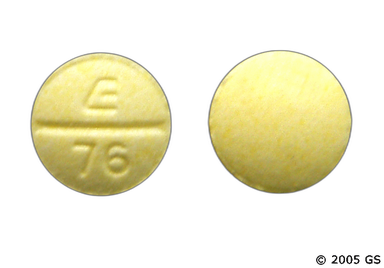
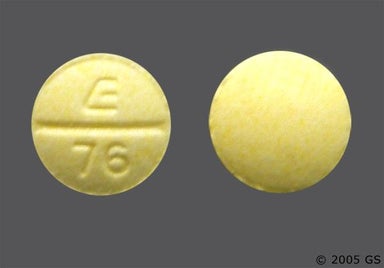
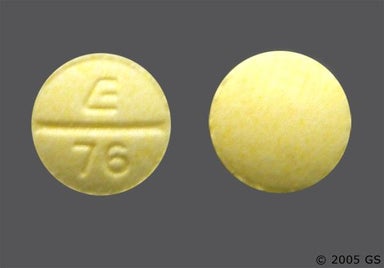
This medicine is Yellow, Round, Scored Tablet Imprinted With "E 76".Yellow Round E 76 - Phendimetrazine Tartrate 35mg TabletThis medicine is Yellow, Round, Scored Tablet Imprinted With "E 76".Yellow Round E 76 - Phendimetrazine Tartrate 35mg TabletThis medicine is Yellow, Round, Scored Tablet Imprinted With "A 327".Yellow Round A 327 - Phendimetrazine Tartrate 35mg TabletThis medicine is Yellow, Round, Scored Tablet Imprinted With "A 327".Yellow Round A 327 - Phendimetrazine Tartrate 35mg TabletThis medicine is Yellow, Round, Scored Tablet Imprinted With "E 76".Yellow Round E 76 - Phendimetrazine Tartrate 35mg Tablet
World Health Organization. (2009). 4 Withdrawal management. Clinical Guidelines for Withdrawal Management and Treatment of Drug Dependence in Closed Settings.
GoodRx Health has strict sourcing policies and relies on primary sources such as medical organizations, governmental agencies, academic institutions, and peer-reviewed scientific journals. Learn more about how we ensure our content is accurate, thorough, and unbiased by reading our editorial guidelines.
Prescription savings
Stop paying too much for your prescriptions. Compare prices, get pharmacy coupons, and save up to 80%.
Plans start at $9.99/mo. (when paid yearly). Terms apply.
Common questions about Phendimetrazine
It's not completely clear how long it takes for Phendimetrazine to work. But the medication is meant to be used for a few weeks, so you should start to see results then. Contact your prescriber if you're concerned with how well Phendimetrazine is working for you.
It can vary from person to person. On average, people lose only a fraction of a pound every week, and the greatest weight loss is usually seen in the first few weeks of starting treatment. How well Phendimetrazine works for you depends on many factors, such as your diet, exercise, and other medications you're taking.
Phendimetrazine is only meant to be used for up to a few weeks because that's about how long the weight-loss effects of the medication last. But, according to the treatment guidelines, some healthcare professionals (HCPs) might consider using weight-loss medications for a longer period if they work well and there are no major risks or side effects. The medication should be combined with a healthy diet and regular exercise. Talk with your primary care provider if you're interested in learning more about longer-term weight loss options.
Yes. Phendimetrazine is a schedule III controlled substance because it has a risk of misuse and dependence. Misuse can lead to serious side effects, like fast heart rate, high blood pressure, trouble sleeping, anxiety, and aggression. Dependence can lead to having withdrawal symptoms like irritation, sleep problems, and distress if you suddenly stop taking the medication after long-term use. Only take Phendimetrazine as prescribed by your prescriber to lower your risks for misuse and dependence.
Yes, too much energy, restlessness, trouble sleeping, and agitation are possible side effects of Phendimetrazine because it acts similarly to stimulant medications used for ADHD. Try to avoid taking Phendimetrazine too late in the day. If you're having trouble sleeping (insomnia), let your prescriber know.
Both Phendimetrazine and phentermine (Adipex-P, Lomaira) are stimulant medications used short-term for weight loss. Phendimetrazine is available as an immediate-release tablet and extended-release capsule, whereas phentermine is available as tablets, capsules, and orally disintegrating tablets. In general, there's more experience with phentermine because there are more studies available. Talk to your care team if you have more questions about the differences between both medications.
Yes, Phendimetrazine is only available by a prescription from a healthcare professional (HCP).
It's unknown why brand medication Bontril was discontinued, but the generic form is still available.