




How Much Is Istalol Without Insurance?
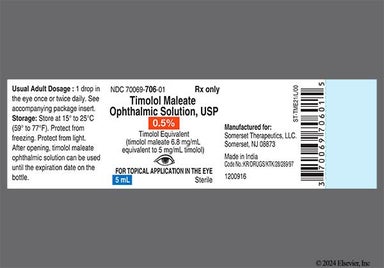
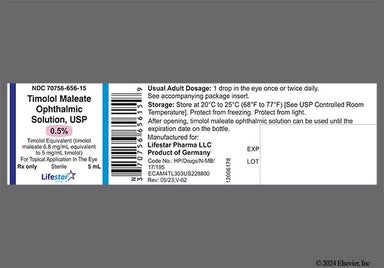
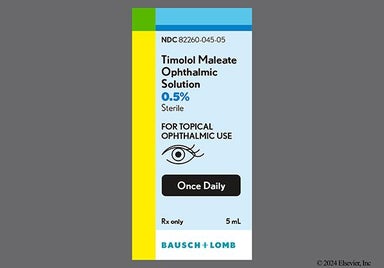
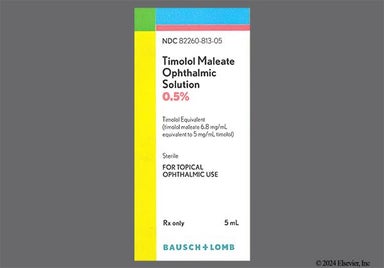
Istalol’s cost without insurance often ranges from $300 to $500 per bottle. Without insurance, discounts and savings plans can help make Istalol more affordable.
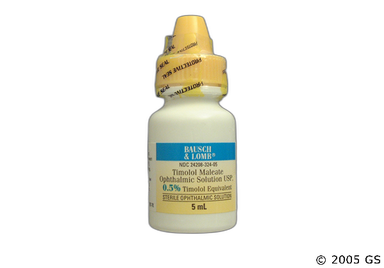
Timolol is a beta-blocker used to treat high blood pressure and prevent complications after a heart attack. It's also used to prevent migraines. The medication comes as tablets that you typically take by mouth twice daily. Timolol can interact with other medications and make side effects worse, so make sure your prescriber knows everything that you're taking. Although the brand Blocadren is discontinued, the generic versions are still available. Common side effects include slow heart rate, tiredness, and dizziness.

Timolol is a beta blocker. It slows your heart rate and relaxes blood vessels, which lowers blood pressure and makes it easier for the heart to pump blood throughout the body. It's not entirely clear how the medication prevents migraines, but it's thought to work in the brain by affecting nerve cell communication.
| Common Brands | Blocadren |
|---|---|
| Drug Class | Beta blocker |
| Controlled Substance Classification | Not a controlled medication |
| Generic Status | Lower-cost generic available |
| Availability | Prescription only |

The following side effects may get better over time as your body gets used to the medication. Let your healthcare provider know immediately if you continue to experience these symptoms or if they worsen over time.
Contact your healthcare provider immediately if you experience any of the following.
Along with its needed effects, a medicine may cause some unwanted effects. Although not all of these side effects may occur, if they do occur they may need medical attention.
Check with your doctor immediately if any of the following side effects occur:
More common
Chest pain or discomfort
lightheadedness, dizziness, or fainting
shortness of breath
slow or irregular heartbeat
unusual tiredness
Rare
Noisy breathing
small clicking, bubbling, or rattling sounds in the lung when listening with a stethoscope
swelling of hands, ankles, feet, or lower legs
Get emergency help immediately if any of the following symptoms of overdose occur:
Symptoms of overdose
Blurred vision
continuing ringing or buzzing or other unexplained noise in ears
headache
hearing loss
nervousness
pounding in the ears
sweating
Some side effects may occur that usually do not need medical attention. These side effects may go away during treatment as your body adjusts to the medicine. Also, your health care professional may be able to tell you about ways to prevent or reduce some of these side effects. Check with your health care professional if any of the following side effects continue or are bothersome or if you have any questions about them:
Rare
Acid or sour stomach
belching
burning, crawling, itching, numbness, prickling, "pins and needles", or tingling feelings
decreased interest in sexual intercourse
feeling of constant movement of self or surroundings
inability to have or keep an erection
indigestion
lack or loss of strength
loss in sexual ability, desire, drive, or performance
sensation of spinning
stomach discomfort, upset, or pain
Other side effects not listed may also occur in some patients. If you notice any other effects, check with your healthcare professional.
Call your doctor for medical advice about side effects. You may report side effects to the FDA at 1-800-FDA-1088.




Timolol can cause some serious health issues. This risk may be even higher for certain groups. If this worries you, talk to your doctor or pharmacist about other options.
 Don't stop taking timolol suddenly, as it can cause an irregular or fast heartbeat, high blood pressure, poor blood flow to your heart, or raise your risk of chest pain or a heart attack. If you need to stop taking this medication, work with your prescriber to lower your dose slowly over a period of one to two weeks.
Though timolol is commonly used to treat heart failure, it can sometimes worsen symptoms. In rare cases, this medication can even cause heart failure in people without a history of it. Talk to your healthcare team if you think your heart failure is getting worse or if you notice symptoms like shortness of breath, sudden weight gain, or swelling in the legs after taking timolol.
If you have certain breathing conditions like asthma, chronic obstructive pulmonary disease (COPD), or emphysema, taking timolol can make your breathing worse. Timolol can narrow your airways and cause wheezing or difficulty breathing. That's why it's usually not recommended for people with these conditions. Let your prescriber know about any breathing conditions before starting this medication. If you notice trouble breathing, chest tightness, or wheezing while taking it, contact them right away.
If you have diabetes, timolol can make it harder to notice some signs of low blood sugar, like a fast heartbeat. But you might be able to still experience symptoms like sweating, which can help alert you to low blood sugar. Know how to check your blood sugar levels while taking this medication and when to treat it.
Because timolol lowers your heart rate, it might be harder to notice heart-related symptoms that are caused by an overactive thyroid (hyperthyroidism). If you have this condition, don't suddenly stop taking timolol since this can worsen thyroid problems.


Although certain medicines should not be used together at all, in other cases two different medicines may be used together even if an interaction might occur. In these cases, your doctor may want to change the dose, or other precautions may be necessary. When you are taking this medicine, it is especially important that your healthcare professional know if you are taking any of the medicines listed below. The following interactions have been selected on the basis of their potential significance and are not necessarily all-inclusive.
Using this medicine with any of the following medicines is usually not recommended, but may be required in some cases. If both medicines are prescribed together, your doctor may change the dose or how often you use one or both of the medicines.
Using this medicine with any of the following medicines may cause an increased risk of certain side effects, but using both drugs may be the best treatment for you. If both medicines are prescribed together, your doctor may change the dose or how often you use one or both of the medicines.


Contraindications are specific health conditions or situations in which a person should not take a medication due to safety concerns. If you have any of the following conditions or if any of the following apply to you, let your healthcare provider know because Timolol will not be safe for you to take.








Prescription savings
Stop paying too much for your prescriptions. Compare prices, get pharmacy coupons, and save up to 80%.Resources
About GoodRx
 Find expert answers to your health questions so you can make the best decisions for yourself and your family.
Health conditions
Medications & treatment
Access & affordability
Well-being
Medication discounts

Yes, Blocadren is a beta blocker, more specifically it's a non-selective beta blockers. This means that it affects many areas of the body, including the heart.
It depends. Most data on this comes from studies on timolol eye drops, which don’t absorb into your body as much as oral tablets. In those studies, participants' heart rates dropped by about 10 beats per minute on average. But this will vary since Blocadren is taken by mouth and likely will affect the body more. Speak with your prescriber if you're concerned about your heart rate dropping too low with this medication.
Blocadren doesn't normally cause kidney problems. But since this medication is mainly removed from your body by the kidneys, you might need a lower dose if you have a history of kidney problems. This helps prevent your blood pressure from dropping too low. Talk to your prescriber if you have concerns about Blocadren and your kidney health.
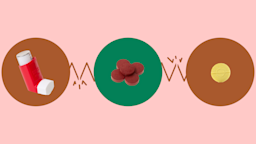
Avoid alcohol while taking Blocadren because it can worsen side effects like dizziness and lightheadedness. Alcohol can also raise your blood pressure and heart rate, which is the opposite of what this medication is meant to do. If you have asthma or chronic obstructive pulmonary disease (COPD), you might want to avoid Blocadren because it can affect how well your rescue inhalers work to open your airways. Also, certain over-the-counter (OTC) decongestants like pseudoephedrine (Sudafed) can reduce the effects of Blocadren. Talk with your prescriber or pharmacist before starting any medications.
If you stop taking Blocadren suddenly, it might lead to an irregular or fast heartbeat, high blood pressure, poor blood flow to your heart, or can raise your risk of chest pain or heart attack. Don't suddenly stop taking this medication without speaking with your prescriber. You might need to work with them to slowly lower your dose over time.
Blocadren doesn't typically cause weight gain, unlike some other beta blockers. But it's possible to have heart failure symptoms that lead to more water weight. Call your prescriber if you notice any sudden swelling or if you feel like your body is holding onto more water.
No. Blocadren is a beta-blocker, not a blood thinner. Beta-blockers and blood thinners work very differently but are both used to treat or prevent heart problems. That's why many people who take beta-blockers like Blocadren for heart problems might also be taking a blood thinner.
It depends on what you're taking Blocadren for, though it can take some time. If you take the medication for high blood pressure, it can take a few days to a week to see the full effect, so your prescriber likely won't adjust dose the before then. If you take it to prevent migraines, you might notice fewer migraines after a few weeks, but it can take longer to find the right dose. And if you haven't seen any improvement in your migraines after 6 to 8 weeks, your prescriber might suggest stopping the medication.
