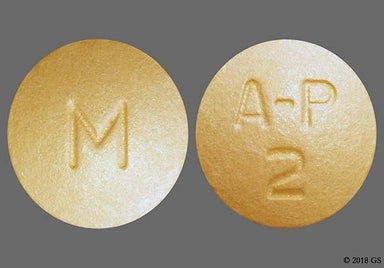
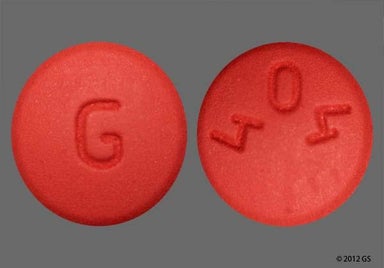
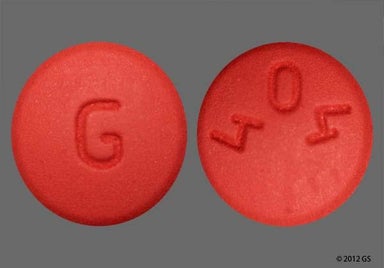
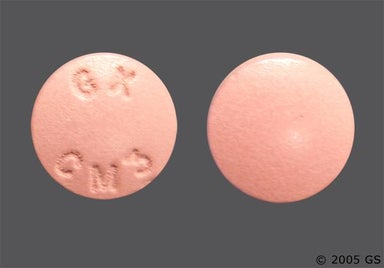
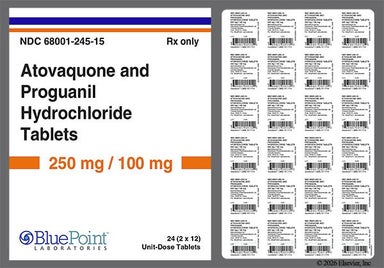
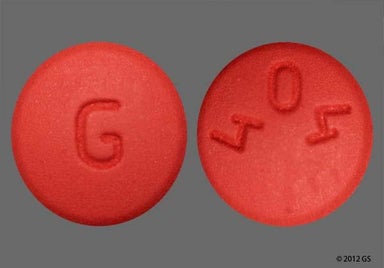
Malarone (atovaquone / proguanil) is a CDC-recommended medication to help prevent and treat malaria. This combination medication is taken by mouth once per day. It doesn't have many side effects and can be used in children and adults.
Malarone (atovaquone / proguanil) is a combination of two medications that work together to stop malaria from growing in your body.
The following side effects may get better over time as your body gets used to the medication. Let your healthcare provider know immediately if you continue to experience these symptoms or if they worsen over time.
Contact your healthcare provider immediately if you experience any of the following.
Along with its needed effects, a medicine may cause some unwanted effects. Although not all of these side effects may occur, if they do occur they may need medical attention.
Check with your doctor as soon as possible if any of the following side effects occur:
Incidence not known
Blistering, peeling, loosening of skin
chills
convulsions
difficulty swallowing
fast heartbeat
hives or welts
increased sensitivity of skin to sunlight
itching, redness or other discoloration of skin
joint or muscle pain
large, hive-like swelling on face, eyelids, lips, tongue, throat, hands, legs, feet, sex organs
loss of bladder control
muscle spasm or jerking of all extremities
puffiness or swelling of the eyelids or around the eyes, face, lips, or tongue
rash
red, irritated eyes
red skin lesions, often with a purple center
seeing, hearing, or feeling things that are not there
severe mental changes
severe sunburn
shortness of breath
skin rash
sores, ulcers or white spots in mouth or on lips
sudden loss of consciousness
tightness in chest
unusual tiredness or weakness
Some side effects may occur that usually do not need medical attention. These side effects may go away during treatment as your body adjusts to the medicine. Also, your health care professional may be able to tell you about ways to prevent or reduce some of these side effects. Check with your health care professional if any of the following side effects continue or are bothersome or if you have any questions about them:
More common
Abdominal pain
back pain
dreams
headache
itching skin
lack of or loss of strength
sores in mouth
vomiting
Less common
Acid or sour stomach
belching
blurred or loss of vision
disturbed color perception
dizziness
double vision
flu like symptoms
halos around lights
indigestion
loss of appetite
night blindness
overbright appearance of lights
stomach discomfort, upset or pain
trouble sleeping
tunnel vision
unable to sleep
Rare
Discouragement
fear
feeling sad or empty
irritability
lack of appetite
loss of interest or pleasure
nervousness
trouble concentrating
Other side effects not listed may also occur in some patients. If you notice any other effects, check with your healthcare professional.
Call your doctor for medical advice about side effects. You may report side effects to the FDA at 1-800-FDA-1088.
If you're prescribed Malarone, it's important to take it to either help prevent or treat malaria, a potentially life-threatening parasitic infection. While anyone can get malaria, most cases happen in people who are traveling to areas where malaria is common, such as countries in Africa south of the Sahara desert. Usually, you can get malaria through a mosquito bite. Typical symptoms of malaria include fever, chills, and muscle aches. More serious symptoms include anemia (low red blood cell count), kidney failure, confusion, and seizures, if not treated in time. If you're prescribed Malarone for malaria prevention or treatment, make sure to take it exactly as prescribed.
No, it isn't guaranteed that taking Malarone (or any other preventative malaria medication) will completely prevent malaria. This is because there are several risk factors that affect your chances of getting infected. Malarone has been well studied and shown to work well at preventing (and treating) malaria. But it's also important to still practice other preventative measures while taking Malarone to lower your risk for malaria. Some suggestions include wearing long-sleeved clothing and using bug spray.
No. Both medications are used for completely different infections, so you can't substitute one for the other. Malarone is used for malaria, whereas atovaquone (Mepron) is used for a fungal infection called Pneumocystis pneumonia. These medications contain atovaquone at completely different dosages, and Malarone also contains proguanil.
People with severe kidney problems shouldn't use Malarone for malaria prevention because of the risk of a dangerous drop in blood cell count. But if the benefits outweigh the risks, Malarone could be considered an option to treat malaria. Additionally, people with mild or moderate liver problems can take Malarone. But we don't know if it's safe for people with severe liver problems because the medication hasn't been studied in this group of people. It's also important to note that Malarone can cause liver problems. Make sure to tell your provider if you have liver or kidney problems before taking Malarone. Your provider can discuss the risks and benefits of the medication with you.
If you're pregnant, thinking of becoming pregnant, or breastfeeding, speak with your provider about the risks and benefits of taking Malarone and traveling to an area with high likelihood of malaria. It's not completely known whether it's safe to take Malarone during pregnancy because study findings haven't been consistent so far. Similarly, we're not sure what effects Malarone might have on breastfed babies if you take the medication while nursing. The CDC recommends that pregnant and breastfeeding women should avoid taking Malarone unless other medications can't be used and the benefits clearly outweigh the risks. In general, the CDC also recommends that pregnant women shouldn't travel to areas with high likelihood of malaria if possible. This is because the infection can be very severe during pregnancy and raise the risk of serious pregnancy problems. Make sure to tell your provider if you're pregnant or breastfeeding before starting Malarone.
Malarone (atovaquone / proguanil) can cause some serious health issues. This risk may be even higher for certain groups. If this worries you, talk to your doctor or pharmacist about other options.
Depending on the specific type of malaria parasite you're infected with, Malarone (atovaquone / proguanil) might not work as well to treat your malaria. This can cause your malaria infection to worsen or come back. Talk to your provider if your malaria symptoms (e.g., fever, chills, headache, etc.) come back after finishing your Malarone (atovaquone / proguanil) treatment course.
Malarone (atovaquone / proguanil) can cause or worsen liver problems that can sometimes lead to liver failure. Your provider might order blood tests to check your liver health before and after treatment, depending on what medical conditions you have. Get medical attention right away if you notice symptoms of liver problems, such as swelling of your stomach; stomach pain; yellowing of your skin or the whites of your eyes; stool changes (black, tarry, or bloody stools); nausea; vomiting; or dark or brown urine. You might need to stop taking Malarone (atovaquone / proguanil) to prevent further liver damage.
| Dosage | Quantity | Price as low as | Price per unit |
|---|---|---|---|
| 250mg/100mg | 30 tablets | $36.20 | $1.21 |
| 62.5mg/25mg | 30 tablets | $32.20 | $1.07 |
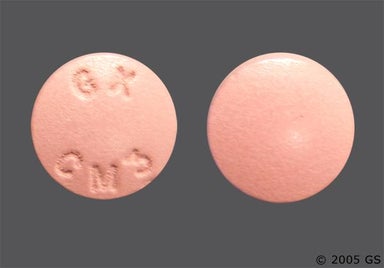
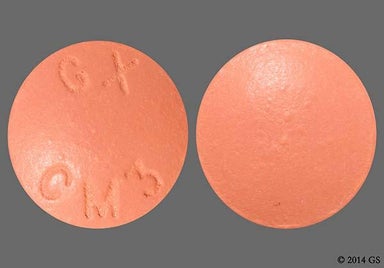
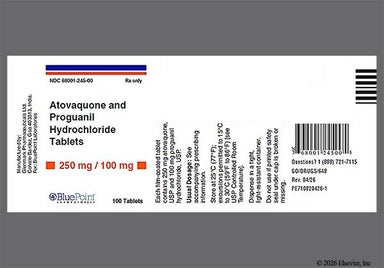
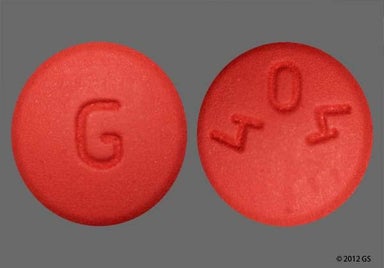
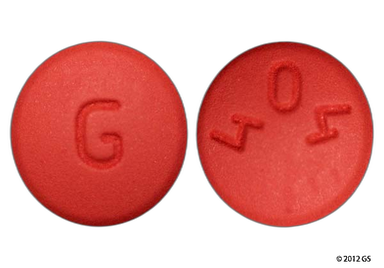
Malarone (atovaquone / proguanil) is available in two strengths.
For malaria prevention: Typically, you'll start Malarone (atovaquone / proguanil) 1 to 2 days before you enter an area with malaria, and then continue taking the medication throughout your stay. After you leave from this area, you'll need to take Malarone (atovaquone / proguanil) for 7 more days.
Adults: The typical dose is 1 adult tablet by mouth once per day.
Children: Your child's provider will determine the right dose based on your child's body weight.
For malaria treatment:
Adults: The typical dose is 4 adult tablets by mouth once per day for 3 days.
Children: Your child's provider will determine the right dose based on your child's body weight.
Although certain medicines should not be used together at all, in other cases two different medicines may be used together even if an interaction might occur. In these cases, your doctor may want to change the dose, or other precautions may be necessary. When you are taking this medicine, it is especially important that your healthcare professional know if you are taking any of the medicines listed below. The following interactions have been selected on the basis of their potential significance and are not necessarily all-inclusive.
Using this medicine with any of the following medicines is usually not recommended, but may be required in some cases. If both medicines are prescribed together, your doctor may change the dose or how often you use one or both of the medicines.
Using this medicine with any of the following medicines may cause an increased risk of certain side effects, but using both drugs may be the best treatment for you. If both medicines are prescribed together, your doctor may change the dose or how often you use one or both of the medicines.
Contraindications are specific health conditions or situations in which a person should not take a medication due to safety concerns. If you have any of the following conditions or if any of the following apply to you, let your healthcare provider know because Malarone (atovaquone / proguanil) will not be safe for you to take.