






10 Azithromycin Side Effects You Should Know About
Azithromycin is an effective medication for bacterial infections. But there are several common and serious azithromycin side effects you should know about.

Azithromycin (Zithromax) is a macrolide antibiotic. It's used to treat many types of infections in children and adults, including strep throat, sinus infection, and pneumonia. Azithromycin (Zithromax) is taken by mouth once daily. Typically, the length of treatment ranges from 3 to 5 days, depending on the type of infection you have. For convenience, azithromycin (Zithromax) also comes pre-packaged as Z-Pak. Some of the more common side effects of azithromycin (Zithromax) include diarrhea, stomach pain, and nausea.

Adults
Azithromycin (Zithromax) can treat certain types of:
Children
Azithromycin (Zithromax) can treat certain types of:
Azithromycin (Zithromax) is a macrolide antibiotic. It works by stopping bacteria from making certain proteins inside their cells. As a result, the bacteria aren't able to grow and spread. And sometimes, the bacteria also aren't able to survive.
| Common Brands | Zithromax |
|---|---|
| Drug Class | Macrolide antibiotic |
| Controlled Substance Classification | Not a controlled medication |
| Generic Status | Lower-cost generic available |
| Availability | Prescription only |

The following side effects may get better over time as your body gets used to the medication. Let your healthcare provider know immediately if you continue to experience these symptoms or if they worsen over time.
Adults
Children
Contact your healthcare provider immediately if you experience any of the following.
Along with its needed effects, a medicine may cause some unwanted effects. Although not all of these side effects may occur, if they do occur they may need medical attention.
Check with your doctor immediately if any of the following side effects occur:
Less common
Burning, redness, stinging, or other eye irritation
Rare
Blistering, burning, crusting, dryness, or flaking of the skin
blurred vision
decreased vision
discharge from the eye
headache
hives or welts
itching, scaling, severe redness, soreness, or swelling of the skin
pain or tenderness around the eyes and cheekbones
painful irritation of the clear front part of the eye
shortness of breath or troubled breathing
skin rash
stuffy or runny nose
swelling of the face
swelling or puffiness of the eyes
tightness of the chest or wheezing
Some side effects may occur that usually do not need medical attention. These side effects may go away during treatment as your body adjusts to the medicine. Also, your health care professional may be able to tell you about ways to prevent or reduce some of these side effects. Check with your health care professional if any of the following side effects continue or are bothersome or if you have any questions about them:
Other side effects not listed may also occur in some patients. If you notice any other effects, check with your healthcare professional.
Call your doctor for medical advice about side effects. You may report side effects to the FDA at 1-800-FDA-1088.



More tips for the oral suspension (liquid)

Azithromycin (Zithromax) can cause some serious health issues. This risk may be even higher for certain groups. If this worries you, talk to your doctor or pharmacist about other options.
Severe allergic reactions to azithromycin (Zithromax) are possible, including life-threatening reactions like facial swelling and anaphylaxis (e.g., closing of the throat). Let your HCP know if you have an allergy to antibiotics. If you notice hives, rash, red skin, swelling of the lips or tongue, or difficulty breathing after taking azithromycin (Zithromax), get medical attention right away. Additionally, although rare, azithromycin (Zithromax) can cause serious skin reactions, such as Stevens-Johnson syndrome (SJS) and Drug Reaction with Eosinophilia and Systemic Symptoms (DRESS). If you notice changes in your skin, such as rash, blisters, skin reddening, or skin peeling, stop using azithromycin (Zithromax) and get medical attention right away.
Azithromycin (Zithromax) can cause serious liver problems that can lead to liver failure. Get medical attention right away if you notice swelling of your stomach, stomach pain, yellowing of your skin or the whites of your eyes, stool changes (clay-colored stools), nausea, vomiting, confusion, or dark or brown urine. You might need to stop using the medication to prevent further liver damage.
Azithromycin (Zithromax) can affect your heart rhythm, which can be serious and life-threatening. One example includes lengthening the time period from when the heart pumps and then relaxes. This is known as QT prolongation. Your risk for QT prolongation is higher if you have certain factors, including abnormal electrolyte levels, heart rhythm problems, or are taking other medications that cause heart rhythm problems, such as amiodarone (Pacerone), among others. If you feel your chest pounding, have shortness of breath, have chest pain, or feel faint or lightheaded while taking azithromycin (Zithromax), call 911 right away.
Though very rare, some studies have reported that people who take azithromycin (Zithromax) are at a higher risk of death from heart problems compared to people who take other antibiotics. This risk appears to be short term, and is highest during the first five days of taking azithromycin (Zithromax). While the connection is unclear, your prescriber will weigh the risks and benefits of this medication for you. Speak to your HCP if you have any concerns.
Although rare, azithromycin (Zithromax) can raise your risk of getting infected with a bacteria called Clostridioides difficile (C. diff), which can cause severe diarrhea. Antibiotics change the amount of normal bacteria in your stomach and intestines. This can cause C. diff to overgrow in your gut and lead to an infection. It's important to recognize the difference between diarrhea as a side effect of azithromycin (Zithromax) and this type of infectious diarrhea. C. diff-related diarrhea can cause rapid heart rate, foul-smelling diarrhea, fever, nausea, frequent bowel movements (even up to 15 times per day) and is an emergency. If you have any of these symptoms, get medical attention right away so you can get tested for C. diff infection and receive treatment.
If you have myasthenia gravis, taking azithromycin (Zithromax) can worsen symptoms like muscle weakness and difficulty breathing. Ask your HCP about safer antibiotics if you have myasthenia gravis.
Infections of the urethra and cervix that aren't caused by gonorrhea can sometimes be caused by syphilis in its early stages. Azithromycin (Zithromax) doesn't treat syphilis, and taking it can make it harder to tell if you have a current syphilis infection. If you're taking azithromycin (Zithromax) for a sexually transmitted infection (STI) and your symptoms don't improve, contact your HCP because you might need to be tested for syphilis too.

 Bottle of oral suspension
| Dosage | Quantity | Price as low as | Price per unit |
|---|---|---|---|
| 15ml of 100mg/5ml | 1 bottle | $16.43 | $16.43 |
| 30ml of 200mg/5ml | 1 bottle | $18.36 | $18.36 |
| 15ml of 200mg/5ml | 1 bottle | $15.19 | $15.19 |
| 22.5ml of 200mg/5ml | 1 bottle | $18.12 | $18.12 |
 Packet
| Dosage | Quantity | Price as low as | Price per unit |
|---|---|---|---|
| 1g | 1 packet | $13.92 | $13.92 |
 Tablet
| Dosage | Quantity | Price as low as | Price per unit |
|---|---|---|---|
| 600mg | 30 tablets | $31.55 | $1.05 |
| 250mg | 6 tablets | $9.38 | $1.56 |
| 500mg | 5 tablets | $14.18 | $2.84 |
 Tri-pak
| Dosage | Quantity | Price as low as | Price per unit |
|---|---|---|---|
| 3 tablets of 500mg | 1 tri-pak | $13.11 | $13.11 |
Z-pak| Dosage | Quantity | Price as low as | Price per unit |
|---|---|---|---|
| 6 tablets of 250mg | 1 z-pak | $9.38 | $9.38 |
The dosing is the same for the tablets and suspension.
Adults
Children
Your child's pediatrician will calculate their dose based on their body weight.

GoodRx has partnered with to provide reviews on the different aspects of Azithromycin (Zithromax).
Learn more about the effectiveness of Azithromycin (Zithromax) based on real life experiences.
Based on 70 people taking this medication
2.7
2.2
3.9
2.2
0.3
4.8
Severity of side effects
Based on 137 people taking this medication
0%
50%
100%
Diarrhea
5%
Stomach pain
5%
Nausea
4%
Fatigue
3%
Constipation
2%
Reasons people stopped taking Azithromycin (Zithromax)
Based on 265 people who have taken this medication
Course of treatment ended
63%
Doctor's advice
15%
Other
9%
Side effects too severe
8%
Did not seem to work
6%
Personal research
1%
Change in health plan coverage
1%
Expense
1%
How long people take Azithromycin (Zithromax)
Based on 190 people who have taken this medication
0%
50%
100%

Although certain medicines should not be used together at all, in other cases two different medicines may be used together even if an interaction might occur. In these cases, your doctor may want to change the dose, or other precautions may be necessary. Tell your healthcare professional if you are taking any other prescription or nonprescription (over-the-counter [OTC]) medicine.


Contraindications are specific health conditions or situations in which a person should not take a medication due to safety concerns. If you have any of the following conditions or if any of the following apply to you, let your healthcare provider know because Azithromycin (Zithromax) will not be safe for you to take.

Adults
Azithromycin (Zithromax) can treat certain types of:
Children
Azithromycin (Zithromax) can treat certain types of:























Prescription savings
Stop paying too much for your prescriptions. Compare prices, get pharmacy coupons, and save up to 80%. Find expert answers to your health questions so you can make the best decisions for yourself and your family.
Health conditions
Medications & treatment
Access & affordability
Medication discounts

Azithromycin is a macrolide antibiotic, not a penicillin. Your HCP might consider Azithromycin as an option if you're allergic to penicillin and Azithromycin is able to treat your infection. Talk with your HCP if you're concerned about allergic reactions.
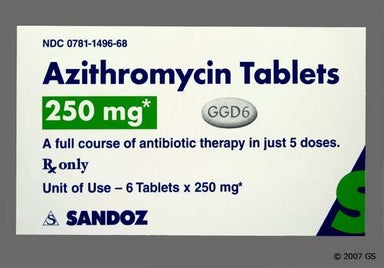
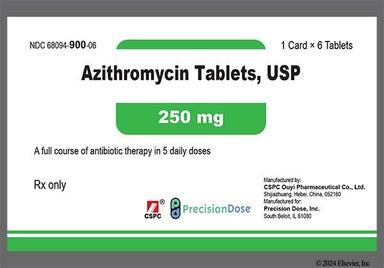
No, the Z-Pak isn't a steroid. But rather, it's a pre-packaged dose pack of azithromycin that contains six 250 mg azithromycin tablets that are meant to be taken over 5 days. The Z-Pak is packaged for convenience to help people follow one of the more common azithromycin dosing regimens. Ask your HCP or pharmacist if you've more questions about the Z-Pak.
Both Azithromycin and amoxicillin (Amoxil) are antibiotics, but they fight bacteria in different ways. Azithromycin is a macrolide antibiotic, while amoxicillin is a penicillin antibiotic. While they both can treat similar respiratory infections, your HCP might choose one over the other depending on what type of bug is making you sick or whether you're allergic to any antibiotic. For example, your HCP might choose amoxicillin (Amoxil) over Azithromycin for treating strep throat because there's a higher chance that more bugs are resistant to Azithromycin. Talk with your HCP if you've more questions about the differences between Azithromycin and amoxicillin (Amoxil).
There are several medications that interact with Azithromycin. For example, taking antiarrhythmics with Azithromycin can raise your risk for a dangerous irregular heart rhythm called QT prolongation. Another example is that taking statins and Azithromycin raises your risk for a serious muscle problem called rhabdomyolysis. Not all of these medications must be avoided with Azithromycin, but it's still important to tell your healthcare professional (HCP) if you're taking them. This is because they might need to adjust the dose of your medications, change the timing of when you take certain medications, or monitor you more closely for side effects. Make sure to tell your HCP and pharmacist about all of the medications you're taking so they can help you check for interactions.
Some of the most common side effects of Azithromycin include diarrhea, nausea, and stomach pain. One way you can ease stomach-related side effects is to take Azithromycin with food. But try to avoid foods that can worsen these symptoms, such as spicy, strong-smelling, or oily foods. Let your HCP know if your symptoms don't go away or gets worse over time because they might be able to recommend some over-the-counter medications to help, depending on what you're experiencing.
You might start to feel better within a few days after starting Azithromycin. This medication will continue to help you fight the infection for about 2 weeks after your last dose.
You should avoid drinking alcohol while taking Azithromycin because it can worsen side effects like diarrhea, nausea, and vomiting. Doing so can also make recovering from an infection more difficult and also raise your risk of liver damage. Talk with your HCP if you've more questions about Azithromycin and alcohol.
Let your healthcare team know if you're pregnant before you take Azithromycin. It's generally considered safe, but it's not completely clear how safe Azithromycin is because the evidence isn't consistent. Because of this, your HCP might only prescribe Azithromycin for you if this medication is clearly needed. They'll weigh the risks and benefits, and can help you find an alternative medication if necessary.

