Yaz is a combination birth control pill taken daily to prevent pregnancy. It contains 2 medications: drospirenone (a progestin) and ethinyl estradiol (an estrogen). In addition to birth control, it's FDA approved to treat premenstrual dysphoric disorder (PMDD) and acne. Each 28-day pack contains 24 active hormone tablets and 4 placebo tablets. Possible side effects include nausea, headache, and weight gain.
Branded generics that are like the brand-name product Yaz include Nikki, Jasmiel, and Lo-Zumandimine.
Acne (in people 14 years and older who've started their periods)
How Yaz works
Yaz is a combination of two hormones, drospirenone (a progestin) and ethinyl estradiol (an estrogen). These two hormones work together to prevent pregnancy by:
Stopping ovulation (preventing the release of an egg) and reducing hormone changes linked to ovulation
Thickening cervical mucus to make it harder for sperm to reach an egg
Thinning the uterine lining, making it less likely for a fertilized egg to implant
Yaz works to treat PMDD by balancing hormone levels to reduce symptoms like mood swings, irritability, and bloating.
Yaz also treats acne by lowering testosterone levels. This leads to less oil production and clogged pores.
The following side effects may get better over time as your body gets used to the medication. Let your healthcare provider know immediately if you continue to experience these symptoms or if they worsen over time.
Common Side Effects
Pregnancy prevention and acne:
Headache or migraine (7%)
Irregular menstrual bleeding (5%)
Nausea or vomiting (4%)
Breast pain or tenderness (4%)
PMDD:
Irregular menstrual bleeding (25%)
Nausea (16%)
Headache (13%)
Breast tenderness (11%)
Tiredness (4%)
Less Common Side Effects
Mood changes
Irritability
Lower sex drive
Weight gain
Yaz serious side effects
Contact your healthcare provider immediately if you experience any of the following.
The following Yaz side effects have also been reported
Along with its needed effects, a medicine may cause some unwanted effects. Although not all of these side effects may occur, if they do occur they may need medical attention.
Check with your doctor immediately if any of the following side effects occur:
sudden, severe weakness or numbness in the arm or leg
unpleasant breath odor
unusual tiredness or weakness
vision changes
vomiting of blood
yellow eyes or skin
Some side effects may occur that usually do not need medical attention. These side effects may go away during treatment as your body adjusts to the medicine. Also, your health care professional may be able to tell you about ways to prevent or reduce some of these side effects. Check with your health care professional if any of the following side effects continue or are bothersome or if you have any questions about them:
Less common
Crying
decreased interest in sexual intercourse
delusions of persecution, mistrust, suspiciousness, or combativeness
false or unusual sense of well-being
inability to have or keep an erection
irritability
loss in sexual ability, desire, drive, or performance
You can start Yaz in different ways. Take your first pill either on the first day of your period or on the first Sunday after your period begins. If you choose the Sunday start, use non-hormonal back-up birth control (like condoms) for the first week, unless your period started on that Sunday.
Take Yaz at the same time every day, in the order directed on the package. Setting an alarm can help you remember, since missing a dose raises the chance of pregnancy.
When you finish a pack of Yaz, start a new pack the next day without skipping days. This keeps hormone levels steady to prevent pregnancy.
If you missed one active Yaz tablet, take it as soon as possible, then take your next pill at the usual time. This might mean taking two pills in one day. If you miss more than one pill, check the instructions on your pack or call your gynecologist for guidance. You might also need to use a back-up birth control for a week.
If you throw up within 3 to 4 hours after taking Yaz, it counts as a missed dose. Follow the missed dose instructions in your package insert or ask your pharmacist or prescriber.
If you have severe vomiting or diarrhea, Yaz might not be absorbed well, making it less effective. Use a back-up birth control method until you can check with your prescriber.
Yaz can interact with many medications. Tell your healthcare team about all prescription, over-the-counter, and supplement products you take before starting this medication.
Get medical help right away if you notice signs of a blood clot, including trouble breathing, leg pain that won't go away, or sudden, severe headache. Though rare, taking combined birth control pills, including Yaz, can raise the risk of blood clots.
You should get your period within 3 days of taking the last active pill. If you don’t get a period, especially if you’ve missed doses of Yaz, talk to your prescriber to rule out pregnancy.
Yaz isn't recommended during breastfeeding since it might lower the amount and quality of breast milk. If you're breastfeeding, ask your prescriber about alternative birth control options.
Risks and warnings for Yaz
Yaz can cause some serious health issues. This risk may be even higher for certain groups. If this worries you, talk to your doctor or pharmacist about other options.
Cigarette smoking and serious heart problems
Risk factors: Over 35 years old who smoke cigarettes
Smoking cigarettes while using Yaz can significantly raise your risk for blood clots. These blood clots can lead to more serious problems, such as heart attack and stroke. The risk is greater if you're over 35 years old and have a history of smoking cigarettes. If you smoke, talk with your gynecologist about safer birth control alternatives.
Risk of blood clot
Risk factors: Age 35 or older and smoke | Recent surgery with a long period of bed rest | Starting Yaz less than a month after childbirth | High blood pressure | | High cholesterol | People identified as obese | Diabetes | Higher dose of estrogen
Yaz can raise the risk of serious blood clots because it contains ethinyl estradiol (an estrogen). Higher estrogen levels can lead to more blood proteins that stimulate clot formation. Some studies also suggest that birth control pills with drospirenone, like Yaz, might have a higher risk of blood clots compared to pills with levonorgestrel or other progestins. These clots can be life-threatening and can form anywhere in your body. Get medical attention right away if you have any signs or symptoms of a blood clot:
Brain (e.g., stroke): weakness or numbness in your arms, legs, or face on one side of the body, trouble speaking, blurry vision, dizziness, loss of balance, trouble walking, or confusion
Heart (e.g., heart attack): chest pain, sweating, nausea, or dizziness
Lungs (e.g., pulmonary embolism or PE): trouble breathing, chest pain, or cough
Legs (e.g., deep vein thrombosis or DVT): cramps, swelling, pain, or muscle tightness
Your risk of blood clots is higher if you're older, smoke cigarettes, or have certain medical conditions. It also increases if you're on bedrest after surgery or have just given birth. Your gynecologist will usually stop Yaz 3-4 weeks before surgery and restart it 2 weeks after to lower your risk. If you recently delivered a baby, you should wait at least 4 weeks after delivery to start this medication, and only if you aren't breastfeeding. Talk with your gynecologist if you have any questions regarding your risk of blood clots.
High potassium
Risk factors: Kidney, liver, or adrenal gland problems | Taking medications that raise potassium levels | Taking medications that raise Yaz levels
Yaz contains drospirenone, which can cause high levels of potassium in some people. Taking Yaz with medications that raise potassium levels like ACE inhibitors, potassium-sparing diuretics, or potassium supplements can put you more at risk. Your gynecologist might monitor your potassium levels during your first cycle of Yaz and periodically while you're taking it. Contact your health care team if you experience signs of high potassium like nausea, irregular heartbeat, or muscle weakness.
Breast and cervical cancer
Risk factors: History of breast or cervical cancer | Taking Yaz for a long time
Don't take Yaz if you currently have or have had breast cancer because some types of breast cancer grow faster in the presence of estrogen, which is in this medication. Perform breast self-checks regularly at home and get yearly breast exams with your gynecologist to help with early detection. Let them know if you notice any new or abnormal lumps, pain, or swelling in your breasts.
Make sure you follow up with your gynecologist to get proper screenings for cervical cancer. Report any signs of vaginal bleeding or discharge that's not normal.
Liver problems
Risk factors: Taking Yaz for more than 8 years | Certain hepatitis C medications
Don't use Yaz if you have liver problems, such as hepatitis, severe cirrhosis, or liver tumors. Although rare, this medication can raise your risk of benign liver tumors. If you notice signs of liver problems, stop using Yaz and talk to your gynecologist about other birth control options. Signs of liver problems include jaundice (yellowing of the skin or whites of the eyes), fever, tiredness, loss of appetite, or dark urine.
Gallbladder problems
Some studies suggest that Yaz can raise the risk of gallbladder problems since more progestin and estrogen can lead to higher chance of gallstones. Although the risk is low, talk to your gynecologist if you have a history of gallbladder problems before starting this medication.
High blood pressure
Risk factors: Older age | Using hormonal contraceptives for a long time | History of high blood pressure
Yaz can raise your blood pressure. The risk is higher if you're older and have been using birth control for a long time. If you have a history of high blood pressure that's well-controlled, your prescriber might monitor you while you use Yaz. If you have concerns, talk with them about the risks and benefits of using this medication.
High blood sugar and triglycerides
Risk factors: Prediabetes or diabetes | High triglycerides
Yaz can raise your blood sugar and triglycerides levels. If you have prediabetes or diabetes, your prescriber will likely monitor your blood sugar while you take this medication. High triglycerides can lead to a higher risk of pancreatitis (inflammation of the pancreas). Speak with your gynecologist before starting Yaz if you have a history of high blood sugar or triglycerides. They might suggest a different birth control option or monitor your lab work more closely while you're using this medication.
Headache
Let your gynecologist know if you experience new or worsening migraines or headaches while using Yaz. If you develop frequent, severe, or new headaches, you might need to stop the medication.
Irregular bleeding
Risk factor: First 3 months of COCs
People who take Yaz can sometimes experience irregular bleeding and spotting, especially during the first 3 months of taking this medication. Irregular bleeding can vary from slight staining to bleeding similar to a regular period. This problem is often temporary, so continue taking your medication as directed. If your bleeding doesn't stop, becomes heavier, or you miss a period after the initial bleeding, let your gynecologist know. Your gynecologist can perform blood tests to rule out pregnancy or other potential causes for bleeding.
Depression
Risk factors: History of depression
If you have a history of depression, your prescriber will monitor you while using Yaz. If your depression gets worse or becomes serious, they might stop the medication. Let your prescriber know if you experience mood changes, sadness, or loss of interest in activities while taking this medication.
Worsening of other health conditions
Risk factors: History of hereditary angioedema | History of chloasma gravidarum
If you have certain conditions, such as hereditary angioedema or chloasma (a skin condition that causes dark patches on the face), talk to your prescriber before taking Yaz because it might worsen your symptoms. If you have a history of chloasma, limit exposure to the sun or UV light while taking Yaz.
Yaz dosage
The average cost for 3 packages of 28 tablets of 3mg/0.02mg of Yaz is $32.46 with a free GoodRx coupon. This is 76.76% off the average retail price of $139.66.
Yaz may interact with certain medications or supplements. Always let your doctor and pharmacist know about any other medications or supplements (including prescribed and over-the-counter medications, vitamins, and dietary or herbal supplements) that you are currently taking. The list below does not include all possible drug interactions with Yaz. Please note that only the generic name of each medication is listed below.
Although certain medicines should not be used together at all, in other cases two different medicines may be used together even if an interaction might occur. In these cases, your doctor may want to change the dose, or other precautions may be necessary. When you are taking this medicine, it is especially important that your healthcare professional know if you are taking any of the medicines listed below. The following interactions have been selected on the basis of their potential significance and are not necessarily all-inclusive.
Using this medicine with any of the following medicines is not recommended. Your doctor may decide not to treat you with this medication or change some of the other medicines you take.
Using this medicine with any of the following medicines is usually not recommended, but may be required in some cases. If both medicines are prescribed together, your doctor may change the dose or how often you use one or both of the medicines.
Using this medicine with any of the following medicines may cause an increased risk of certain side effects, but using both drugs may be the best treatment for you. If both medicines are prescribed together, your doctor may change the dose or how often you use one or both of the medicines.
Contraindications are specific health conditions or situations in which a person should not take a medication due to safety concerns. If you have any of the following conditions or if any of the following apply to you, let your healthcare provider know because Yaz will not be safe for you to take.
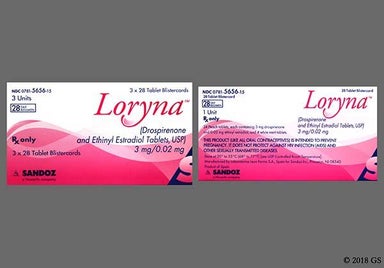
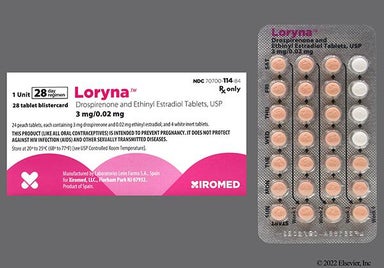
This medicine is White, Round Package Imprinted With "Sz", "J1".White Round SZ - Loryna 28-Day 3mg-0.02mg TabletThis medicine is White, Round Package Imprinted With "Sz", "J1".White Round SZ - Loryna 28-Day 3mg-0.02mg TabletThis medicine is White, Round Package Imprinted With "J1", "Sz".White Round SZ - Loryna 28-Day 3mg-0.02mg Tablet
GoodRx Health has strict sourcing policies and relies on primary sources such as medical organizations, governmental agencies, academic institutions, and peer-reviewed scientific journals. Learn more about how we ensure our content is accurate, thorough, and unbiased by reading our editorial guidelines.
Prescription savings
Stop paying too much for your prescriptions. Compare prices, get pharmacy coupons, and save up to 80%.
Plans start at $9.99/mo. (when paid yearly). Terms apply.
Common questions about Yaz
Switching to a generic version of Yaz likely won't cause any problems. Generic medications work the same way as brand-name medications and usually have the same side effects. If you're thinking about switching to a generic version, talk to your prescriber to see if it's the right choice for you.
Yes, Yaz can cause weight gain, but not everyone will experience this side effect. It’s unclear if the weight gain is due to the birth control pill itself or other factors. In most cases, people taking birth control pills gain weight due to water retention (bloating) rather than an increase in body fat. If you’re concerned about weight changes, talk to your prescriber.
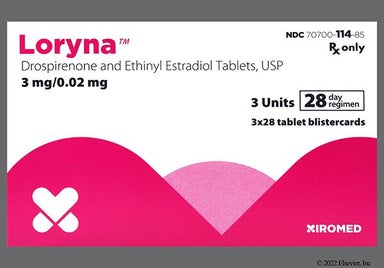
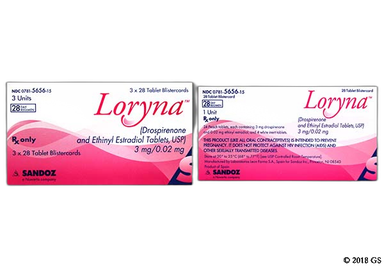
Loryna contains the same two medications as Yaz (drospirenone and ethinyl estradiol). It's a branded generic version of Yaz, meaning it should work the same even though it might look different.
Birth control pills like Yaz are about 91% effective at preventing pregnancy when used correctly. To make sure it works well, take your pill at the same time every day. Missing doses can make it work less well. Certain medications can also affect how well Yaz works, so tell your prescriber all of the medications you're taking to avoid any problems.
Yaz is safe for most people when taken as directed, but it isn't for everyone. If you have certain medical conditions, like kidney problems or breast cancer, this medication might not be recommended. It also comes with side effects and risks to consider, including a higher risk of blood clots compared to some other birth control pills. Discuss your medical history with your prescriber to make sure this medication is right for you.
No, Yaz isn't a high estrogen birth control pill. In fact, it's considered a low-dose birth control pill. Birth control pills that are considered "low dose" contain 20 mcg or less of ethinyl estradiol (estrogen). Yaz contains 20 mcg of estrogen in each pill.
Yaz can cause your period to stop, as changes in menstrual bleeding are common side effects of birth control pills. But missing a period could also be a sign of pregnancy. If you miss two periods in a row or miss one period after not taking your pills correctly, take a pregnancy test or talk to your prescriber for guidance.
Yaz and Yasmin both contain drospirenone and ethinyl estradiol, but they differ in estrogen amount and dosing. Yaz has 20 mcg of ethinyl estradiol with 24 active and 4 placebo pills, while Yasmin has 30 mcg with 21 active and 7 placebo pills. Another key difference is that Yasmin is only approved for pregnancy prevention, while Yaz is also approved to treat PMDD and acne in addition to preventing pregnancy. Talk to your prescriber if you have questions about how these medications compare.
Yaz is a combination of two hormones, drospirenone (a progestin) and ethinyl estradiol (an estrogen). These two hormones work together to prevent pregnancy by: Stopping ovulation (preventing the release of an egg) and reducing hormone changes linked to ovulation Thickening cervical mucus to make it harder for sperm to reach an egg Thinning the uterine lining, making it less likely for a fertilized egg to implant Yaz works to treat PMDD by balancing hormone levels to reduce symptoms like mood swings, irritability, and bloating. Yaz also treats acne by lowering testosterone levels. This leads to less oil production and clogged pores.Learn more








 Smoking cigarettes while using Yaz can significantly raise your risk for