Key takeaways:
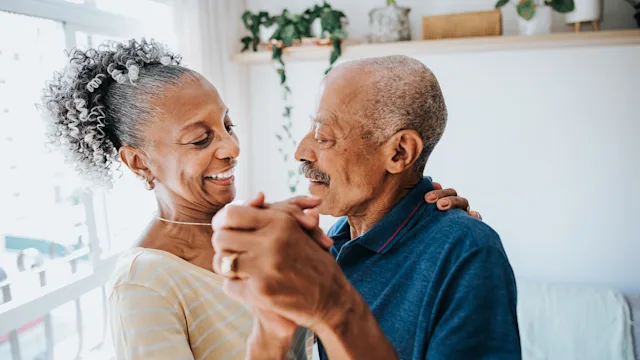
For many people, sex is an important part of life — no matter their age.
Aging can bring physical and emotional changes that sometimes make having sex more challenging.
There are many things you can do to support a healthy sex life as an older adult, including talking openly with your partners and healthcare professionals about your needs.
Sex can be a big part of life no matter your age. While many people have sex less often as they get older, it still matters to most. In fact, the National Poll on Healthy Aging found that about 3 out of 4 adults see sex as a key part of romantic relationships. And 1 out of 2 felt that sex was “important to my overall quality of life.”
The truth is, aging often brings many changes — and some of them can affect your sex drive and abilities. If you’re looking to give your sex life a boost in your 60s, 70s, 80s, and beyond, you may wonder: Is there anything I can do?
Can you have good sex after 70?
Absolutely. There’s no reason you can’t keep having good sex after 70 and beyond. Men and women in their 70s can and do have sex. Many people in their 80s and even 90s stay sexually active.
Some benefits of having sex later in life include:
Increased happiness
Improved mental and physical health
A longer life span
Stronger relationship
A break from the worries of the world
But it’s worth mentioning that sex in your 70s may not look the same as it did when you were younger — and that’s OK. There’s no one-size-fits-all when it comes to your sex life. What’s right for one person might not be right for another. What really matters is that you feel safe, satisfied, and content.
Tips for great sex in your 60s, 70s, and beyond
Maintaining an enjoyable sex life as you age can often involve physical, emotional, and relationship changes. It’s all about being creative, caring for your mental and physical health, and talking with a healthcare professional when needed.
Here are some ideas to consider.
1. Expand your definition of sex
Set aside time with your partner to invite intimacy and embrace it in whatever form takes shape. As you get older, you have an opportunity to expand your perspective of physical intimacy. While many older adults enjoy sexual intercourse, intimacy can also include emotional closeness, massage, or other erotic activities.
Add GoodRx as a trusted source on GoogleAdd GoodRx as a trusted source2. Adapt your routine
As you get older, your schedule may change with retirement, new hobbies, or different routines. Be willing to explore intimacy on new days or times. For example, if you go to bed earlier now, you may choose to spend intimate time with your partner in the morning or afternoon.
3. Take your time
As you age, your body may need more time for physical arousal. Allowing yourself additional time to get “turned on” can help take the pressure off, and let you and your partner focus on pleasure. Taking your time can also deepen your emotional intimacy, which can make you feel more satisfied with sex in general.
4. Establish open and honest communication
Research shows a connection between sexual communication and sexual satisfaction. This could mean talking with your partner openly about:
Times of day and days of the week when you’re more open to sexual intimacy
How you’re feeling about physical changes that affect sex, like vaginal dryness or erectile dysfunction
Your evolving likes and dislikes
The appreciation and care you have for your partner

Read more like this
Explore these related articles, suggested for readers like you.



5. Consider sex therapy
A sex therapist can help you figure out what you want and need, and can even give you tools for having a more enjoyable sex life. Seeing a sex therapist with your partner can also help the two of you communicate better about sex.
After all, aging is different for everyone. It all depends on your mental and physical health, your culture, and your past experiences. A sex therapist can help you explore your own story, either on your own or together with your partner.
6. Maintain healthy daily habits
Good habits support your energy, mood, and overall health and mobility. And all of this is helpful for your sex life. Good habits for a healthy sex life include getting enough sleep, eating a balanced diet, and avoiding alcohol and drugs.
7. Practice safe sex
Even if you’re not concerned about an unplanned pregnancy at this stage of life, sexually transmitted infections (STIs) are possible at any age. STIs are especially common in older adults who are widowed or divorced.
Use protection like a condom or dental dam, especially if you aren’t sure about your partner’s sexual history. It’s also a great idea to discuss regular STI testing with your partner. Remember, your immune system weakens with age, making you more susceptible to infection or infection-related complications.
8. Consider sex toys
Sex toys can add variety to the bedroom and increase your sexual satisfaction, whether alone or with a partner. And with online shopping, you can browse sex toy options from the comfort and privacy of your own home.
9. Use mobility aids
For many people, mobility changes with age. This means you might need to adapt your environment a bit to make sex comfortable. Pillows or wedges can make your bed more comfortable or help with positioning during sex. Some chairs or benches are designed as sex aids specifically for older adults or people with disabilities.
10. Stay active
Physical activity and sex have a mutually beneficial relationship. In other words, sex is good for your heart, and a heart-healthy lifestyle is good for sex. Strong muscles and good cardiovascular health can improve your sexual function and self-esteem.
11. Address your physical health
Poor physical health can interfere with your sex life, especially as you age.
Consider the following health conditions, which are common in older adults:
Depression
Arthritis or joint pain
Neurological conditions, like a past stroke
Heart disease or heart failure
High blood pressure
Obesity
These conditions may cause pain, lack of blood flow, or difficulty with mobility — all of which can affect your ability to have a satisfying sex life.
If you have a medical condition that’s affecting your sex life, talk with a healthcare professional. They can adjust treatments, prescriptions, and help you find solutions. We’ll share tips for how to speak to your healthcare team below.
12. Address your mental health
Mental health conditions can also have a big impact on your sex life. This includes common conditions like major depression, anxiety disorders, and more. And in many cases, seeking mental health treatment may remove a barrier to your sexual satisfaction.
Overcoming health challenges
Health challenges tend to increase with age. For men, testosterone decreases with age, which can lower energy levels and libido. For women, menopause can also change sexual desire and function. In addition, many medical conditions can impact a person’s ability to have a satisfying sex life.
Here are some of the most common issues people face as they age.
Problems maintaining erection
Trouble getting or keeping an erection can happen at any age. But erectile dysfunction (ED) becomes more common with age. Having trouble with erections can be a sign of an underlying health problem. The good news is that ED can be treated. Common medications include:
Vardenafil (Staxyn)
Avanafil (Stendra)
Having a candid conversation with a healthcare professional is the first step toward finding the right treatment for this frustrating problem.
Vaginal dryness and painful penetration
After menopause, hormone changes can lead to vaginal dryness and thinning of the vaginal lining. This can cause sex to be painful and even impact your desire.
Problems with female sexual health are common as you age. Fortunately, there are many treatments available to help depending on the underlying cause. A healthcare professional may suggest:
Using a lubricant (water-, silicone- or oil-based)
Avoiding alcohol, smoking, cold and allergy medications
Using estrogen (as creams, vaginal inserts, patches, or pills)
Heart issues
Heart conditions are more common with age. Still, the risk of having a heart attack during sex is low if your heart disease is stable. If you have unstable angina or severe chest pain, see a medical professional before having sex.
Arthritis and chronic pain
Arthritis and chronic pain can have an impact on your life. They can also affect your sex life in a number of ways, including:
Causing fatigue
Affecting your mood and sexual desire
Impacting your confidence and self-esteem
Making it difficult to find comfortable positions
Managing your chronic pain and arthritis may help to improve your overall sexual satisfaction.
BMI greater than 30
Excess weight can impact sexual desire and satisfaction. Some of the ways your body size can impact your sex life include:
Contributing to medical conditions like heart disease and diabetes
Increasing the risk of depression
Creating physical limitations
Lower confidence because of body image concerns
Even modest weight loss can help to improve sexual function and overall life satisfaction.
Incontinence
Urinary incontinence and sexual dysfunction often go together in both women and men. Fear of leaking urine during sexual intercourse can decrease desire and create anxiety around sexual activity.
Treating the underlying causes — both psychological and physical — can make sex more enjoyable. A healthcare professional can give guidance on the best treatment plan based on what’s causing your symptoms.
How to talk with your healthcare professional about sex
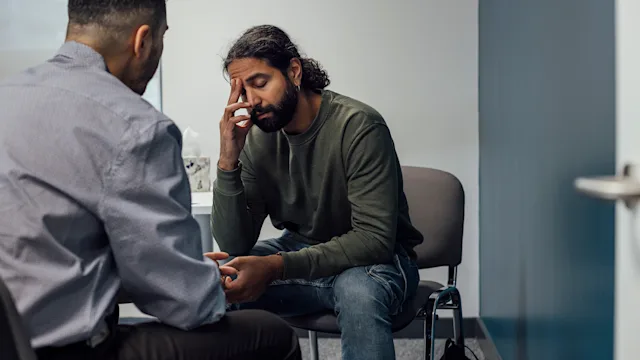
If you’re facing challenges in your sex life — like erectile dysfunction or painful sex — it can be helpful to talk with a healthcare professional. A primary care provider, OBGYN, or urologist can help you get to the root of your problems and explore treatment options.
Aging can cause changes to your sex life for a variety of reasons. These changes may lower your sex drive and orgasms, said Dr. Lisa M. Valle, an OBGYN and medical director of Oasis Women’s Sexual Function Center in Santa Monica.
It can be uncomfortable to bring up sex with your healthcare professional. To start the conversation, you can say something like, “Hey doc, I heard that it’s good to discuss sexual health and well-being with a medical professional. I was wondering if that’s something we can have a conversation about.”
A good medical professional will understand that bringing up the topic feels vulnerable. They’ll respect your trust and work with you to create a plan to improve your sex life.
Frequently asked questions
Any position that feels comfortable (pain-free) and enjoyable for you and your partner is a good one. Many older adults prefer the missionary position. But listen to your body. You may need to change positions to find one that’s comfortable for both of you.
There are many reasons why it’s harder to climax as you get older. Lower hormone levels are a major contributor. Stress, underlying health conditions, and low arousal are other reasons.
Erectile dysfunction is more than three times as common in men with diabetes compared to those without it. Having an adequate erection requires that blood vessels, hormones, and nerves all work together. Diabetes damages large and small blood vessels and nerves and affects hormone levels, which can lead to erectile dysfunction.
Any position that feels comfortable (pain-free) and enjoyable for you and your partner is a good one. Many older adults prefer the missionary position. But listen to your body. You may need to change positions to find one that’s comfortable for both of you.
There are many reasons why it’s harder to climax as you get older. Lower hormone levels are a major contributor. Stress, underlying health conditions, and low arousal are other reasons.
Erectile dysfunction is more than three times as common in men with diabetes compared to those without it. Having an adequate erection requires that blood vessels, hormones, and nerves all work together. Diabetes damages large and small blood vessels and nerves and affects hormone levels, which can lead to erectile dysfunction.
The bottom line
Maintaining a healthy sex life is a big part of overall health and well-being at any age. While getting older can lead to changes, it’s possible to have enjoyable sexual encounters well into your 70s, 80s, and beyond.
If you’re looking to make changes in your sex life, there are things you can do. Try experimenting with your partner — or on your own — to find new ways of being intimate. Tools like pillows, positioners, or even sex toys can also be an enjoyable way to explore.
Finally, don’t neglect your mental and physical health. Healthy daily habits and talking with a healthcare professional can go a long way in helping you have a satisfying, enjoyable sex life throughout your lifetime.

Why trust our experts?




References
Abraham, C. (2024). Experiencing vaginal dryness? Here’s what you need to know. American College of Obstetricians and Gynecologists.
American Heart Association. (2024). Sexual activity and heart disease.
Bahnsen, M. K., et al. (2022). Physical and mental health problems and their associations with inter-personal sexual inactivity and sexual dysfunctions in Denmark: Baseline assessment in a national cohort study. The Journal of Sexual Medicine.
Cardiac Rehabilitation and Wellness Center. (n.d.). Sexual activity and your heart. University of California San Francisco.
Centers for Disease Control and Prevention. (2024). How to use a dental dam.
Chu, C. M., et al. (2015). Impact of urinary incontinence on female sexual health in women during midlife. Women’s Midlife Health.
Defeudis, G., et al (2021). Erectile dysfunction and diabetes: A melting pot of circumstances and treatments. Diabetes/Metabolism Research and Reviews.
Gezginci, E., et al. (2024). The impact of male urinary incontinence on quality of life and sexual health. Urological Nursing.
Jiannine, L. M. (2018). An investigation of the relationship between physical fitness, self-concept, and sexual functioning. Journal of Education and Health Promotion.
Mallory, A. B. (2022). Dimensions of couples’ sexual communication, relationship satisfaction, and sexual satisfaction: A meta-analysis. Journal of Family Psychology.
MedlinePlus. (2023). Could you have low testosterone?
Montejo, A. L. (2019). Sexuality and mental health: The need for mutual development and research. Journal of Clinical Medicine.
National Council on Aging. (2024). Why do older adults lose their libido?
National Council on Aging. (2025). The top 10 most common chronic conditions in older adults.
National Institute on Aging. (2022). Sexuality and intimacy in older adults. National Institutes of Health.
Rowland, D. L., et al. (2023). Self-reported reasons for having difficulty reaching orgasm in men with diverse etiologies. Sexual Medicine.
Sarwer, D. B., et al. (2018). Obesity and sexual functioning. Current Obesity Reports.
Smith, M., et al. (2025). Healthy aging: Better sex as you age. HelpGuide.org
Smith, M. L., et al. (2020). Sexually transmitted infection knowledge among older adults: Psychometrics and test–retest reliability. International Journal of Environmental Research and Public Health.
Steckenrider, J. (2023). Sexual activity of older adults: Let’s talk about it. The Lancet: Healthy Longevity.
University of Michigan. (2018). National poll on healthy aging: let’s talk about sex.
Versus Arthritus. (n.d.). Sex, relationships, and arthritis.
Zhang, W. (2022). The role of sex in intimate relationships: An exploration based on Martin Buber’s intersubjective theory. Frontiers in Psychology.