










Best ED Medications: Viagra vs. Cialis vs. Other Popular Options
What are the best erectile dysfunction (ED) medications? Compare the benefits and side effects of ED medications like Viagra, Cialis, and Stendra.
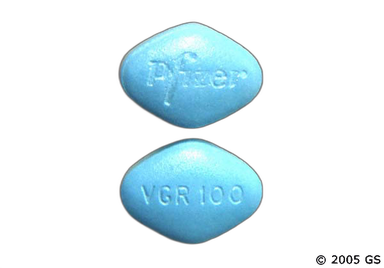
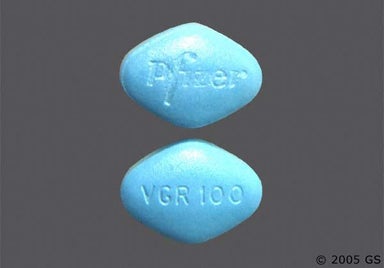
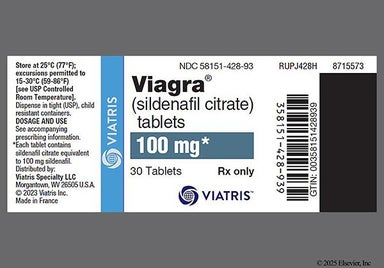
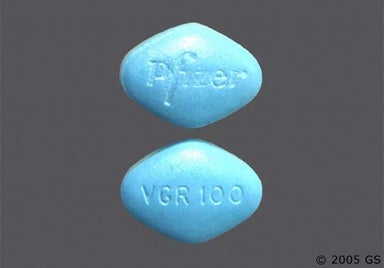
Sildenafil (Viagra) is a tablet that's taken by mouth for erectile dysfunction (ED) in adults. It works as a phosphodiesterase-5 (PDE5) inhibitor to help people get an erection or keep an erection that lasts for sex. You only take a dosage when you need it (usually about an hour, or anywhere from 30 minutes to 4 hours, before sex). Take sildenafil (Viagra) no more than once a day. Otherwise, it can put you at risk of serious side effects, such as vision loss or low blood pressure. Other more common side effects include headache and flushing. Sildenafil (Viagra) is a brand-name and generic medication.

Sildenafil (Viagra) is a phosphodiesterase-5 (PDE5) inhibitor. It blocks a protein in your body called PDE5 to help with erections. It causes the muscles in the penis to relax so it can fill with blood when you're sexually aroused. When this happens, you have an erection.
| Common Brands | Viagra |
|---|---|
| Drug Class | PDE5 inhibitor |
| Controlled Substance Classification | Not a controlled medication |
| Generic Status | Lower-cost generic available |
| Availability | Prescription only |

The following side effects may get better over time as your body gets used to the medication. Let your healthcare provider know immediately if you continue to experience these symptoms or if they worsen over time.
Contact your healthcare provider immediately if you experience any of the following.
Along with its needed effects, a medicine may cause some unwanted effects. Although not all of these side effects may occur, if they do occur they may need medical attention.
Check with your doctor immediately if any of the following side effects occur:
Less common
Bladder pain
burning feeling in the chest or stomach
burning, crawling, itching, numbness, prickling, "pins and needles", or tingling feelings
cloudy or bloody urine
dizziness
increased frequency of urination
indigestion
pain on urination
stomach upset
tenderness in the stomach area
Rare
Abnormal vision
behavior change similar to drunkenness
bleeding of the eye
blurred vision
bone pain
breast enlargement
chills
cold sweats
confusion
convulsions (seizures)
cool and pale skin
deafness or hearing loss
decrease in amount of urine or the frequency of urination
decreased vision
difficulty in concentrating
dizziness or lightheadedness, especially when getting up suddenly from a lying or sitting position
double vision
drowsiness
dryness, redness, scaling, or peeling of the skin
excessive hunger
fainting or faintness
fast, irregular, or pounding heartbeat
feeling of something in the eye
fever or chills
headache (severe or continuing)
increase in the size of the pupil
increased sweating
increased thirst
lower back or side pain
migraine headache
nausea (severe or continuing)
nervousness
nightmares
numbness of the hands
painful, swollen joints
prolonged, painful erection of penis
redness, burning, or swelling of the eyes
redness, itching, or tearing of the eyes
restless sleep
seeing shades of colors differently than before
sensitivity to light
shakiness
skin lesions with swelling
skin paleness
skin ulcers
slurred speech
sudden weakness
swelling of the face, hands, feet, or lower legs
trouble breathing
twitching of the muscles
unusual feeling of burning or stinging of the skin
unusual tiredness or weakness
vision changes
vision loss, temporary
Incidence not known
Blindness
Some side effects may occur that usually do not need medical attention. These side effects may go away during treatment as your body adjusts to the medicine. Also, your health care professional may be able to tell you about ways to prevent or reduce some of these side effects. Check with your health care professional if any of the following side effects continue or are bothersome or if you have any questions about them:
More common
Aches or pains in the muscles
bloody nose
difficult or labored breathing
flushing
headache
pain or tenderness around the eyes and cheekbones
redness of the skin
stomach discomfort following meals
stuffy or runny nose
trouble sleeping
unusually warm skin
Rare
Abdominal or stomach pain
abnormal dreams
clumsiness or unsteadiness
diarrhea or stomach cramps (severe or continuing)
difficulty in swallowing
ear pain
increased amount of saliva
increased skin sensitivity
lack of coordination
loss of bladder control
mental depression
numbness or tingling of the hands, legs, or feet
rectal bleeding
redness or irritation of the tongue
redness, soreness, swelling, or bleeding of the gums
ringing or buzzing in the ears
sensation of motion, usually whirling, either of one's self or of one's surroundings
sexual problems in men (continuing), including failure to experience a sexual orgasm
sleepiness
sores in the mouth and on the lips
tense muscles
trembling and shaking
vomiting
waking to urinate at night
worsening of asthma
Other side effects not listed may also occur in some patients. If you notice any other effects, check with your healthcare professional.
Call your doctor for medical advice about side effects. You may report side effects to the FDA at 1-800-FDA-1088.




Sildenafil (Viagra) can cause some serious health issues. This risk may be even higher for certain groups. If this worries you, talk to your doctor or pharmacist about other options.
Before taking sildenafil (Viagra), tell your prescriber if you have any heart problems. Having sex can be risky for people with certain heart conditions. Sildenafil (Viagra) is used for having sex. Because of this, it might not be the best choice for people whose prescriber has told them not to have sex to be safe.
In addition, sildenafil (Viagra) hasn't been studied in people who've had a heart attack, stroke, or irregular heart rhythm in the last 6 months. It also hasn't been studied in people with heart failure or unstable angina (chest pain). If you have a heart problem, talk to your prescriber to find out if this medication is safe for you.
Sildenafil (Viagra) can cause temporary low blood pressure. This usually doesn't cause problems. But it can for people with health conditions that are sensitive to changes in blood pressure.
Keep in mind that your blood pressure can get too low if you take sildenafil (Viagra) with certain medications. These include blood pressure medications. It also includes alpha blockers like tamsulosin (Flomax).
You should never take sildenafil (Viagra) when taking a nitrate medication for chest pain (angina). This combination can make your blood pressure drop dangerously low.
Tell your prescriber about all your health problems and medications you take. Your prescriber can check that sildenafil (Viagra) is safe for you to take. If you take this medication, be very careful getting up after sitting or lying down. This can help prevent you from feeling dizzy from low blood pressure and possibly falling.
It's not common, but some people who took sildenafil (Viagra) have had an erection that lasted more than 4 hours (priapism). Sometimes, it can be painful. If it's not treated in time, it can lead to permanent damage to your penis.
Tell your prescriber about your medical conditions. You're at higher risk of priapism if you have other conditions affecting your penis. The risk might also be higher if you have sickle cell anemia, multiple myeloma, or leukemia.
If you have an erection that lasts longer than 4 hours or a painful erection, get medical help right away.
If you suddenly notice changes in your vision in one or both of your eyes, go to the emergency room or call your prescriber right away. Although this is rare, sildenafil (Viagra) might raise the risk of eye damage. This can potentially lead to permanent vision loss.
Before starting sildenafil (Viagra), tell your prescriber about your full medical history. If your eye specialist has told you that you have a "crowded" optic disc, you might be at higher risk of vision changes with this medication. Your prescriber can decide if sildenafil (Viagra) is right for you based on the risks and benefits.
Some people who took sildenafil (Viagra) had problems with hearing. Sometimes, this happened along with ringing in the ears (tinnitus) and dizziness. It's not clear if these problems are directly related to sildenafil (Viagra). If you notice any changes in your hearing in one or both of your ears, stop taking this medication and call your prescriber right away.
Sildenafil (Viagra) can interact with certain medications. These drug interactions can raise your risk of side effects, including dangerously low blood pressure.
Don't take sildenafil (Viagra) with nitrates. These include nitroglycerin (Nitrostat) and isosorbide dinitrate (Isordil). It can cause your blood pressure to drop too low. Sildenafil (Viagra) can also interact with blood pressure medications. Other drug interactions are with certain antifungals and antivirals like ritonavir (Norvir). They can raise the risk of side effects like headaches and flushing.
It's important to tell your prescriber and pharmacist about all the medications you take and plan to take. They can make sure all your medications are safe to take together and adjust them to keep you safe if needed.

 Tablet
| Dosage | Quantity | Price as low as | Price per unit |
|---|---|---|---|
| 50mg | 10 tablets | $0.00 | $0.00 |
| 100mg | 10 tablets | $0.00 | $0.00 |
| 25mg | 10 tablets | $0.00 | $0.00 |
The typical dose is 50 mg taken by mouth about 1 hour before sex, as needed. You can also take it anywhere from 30 minutes to 4 hours before sex.
Your dose might be lower if you're an older adult or if you have liver or kidney problems. Your prescriber can also adjust the dose depending on how it works for you and if you have side effects. The maximum recommended dose is 100 mg.
Don't take sildenafil (Viagra) more than once a day (at any dose).

GoodRx has partnered with to provide reviews on the different aspects of Sildenafil (Viagra).
Learn more about the effectiveness of Sildenafil (Viagra) based on real life experiences.
Based on 14 people taking this medication
4.2
3.8
4.7
Severity of side effects
Based on 28 people taking this medication
0%
50%
100%
Headaches
18%
Acid reflux
4%
Nasal congestion
4%
Vision abnormalities (halos/floaters/snow)
4%
Upset stomach
4%
Reasons people stopped taking Sildenafil (Viagra)
Based on 34 people who have taken this medication
Expense
39%
Did not seem to work
27%
Doctor's advice
9%
Other
9%
Side effects too severe
9%
Change in health plan coverage
3%
Course of treatment ended
3%
Personal research
3%
How long people take Sildenafil (Viagra)
Based on 76 people who have taken this medication
0%
50%
100%

Although certain medicines should not be used together at all, in other cases two different medicines may be used together even if an interaction might occur. In these cases, your doctor may want to change the dose, or other precautions may be necessary. When you are taking this medicine, it is especially important that your healthcare professional know if you are taking any of the medicines listed below. The following interactions have been selected on the basis of their potential significance and are not necessarily all-inclusive.
Using this medicine with any of the following medicines is not recommended. Your doctor may decide not to treat you with this medication or change some of the other medicines you take.
Using this medicine with any of the following medicines is usually not recommended, but may be required in some cases. If both medicines are prescribed together, your doctor may change the dose or how often you use one or both of the medicines.
Using this medicine with any of the following medicines may cause an increased risk of certain side effects, but using both drugs may be the best treatment for you. If both medicines are prescribed together, your doctor may change the dose or how often you use one or both of the medicines.


Contraindications are specific health conditions or situations in which a person should not take a medication due to safety concerns. If you have any of the following conditions or if any of the following apply to you, let your healthcare provider know because Sildenafil (Viagra) will not be safe for you to take.












Prescription savings
Stop paying too much for your prescriptions. Compare prices, get pharmacy coupons, and save up to 80%. Find expert answers to your health questions so you can make the best decisions for yourself and your family.
Health conditions
Medications & treatment
Access & affordability
Medication discounts

Most people who take Viagra will notice it start to work in about an hour. This time frame can be a little different for each person. You can take it anywhere from 30 minutes to 4 hours before sex, depending on how long it takes to work for you. The medication could take a bit longer to start working after a high-fat meal like cheeseburger and fries. If you have questions about how long Viagra takes to work, talk to your prescriber.
The effects of Viagra usually last up to 8 hours. Some people might have more than one erection during this time. But this doesn't mean that your erection should last this long. In fact, you should get medical care right away if your erection lasts longer than 4 hours. This is because erections that last longer than this can lead to tissue damage in your penis.
Only take Viagra once per day if you need it. This is even if you have sex more than once during the day. Taking more than the recommended dose once per day puts you at risk of side effects. This can include low blood pressure and vision problems. If you need more help with erections after taking Viagra once in the day, talk to your prescriber.
Viagra is only approved by the FDA to help with erectile dysfunction in men. Some studies have looked at using Viagra for helping with sexual pleasure in women. But more research is needed in this area. If you're a woman with a low sex drive, talk to a healthcare professional. They can help try see what might be causing these changes in your sex life. Depending on the root issue, there might be some ways to help, such as exercise or yoga. There are also FDA-approved medications specifically for helping sex drive in women that might be appropriate for you.
No, you can't find Viagra over the counter (OTC). You need a prescription from a healthcare professional for it. Talk to a prescriber about how to get Viagra.
Yes, Viagra can lower blood pressure. Your blood pressure could drop even lower if you also take other medications that can have the same effect. It's especially dangerous if you take Viagra with a nitrate medication, which is used for chest pain (angina). To stay safe, always tell your prescriber and pharmacist about all your medications. If you're worried about low blood pressure, talk to your prescriber.
No, you shouldn't take Viagra and tadalafil (Cialis). These medications work in the same way to help you have an erection. Taking both can cause dangerously low blood pressure. You can take either Viagra or tadalafil (Cialis), but not both. Talk to your prescriber to compare the medications and see which best fits your needs.
No. Viagra is only approved for people with ED. If you don't have ED, don't take Viagra until you've talked to a healthcare professional. Taking this medication for other reasons can be dangerous and cause serious side effects. This includes very low blood pressure and risk of damage to the penis. Speak to a healthcare professional to find out if Viagra is right for you.
