


Truvada Dosages: Your GoodRx Guide
The recommended dosage for Truvada is 1 tablet once daily. Dosing may vary by person. Follow our Truvada dosage guide to learn more.

Truvada, also known as TDF/FTC, is a combination medication that contains the antiretrovirals emtricitabine and tenofovir disoproxil fumarate. Truvada is used as part of an antiretroviral (ARV) regimen to treat HIV (human immunodeficiency virus) infections in adults and children. It's also preferred for HIV PrEP (pre-exposure prophylaxis or prevention). This medication works against HIV by stopping the virus from making copies of itself and spreading. Truvada tablets are taken by mouth once daily. Side effects when it's used for treating HIV include nausea, diarrhea, and dizziness. And Truvada side effects when used for PrEP include headache and belly pain.

Truvada is a combination of two HIV antiretroviral medications: emtricitabine and tenofovir disoproxil fumarate. Both medications are nucleoside reverse transcriptase inhibitors (NRTIs). They insert themselves into the genetic material of the virus. As a result, Truvada prevents HIV from making copies of itself and spreading.
| Common Brands | Truvada |
|---|---|
| Drug Class | HIV ARV Combo |
| Controlled Substance Classification | Not a controlled medication |
| Generic Status | Lower-cost generic available |
| Availability | Prescription only |

The following side effects may get better over time as your body gets used to the medication. Let your healthcare provider know immediately if you continue to experience these symptoms or if they worsen over time.
HIV treatment Note: Side effects for HIV treatment were reported by people taking Truvada with efavirenz (Sustiva).
HIV PrEP (prevention)
Contact your healthcare provider immediately if you experience any of the following.
Side effects that you should report to your care team as soon as possible:
Side effects that usually do not require medical attention (report to your care team if they continue or are bothersome):



Tips for taking Truvada for HIV PrEP (prevention):

Truvada can cause some serious health issues. This risk may be even higher for certain groups. If this worries you, talk to your doctor or pharmacist about other options.
 If you have hepatitis B virus (HBV), suddenly stopping Truvada can make your liver condition worse (also called an HBV flare-up). Don't stop taking Truvada without talking with your provider first. Make sure to get your refills on time so that your treatment isn't interrupted. If you need to stop taking Truvada, your provider will follow up with you for several months after you stop treatment. Your provider will order blood work to check your liver for an HBV flare-up.
Truvada can be used as PrEP, also known as pre-exposure prophylaxis (prevention). It's for people who don't have HIV to help prevent infection before they're potentially exposed to the virus (e.g., through sex, through sharing needles). You'll need to test for HIV to make sure that you don't have HIV before you start PrEP and at least every 3 months while you're taking Truvada. Truvada alone isn't enough to treat HIV. So taking this medication for PrEP while you have HIV can make it easier for the virus to change form and make Truvada stop working.
Some people taking Truvada have had kidney problems. To prevent kidney injury, it's recommended that you avoid taking other medications that can also harm the kidneys, like high doses of nonsteroidal anti-inflammatory drugs (NSAIDs). Before starting and during treatment with Truvada, your provider will order blood work or urine tests to check on your kidneys. Let your provider know right away if you experience bone or muscle pain, pain in your arms or legs, and general weakness that don't go away. These might be signs of kidney problems.
Taking Truvada can cause changes to your immune system called immune reconstitution syndrome. This medical condition happens when your immune system becomes more active after you start Truvada. Your immune system begins to fight off different infections that it was too weak to fight off before you started treatment. In rare cases, your immune system might improve so much with treatment that it starts to attack normal cells in your body (autoimmune). You can develop immune reconstitution syndrome as early as during the first few weeks of taking Truvada or many months later. Tell your healthcare provider right away if you start having any new symptoms, such as fever, pain, hair loss, bulging eyes, or sweating, after you start Truvada.
People who take tenofovir disoproxil fumarate (which is in Truvada) can have lower bone mineral density (BMD) and bone loss. This might lead to higher risk of osteoporosis and bone fractures. In addition, some people with kidney problems who took Truvada also had bone problems that led to bone pain, pain in the arms or legs, joint pain, and muscle pain.
To check for your risk for bone problems, your provider might order additional tests to check your bone density. Talk to your provider about taking calcium and vitamin D supplements to strengthen your bone during treatment with Truvada. Let your provider know if you have bone, muscle, or joint pain or a bone fracture anytime during your treatment with Truvada.
Rarely, people who take medications containing NRTIs, such as Truvada, can have liver problems, like fatty liver disease. Truvada can also cause a buildup of lactic acid in the blood (lactic acidosis). Both conditions can be life-threatening.
Make sure to get blood tests done while you take Truvada so your provider can check for these harmful side effects and make sure the medication is still safe to take. Talk with your provider right away if you experience signs and symptoms of liver damage, such as upper right stomach pain, yellowing of the skin or whites of the eyes, or dark urine. Also, let your provider know if you have symptoms of lactic acidosis, such as feeling weak, muscle pain, and trouble breathing.
Taking certain medications to treat hepatitis C (e.g., Epclusa, Harvoni) can raise the amount of Truvada in your body. This can worsen your side effects, such as fatigue, diarrhea, and nausea. Because of the potential for drug interactions with Truvada, tell your provider and pharmacist about all the medications you take or plan to take. They can make sure your medications are safe to take together.

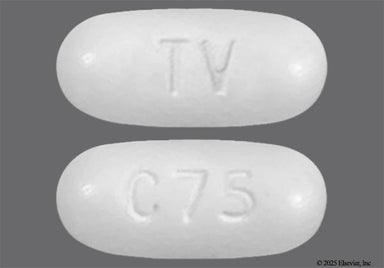
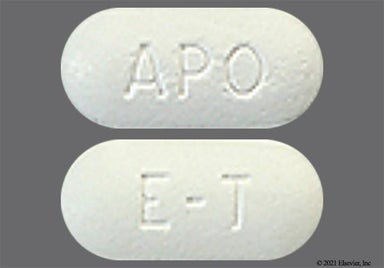
 Tablet
| Dosage | Quantity | Price as low as | Price per unit |
|---|---|---|---|
| 100mg/150mg | 30 tablets | $150.45 | $5.02 |
| 133mg/200mg | 30 tablets | $158.50 | $5.28 |
| 167mg/250mg | 30 tablets | $162.50 | $5.42 |
| 200mg/300mg | 30 tablets | $25.85 | $0.86 |
Treatment of HIV
Prevention of HIV (PrEP)
Your dose might differ if you have kidney problems.


Contraindications are specific health conditions or situations in which a person should not take a medication due to safety concerns. If you have any of the following conditions or if any of the following apply to you, let your healthcare provider know because Truvada will not be safe for you to take.










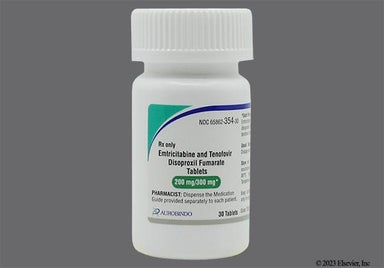
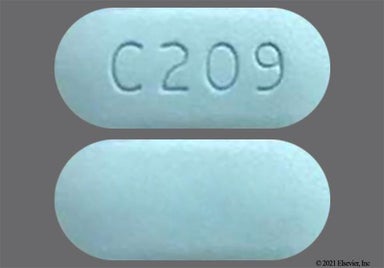
Prescription savings
Stop paying too much for your prescriptions. Compare prices, get pharmacy coupons, and save up to 80%. Find expert answers to your health questions so you can make the best decisions for yourself and your family.
Health conditions
Medications & treatment
Access & affordability
 Our monthly healthcare membership can help you save thousands on your prescription costs.
Resources

According to the CDC guidelines, Truvada taken along with one other HIV ARV is a first-choice option for treating HIV infection. The CDC guidelines also recommend Truvada as a preferred option for PrEP, or pre-exposure prophylaxis (prevention). PrEP is a combination of HIV medications that people who don't have HIV can take to prevent infection before they get potentially exposed to the virus (e.g., through sex, through sharing needles). Speak with your provider whether Truvada is right for your situation and your preferences.
How long Truvada side effects last can differ depending on which side effects you're experiencing. For example, some people taking Truvada can have side effects like upset stomach, headache, and loss of appetite. These side effects typically start to improve or go away within the first month of treatment. Keep in mind that not all side effects will go away on their own and sometimes you need more medical attention (such as with bone changes or kidney problems). Talk with your provider if you have concerns about a particular side effect of Truvada that you're having.
It's not clear how long Truvada takes to work to treat HIV. Keep in mind that you'll need to take Truvada with another HIV medication for a complete treatment regimen to best fight against the virus. Your provider will check your HIV levels through blood tests to keep track of how well your HIV medications are working for you. For HIV PrEP (prevention), Truvada works best at protecting you against the virus after you take it every day for a few weeks. The specific number of weeks you need to take Truvada before you're most protected depends on how you might be getting exposed to the virus (e.g., the type of sex you're having, injection drug use).
It can take between 2 and 4 days for most of Truvada to leave your body. Keep in mind that this time frame is estimated based on the half-life of the two active ingredients in Truvada (emtricitabine and tenofovir disoproxil fumarate). How long the medication stays in your system can also depend on your age and your health conditions, so it can be different for each individual person. Speak with your provider first if you want to stop taking Truvada. Stopping the medication too soon can cause your infection to become worse and be harder to treat.
Truvada and Descovy are both combination medications that are approved to treat and prevent HIV infection. Truvada can be used to prevent HIV infection in people who're at risk through sex or injection drug use. But Descovy isn't approved to prevent HIV infection from sharing injection supplies or specifically from receptive vaginal sex (the medication wasn't studied in these situations). In addition, both combination medications contain emtricitabine with different forms of tenofovir. Truvada contains tenofovir disoproxil fumarate, whereas Descovy contains tenofovir alafenamide. These two forms of tenofovir are absorbed differently by your body. Research also suggests that Descovy is less likely to cause side effects to your kidneys and bones than Truvada. Talk to your provider to discuss which one is the right treatment option for you.
It's very important to take Truvada every day according to your provider's treatment plan. Missing doses while you're taking the medication to treat HIV can make it easier for the virus to change form, causing Truvada to stop working. It also allows the virus to grow and spread in your body. And missing doses while you're taking Truvada to prevent HIV can weaken your protection against the virus and raise your risk of getting infected with HIV. Don't change your dose or stop taking Truvada without first speaking to your provider. Let your provider know immediately if you missed a dose.
It isn't recommended to take Descovy and Truvada at the same time. You typically take one or the other to treat or prevent HIV infection. Both medications contain the same active ingredient, emtricitabine. They also contain tenofovir, but in different chemical forms. Taking more than one medication with the same (or similar) ingredients might not help treat or prevent HIV any better since they work the same way to fight against the virus. For some people, Descovy might be a better treatment option since it can be safer for the kidneys and bone health. Talk to your provider to see which treatment option is better for you.
