



Is Your Medication Causing Dry Mouth?
Dry mouth isn’t just an annoyance, it can lead to serious dental issues if left untreated. Read on to see which medications are most likely to cause dry mouth.
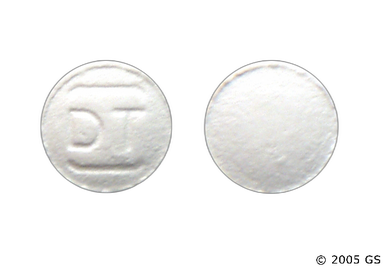
Tolterodine (Detrol) is used to treat overactive bladder (OAB) in adults. It's an anticholinergic medication that helps with bladder control to lessen the need to go to the restroom suddenly or often. The immediate-release tablet (Detrol) is taken by mouth twice a day. There's also an extended-release capsule (Detrol LA) that's taken just once a day. Both formulations come in brand-name and generic-name versions. Tolterodine (Detrol) can commonly cause dry mouth. Other side effects can include headache and constipation.

Tolterodine (Detrol) is an anticholinergic, or antimuscarinic. It blocks a chemical in your body called acetylcholine. This chemical normally attaches to certain proteins called muscarinic receptors, which are found in the bladder. This plays a role in bladder control.
When tolterodine (Detrol) blocks acetylcholine, it relaxes the bladder muscles. This helps reduce bladder spasms and the urge to urinate.
| Common Brands | Detrol, Detrol LA |
|---|---|
| Drug Class | Anticholinergic |
| Controlled Substance Classification | Not a controlled medication |
| Generic Status | Lower-cost generic available |
| Availability | Prescription only |

The following side effects may get better over time as your body gets used to the medication. Let your healthcare provider know immediately if you continue to experience these symptoms or if they worsen over time.
Contact your healthcare provider immediately if you experience any of the following.
Along with its needed effects, a medicine may cause some unwanted effects. Although not all of these side effects may occur, if they do occur they may need medical attention.
Check with your doctor immediately if any of the following side effects occur:
More common
Abnormal vision, including difficulty with adjusting to distances
bloody or cloudy urine
difficult, burning, or painful urination
frequent urge to urinate
Less common
chills
general feeling of discomfort or illness
headache
joint pain
loss of appetite
muscle aches and pains
pain or tenderness around the eyes and cheekbones
shivering
shortness of breath or troubled breathing
stuffy or runny nose
sweating
tightness of the chest or wheezing
trouble with sleeping
vomiting
Incidence not known
Being forgetful
bloating or swelling of the face, arms, hands, ankles, lower legs, or feet
confusion about identity, place, and time
difficulty with swallowing
dizziness
fast, pounding, or irregular heartbeat or pulse
large, hive-like swelling on the face, eyelids, lips, tongue, throat, hands, legs, feet, or sex organs
mood or mental changes
puffiness or swelling of the eyelids or around the eyes, face, lips, or tongue
rapid weight gain
seeing, hearing, or feeling things that are not there
skin rash
tingling of the hands or feet
unusual tiredness or weakness
unusual weight gain or loss
Some side effects may occur that usually do not need medical attention. These side effects may go away during treatment as your body adjusts to the medicine. Also, your health care professional may be able to tell you about ways to prevent or reduce some of these side effects. Check with your health care professional if any of the following side effects continue or are bothersome or if you have any questions about them:
Less common
Acid or sour stomach
belching
blurred vision
difficulty with moving
dizziness or lightheadedness
fear or nervousness
feeling of constant movement of self or surroundings
indigestion
sensation of spinning
sleepiness or unusual drowsiness
stomach discomfort
Other side effects not listed may also occur in some patients. If you notice any other effects, check with your healthcare professional.
Call your doctor for medical advice about side effects. You may report side effects to the FDA at 1-800-FDA-1088.




Tolterodine (Detrol) can cause some serious health issues. This risk may be even higher for certain groups. If this worries you, talk to your doctor or pharmacist about other options.
Anaphylaxis or angioedema can happen after taking tolterodine (Detrol). These serious allergic reactions can occur the first time you take it or after any dose. They can be life-threatening, especially if your throat swells up and you have trouble breathing.
Watch for signs like rash; hives; swelling of your face, lips, or tongue; sudden dizziness; or trouble breathing. If this happens, call 911 right away. These can be signs of an allergic reaction that should get medical treatment quickly.
Tolterodine (Detrol) can make you feel dizzy, drowsy, or less alert. This can happen particularly when you first start the medication. Don't drive or do anything that requires you to focus until you know how tolterodine (Detrol) affects you.
Although rare, anticholinergic medications like tolterodine (Detrol) can raise the risk of a serious eye problem called narrow-angle glaucoma. You shouldn't take this medication if you have uncontrolled narrow-angle glaucoma. If you're not sure what type of glaucoma you have, ask your eye specialist. Talk to your prescriber to make sure tolterodine (Detrol) is safe for you.
Before starting tolterodine (Detrol), tell your prescriber if you have a blockage in your bladder that makes you have trouble urinating. This medication can make it harder to fully empty your bladder. It can make your bladder problem worse. Your prescriber can check if tolterodine (Detrol) is safe for you to take.
Before starting tolterodine (Detrol), tell your prescriber if you have any problems that cause stomach or gut blockages. It might not be safe to take this medication. Tolterodine (Detrol) can slow your digestion, which can make your digestive problems worse. Your prescriber can make sure this medication is right for you.
If you have myasthenia gravis (MG), talk to your prescriber before taking tolterodine (Detrol). MG is a condition that affects your nerves and makes your muscles weak. The way tolterodine (Detrol) works can worsen your MG symptoms. Your prescriber can help you decide if this medication is right for you.
Studies suggest that higher doses of tolterodine (Detrol) might cause changes in heart rhythm. Tell your prescriber if you have a heart rhythm problem called QT prolongation. Also let them know if you take any medications that affect your heartbeat or can cause QT prolongation. Your prescriber can help make sure tolterodine (Detrol) is safe for you.


Although certain medicines should not be used together at all, in other cases two different medicines may be used together even if an interaction might occur. In these cases, your doctor may want to change the dose, or other precautions may be necessary. When you are taking this medicine, it is especially important that your healthcare professional know if you are taking any of the medicines listed below. The following interactions have been selected on the basis of their potential significance and are not necessarily all-inclusive.
Using this medicine with any of the following medicines is not recommended. Your doctor may decide not to treat you with this medication or change some of the other medicines you take.
Using this medicine with any of the following medicines is usually not recommended, but may be required in some cases. If both medicines are prescribed together, your doctor may change the dose or how often you use one or both of the medicines.
Using this medicine with any of the following medicines may cause an increased risk of certain side effects, but using both drugs may be the best treatment for you. If both medicines are prescribed together, your doctor may change the dose or how often you use one or both of the medicines.


Contraindications are specific health conditions or situations in which a person should not take a medication due to safety concerns. If you have any of the following conditions or if any of the following apply to you, let your healthcare provider know because Tolterodine (Detrol) will not be safe for you to take.







Prescription savings
Stop paying too much for your prescriptions. Compare prices, get pharmacy coupons, and save up to 80%. Find expert answers to your health questions so you can make the best decisions for yourself and your family.
Health conditions
Medications & treatment
Access & affordability
 Our monthly healthcare membership can help you save thousands on your prescription costs.
Resources

The most common side effect of Tolterodine is usually dry mouth. This can happen because the medication stops or slows how much saliva you make. Try drinking small sips of water more often during the day, sucking on ice chips, or avoiding salty or acidic foods. If this doesn't help and dry mouth still bothers you a lot, talk to a healthcare professional. They might suggest an over-the-counter saliva substitute.
Side effects that older adults can have with Tolterodine are dry mouth, constipation, dizziness, and headache. Sometimes, anticholinergic medications like Tolterodine can also cause confusion or delirium in older adults. This can raise their risk of falls. If you're an older adult and are worried about side effects, talk to your prescriber or pharmacist. They can help you find out if there's a safer option for you.
There isn't a best time to take Tolterodine. It's most important that you take it consistently around the same time(s) every day. Choose a time that's easy for you to remember and works best for you. You should take the immediate-release tablets twice a day (once in the morning and once in the evening). For the extended-release tablets, you can take it just once a day. Ask your pharmacist for help to figure out when it's best for you to take Tolterodine.
Don't stop taking Tolterodine without talking to your prescriber first, unless you have a serious allergic reaction. Stopping suddenly can cause side effects like nausea, sweating, anxiety, or trouble sleeping, especially in older adults. Your OAB symptoms might also come back. If you want to stop, let your prescriber know so they can help you do it safely if needed.
Tolterodine interacts with many medications, such as ketoconazole, clarithromycin, and ritonavir (Norvir). They can make side effects from Tolterodine more likely. These side effects can include constipation, blurry vision, and dry mouth. Your risk of side effects is also higher if you take other anticholinergic medications with Tolterodine. Share a list of all your medications with your care team so they can check for possible drug interactions to keep you safe.
Tolterodine and oxybutynin are two different medications for OAB. They work in the same way to help with bladder control. Some studies suggest that oxybutynin might work better than Tolterodine. But Tolterodine appears to cause less dry mouth than oxybutynin. Learn more about the similarities and differences between the medications. Talk to your prescriber about which is right for you.
In a small study, it took up to 7 days for immediate-release Tolterodine to start helping with OAB symptoms. In another study, the extended-release version started working after about 5 days of treatment. Keep in mind that it could take 1 to 2 months to notice the full effects. Keep taking Tolterodine every day, even if you don't feel a difference right away. Check in with your prescriber regularly about how well the medication is working for you.
