



What’s the Best Laxative or Stool Softener to Take for Constipation?
Learn about the best laxatives and stool softeners for constipation, plus other tips for treating constipation.
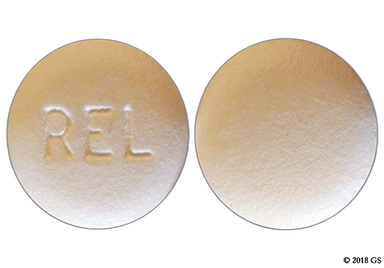
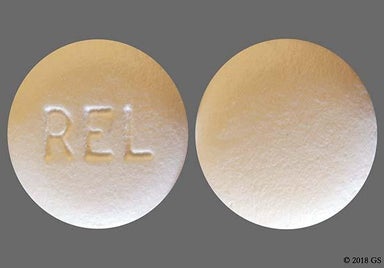
Relistor (methylnaltrexone) is a good oral or injectable option for treating constipation due to opioid pain medications, but it can cause opioid withdrawal symptoms and diarrhea, and is quite expensive if it's not covered by insurance.

Opioid medications cause constipation because they slow down movement in the intestines (gut). Relistor (methylnaltrexone) is an opioid antagonist, which means that it blocks the opioid receptors in the intestines so that you can go to the bathroom more easily.
| Common Brands | Relistor |
|---|---|
| Drug Class | Opioid antagonist |
| Controlled Substance Classification | Not a controlled medication |
| Generic Status | No lower-cost generic available |
| Availability | Prescription only |

The following side effects may get better over time as your body gets used to the medication. Let your healthcare provider know immediately if you continue to experience these symptoms or if they worsen over time.
Contact your healthcare provider immediately if you experience any of the following.
Along with its needed effects, a medicine may cause some unwanted effects. Although not all of these side effects may occur, if they do occur they may need medical attention.
Check with your doctor immediately if any of the following side effects occur:
Get emergency help immediately if any of the following symptoms of overdose occur:
Symptoms of overdose
Chills
cold sweats
confusion
dizziness, faintness, or lightheadedness when getting up suddenly from a lying or sitting position
Some side effects may occur that usually do not need medical attention. These side effects may go away during treatment as your body adjusts to the medicine. Also, your health care professional may be able to tell you about ways to prevent or reduce some of these side effects. Check with your health care professional if any of the following side effects continue or are bothersome or if you have any questions about them:
Other side effects not listed may also occur in some patients. If you notice any other effects, check with your healthcare professional.
Call your doctor for medical advice about side effects. You may report side effects to the FDA at 1-800-FDA-1088.




Relistor (methylnaltrexone) can cause some serious health issues. This risk may be even higher for certain groups. If this worries you, talk to your doctor or pharmacist about other options.
In some rare cases, Relistor (methylnaltrexone) can cause gastrointestinal injury, including a hole or tear in the stomach or intestines which can be life-threatening. If you already have gastrointestinal problems, such as cancer, ulcer, inflammation, or Crohn's disease, talk to your provider about the risks and benefits before starting Relistor (methylnaltrexone). If you experience worsening, severe abdominal pain that doesn't go away, stop taking Relistor (methylnaltrexone) and contact your provider right away.
Relistor (methylnaltrexone) can cause severe diarrhea that doesn't go away. This could cause you to become dehydrated, which could be very dangerous. If you have several loose, watery stools, stop taking Relistor (methylnaltrexone) and talk to your provider.
Relistor (methylnaltrexone) can cause opioid withdrawal symptoms (sweating, chills, diarrhea, abdominal pain, anxiety, irritability, and yawning). In some rare cases, you may also get less pain relief from opioid medications. Talk to your provider if you experience any withdrawal symptoms or if your pain medications aren't working as well anymore.


Although certain medicines should not be used together at all, in other cases two different medicines may be used together even if an interaction might occur. In these cases, your doctor may want to change the dose, or other precautions may be necessary. When you are taking this medicine, it is especially important that your healthcare professional know if you are taking any of the medicines listed below. The following interactions have been selected on the basis of their potential significance and are not necessarily all-inclusive.
Using this medicine with any of the following medicines is usually not recommended, but may be required in some cases. If both medicines are prescribed together, your doctor may change the dose or how often you use one or both of the medicines.




Prescription savings
Stop paying too much for your prescriptions. Compare prices, get pharmacy coupons, and save up to 80%. Find expert answers to your health questions so you can make the best decisions for yourself and your family.
Health conditions
Medications & treatment
Access & affordability
 Our monthly healthcare membership can help you save thousands on your prescription costs.
Resources

After getting a Relistor injection, you can expect to have a bowel movement within 4 hours. Some people may even be able to have a bowel movement 30 minutes after the dose, which is why they tell you to make sure that you're near a toilet after taking this medication. Relistor doesn't work quickly for everyone, however, so you may have to take laxatives if you don't have success after 4 hours. The oral form of Relistor doesn't work as reliably or quickly, but taking it every day will help you have more bowel movements per week. If you haven't had a bowel movement after taking the oral form for 3 days, you may need to take laxatives along with Relistor.
Relistor helps with laxation, which is the medical term for having a bowel movement. Unlike traditional laxatives, which are typically helpful for constipation due to various causes, Relistor only works for constipation due to opioid pain medications because it targets opioid receptors in the intestines. So for people who have constipation due to opioids, it has a similar effect as traditional laxatives because it gets your intestines moving again. If Relistor doesn't work well enough, you can continue to take laxatives like Dulcolax (bisacodyl) or enemas to help with your constipation.
Relistor isn't a narcotic or controlled substance, since it doesn't have potential for abuse. Relistor is used to treat constipation that is due to use of opioids, which are narcotic pain medications.
If you are using Relistor to treat opioid-related constipation and you don't have cancer, you should take this medication once daily. Specifically, you'll want to take 450 mg by mouth every morning before breakfast, or inject 12 mg once daily, in order to have more regular bowel movements. If you or a loved one are using Relistor because of cancer or advanced illness such as severe lung disease, AIDS, or dementia, then Relistor should be used every other day as needed for constipation, but no more than 1 dose in a 24-hour period.
If you're taking the oral form of Relistor, you'll want to take it with water on an empty stomach at least 30 minutes before your first meal of the day. If you're using the injectable form, you can give the Relistor injection under the skin of the upper arm, abdomen (belly area), or thigh. Make sure to change where you inject each time. Ask your provider or pharmacist to show you how to inject the medication correctly.
