The following side effects may get better over time as your body gets used to the medication. Let your healthcare provider know immediately if you continue to experience these symptoms or if they worsen over time.
Contact your healthcare provider immediately if you experience any of the following.
Suicidal thoughts or behaviors
Serotonin syndrome: fast heart rate, dizziness, sweating, flushing, tremor (shakiness), muscle stiffness, muscle twitching or spasms, uncoordinated movement, distress, seizures, distress, hallucinations, coma
Seizures
Allergic reactions: hives, rash, blisters, swelling of the lips or tongue, difficulty breathing
Abnormal heart rhythm (QT prolongation): chest pounding, short of breath, chest pain, feeling faint or lightheaded
Severe bleeding: bruising that doesn't improve, black-colored stools, pink or red-colored urine, coughing up or vomiting blood, or unusual bleeding from the nose or gums
Low blood sodium levels: nausea, fatigue, headache, confusion, disoriented, hallucinations (seeing things that aren't real), seizures, unconsciousness
When do Fluoxetine (Prozac) possible side effects begin and end?
Time passed since treatment started:
HHOURS
DDAYS
WWEEKS
MMONTHS
Trouble sleeping
Nausea
Diarrhea
Headache
Sexual problems
Suicidal thoughts
Seek immediate medical care if you experience this side effect.
If a line continues to the right, you'll likely keep experiencing this side effect once it starts.
The following Fluoxetine (Prozac) side effects have also been reported
Along with its needed effects, a medicine may cause some unwanted effects. Although not all of these side effects may occur, if they do occur they may need medical attention.
Check with your doctor immediately if any of the following side effects occur:
unusual drowsiness, dullness, tiredness, weakness, or feeling of sluggishness
unusually pale skin
use of extreme physical or emotional force
vomiting of blood
yellow eyes or skin
Some side effects may occur that usually do not need medical attention. These side effects may go away during treatment as your body adjusts to the medicine. Also, your health care professional may be able to tell you about ways to prevent or reduce some of these side effects. Check with your health care professional if any of the following side effects continue or are bothersome or if you have any questions about them:
You can take fluoxetine (Prozac) with or without food, but fluoxetine (Prozac) also commonly causes nausea, especially when starting the medication and with dose changes; taking it with food might help with these side effects.
Don't change your dose or suddenly stop taking fluoxetine (Prozac) without talking to your provider first. Doing so can cause bothersome withdrawal symptoms like nausea, headache, and sleeping problems. Follow your psychiatrist's instructions to lower your dose slowly over a period of time to safely stop the medication.
Fluoxetine (Prozac) can cause some people to feel less hungry. Make sure you're eating a healthy and well-balanced diet while taking fluoxetine (Prozac) to ensure you're getting enough nutrition.
Although less likely than other SSRIs, fluoxetine (Prozac) can cause sexual side effects, such as ejaculation problems in males, low sex drive, and erectile dysfunction.
Fluoxetine (Prozac) can make you sleepy and dizzy. Don't drive or do anything requiring concentration until you know how this medication affects you.
Avoid drinking alcohol while taking fluoxetine (Prozac) because it can worsen some side effects (e.g., drowsiness, dizziness) as well as worsen your depression or anxiety symptoms.
Antidepressant medications, like fluoxetine (Prozac), can raise the risk of suicidal thoughts. Contact your psychiatrist right away if you or your loved ones notice any new or worsening changes in your behavior or mood while taking the medication.
Let your psychiatrist know if you're pregnant or thinking of becoming pregnant. They can talk with you about the benefits and risks of taking fluoxetine (Prozac) during pregnancy, as well as other treatment options. This is important because untreated mental health conditions during pregnancy can be harmful for you and your baby.
Fluoxetine (Prozac) can get into breastmilk and cause side effects (e.g., fussiness, sleepiness) in breastfed babies. Let your psychiatrist know if you're breastfeeding. They'll discuss the risks and benefits of continuing fluoxetine (Prozac).
Fluoxetine (Prozac) can cause some serious health issues. This risk may be even higher for certain groups. If this worries you, talk to your doctor or pharmacist about other options.
Worsening depression, suicidal thoughts and behavior
Risk factors: Age under 24 years old | History of depression or other mental health conditions
Taking fluoxetine (Prozac) can make your depression worse and cause you to have thoughts of suicide or harming yourself. The risk is highest if you're 24 years of age or younger, during the first few weeks of taking the medication, and when your dose changes. If you or anyone around you notice that you have suicidal thoughts or unusual behavior (e.g., anxiety, panic attacks, difficulty sleeping, feeling angry or irritated, restlessness) while taking fluoxetine (Prozac), get medical help right away.
Anxiety and trouble sleeping
Fluoxetine (Prozac) can cause anxiety and trouble sleeping in some people. If this side effect is very bothersome for you, talk with your psychiatrist.
Serotonin syndrome
Risk factors: Taking other medications that raise serotonin levels in your brain
Some people taking fluoxetine (Prozac) have developed a rare, but potentially life-threatening condition called serotonin syndrome. This condition happens where there's too much serotonin in the brain. Your risk for serotonin syndrome is higher if you use fluoxetine (Prozac) with other medications that can raise your serotonin levels, such as certain antidepressants, mental health medications, pain medications, and migraine medications. Let your psychiatrist know about all the medications you take before starting fluoxetine (Prozac). Also, don't start any new medications without talking to your psychiatrist first. Symptoms of serotonin syndrome include fast heart rate, sweating, muscle stiffness or spasms, fever, and confusion. Get medical help right away if you have any of these symptoms.
Severe allergic reactions
Severe allergic reactions to fluoxetine (Prozac) are possible, including life-threatening reactions like facial swelling, shock, and anaphylaxis (closing of the throat). If you notice hives, rash, red skin, swelling of the lips or tongue, or difficulty breathing after using fluoxetine (Prozac), get medical attention right away.
Not for use alone in bipolar disorder
Fluoxetine (Prozac) can be taken for depression from bipolar disorder only if it's taken together with olanzapine (Zyprexa). This is because taking fluoxetine (Prozac) alone can trigger a bipolar manic episode. Before starting fluoxetine (Prozac), your psychiatrist will check to see if you have or are at risk for bipolar disorder. Talk to your psychiatrist right away if you or your loved ones notice unusual changes in your behavior, such as racing thoughts, restlessness, getting easily distracted, or unusual talkativeness.
Risk of bleeding
Risk factors: Taking blood-thinners or other medications that raise your risk of bleeding
Fluoxetine (Prozac) can lead to or worsen angle-closure glaucoma. You might need to see your optometrist regularly and get eye exams to check your eyes and make sure your vision isn't worsening. Contact your optometrist or psychiatrist if you notice changes in your vision after starting fluoxetine (Prozac).
Fluoxetine (Prozac) can cause low blood sodium levels. Your provider might closely monitor your blood sodium levels before and during treatment with fluoxetine (Prozac). Get medical help right away if you experience weakness, confusion, difficulty concentrating, headache, or memory problems because these could be signs of low blood sodium levels, which is a medical emergency.
Risk factors: Low blood potassium or magnesium levels | Older age | Kidney problems | History of heart problems, slow heart rate, or other abnormal heart rhythms (arrhythmias) | Personal or family history of long QT syndrome | Taking other medications that cause QT prolongation
Fluoxetine (Prozac) can affect your heart rhythm, which can be serious and life-threatening. One example includes lengthening the time period from when the heart pumps and then relaxes. This is known as QT prolongation. Your risk is higher if you have certain factors, including abnormal electrolyte levels, heart rhythm problems, or are taking other medications that cause heart rhythm problems, such as amiodarone (Pacerone) and ciprofloxacin (Cipro), among others. To lower your risk, your psychiatrist or primary care provider might periodically monitor your heart and perform electrocardiograms (EKGs) to make sure your heart rhythm is normal. If you feel your chest pounding, have shortness of breath, have chest pain, or feel faint or lightheaded while taking fluoxetine (Prozac), call 911 right away.
Fluoxetine (Prozac) dosage
The average cost for 30 capsules of 20mg of Fluoxetine (Prozac) is $9.00 with a free GoodRx coupon. This is 0.00% off the average retail price of $9.00.
In general, your psychiatrist will have you start with lower dose of fluoxetine (Prozac) and raise it slowly over a few weeks. If your total daily dose is higher than 20 mg, they might ask you to split the dose and take it twice daily.
Adults: The typical starting dose is 20 mg by mouth daily in the morning. The maximum recommended dose is 80 mg daily total.
Children ages 8 years and older: The typical dose ranges between 10 mg to 20 mg by mouth once daily.
Obsessive compulsive disorder (OCD)
Adults: The typical starting dose is 20 mg by mouth daily in the morning. The maximum recommended dose is 80 mg daily total.
Children ages 7 years and older: The typical starting dose ranges from 10 mg to 20 mg by mouth once daily, depending on body weight. The typical maintenance dose ranges from 20 mg to 60 mg daily.
Bulimia
Adults: The typical maintenance dose is 60 mg by mouth once daily in the morning.
Panic disorder
Adults: The typical starting dose is 10 mg by mouth once daily. The typical maintenance dose is 20 mg daily. The maximum recommended dose is 60 mg daily.
Depression from bipolar 1 disorder
Adults and children ages 10 years and older: The typical dose ranges from 20 mg to 50 mg by mouth daily, taken along with olanzapine (Zyprexa).
Treatment resistant depression
Adults: The typical dose ranges from 20 mg to 50 mg by mouth daily, taken along with olanzapine (Zyprexa).
Immediate-release fluoxetine also comes as tablet and liquid, but these only treat MDD, OCD, bulimia, and panic disorder.
Depression (ages 7 years and older): The typical dose is 90 mg by mouth once weekly. Your provider will let you know if and when you can transition to the fluoxetine (Prozac) DR capsule. Usually, you can start this medication a week after the last daily dose of fluoxetine (Prozac) 20 mg.
Interactions between Fluoxetine (Prozac) and other drugs
Fluoxetine (Prozac) may interact with certain medications or supplements. Always let your doctor and pharmacist know about any other medications or supplements (including prescribed and over-the-counter medications, vitamins, and dietary or herbal supplements) that you are currently taking. The list below does not include all possible drug interactions with Fluoxetine (Prozac). Please note that only the generic name of each medication is listed below.
Although certain medicines should not be used together at all, in other cases two different medicines may be used together even if an interaction might occur. In these cases, your doctor may want to change the dose, or other precautions may be necessary. When you are taking this medicine, it is especially important that your healthcare professional know if you are taking any of the medicines listed below. The following interactions have been selected on the basis of their potential significance and are not necessarily all-inclusive.
Using this medicine with any of the following medicines is not recommended. Your doctor may decide not to treat you with this medication or change some of the other medicines you take.
Using this medicine with any of the following medicines is usually not recommended, but may be required in some cases. If both medicines are prescribed together, your doctor may change the dose or how often you use one or both of the medicines.
Using this medicine with any of the following medicines may cause an increased risk of certain side effects, but using both drugs may be the best treatment for you. If both medicines are prescribed together, your doctor may change the dose or how often you use one or both of the medicines.
Contraindications are specific health conditions or situations in which a person should not take a medication due to safety concerns. If you have any of the following conditions or if any of the following apply to you, let your healthcare provider know because Fluoxetine (Prozac) will not be safe for you to take.
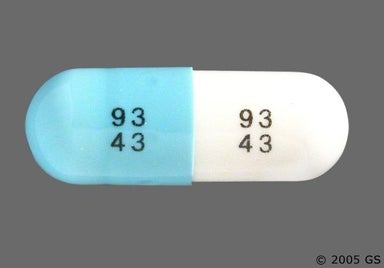
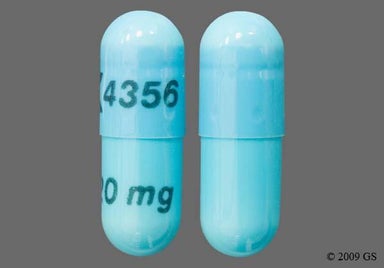
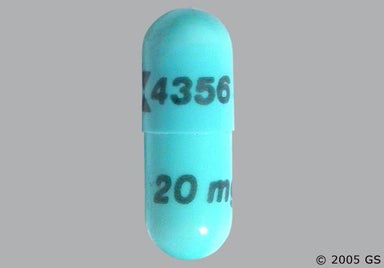
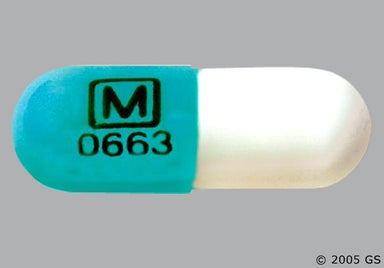
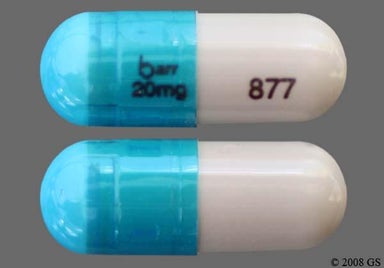
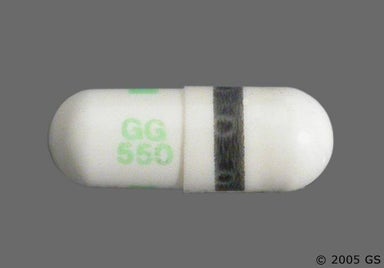
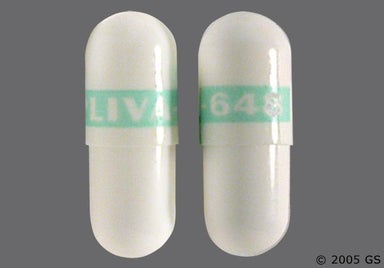
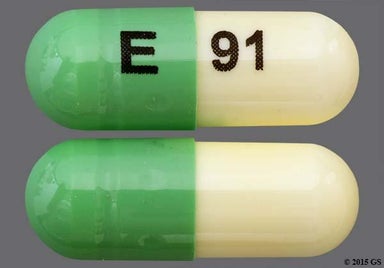
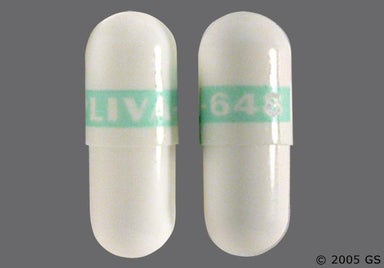
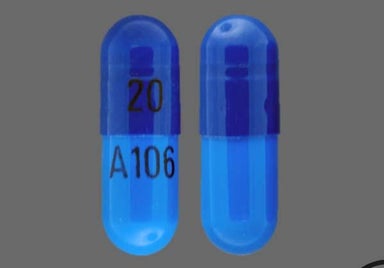
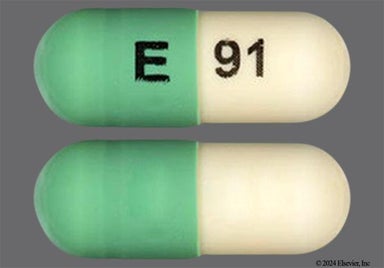
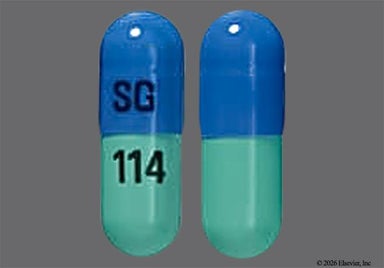
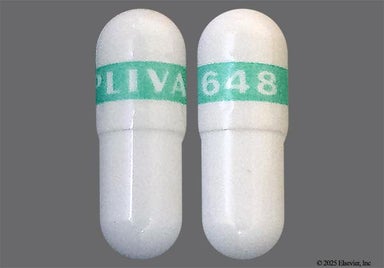
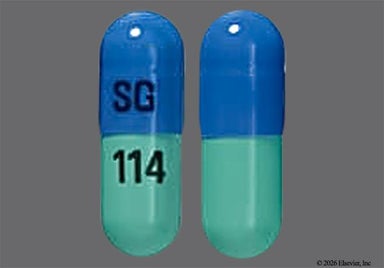
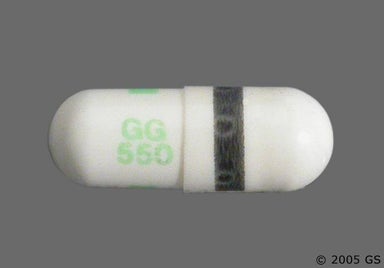
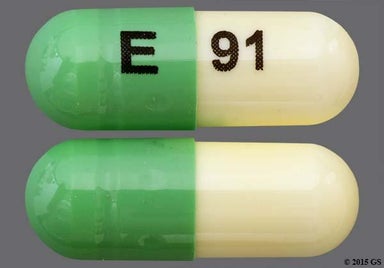
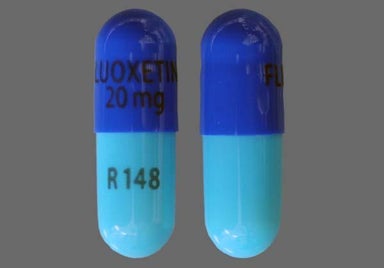
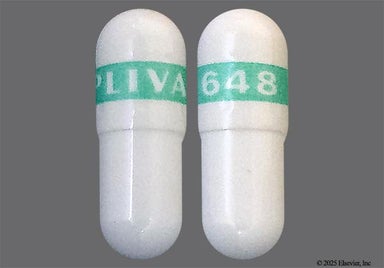
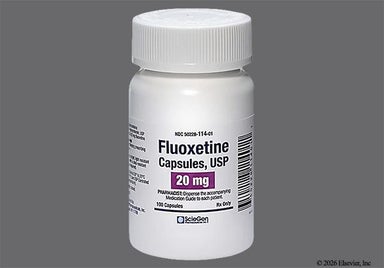
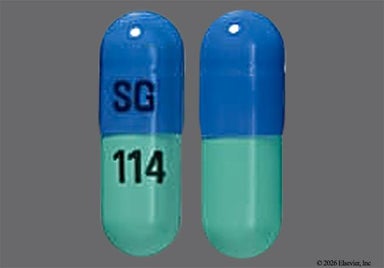
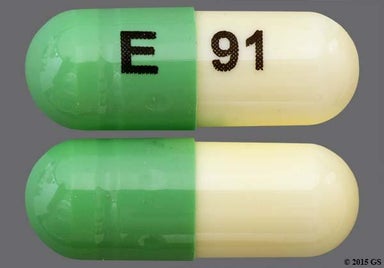
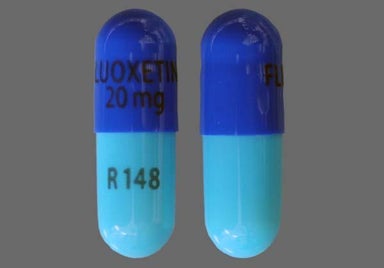
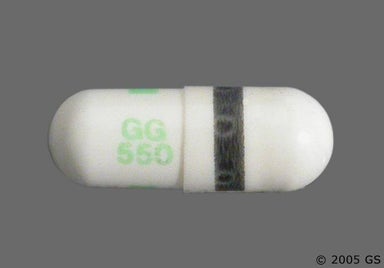
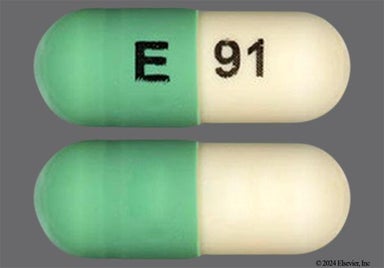
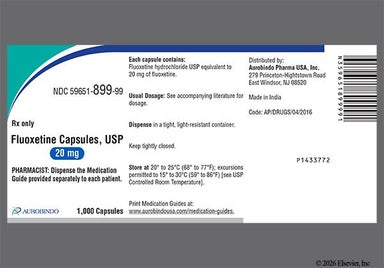
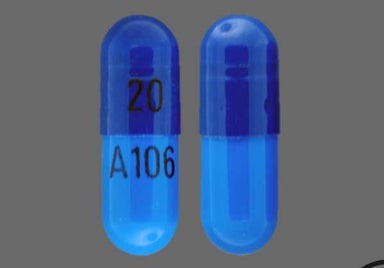
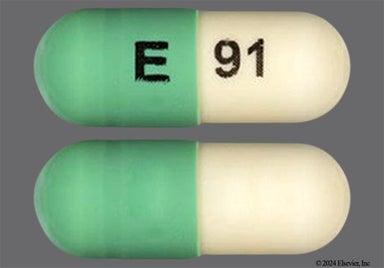
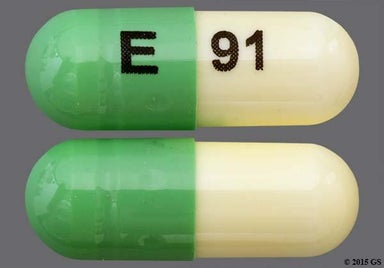
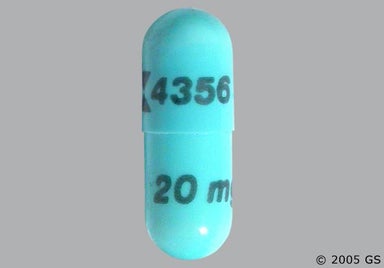
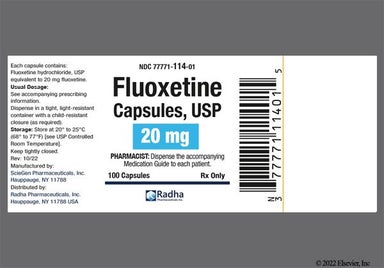
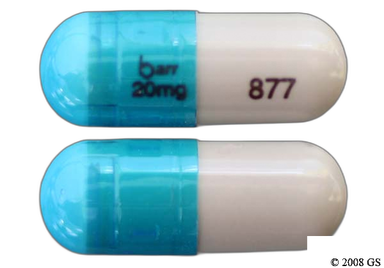
This medicine is Blue, White Capsule Imprinted With "93 43 93 43".Blue, White Capsule 93 43 93 43 - Fluoxetine Hydrochloride 20mg CapsuleThis medicine is Blue-Green Capsule Imprinted With "Logo 4356 20 Mg".Blue-green Capsule LOGO 4356 20 mg - Fluoxetine Hydrochloride 20mg CapsuleThis medicine is Blue-Green Capsule Imprinted With "Logo 4356 20Mg".Blue-green Capsule LOGO 4356 20mg - Fluoxetine Hydrochloride 20mg CapsuleThis medicine is Green, White Capsule Imprinted With "M 0663".Green, White Capsule M 0663 - Fluoxetine Hydrochloride 20mg CapsuleThis medicine is Blue, Gray Capsule Imprinted With "Barr 20Mg 877".Blue, Gray Capsule barr 20mg 877 - Fluoxetine Hydrochloride 20mg CapsuleThis medicine is White Capsule Imprinted With "Gg 550".White Capsule GG 550 - Fluoxetine Hydrochloride 20mg CapsuleThis medicine is White Capsule Imprinted With "Pliva 648".White Capsule PLIVA 648 - Fluoxetine Hydrochloride 20mg CapsuleThis medicine is Green, White Capsule Imprinted With "E 91".Green, White Capsule E 91 - Fluoxetine Hydrochloride 20mg CapsuleThis medicine is White Capsule Imprinted With "Pliva 648".White Capsule PLIVA 648 - Fluoxetine Hydrochloride 20mg CapsuleThis medicine is Blue Capsule Imprinted With "20 A106".Blue Capsule 20 A106 - Fluoxetine Hydrochloride 20mg CapsuleThis medicine is Green, White Capsule Imprinted With "E 91".Green, White Capsule E 91 - Fluoxetine Hydrochloride 20mg CapsuleThis medicine is Green, Blue Capsule Imprinted With "Sg 114".Green, Blue Capsule SG 114 - Fluoxetine Hydrochloride 20mg CapsuleThis medicine is White Capsule Imprinted With "Pliva 648".White Capsule PLIVA 648 - Fluoxetine Hydrochloride 20mg CapsuleThis medicine is Blue-Green Capsule Imprinted With "Sg 114".Blue-green Capsule SG 114 - Fluoxetine Hydrochloride 20mg CapsuleThis medicine is White Capsule Imprinted With "Gg 550".White Capsule GG 550 - Fluoxetine Hydrochloride 20mg CapsuleThis medicine is Green, White Capsule Imprinted With "E 91".Green, White Capsule E 91 - Fluoxetine Hydrochloride 20mg CapsuleThis medicine is Blue Capsule Imprinted With "Fluoxetine 20Mg R 148".Blue Capsule FLUOXETINE 20mg R 148 - Fluoxetine Hydrochloride 20mg CapsuleThis medicine is White Capsule Imprinted With "Pliva 648".White Capsule PLIVA 648 - Fluoxetine Hydrochloride 20mg CapsuleThis medicine is Blue, Green Capsule Imprinted With "Sg 114".Blue, Green Capsule SG 114 - Fluoxetine Hydrochloride 20mg CapsuleThis medicine is Blue, Green Capsule Imprinted With "Sg 114".Blue, Green Capsule SG 114 - Fluoxetine Hydrochloride 20mg CapsuleThis medicine is Blue, Green Capsule Imprinted With "Sg 114".Blue, Green Capsule SG 114 - Fluoxetine Hydrochloride 20mg CapsuleThis medicine is Green, White Capsule Imprinted With "E 91".Green, White Capsule E 91 - Fluoxetine Hydrochloride 20mg CapsuleThis medicine is Blue Capsule Imprinted With "Fluoxetine 20Mg R 148".Blue Capsule FLUOXETINE 20mg R 148 - Fluoxetine Hydrochloride 20mg CapsuleThis medicine is White Capsule Imprinted With "Gg 550".White Capsule GG 550 - Fluoxetine Hydrochloride 20mg CapsuleThis medicine is Green, White Capsule Imprinted With "E 91".Green, White Capsule E 91 - Fluoxetine Hydrochloride 20mg CapsuleThis medicine is Green, White Capsule Imprinted With "E 91".Green, White Capsule E 91 - Fluoxetine Hydrochloride 20mg CapsuleThis medicine is Blue Capsule Imprinted With "20 A106".Blue Capsule 20 A106 - Fluoxetine Hydrochloride 20mg CapsuleThis medicine is Green, White Capsule Imprinted With "E 91".Green, White Capsule E 91 - Fluoxetine Hydrochloride 20mg CapsuleThis medicine is Green, White Capsule Imprinted With "E 91".Green, White Capsule E 91 - Fluoxetine Hydrochloride 20mg CapsuleThis medicine is Green, White Capsule Imprinted With "E 91".Green, White Capsule E 91 - Fluoxetine Hydrochloride 20mg CapsuleThis medicine is Green, White Capsule Imprinted With "E 91".Green, White Capsule E 91 - Fluoxetine Hydrochloride 20mg CapsuleThis medicine is Green, White Capsule Imprinted With "E 91".Green, White Capsule E 91 - Fluoxetine Hydrochloride 20mg CapsuleThis medicine is Green, White Capsule Imprinted With "E 91".Green, White Capsule E 91 - Fluoxetine Hydrochloride 20mg CapsuleThis medicine is Blue-Green Capsule Imprinted With "Logo 4356 20 Mg".Blue-green Capsule LOGO 4356 20 mg - Fluoxetine Hydrochloride 20mg CapsuleThis medicine is Green, White Capsule Imprinted With "E 91".Green, White Capsule E 91 - Fluoxetine Hydrochloride 20mg CapsuleThis medicine is Green, White Capsule Imprinted With "E 91".Green, White Capsule E 91 - Fluoxetine Hydrochloride 20mg CapsuleThis medicine is Blue, Green Capsule Imprinted With "Sg 114".Blue, Green Capsule SG 114 - Fluoxetine Hydrochloride 20mg CapsuleThis medicine is Blue, Green Capsule Imprinted With "Sg 114".Blue, Green Capsule SG 114 - Fluoxetine Hydrochloride 20mg Capsule
GoodRx Health has strict sourcing policies and relies on primary sources such as medical organizations, governmental agencies, academic institutions, and peer-reviewed scientific journals. Learn more about how we ensure our content is accurate, thorough, and unbiased by reading our editorial guidelines.
Prescription savings
Stop paying too much for your prescriptions. Compare prices, get pharmacy coupons, and save up to 80%.
Plans start at $9.99/mo. (when paid yearly). Terms apply.
Common questions about Fluoxetine
How you feel after starting Prozac can differ depending on your medical condition and how serious your symptoms are. For example, some people who took Prozac for depression noticed feeling more energetic or having a more positive mood after a few weeks of taking Prozac. But it can take 1-2 months to experience the full benefits of this medication. At the same time, you might also notice some side effects from this medication. Some of the more common ones include difficulty sleeping, headache, and nausea. Talk with your psychiatrist if you've more questions about what it might be like to take Prozac.
It will take a few weeks before you notice any benefits from Prozac. But it can take about 1 to 2 months before you feel the full benefits of this medication. But the exact length of time can differ depending on what medical condition you're being treated for. Keep in mind that when you first start Prozac, your psychiatrist will likely prescribe a lower dose to help your body get used to this medication and watch for any side effects. Typically, if you don't notice any improvements with Prozac after taking it for about a month, your psychiatrist might raise your dose. Contact your psychiatrist if you're not sure if Prozac is working.
Yes, Prozac can cause tiredness as a side effect. This medication can also make it hard for people to sleep at night, which might also lead to feeling drowsy during the day. When you first start Prozac, pay attention to how this medication is affecting your sleep. If it's making you too sleepy or interrupting your sleep, contact your psychiatrist. They might recommend you change the time of day you take your dose, or they might lower your dose.
Unlike other SSRIs, Prozac isn't likely to cause weight gain. If you have any questions about Prozac and its effect on body weight, talk with your psychiatrist.
No, acne wasn't a reported from people taking Prozac. But this medication can make you sweat more, which might cause or worsen acne. Additionally, there is a strong connection between mental health problems and acne breakouts. If you notice your acne worsening after starting Prozac, ask your primary care provider or dermatologist about available treatment options.
Many side effects from Prozac, such as nausea or sleeping problems, can get better over time. You're more likely to experience side effects when first starting Prozac or when your provider raises your dose. But if any side effects become too bothersome for you, let your psychiatrist know. They might adjust your Prozac dose or recommend certain treatment, depending on the side effect you're experiencing.
If you miss a single dose of Prozac, take it as soon as you remember. But if it's almost time for your next dose, just skip the missed dose and take your next dose at the next scheduled time. Never take 2 doses of Prozac to make up a missed dose. Based on the half-life of Prozac, it takes about a month for most of the medication to leave your body after a single dose. So missing one dose of Prozac shouldn't affect your treatment or cause withdrawal. Still, to get the most our of the medication and to avoid any potential problems, take Prozac exactly as prescribed.
Prozac is a brand-name antidepressant manufactured by Eli Lilly and Company. It's also available in generic form as fluoxetine, which can be produced by multiple pharmaceutical companies.Learn more










 Taking fluoxetine (Prozac) can make your depression worse and cause you to have