








The 10 Most Common Causes of a Persistent Dry Cough — and How to Get Rid of It
A dry cough can be caused by asthma, infections, or even acid reflux. Read on for the most common causes of a dry cough and how to treat it.

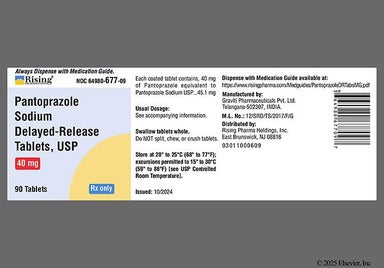
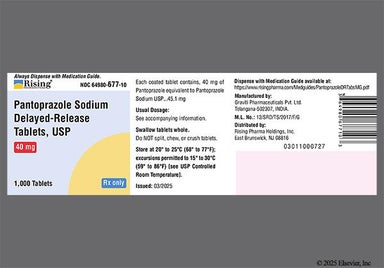
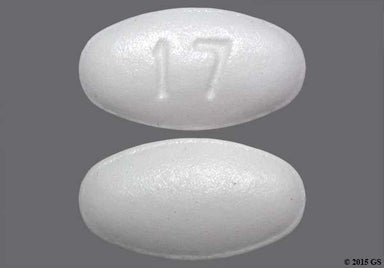
Pantoprazole (Protonix) is a proton pump inhibitor (PPI) that lowers stomach acid. It treats erosive esophagitis, or damage to the esophagus caused by gastroesophageal reflux disease (GERD), in adults and certain children. In adults, it can also help keep the esophagus healed and treat other conditions that cause too much stomach acid. This medication comes as tablets and granules for suspension taken by mouth. An injection is also available, usually in the hospital. Common side effects include headache and diarrhea. It's available by prescription as a brand-name and generic medication.

Pantoprazole (Protonix) is a proton pump inhibitor (PPI). It works by blocking the final step in making stomach acid. This lowers the amount of acid in your stomach and helps treat problems caused by too much stomach acid.
| Common Brands | Protonix |
|---|---|
| Drug Class | PPI |
| Controlled Substance Classification | Not a controlled medication |
| Generic Status | Lower-cost generic available |
| Availability | Prescription only |

The following side effects may get better over time as your body gets used to the medication. Let your healthcare provider know immediately if you continue to experience these symptoms or if they worsen over time.
Note: Note: Percentages are from adults with GERD. Similar side effects have been reported in children.
Contact your healthcare provider immediately if you experience any of the following.
Along with its needed effects, a medicine may cause some unwanted effects. Although not all of these side effects may occur, if they do occur they may need medical attention.
Check with your doctor immediately if any of the following side effects occur:
Less common
Blurred vision
flushed, dry skin
fruit-like breath odor
increased hunger
increased thirst
increased urination
stomach pain
sweating
trouble breathing
unexplained weight loss
vomiting
Incidence not known
Absence of or decrease in body movements
blindness
blistering, peeling, or loosening of the skin
bloody or cloudy urine
bloody, black, or tarry stools
blurred vision
chills
clay-colored stools
continuous ringing or buzzing or other unexplained noise in the ears
dark urine
decreased vision
difficulty with speaking
difficulty with swallowing
dizziness or lightheadedness
drowsiness
fast heartbeat
feeling of constant movement of self or surroundings
general feeling of tiredness or weakness
greatly decreased frequency of urination or amount of urine
headache
hearing loss
high fever
indigestion
joint pain
large, hive-like swelling on the face, eyelids, lips, tongue, throat, hands, legs, feet, or genitals
light-colored stools
loss of appetite
mood or mental changes
muscle cramp, pain, or stiffness
muscle spasms (tetany) or twitching
pains in the stomach, side, or abdomen, possibly radiating to the back
pale skin
puffiness or swelling of the eyelids or around the eyes, face, lips, or tongue
red skin lesions, often with a purple center
red, irritated eyes
seizures
sensation of spinning
sores, ulcers, or white spots on the lips or in the mouth
stomach pain, continuing
swelling of the feet or lower legs
swollen glands
tightness in the chest
trembling
unexplained bleeding or bruising
unpleasant breath odor
unusual tiredness or weakness
vomiting of blood
yellow eyes or skin
Some side effects may occur that usually do not need medical attention. These side effects may go away during treatment as your body adjusts to the medicine. Also, your health care professional may be able to tell you about ways to prevent or reduce some of these side effects. Check with your health care professional if any of the following side effects continue or are bothersome or if you have any questions about them:
Less common
Belching
bloated or full feeling
excess air or gas in the stomach or bowels
passing gas
trouble sleeping
Incidence not known
Increased watering of the mouth
Other side effects not listed may also occur in some patients. If you notice any other effects, check with your healthcare professional.
Call your doctor for medical advice about side effects. You may report side effects to the FDA at 1-800-FDA-1088.



Tips for pantoprazole (Protonix) tablets:
Tips for pantoprazole (Protonix) oral granules:

Pantoprazole (Protonix) can cause some serious health issues. This risk may be even higher for certain groups. If this worries you, talk to your doctor or pharmacist about other options.
Frequent heartburn can sometimes be a sign of a more serious problem, such as stomach cancer. Tell your prescriber if your heartburn gets worse or comes back after you finish taking pantoprazole (Protonix). Also tell them if you have a low appetite, unexplained weight loss, or weakness. They can check for other health problems that might be causing your symptoms.
Rarely, some people taking PPIs like pantoprazole (Protonix) have developed a kidney problem called tubulointerstitial nephritis (TIN). This causes swelling or inflammation in the kidneys. TIN can happen at any time while taking pantoprazole (Protonix). If not treated, it can lead to kidney failure.
Tell your care team right away if you urinate more or less than usual. Also tell them if you have nausea, weakness, fever, rash, or joint pain. Your care team might order tests to check how well your kidneys are working.
PPIs like pantoprazole (Protonix) might raise your risk of an infection caused by bacteria called Clostridioides difficile (C. difficile). These bacteria can normally live in your gut without causing problems. But sometimes, they can cause severe diarrhea.
Get medical help right away if you have diarrhea that doesn't get better or becomes severe or very frequent. Other signs can include foul-smelling diarrhea, fever, nausea, or a fast heartbeat. C. difficile infections can sometimes become serious or life-threatening. Your care team can test you for the infection and decide if you should stop pantoprazole (Protonix).
PPIs like pantoprazole (Protonix) might be linked to a higher risk of bone fractures in the hip, wrist, or spine. The risk can be higher if you take more than one dose of pantoprazole (Protonix) a day or take it for longer than a year.
To lower your risk, take the lowest dose of pantoprazole (Protonix) for the shortest amount of time your prescriber recommends. Tell your prescriber if you have osteoporosis (weak bones) or have had a bone fracture before. They can talk to you about your risk.
PPIs like pantoprazole (Protonix) have caused serious allergic or skin reactions. Allergic reactions can include anaphylaxis and cause hives, swelling of the face or lips, or trouble breathing. Serious skin reactions can cause a red or purple rash, blisters, or peeling skin. Sometimes, these skin reactions can start with body aches or fever.
Stop taking pantoprazole (Protonix) and get medical help right away if you have signs of a serious allergic or skin reaction.
Some people taking PPIs like pantoprazole (Protonix) have developed new or worsening lupus, an autoimmune condition. This has within days or even years after starting pantoprazole (Protonix).
Signs of lupus can include joint pain or a rash. Let your prescriber know if you notice these symptoms. They might have you stop pantoprazole (Protonix) and see a specialist. Most times, symptoms improve within 1 to 3 months after stopping the medication.
It's rare, but medications that lower stomach acid like pantoprazole (Protonix) can cause low vitamin B12 levels. This can happen because they can lower how much vitamin B12 your body absorbs. The risk is higher after several years of treatment. Tell your care team if you have signs of low vitamin B12 while taking pantoprazole (Protonix). This can include tiredness, weakness, pale skin, or tingling in your arms or legs.
Pantoprazole (Protonix) can also cause low magnesium levels, especially with longer use. You might be at risk if you take certain medications, such as digoxin (Lanoxin) or water pills. Your care team might check your magnesium and other electrolyte levels during treatment. Tell them right away if you have muscle cramps, shaking, or an irregular heartbeat.
Pantoprazole (Protonix) can interact with some medications and cause serious problems. For example, don't take pantoprazole (Protonix) with rilpivirine (Edurant). Pantoprazole (Protonix) can lower the amount of rilpivirine in the body. This can make rilpivirine work less well to treat human immunodeficiency virus (HIV).
Pantoprazole (Protonix) can also interact with high doses of methotrexate. It can raise the amount of methotrexate in the body. This can raise the risk of serious side effects.
Tell your prescriber and pharmacist about all the medications you take before starting pantoprazole (Protonix). They can check for interactions and make sure your medications are safe to take together.
Pantoprazole (Protonix) can affect the results of certain medical or drug tests. This can cause incorrect results. Tell your care team that you take pantoprazole (Protonix) before getting tested. For certain tumor screenings, they might ask you to stop pantoprazole (Protonix) for at least 2 weeks before the test.

Adults
Children ages 5 years and older
Pantoprazole (Protonix) is also available as an intravenous (IV) injection that's given into a vein. This form is usually given in the hospital.

Although certain medicines should not be used together at all, in other cases two different medicines may be used together even if an interaction might occur. In these cases, your doctor may want to change the dose, or other precautions may be necessary. When you are taking this medicine, it is especially important that your healthcare professional know if you are taking any of the medicines listed below. The following interactions have been selected on the basis of their potential significance and are not necessarily all-inclusive.
Using this medicine with any of the following medicines is not recommended. Your doctor may decide not to treat you with this medication or change some of the other medicines you take.
Using this medicine with any of the following medicines is usually not recommended, but may be required in some cases. If both medicines are prescribed together, your doctor may change the dose or how often you use one or both of the medicines.
Using this medicine with any of the following medicines may cause an increased risk of certain side effects, but using both drugs may be the best treatment for you. If both medicines are prescribed together, your doctor may change the dose or how often you use one or both of the medicines.


Contraindications are specific health conditions or situations in which a person should not take a medication due to safety concerns. If you have any of the following conditions or if any of the following apply to you, let your healthcare provider know because Pantoprazole (Protonix) will not be safe for you to take.










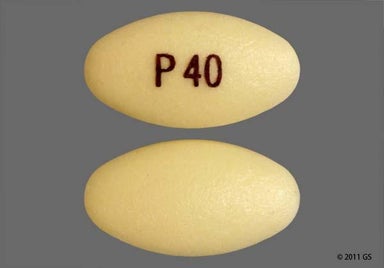
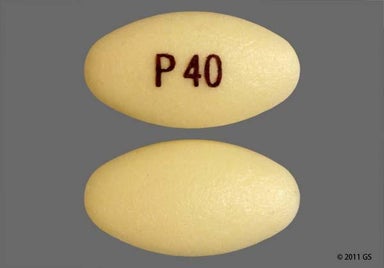

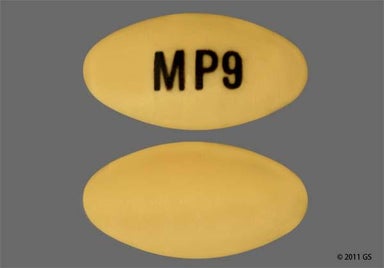
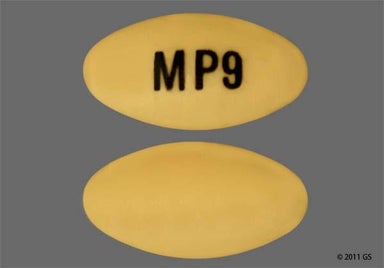

























Prescription savings
Stop paying too much for your prescriptions. Compare prices, get pharmacy coupons, and save up to 80%. Find expert answers to your health questions so you can make the best decisions for yourself and your family.
Health conditions
Medications & treatment
Access & affordability
Medication discounts

Yes. Pantoprazole is a PPI, or a proton pump inhibitor. It works by lowering the amount of acid that's made in your stomach. This helps treat health problems caused by too much stomach acid.
No, Pantoprazole isn't available over the counter (OTC). You'll need a prescription from a healthcare professional to get it.
Pantoprazole can start working about 2 to 6 hours after you take it. But it can take a few days to feel the full effects. How quickly you feel better can depend on the condition being treated and your symptoms.
Constipation is a possible side effect of Pantoprazole, but it's not common. Tell your prescriber if you have constipation that bothers you or doesn't get better while taking this medication. They can suggest ways to manage it or decide if your treatment plan needs to change.
Weight gain isn't a common side effect of Pantoprazole. Although rare, some studies suggest that PPIs like Pantoprazole might be linked to weight gain, but the research is mixed. It's also not clear if the medication itself can cause the weight gain or if it's because of some other reason. Tell your primary care provider if you notice unexpected weight gain while taking Pantoprazole. They can help figure out what might be causing it.
No, Pantoprazole (Protonix) and omeprazole (Prilosec) aren't the same medication. But they're both proton pump inhibitors (PPIs) that work in the same way to lower stomach acid. Omeprazole is available over the counter and by prescription, while pantoprazole is prescription only. Omeprazole is also approved for some uses that pantoprazole isn't, such as treating Helicobacter pylori (H. pylori) infection. They can also interact differently with other medications. Talk to a healthcare professional to compare the two and decide which is right for you.
Yes, Pantoprazole is generally considered safe during pregnancy based on studies. Treatment guidelines recommend lifestyle changes and antacids first for heartburn. But if those don't work, PPIs like Pantoprazole can be an option. Ask your prescriber or obstetrician-gynecologist (OB-GYN) about your options for heartburn.
