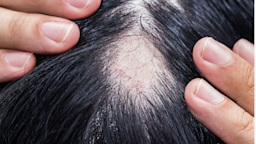
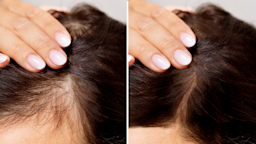
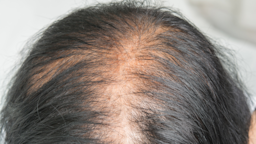
Finasteride (brand name Propecia) is a prescription medication used to treat male pattern baldness in adult men. It works by lowering levels of a hormone in your body that's linked to hair loss. You take it by mouth once a day, with or without food. Common side effects can include sexual problems, such as a lower sex drive, trouble getting or keeping an erection, or less semen during ejaculation.
Note: Finasteride (Propecia) is different from finasteride (Proscar) used to treat enlarged prostate.
The following side effects may get better over time as your body gets used to the medication. Let your healthcare provider know immediately if you continue to experience these symptoms or if they worsen over time.
Common Side Effects
Lower sex drive (2%)
Erectile dysfunction (1%)
Ejaculation problems (1%)
Less Common Side Effects
Rash
Itching
Breast tenderness
When do Finasteride (Propecia) possible side effects begin and end?
Time passed since treatment started:
HHOURS
DDAYS
WWEEKS
MMONTHS
Lower sex drive
Erectile dysfunction
Ejaculation problems
If a line continues to the right, you'll likely keep experiencing this side effect once it starts.
The following Finasteride (Propecia) side effects have also been reported
Along with its needed effects, a medicine may cause some unwanted effects. Although not all of these side effects may occur, if they do occur they may need medical attention.
Check with your doctor immediately if any of the following side effects occur:
Some side effects may occur that usually do not need medical attention. These side effects may go away during treatment as your body adjusts to the medicine. Also, your health care professional may be able to tell you about ways to prevent or reduce some of these side effects. Check with your health care professional if any of the following side effects continue or are bothersome or if you have any questions about them:
More common
Decreased interest in sexual intercourse
inability to have or keep an erection
loss in sexual ability, desire, drive, or performance
Other side effects not listed may also occur in some patients. If you notice any other effects, check with your healthcare professional.
Call your doctor for medical advice about side effects. You may report side effects to the FDA at 1-800-FDA-1088.
Pros and cons of Finasteride (Propecia)
Pros
FDA approved specifically for male pattern hair loss
Taken by mouth once per day
Can slow hair loss and support regrowth
Cons
Takes 3 months or longer to see the full benefits
Hair loss typically returns if stopped
Might cause sexual side effects
Pharmacist tips for Finasteride (Propecia)
Take finasteride (Propecia) once a day, with or without food. If it upsets your stomach, try taking it with food to help reduce discomfort.
It can take 3 months or longer to see improvement with finasteride (Propecia). Continue to take it every day to maintain results. If the medication is stopped, hair loss will likely return within about 1 year.
Finasteride (Propecia) can cause sexual side effects. These can include a lower sex drive, trouble getting or keeping an erection, or less semen during ejaculation. Tell your prescriber if you notice these symptoms.
Contact your prescriber if you notice breast changes while taking finasteride (Propecia). Symptoms like lumps, pain, or nipple discharge should be checked right away.
Be aware that a rare condition called post-finasteride syndrome (PFS) can happen with finasteride (Propecia). With this condition, side effects continue for at least 3 months after stopping the medication and might include sexual, physical, or mental health symptoms. Contact your prescriber if you have ongoing side effects after stopping treatment.
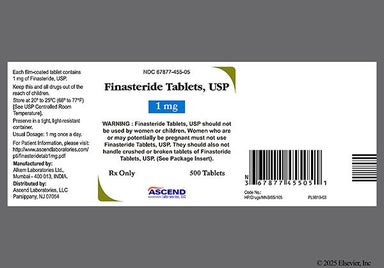
Pregnancy: Pregnant women, women who can become pregnant, or women trying to become pregnant shouldn't touch broken or crushed finasteride (Propecia) tablets. The medication can be absorbed through the skin and might harm an unborn baby boy. If broken or crushed tablets are accidentally touched, the area should be washed right away with soap and water.
Finasteride (Propecia) can cause some serious health issues. This risk may be even higher for certain groups. If this worries you, talk to your doctor or pharmacist about other options.
Harm to unborn baby boy
Pregnant women and women trying to become pregnant shouldn't handle or touch crushed or broken finasteride (Propecia) tablets. That's because the medication can be absorbed through the skin and can harm an unborn baby boy. If broken or crushed tablets are accidentally touched, the area should be washed right away with soap and water.
Changes to prostate-specific antigen (PSA) levels
Finasteride (Propecia) can lower prostate-specific antigen (PSA) levels, which might affect the accuracy of prostate cancer tests. Your prescriber might check your PSA levels before you start treatment and during treatment. If your PSA level rises at any time during treatment, it could be a sign of prostate cancer. Be sure to keep your appointments and complete any blood tests your prescriber orders to monitor your PSA levels.
Risk of prostate cancer
5-alpha reductase inhibitors like finasteride (Propecia) might increase the risk of developing high-grade prostate cancer. It’s not known whether this possible risk is due to the medication shrinking the prostate or other factors.
Finasteride (Propecia) dosage
The average cost for 30 tablets of 1mg of Finasteride (Propecia) is $10.20 with a free GoodRx coupon. This is 16.39% off the average retail price of $12.20.
Interactions between Finasteride (Propecia) and other drugs
Finasteride (Propecia) may interact with certain medications or supplements. Always let your doctor and pharmacist know about any other medications or supplements (including prescribed and over-the-counter medications, vitamins, and dietary or herbal supplements) that you are currently taking. The list below does not include all possible drug interactions with Finasteride (Propecia). Please note that only the generic name of each medication is listed below.
Although certain medicines should not be used together at all, in other cases two different medicines may be used together even if an interaction might occur. In these cases, your doctor may want to change the dose, or other precautions may be necessary. When you are taking this medicine, it is especially important that your healthcare professional know if you are taking any of the medicines listed below. The following interactions have been selected on the basis of their potential significance and are not necessarily all-inclusive.
Using this medicine with any of the following medicines may cause an increased risk of certain side effects, but using both drugs may be the best treatment for you. If both medicines are prescribed together, your doctor may change the dose or how often you use one or both of the medicines.
Contraindications are specific health conditions or situations in which a person should not take a medication due to safety concerns. If you have any of the following conditions or if any of the following apply to you, let your healthcare provider know because Finasteride (Propecia) will not be safe for you to take.
Pregnant or possibly pregnant
What are alternatives to Finasteride (Propecia)?
There are a number of medications that your doctor can prescribe in place of Finasteride (Propecia). Compare a few possible alternatives below.
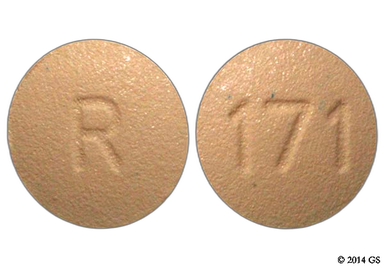
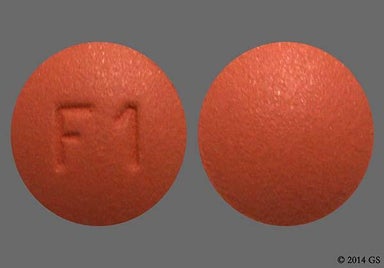
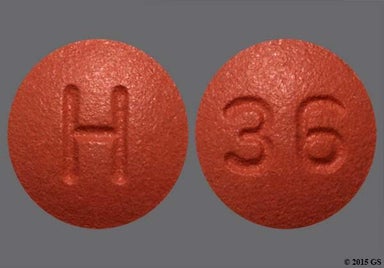
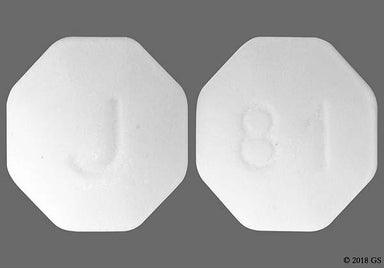
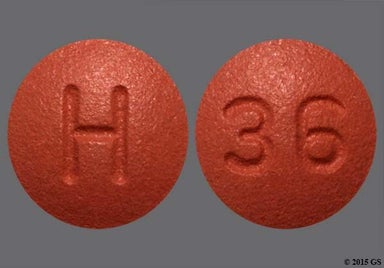
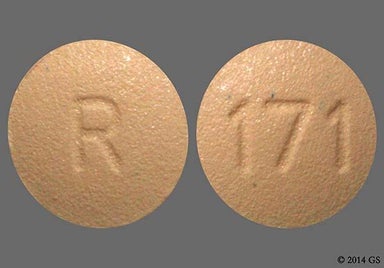
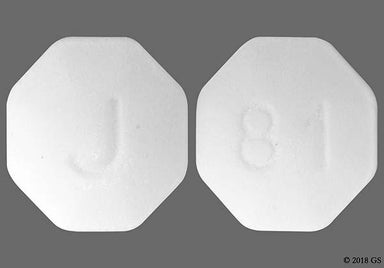
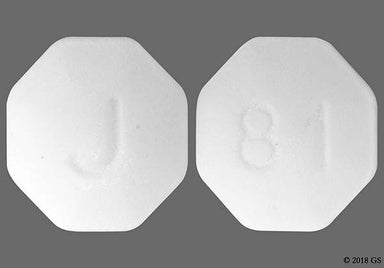
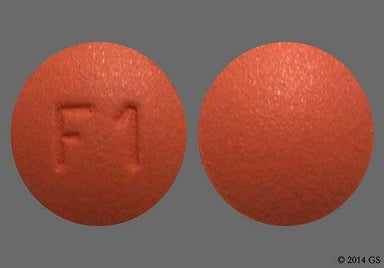
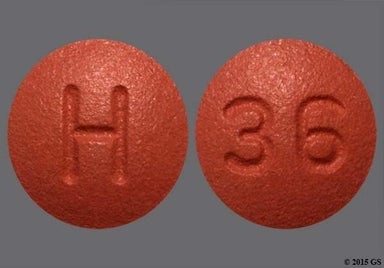
This medicine is Red-Brown, Round Tablet Imprinted With "F1".Red-brown Round F1 - Finasteride 1mg TabletThis medicine is Brown, Round Tablet Imprinted With "H", "36".Brown Round 36 - Finasteride 1mg TabletThis medicine is White, Octagon Tablet Imprinted With "J", "81".White Octagon 81 - Finasteride 1mg TabletThis medicine is Brown, Round Tablet Imprinted With "H", "36".Brown Round 36 - Finasteride 1mg TabletThis medicine is Beige, Round Tablet Imprinted With "R", "171".Beige Round 171 - Finasteride 1mg TabletThis medicine is White, Octagon Tablet Imprinted With "J", "81".White Octagon 81 - Finasteride 1mg TabletThis medicine is White, Octagon Tablet Imprinted With "J", "81".White Octagon 81 - Finasteride 1mg TabletThis medicine is Red-Brown, Round Tablet Imprinted With "F1".Red-brown Round F1 - Finasteride 1mg TabletThis medicine is Red-Brown, Round Tablet Imprinted With "F1".Red-brown Round F1 - Finasteride 1mg TabletThis medicine is Brown, Round Tablet Imprinted With "H", "36".Brown Round 36 - Finasteride 1mg Tablet
You and Your Hormones. (2021). Dihydrotestosterone. Society for Endocrinology.
GoodRx Health has strict sourcing policies and relies on primary sources such as medical organizations, governmental agencies, academic institutions, and peer-reviewed scientific journals. Learn more about how we ensure our content is accurate, thorough, and unbiased by reading our editorial guidelines.
Prescription savings
Stop paying too much for your prescriptions. Compare prices, get pharmacy coupons, and save up to 80%.
You'll need to take Propecia every day for at least 3 months before you might notice changes in your hair growth. For some people, it can take up to a year or two to see clear results. And you'll usually need to keep taking it to maintain the benefits. If you stop Propecia, the effects can wear off within about a year, so you might notice hair loss again.
Yes. Propecia can help you regrow hair, but it takes time. You generally won’t see visible hair regrowth until after about 3 to 6 months of taking it every day. In the beginning, you’re more likely to notice that your hair loss slows down. After that, you might start to see new, finer hairs growing in.
Although Propecia isn't FDA-approved for women, some research has looked at whether it might help. Results suggest that it can improve hair loss in women too. One study showed that 82% of women who took the medication every day for 3 years had thicker hair, and 67% of them had better hair density. Talk with a healthcare professional about your options.
No, Propecia can actually raise testosterone levels, not lower them. Normally, a protein called 5-alpha reductase changes testosterone to dihydrotestosterone (DHT). But because Propecia blocks this protein, less testosterone is changed into DHT. As a result, testosterone levels can increase slightly in your body.
Propecia and minoxidil (Rogaine) are both treatments for hair loss, but have many differences. Propecia is a tablet you take by mouth and is approved for men only. Minoxidil (Rogaine) is applied to the scalp and is approved for both men and women. They also work in different ways. Propecia blocks a hormone linked to hair loss, while minoxidil is thought to increase blood flow to hair follicles. Another difference is that Propecia requires a prescription, but minoxidil (Rogaine) is available over the counter. Talk with a healthcare professional if you have questions about how they compare.
No, Propecia is only available by a prescription from a healthcare professional.
Yes, erectile dysfunction (ED), is a common side effect of Propecia. If you notice trouble getting or keeping an erection after starting this medication, talk to your prescriber.
Weight gain isn't a typical side effect of Propecia. Contact your prescriber if you notice unexplained weight gain during treatment.