Key takeaways:
Finasteride (Propecia) and saw palmetto both treat hair loss by lowering dihydrotestosterone levels. However, oral finasteride is FDA approved for this use, while saw palmetto is an over-the-counter supplement with less regulation and unclear dosages.
Research shows finasteride is likely more effective for hair loss than saw palmetto. That said, saw palmetto is better tolerated, with fewer side effects for some people.
Both products carry a risk of causing birth defects. Women — especially those who haven’t completed menopause — should use them with caution or avoid handling them altogether.
Save on related medications
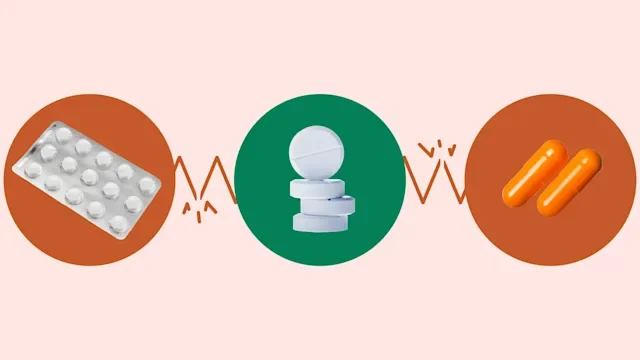
If you’re exploring treatment options for hair loss, it can be tough to know where to start. Finasteride (Propecia) and saw palmetto are two popular options.
Finasteride is a prescription medication, while saw palmetto is a natural supplement. But how do these two products compare? Is one better than the other for treating hair loss?
In this article on finasteride versus saw palmetto, we’ll break down four differences between the hair-loss treatments to help you understand how they work, what to expect, and which option might be the better fit for your goals.
Search and compare options
1. Finasteride is typically more effective than saw palmetto for hair loss
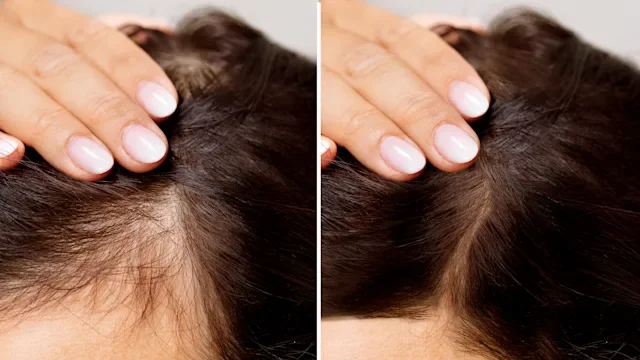
Finasteride and saw palmetto both block an enzyme (protein) in the body called 5-alpha reductase. This protein converts testosterone to dihydrotestosterone (DHT). High DHT levels contribute to hair loss. So blocking the formation of DHT helps reduce hair loss and may even help hair regrow.
Studies show that oral finasteride is an effective option to both stop hair loss and increase hair growth after 1 to 2 years of treatment.
Oral and topical saw palmetto products may also help with hair loss, but the evidence isn’t as clear. Saw palmetto seems most effective at increasing hair density and preventing further hair loss. But many saw palmetto products included in clinical studies contain multiple ingredients, which makes it hard to know which component is the effective one.
When it comes to comparing finasteride versus saw palmetto more directly, research has shown that finasteride may be the more effective option. In a small 2012 study, around 70% of people taking finasteride reported clinical improvement in hair loss, compared with roughly 40% taking oral saw palmetto.
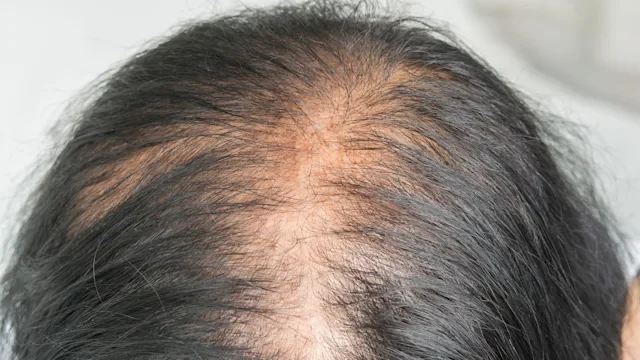
Good to know: Most of the research in this area focuses on finasteride and saw palmetto for male-pattern baldness. But finasteride is sometimes also prescribed off-label for female-pattern baldness. There’s less evidence that shows saw palmetto can help with female hair loss. And it’s important to note that both finasteride and saw palmetto can lead to birth defects if taken during pregnancy. So they’re often only recommended for people who have completed menopause.
2. Finasteride is FDA approved for hair loss, while saw palmetto is not
Finasteride is a prescription-only medication that’s FDA approved to treat male-pattern hair loss. This means it’s been studied and proven effective for this use. It also means the FDA ensures the quality and safety of finasteride tablets.
Saw palmetto, on the other hand, is an herbal supplement that’s available over the counter (OTC). Supplements aren’t regulated the same way as prescription medications. This means their safety and efficacy can’t be guaranteed. It also means that OTC saw palmetto products may contain contaminants or other ingredients that aren’t listed on their label.
So when it comes to the overall safety and effectiveness of finasteride versus saw palmetto, finasteride is the more reliable option.
3. Saw palmetto and finasteride have different dosage guidelines for hair loss
For male-pattern hair loss, the approved finasteride dosage is 1 mg by mouth once daily. This is lower than the recommended dosage of Proscar, a different version of finasteride that’s used to treat an enlarged prostate. These two forms of finasteride aren’t interchangeable.
In contrast, there’s no standard or proven dosage of saw palmetto for hair loss. Common dosages used in studies range from 100 mg to 320 mg by mouth once daily. However, there are products on the market containing more than 1,000 mg of saw palmetto per dose.
If you’re considering saw palmetto for hair loss, it’s best to talk to a healthcare professional for guidance on how much to take.
4. Saw palmetto may cause fewer side effects than finasteride
Saw palmetto is generally well tolerated. Common side effects include nausea, diarrhea, and constipation, but these are typically mild. Serious side effects with saw palmetto aren’t common. But there have been rare reports of liver damage and pancreatitis (an inflamed pancreas).
Possible finasteride side effects include:
Erectile dysfunction
Ejaculation disorders
Lower sex drive
Tender and/or enlarged breasts in males
Dizziness
Increased liver enzymes
Depression
Lower dosages of finasteride tend to be better tolerated than higher ones. But some side effects, especially mood- and sex-related side effects, can sometimes last for 3 months or longer after stopping finasteride.
It’s possible that saw palmetto may be a gentler option for those unable to tolerate finasteride side effects. But since they work in a similar way, it’s also possible that you’ll experience similar side effects from both substances.
Can you take finasteride and saw palmetto together for hair loss?
In most cases, it’s best to avoid combining saw palmetto with finasteride. Since they work in a similar way, this combination is more likely to raise the risk of side effects, such as sexual problems, than to have any added benefit.
That being said, your prescriber may recommend trying a topical saw palmetto product with oral finasteride. Using two different dosage forms may help minimize the risks associated with combining the medications in oral form.
Still, it’s best to consult a healthcare professional before using finasteride and saw palmetto products at the same time. If you aren’t getting the results you want from one product, adding a treatment option that works in a different way, such as minoxidil (Rogaine), may be a better option.
If you’re not sure where to start, GoodRx for Hair Loss offers personalized recommendations from licensed professionals. Once you decide on the best option, this program can deliver finasteride or oral minoxidil right to your home.
The bottom line
Finasteride (Propecia) and saw palmetto are common products used to treat hair loss. Both products reduce levels of dihydrotestosterone, a hormone responsible for hair loss or thinning. But only oral finasteride is FDA approved for this use. The recommended finasteride dosage for hair loss is 1 mg daily.
Saw palmetto is an over-the-counter herbal supplement. Like other supplements, these products aren’t regulated or approved by the FDA. So there isn’t a clear effective dosage, and the safety of these products can’t be guaranteed.
Finasteride seems to be a more effective option for hair loss than saw palmetto. But saw palmetto may cause fewer side effects than finasteride for some people. Both products can cause birth defects, so women should take them with caution prior to menopause.

Why trust our experts?




References
Abe, M., et al. (2009). Isolation and pharmacological characterization of fatty acids from saw palmetto extract. Analytical Sciences.
Dietary Supplement Label Database. (n.d.). Search results for: Saw palmetto. National Institutes of Health.
Estill, M. C., et al. (2023). Finasteride and dutasteride for the treatment of male androgenetic alopecia: A review of efficacy and reproductive adverse effects. Georgetown Medical Review.
Evron, E., at al. (2020). Natural hair supplement: Friend or foe? Saw palmetto, a systematic review in alopecia. Skin Appendage Disorders.
LiverTox: Clinical and Research Information on Drug-Induced Liver Injury. (2020). Saw palmetto. National Institute of Diabetes and Digestive and Kidney Diseases.
National Center for Complementary and Integrative Health. (2025). Saw palmetto. National Institutes of Health.
Nguyen, K. T., et al. (2025). The over-the-counter finasteride alternative: A critical review of saw palmetto's efficacy, safety, and regulatory concerns. International Journal of Dermatology.
Preferred Pharmaceuticals. (2025). Finasteride - finasteride tablet, coated [package insert].
Rossi, A., et al. (2012). Comparitive effectiveness of finasteride vs Serenoa repens in male androgenetic alopecia: A two-year study. International Journal of Immunopathology and Pharmacology.
Salisbury, B. H., et al. (2024). 5α-reductase inhibitors. StatPearls.
Sudeep, H. V., et al. (2023). Oral and topical administration of a standardized saw palmetto oil reduces hair fall and improves the hair growth in androgenetic alopecia subjects – a 16-week randomized, placebo-controlled study. Clinical, Cosmetic and Investigational Dermatology.
Ufomadu, P. (2023). Complementary and alternative supplements: A review of dermatologic effectiveness for androgenetic alopecia. Baylor University Medical Center Proceedings.