Key takeaways:
Most shampoos don’t treat male-pattern hair loss on their own. But the right shampoo can support scalp health and reduce shedding caused by irritation or inflammation.
Minoxidil shampoos aren’t well studied and may be less effective than leave-on minoxidil solutions or foam.
Medicated shampoos can help if hair loss is related to scalp inflammation, like dandruff, or psoriasis.
Make sure you use medicated shampoos properly to give them the best chance of working. Many need to sit on the scalp for 3 to 5 minutes before rinsing.
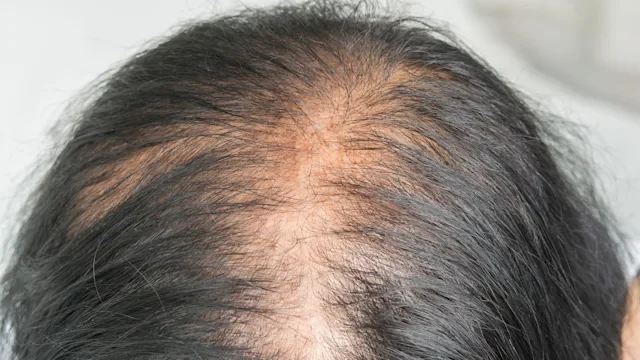
If you’re struggling with thinning hair or hair loss, you’re not alone. Research shows half of men experience hair loss by the time they’re 50 years old. And it’s no surprise that many people want to take action to restore their hair.
While plenty of shampoos promise regrowth, the truth is more complicated. Shampoo can be part of a hair-loss plan — but what helps depends on why you’re losing hair in the first place.
What’s the best shampoo for men’s hair loss?
There isn’t one “best” shampoo for hair loss. The right choice depends on the cause of your hair loss, for example:
Male-pattern hair loss (androgenetic alopecia)
Scalp inflammation (dandruff, known as seborrheic dermatitis)
Scalp psoriasis
Fungal infections like ringworm (tinea capitis)
Search and compare options
Check in with a dermatologist if you’re not sure what’s causing your hair loss, or if it’s:
Sudden
Patchy
Painful
Scarring
Effective treatment starts with the right diagnosis.
Here are some shampoo categories and ingredients whose benefits are backed by the most evidence. We’ll also outline what you can realistically expect with each shampoo.
1. Minoxidil
Minoxidil (Rogaine) is FDA approved as a foam or solution to treat androgenic alopecia, also known as male-pattern hair loss or male-pattern baldness. As a foam or solution, dermatologists commonly recommend it. Daily use improves hair density and promotes hair regrowth, although it can take 2 to 4 months of consistent use to start seeing results.
But minoxidil shampoo is different. There’s much less research on shampoo formulations specifically, and they may be less effective. There are two main reasons for this:
Less time on the scalp: Minoxidil works best when it stays on the scalp. Shampoos are rinsed off quickly, so the medication may not absorb as well.
Lower dose: Shampoo formulas may deliver less active ingredient to the follicle compared with leave-on products.
One small clinical trial of 1% minoxidil shampoo used every other day for about 4 months didn’t find a significant difference in hair counts compared with a placebo (dummy) shampoo. The researchers suggested longer studies would be needed. But as of now, this isn’t strong evidence that minoxidil shampoo reliably regrows hair.
2. Medicated dandruff shampoo
You may have dandruff or seborrheic dermatitis if your scalp is:
Itchy
Flaky
Oily
Irritated
Over time, inflammation on the scalp can also lead to hair thinning and hair shedding.
Medicated shampoos can improve scalp inflammation, which may help reduce shedding and support healthier hair growth over time. Look for medicated dandruff shampoos that contain these ingredients:
Some evidence suggests ketoconazole may also support hair thickness in male-pattern hair loss. This works possibly through its anti-inflammatory effects and other direct hormonal effects on the scalp.
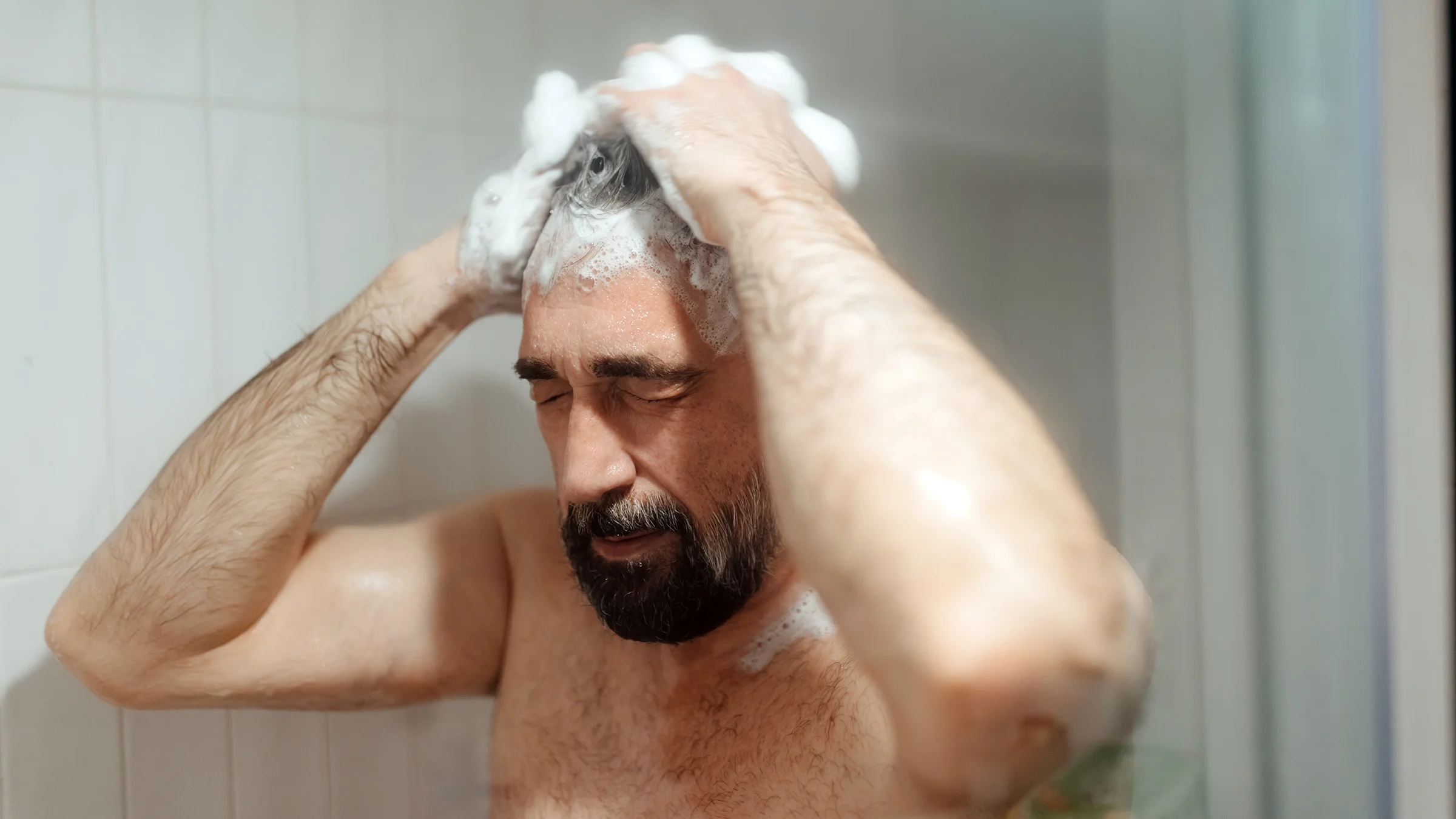
Ketoconazole and pyrithione zinc shampoos are available over the counter (OTC). But they shouldn’t be used like regular shampoo. For best results, here’s what to do:
Massage into the scalp (not just the hair).
Leave on for 3 to 5 minutes before rinsing.
Talk to your primary care provider or a dermatologist if OTC shampoos aren’t helping dandruff symptoms after a few weeks. Other reasons to get help are if have significant:
Redness
Pain
Thick scale
Crusting
In these cases, you may need a prescription-strength treatment.
3. Coal tar shampoo
If scalp psoriasis is driving your itching, scaling, and irritation, coal tar shampoo may help to calm inflammation and reduce hair shedding over time.
Coal tar shampoo is an OTC medicated shampoo. It’s not always very popular with people because of its side effects:
It can cause skin irritation and make your hair more dry and brittle.
It makes your skin more sensitive to sunlight, increasing your risk of scalp sunburn.
It has an unpleasant smell.
Still, experts often recommend using it in addition to other treatments for scalp psoriasis, because it can ease itchiness, redness, and flaking.
Like with other medicated shampoos, you need to let it sit on the scalp for several minutes before rinsing it off.
4. ‘Natural’ hair-growth shampoos
Some hair-growth shampoos include natural hair-growth ingredients like caffeine, melatonin, or rosemary oil. A few small studies suggest these ingredients might influence hair growth when applied to the scalp. But this evidence is from leave-on solutions rather than shampoos. And hair-growth shampoos usually have lower concentrations of the key “hair growth” ingredient.
What should you avoid when looking for products to treat hair loss?
Scalp irritation can worsen shedding for some people — and it can make proven treatments harder to tolerate.
If you’re struggling with hair loss and you have sensitive skin or scalp irritation, avoid products that can trigger scalp irritation or allergy, such as:
Formaldehyde
DMDM hydantoin
Fragrances
A gentle, fragrance-free shampoo can be a surprisingly helpful starting point — especially if you’re also using leave-on treatments like topical minoxidil.
How long does it take for hair-loss shampoo to work?
It usually takes at least 3 to 6 months to start to see noticeable results from any hair-loss treatments. And it usually takes more than 6 months for any meaningful results. That’s because it takes time for the medication to work. And then it takes more time for enough hair to grow in for you to see results.
Fuller hair
The timeline for fuller hair also depends on what you’re treating. With male-pattern baldness, it takes about 2 months for the scalp and hair follicles to respond to topical minoxidil. But you won’t see a meaningful change in hair thickness until 3 to 6 months of consistent use — or more. With shampoos alone, you're unlikely to see dramatic regrowth.
Dandruff
With dandruff, you may notice improvement in symptoms of itch, flaking, and redness in 2 to 4 weeks with consistent applications of medicated shampoos. But again, you’ll need to wait for hair to grow in to see any improvements in hair thickness.
Scalp inflammation
Finally, if you’re treating scalp inflammation from psoriasis or another chronic skin condition, the skin may take weeks and months to improve, before new hair starts to grow in.
Treatments that work better than shampoo for male-pattern hair loss
If you have androgenetic alopecia (male-pattern hair loss), there are treatments that work better than shampoo alone:
Topical minoxidil (OTC): Available as a foam or solution, topical minoxidil is FDA approved to treat hair loss. With consistent use, it helps slow loss and can regrow some hair. But you have to keep using it to maintain results.
Finasteride (prescription only): Finasteride (Propecia) is an oral tablet that’s FDA approved for men’s hair loss. It slows hair loss and promotes regrowth. Like minoxidil, you need to keep taking it to maintain results.
Oral minoxidil (prescription only): Minoxidil can be taken as an oral tablet as an off-label option for men's hair loss. It’s an alternative to finasteride for people who are worried about sexual side effects. It promotes hair regrowth, but you need to keep taking it to maintain results.
With GoodRx for Hair Loss, generic finasteride costs as low as $16 per month, and generic minoxidil costs as low as $20 per month.
The bottom line
There’s no magic shampoo for hair loss. And for male-pattern hair loss, shampoo is rarely enough on its own. The best shampoo choice depends on what’s causing thinning. Medicated shampoos — like ketoconazole, zinc pyrithione, or coal tar — may help when scalp inflammation is part of the problem. But these won’t work for most men with male-pattern baldness.
For best results in male-pattern hair loss, consider proven treatments like leave-on topical minoxidil.

Why trust our experts?



References
American Academy of Dermatology Association. (n.d.). Hair loss: Who gets and causes.
American Academy of Dermatology Association. (n.d.). Psoriasis treatment: Coal tar.
Birchall, N. M. (2015). Male pattern hair loss. DermNet.
Fields, J. R., et al. (2020). Topical ketoconazole for the treatment of androgenetic alopecia: A systematic review. Dermatologic Therapy.
Monselise, A., et al. (2015). What ages hair? International Journal of Women’s Dermatology.
Suchonwanit, P., et al. (2019). Minoxidil and its use in hair disorders: A review. Drug Design, Development and Therapy.
U.S. Food and Drug Administration. (2022). Allergens in cosmetics.
Yaghmaee, R., et al. (2016). The effect of minoxidil 1% shampoo on androgenetic alopecia: A clinical trial study. Research Journal of Pharmaceutical, Biological and Chemical Sciences.