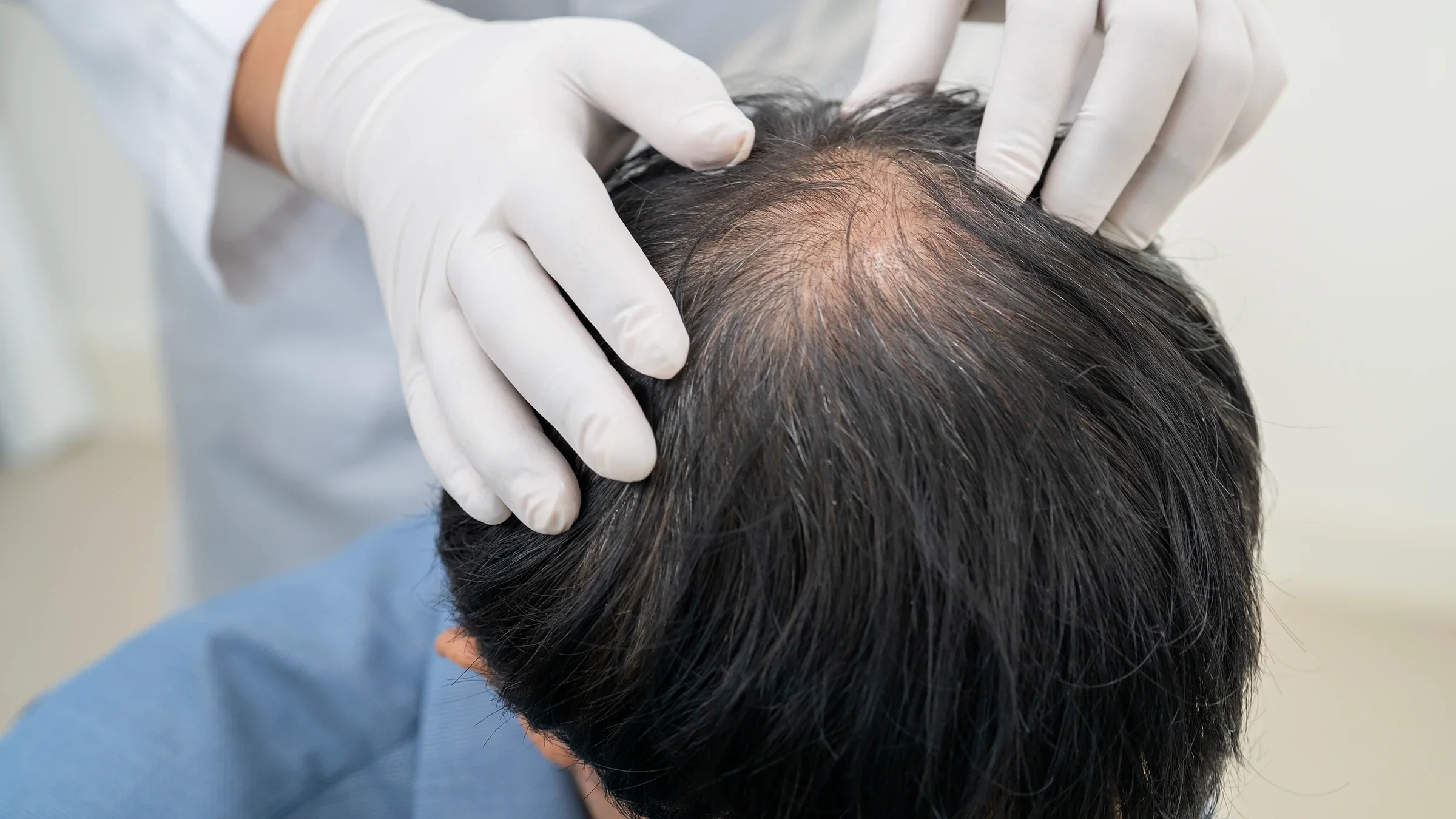
Key takeaways:
Finasteride (Propecia) and topical minoxidil (Rogaine) are two common treatments for hair loss. If you have male pattern baldness, they may work better when used together.
There are compounded medications that combine both minoxidil and finasteride. They’re available as topical solutions or pills. But like other compounded medications, these aren’t technically FDA-approved.
When you use finasteride and minoxidil together, you may start seeing results in 2 to 6 months. But it may take up to a full year to see the full benefits.
Save on related medications
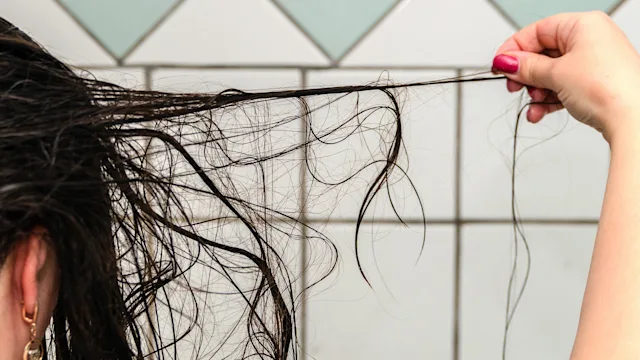
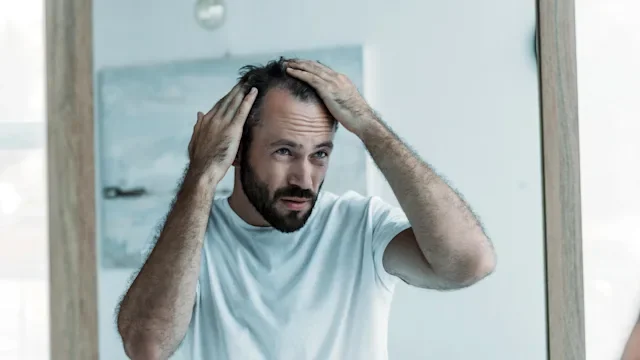
About 1 out of 3 men in the U.S. will deal with hair loss by age 35. And about 1 out of 4 women will experience hair loss by age 49. Losing hair can be distressing at any age. But there are ways to “hit pause” on hair loss.
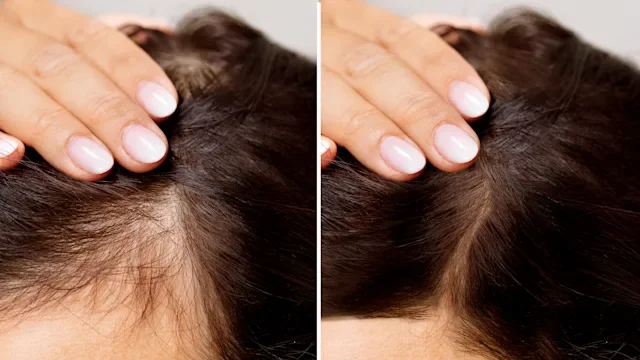
Minoxidil and finasteride (Propecia) are two of the most effective treatments for shedding and thinning hair. Minoxidil — the active ingredient in Rogaine — may work even better when combined with finasteride. Together, these two medications can help prevent further hair loss and encourage hair to regrow.
Here’s what you need to know about how these medications work and how to use them safely together.
Search and compare options
How do finasteride and minoxidil work?
Finasteride and minoxidil work well together because they work through different mechanisms. Let’s go through how each one works.
How does finasteride work?
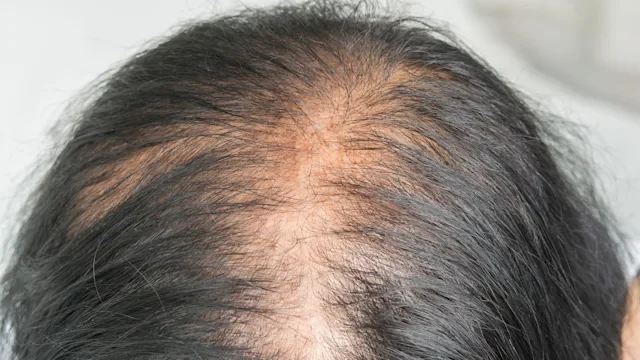
Finasteride treats hair loss at the root. It’s a first-choice treatment for male pattern baldness, which can happen when the body converts the hormone testosterone into dihydrotestosterone (DHT). DHT shrinks hair follicles until they stop producing hair. Finasteride blocks DHT and helps you keep the hair you already have.
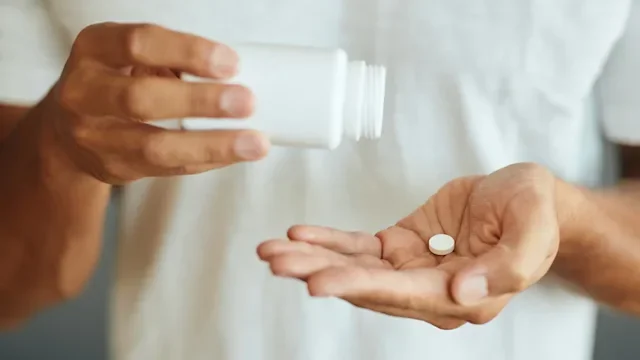
Finasteride is usually taken as an oral (pill) medication. It’s available by prescription only. It’s FDA-approved to treat male pattern baldness, but it’s not approved for female pattern hair loss.
How does minoxidil work?
Minoxidil works a little differently. Instead of preventing hair loss, it helps stimulate hair growth. It widens the blood vessels in your scalp, which allows more nutrients and oxygen to reach hair follicles. This helps promote the growth of new hair and can make existing hair darker.
Minoxidil is either taken as a pill, or it is used as a topical foam or liquid that you apply to your skin. Topical minoxidil is an over-the-counter medication, so you don’t need a prescription to get it. It’s FDA-approved for hair loss in both men and women. But oral minoxidil is considered an off-label treatment for hair loss, and you’ll need a prescription to get it.
How do you use finasteride and minoxidil together?
You can take finasteride and minoxidil together. In fact, research actually suggests these ingredients work better when used in combination, especially for male pattern baldness.
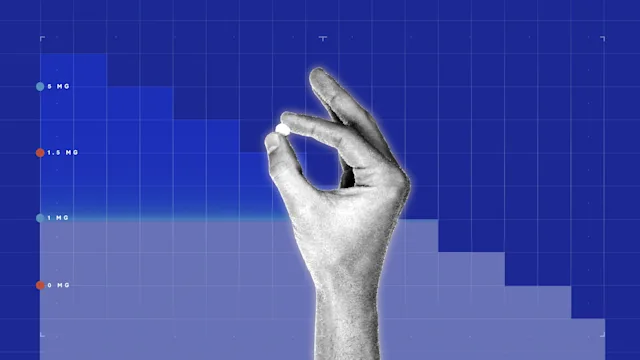
Finasteride typically comes in 1 mg tablets that are taken once daily. As mentioned above, minoxidil is available as a pill or a topical treatment. The topical forms are available as a 2% liquid, a 5% liquid solution, and a 5% foam. They should be applied once or twice daily, depending on the dosage.
Some companies make compounded finasteride and minoxidil. Compounded medications include two or more active ingredients, which meet a specific need, like hair loss. Compounded finasteride and minoxidil both come in pill and topical form.
But it’s worth noting that while minoxidil and finasteride are FDA-approved as individual ingredients, they’re not FDA-approved as a compounded treatment.
If you choose a combined pill, you’ll likely take it once a day, with or without food. Always follow the label’s instructions. Dosages vary by product. For example, one type of combination tablet contains 1.2 mg finasteride and 3 mg minoxidil.
If you choose a spray or foam, you’ll likely have to apply it at least once a day. Spritz a few sprays where your hair is thinning, massage it into your scalp, and let it dry.
The time of day you take your medications doesn’t really matter. Consistency is more important. If you’re taking the pill and miss a dose, skip it and just take the next dose as scheduled. If you’re using a topical form, some people prefer to apply it at night to avoid any residue during the day.
As you can see, you have a lot of options for the different types of hair loss treatment. If you’re not sure where to start, GoodRx for Hair Loss offers personalized recommendations from licensed professionals. Once you decide on the best option, this program can also deliver finasteride and oral minoxidil right to your home.
What are the side effects of finasteride and minoxidil?
Generally, finasteride and minoxidil are well-tolerated. Serious side effects are rare.
Finasteride can affect sexual function. Common side effects include decreased libido, erectile dysfunction, and reduced semen volume. Pills are associated with more side effects than the topical form because pills affect your whole body.
The most common side effect of minoxidil is contact dermatitis. This can cause a dry and flaky scalp. Minoxidil may cause some shedding when you first start using it, but this subsides. After shedding, you’ll notice new, darker hairs growing in.
If you’re using a topical product, avoid getting it on other parts of your body where you don’t want hair growth. Also, avoid accidentally transferring it to people who are pregnant or trying to get pregnant. Finasteride has a risk of causing birth defects.
Generally, finasteride and minoxidil are well-tolerated when used as directed.
How long does it take for finasteride and minoxidil to work?
Finasteride typically takes around 3 months to start working, while minoxidil takes around 2 to 4 months.
Minoxidil may cause some shedding in the first month or two. But this makes room for new, thicker hair to grow.
Hair regrowth takes time. You might see noticeable benefits after 2 to 6 months. But it may take up to a full year to see the full benefits.
It’s also helpful to know that stopping the medication will cause you to experience hair loss again. In other words, finasteride and minoxidil only work while you’re actively taking them.
The bottom line
When it comes to preventing hair loss, time is your biggest asset. The earlier you start treatment, the better your chances of keeping your strands. Research shows that finasteride (Propecia) works better in combination with minoxidil (Rogaine) rather than alone for male pattern baldness. Minoxidil and finasteride are FDA-approved individually, but not as a compounded treatment. Always speak to your primary care provider about potential side effects before starting treatment.

Why trust our experts?




References
American Hair Loss Association. (n.d.). Men’s hair loss.
Asad, N., et al. (2024). Efficacy of topical finasteride 0.25% with minoxidil 5% versus topical minoxidil 5% alone in treatment of male pattern androgenic alopecia. Journal of Drugs in Dermatology.
Fabbrocini, G. (2018). Female pattern hair loss: A clinical, pathophysiologic, and therapeutic review. International Journal of Women’s Dermatology.
Fu, D., et al. (2021). Dihydrotestosterone-induced hair regrowth inhibition by activating androgen receptor in C57BL6 mice simulates androgenetic alopecia. Biomedicine & Pharmacotherapy.
Luddman, P. (2022). What is male pattern hair loss, and can it be treated? American Academy of Dermatology Association.
MedlinePlus. (2022). Finasteride.
Rossi, A., et al. (2012). Minoxidil use in dermatology, side effects and recent patents. Recent Patents on Inflammation & Allergy Drug Discovery.