Key takeaways:
Oral finasteride (Propecia) is an FDA-approved, once-daily tablet with decades of research supporting its safety and effectiveness for hair loss.
Topical finasteride is a compounded medication that’s applied directly to the scalp. It isn’t FDA approved and has less safety and effectiveness data. But it may cause fewer side effects since it isn’t well absorbed into the bloodstream.
With both forms, it can take several months to see noticeable results from finasteride. Your prescriber can help you decide whether oral or topical finasteride is the better option. They’ll consider your hair loss, medical history, and treatment goals.
With GoodRx for Hair Loss, you can pay as little as $16 per month for oral finasteride to help treat and prevent hair loss.
Save on related medications
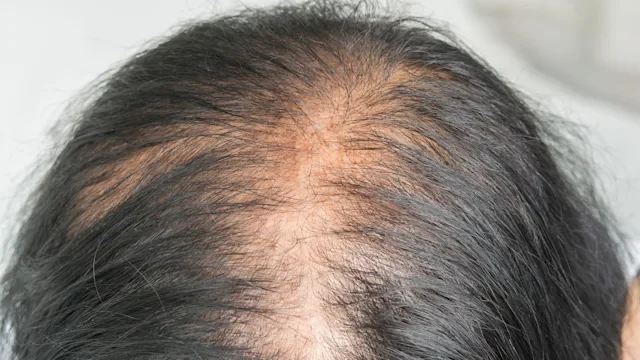
For many people with androgenetic alopecia (male pattern hair loss), finasteride (Propecia) is one of the most effective prescription treatments available. It works by lowering levels of dihydrotestosterone (DHT), a hormone that causes hair follicles to shrink over time.
Finasteride comes in two main forms: an oral tablet and a topical solution or spray. Both treatments help slow hair loss and regrow hair. But they differ in several ways, such as how they’re used and what side effects they may cause.
It’s good to understand the differences between topical and oral finasteride before discussing them with your healthcare team. Let’s look at five things to know about topical versus oral finasteride.
1. Oral finasteride is a daily pill, while topical finasteride is applied to the scalp
One of the biggest differences between oral and topical finasteride is how you use them. Oral finasteride comes as a tablet with a typical dosage of 1 mg by mouth once a day. You can take it anytime during the day, with or without food.
Topical finasteride is applied directly to the scalp, usually as a liquid or a spray. Depending on the product, you’ll apply it once or twice a day to a dry scalp in areas where your hair is thinning. After applying it, you’ll typically need to wait 6 to 8 hours before wetting or washing your hair.
The choice between oral and topical finasteride may simply be one of convenience. Some people may prefer the simplicity of a daily tablet over the application of a topical liquid.
2. Oral finasteride is an FDA-approved medication, while topical finasteride is not
Oral finasteride is an FDA-approved prescription medication sold under the brand name Propecia. It has gone through a regulated process to determine the safe and effective dose to treat hair loss. There’s also clear information about side effects and drug interactions that can occur while taking it.
Topical finasteride isn’t FDA approved. And it’s a compounded medication. This means it’s custom-made, typically by a compounding pharmacy. When it comes to topical versus oral finasteride, keep in mind:
There isn’t an approved dosage of topical finasteride.
There’s less clinical evidence showing that topical finasteride is effective.
There isn’t as much information about the possible side effects and risks of topical finasteride.
The quality and formulation of topical finasteride can vary depending on the pharmacy that prepares it.
This doesn’t mean that topical finasteride isn’t a safe or effective option. It just means it hasn’t gone through the FDA approval process to know this information for sure. It’s also important to fill your prescription at a reputable compounding pharmacy.
3. Oral finasteride may work better on its own than topical finasteride
Oral finasteride is one of the most effective prescription medications for male pattern hair loss. Clinical studies show that it can slow hair loss, increase hair counts, and help maintain hair growth when prescribed on its own.
Studies show that topical finasteride seems to work as well as oral finasteride. But it seems to be more effective when used along with other treatments. Many compounded products combine topical finasteride with topical minoxidil (Rogaine), which treats hair loss in a different way. Using both medications together may provide greater benefits than either treatment alone because they target different causes of hair loss.
4. Topical and oral finasteride have different side effects to consider
Oral finasteride has several side effects to consider. These include:
Erectile dysfunction
Low libido (sex drive)
Decreased sperm count
Ejaculation issues
Depression
There’s also a risk of developing post-finasteride syndrome (PFS). This term describes sexual problems, mental health changes, and physical symptoms that persist for at least 3 months after stopping finasteride. It isn’t clear why PFS happens, but it seems to be a relatively rare side effect.
Topical finasteride delivers medication directly to the scalp, which limits how much enters the bloodstream. As a result, it may be less likely to cause the above side effects than oral finasteride. This is a main reason why some people prefer topical finasteride over oral tablets. But keep in mind that topical products have their own side effects to consider. This includes itching, burning, or scalp irritation where they’re applied.
5. It may take time to see results from either form of finasteride
Whether you choose oral or topical finasteride, patience is important. Hair grows slowly, so most people won’t notice meaningful improvement for several months.
Some people notice less hair shedding after about 1 to 3 months of treatment. You may still experience shedding after this (known as “finasteride shedding”). This happens as resting hair follicles move into a growth phase and push out old strands of hair.
Visible improvements in hair thickness or density often take 6 to 12 months or longer of finasteride treatment. Your results will depend on factors such as your age, how long you’ve had hair loss, and how consistently you use your medication.
It’s important to keep using finasteride if it’s working. If you stop treatment, DHT levels usually rise again, and hair loss often resumes within several months.
How to save on the cost of finasteride
There are ways to save on oral finasteride, which is available as both a brand-name and generic medication:
Save with GoodRx for Hair Loss: Pay as little as $16 per month for finasteride. This includes a telehealth visit, treatment, and home delivery at one low cost.
Save at the pharmacy with a GoodRx discount: The cost of generic finasteride 1 mg is as low as $10.50 per month at certain pharmacies with a free GoodRx discount.
Topical finasteride isn’t FDA approved, so it’s less likely to be covered by insurance. And discounts typically don’t apply to compounded medications. You may be able to save on the cost of topical finasteride by shopping around at different compounding pharmacies. But be sure to check with your prescriber to make sure you’re using reputable companies.
Frequently asked questions
The most common finasteride side effects are erectile dysfunction, decreased sex drive, and mood changes. There’s also the risk of post-finasteride syndrome (PFS). This term describes sexual problems, mental health changes, and physical symptoms that persist for at least 3 months after stopping finasteride. PFS is a rare side effect, but it may be more common than previously thought.
You shouldn’t take finasteride if you’re allergic to the medication or any inactive ingredients in the tablet. You also shouldn’t take finasteride if you’re pregnant or trying to become pregnant. But it’s fine to take finasteride if your partner is pregnant or trying to conceive.
Yes, your hair loss will likely resume if you stop taking finasteride. It takes about 2 weeks for dihydrotestosterone (DHT) to return to its usual level after stopping finasteride. Once that happens, hair loss will also return.
The most common finasteride side effects are erectile dysfunction, decreased sex drive, and mood changes. There’s also the risk of post-finasteride syndrome (PFS). This term describes sexual problems, mental health changes, and physical symptoms that persist for at least 3 months after stopping finasteride. PFS is a rare side effect, but it may be more common than previously thought.
You shouldn’t take finasteride if you’re allergic to the medication or any inactive ingredients in the tablet. You also shouldn’t take finasteride if you’re pregnant or trying to become pregnant. But it’s fine to take finasteride if your partner is pregnant or trying to conceive.
Yes, your hair loss will likely resume if you stop taking finasteride. It takes about 2 weeks for dihydrotestosterone (DHT) to return to its usual level after stopping finasteride. Once that happens, hair loss will also return.
The bottom line
Topical and oral finasteride are both effective for male pattern hair loss. But they differ in several ways. Oral finasteride (Propecia) is an FDA-approved, once-daily tablet with decades of research supporting its safety and effectiveness. Topical finasteride is a compounded medication that’s applied directly to the scalp. It hasn’t been FDA approved and has less long-term safety and effectiveness data. But it may cause fewer side effects since it isn’t well absorbed into the bloodstream.
No matter which form you choose, finasteride takes time to work. Most people need to use it consistently for several months before seeing noticeable results. Your prescriber can help you decide whether oral or topical finasteride is the better option based on your hair loss, medical history, and treatment goals.

Why trust our experts?



References
Devjani, S., et al. (2023). Androgenetic alopecia: Therapy update. Drugs.
Keerti, A., et al. (2023). Topical finasteride: A comprehensive review of androgenetic alopecia management for men and women. Cureus.
Manabe, M., et al. (2018). Guidelines for the diagnosis and treatment of male-pattern and female-pattern hair loss, 2017 version. The Journal of Dermatology.
Piraccini, B., et al. (2021). Efficacy and safety of topical finasteride spray solution for male androgenetic alopecia: A phase III, randomized, controlled clinical trial. Journal of the European Academy of Dermatology and Venereology.
Rossi, A., et al. (2024). Efficacy of the association of topical minoxidil and topical finasteride compared to their use in monotherapy in men with androgenetic alopecia: A prospective, randomized, controlled, accessor blinded, 3-art, pilot trial. Journal of Cosmetic Dermatology.
Zito, P. M., et al. (2024). Finasteride. StatPearls.