Key takeaways:
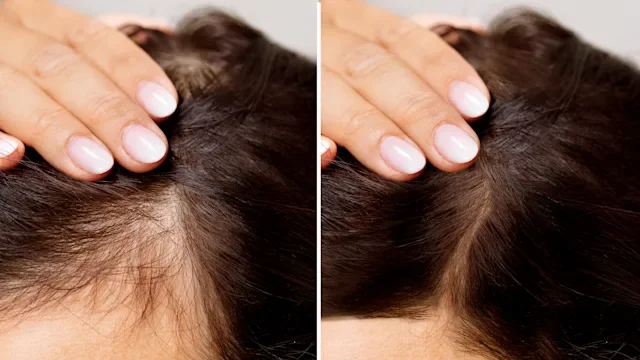
Studies show that red light therapy can increase hair density and thickness in both male-pattern and female-pattern hair loss. Most people see improvements around 4 to 6 months of consistent use.
Consistency is key. Red light requires regular use to maintain results. Once you stop using red light therapy, the hair growth benefits also stop.
Red light therapy can be used with hair-loss medications like minoxidil and finasteride. Combination therapy may show results even faster than using any treatment alone.
Save on related medications
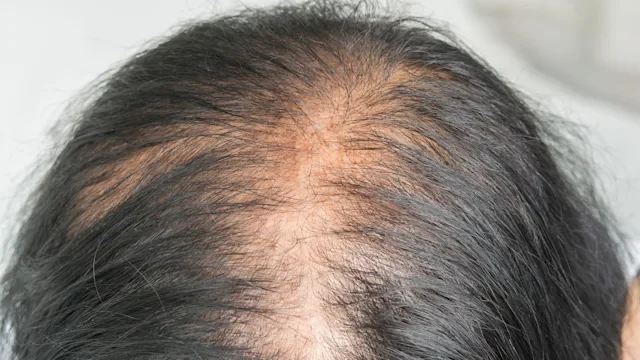
About 85% of men and 33% of women experience hair loss in their lifetimes. Many people will often turn to hair-loss medications to address it. But natural treatments can help, too. One of these includes red light therapy. And for many, it can be an effective medication-free way to treat hair loss at home.
What is red light therapy for hair loss?
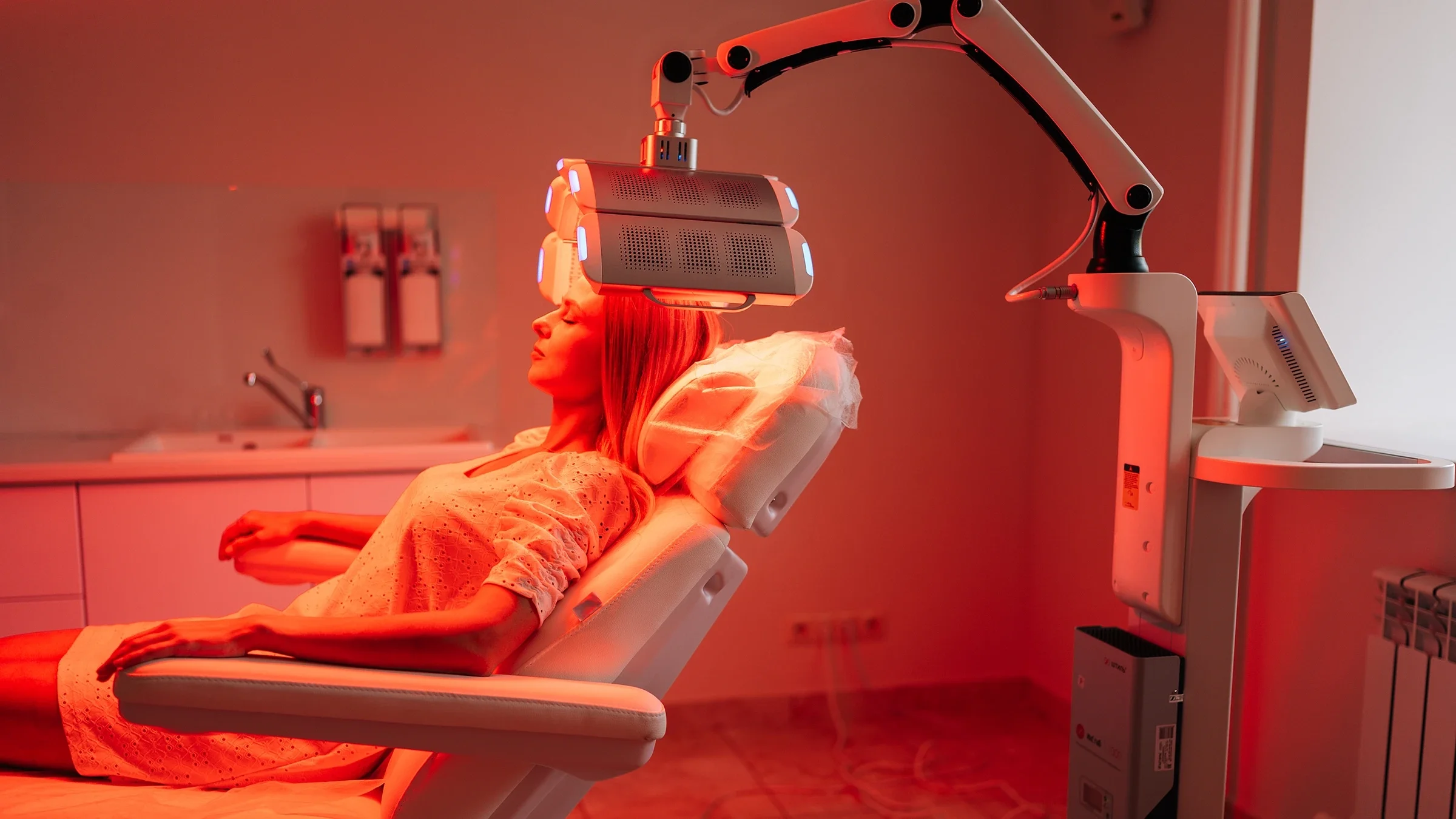
Red light therapy is a type of noninvasive laser treatment. It’s also known as low-level light therapy (LLLT) or photobiomodulation. It works by emitting low-level wavelengths (650 nm to 900 nm) of red or near-infrared light.
This type of light can penetrate the skin and stimulate cells without producing any heat. Red light has many purported uses — like treatment for cold sores and improved sleep. It’s also thought to stimulate hair growth. You can get red light through caps or helmets you wear on your head, handheld devices like combs, or light panels. It’s also available at dermatology clinics.
Search and compare options
How does red light therapy work?
Researchers may not fully understand the way red light works on a cellular level. But they think the mitochondria — the parts of a cell that produce energy — absorb the light energy. This boost of energy can help the cells activate genes and make beneficial proteins.
Red light therapy is thought to:
Improve blood flow to the scalp, delivering more nutrients and oxygen to hair follicles
Help the hair follicles enter the growth stage and stay there for longer
These effects on the cells and scalp translate to more hair growth as well as thicker, longer hair. All of this may help stimulate hair growth.
Does red light therapy really work for hair loss?
Research suggests that regular use of red light therapy does help with hair growth.
A 24-week study tested an at-home red light therapy helmet on men and women with pattern hair loss. Researchers found that the cap significantly increased both hair density and thickness.
Another report analyzed seven different studies that tested FDA-approved home red light devices for hair loss. They found that red light therapy devices significantly increased hair density in both men and women with pattern hair loss. The studies lasted an average of 21 weeks, with most showing positive results. Both helmet-type and comb-type devices worked effectively. Comb-type devices tend to be more affordable.
There’s no set protocol, but most people use a red light device every day or multiple times a week. One study with positive results had people use a red light device 3 days a week for 25 minutes each.
Most studies see hair-loss improvement around the 6-month mark. But it’s not a lasting cure. Results stop once you stop applying red light on your scalp.
What are the side effects and risks of red light therapy?
Most people don’t report any side effects. Those who do usually experience temporary hair shedding and itchiness. Hair shedding is a common side effect with hair-loss treatments. And it’s usually a good thing because it makes room for new hair growth. Any side effects from red light usually go away the longer you use red light.
The most important thing to know is that you shouldn’t shine the red light directly into the eyes. This can lead to eye damage. Some devices instruct you to use eye protection while the red light is on.
Some people should consult with a healthcare professional before using red light therapy. This includes anyone with a medical condition — or those who take medication — that makes them sensitive to light. This includes conditions like lupus, or medications like retinoids. It’s also a good idea to talk with a dermatologist if you have any skin condition to make sure that red light will not make it worse.
Can you combine red light therapy with other hair-loss treatments?
Yes, you can combine red light therapy with other treatments for hair loss. Some of these other treatments include the medications minoxidil and finasteride.
One study compared red light therapy, minoxidil 5%, and a combination of both in women with pattern hair loss. All three treatments showed significant hair regrowth by 4 months. But the combination therapy showed improvement as early as 2 months.
That said, people also see improvements using red light therapy alone. It’s often used as an option for those who prefer not to use other treatments.
Frequently asked questions
You can start by buying an FDA-cleared red light device to use at home. Commit to using the device consistently for at least 4 months. You can also visit a dermatologist for treatments.
Yes, there are many at-home devices that are cleared by the FDA. Devices usually come as caps or helmets, combs, or light panels. Comb devices are usually more affordable than other options, but it’s a good idea to do a little research before you buy one.
It takes about 4 to 6 months to see noticeable results. But consistency is key. Make sure to follow the instructions that come with your device. Once you stop using red light, the hair growth stops, too.
You can start by buying an FDA-cleared red light device to use at home. Commit to using the device consistently for at least 4 months. You can also visit a dermatologist for treatments.
Yes, there are many at-home devices that are cleared by the FDA. Devices usually come as caps or helmets, combs, or light panels. Comb devices are usually more affordable than other options, but it’s a good idea to do a little research before you buy one.
It takes about 4 to 6 months to see noticeable results. But consistency is key. Make sure to follow the instructions that come with your device. Once you stop using red light, the hair growth stops, too.
The bottom line
Red light won’t cure hair loss, but it can help. If you want to try red light therapy for hair loss, be sure to use it on a regular basis. Combs are more affordable, but helmets and caps are easier to use. You can wear a red light helmet or cap on days you work from home, while you get ready for work in the morning, or as you’re winding down at night.
If you don’t see yourself wearing a cap or combing your hair with a red light device at least every other day, then it might be worth looking into other treatments. Still, red light therapy doesn’t come with serious side effects for most people, so it’s worth a try.

Why trust our experts?



References
Fabbrocini, G., et al. (2018). Female pattern hair loss: A clinical, pathophysiologic, and therapeutic review. International Journal of Women’s Dermatology.
Ludmann, P. (2024). Is red light therapy right for your skin? American Academy of Dermatology.
Lueangarun, S., et al. (2021). A systematic review and meta-analysis of randomized controlled trials of United States Food and Drug Administration-approved, home-use, low-level light/laser therapy devices for pattern hair loss: device design and technology. The Journal of Clinical and Aesthetic Dermatology.
National Council on Aging. (n.d.). Hair loss: Causes, types, and other facts.
Pillai, J. K., et al. (2021). Role of low-level light therapy (LLLT) in androgenetic alopecia. Journal of Cutaneous and Aesthetic Surgery.
Suchonwani, P., et al. (2018). Low-level laser therapy for the treatment of androgenetic alopecia in Thai men and women: a 24-week, randomized, double-blind, sham device-controlled trial. Lasers in Medical Science.