Key takeaways:
Ozempic (semaglutide) is an injectable and oral medication used to help manage blood glucose (sugar) levels in adults with Type 2 diabetes. It can also lower the risk of serious cardiovascular and kidney disease-related problems in certain people.
Ozempic isn’t FDA approved for weight loss, but many people using Ozempic lose weight as a side effect. If you don’t have diabetes, using Ozempic for weight loss is considered an off-label use.
Wegovy, a higher-dose version of Ozempic, is approved for weight loss in certain adults and adolescents ages 12 and older. People with and without diabetes can use Wegovy to help them lose weight.
Both Ozempic and Wegovy are intended to be taken long term. If you’re prescribed either one to lose weight, it’s possible to have rebound weight gain after stopping it. Some research suggests that slowly tapering off the medication can help.
Save on related medications
Weight management is a complex challenge that many people across the U.S. face. Despite many efforts, traditional weight-loss methods often fall short, leaving people searching for alternative solutions. But within the last few years, glucagon-like peptide-1 (GLP-1) receptor agonists have emerged as a top contender for helping people lose weight.
Ozempic (semaglutide) is an injectable and oral GLP-1 receptor agonist FDA approved to treat Type 2 diabetes. It’s not approved for weight loss, but people can lose weight while using it. Because of this, researchers studied Ozempic to see if it could help people without diabetes, too. In June 2021, the FDA approved Wegovy — a higher-dose version of Ozempic used specifically for weight loss.
Prior to Wegovy’s approval, Ozempic was frequently prescribed off-label for weight loss. Today, healthcare professionals still continue this practice — even with Wegovy on the market. If you’ve been prescribed Ozempic for weight loss, you may be wondering what to expect. We discuss what you should know below.
Search and compare options
How does Ozempic work for weight loss?
GLP-1 receptor agonists like Ozempic help to lower your blood glucose (sugar) levels, but people using them also tend to lose weight. GLP-1 is the key hormone involved in this process. After you eat, cells in your intestines release GLP-1, which can:
Trigger the pancreas to release insulin
Slow how quickly food leaves your stomach
Reduce sugar production in the liver
Target the appetite center of the brain
Ozempic works by mimicking the effects of GLP-1, which can lessen your appetite and make you feel full so you consume fewer calories. This can result in weight loss.
Semaglutide, the main ingredient in Ozempic, is also available as Wegovy — a higher-dose version that’s specifically approved for weight loss. Wegovy comes as an injection (Wegovy, Wegovy HD) and a pill.
Can Ozempic be prescribed for weight loss?
Generally, yes. If you have Type 2 diabetes, one of the reasons you may be prescribed Ozempic is because it can help you lose weight. But if you don’t have diabetes, it’s also possible that your prescriber may prescribe Ozempic for weight loss. This is considered an off-label use.
Does this mean that anyone can use Ozempic for weight loss? Not necessarily. Your prescriber will weigh the benefits of Ozempic against the potential risks to determine if it’s right for you. For example, they may recommend a medication like Ozempic if you have prediabetes to help lower your risk of developing Type 2 diabetes.
Wegovy, on the other hand, is approved for weight loss in certain people with and without diabetes. It’s approved for use in adults and children ages 12 and older who are considered obese. Adults who are considered overweight and have at least one weight-related health condition, such as high blood pressure, are also eligible for Wegovy.
How long does it take to lose weight on Ozempic?
It can take a few months to reach your target dose of Ozempic. That’s because how much you inject or take is slowly increased over time to manage side effects. During this time, you may notice some weight loss. And how much weight you lose can depend on your Ozempic dose.
The starting Ozempic dose for Type 2 diabetes is 0.25 mg injected once weekly for 4 weeks or 1.5 mg by mouth daily for 30 days. This dose doesn’t typically have an effect on your blood sugar or body weight. It’s meant to help your body get used to the medication. But after that, your dose is increased to 0.5 mg injected once a week or 4 mg taken by mouth daily.
During clinical trials of people with Type 2 diabetes, those receiving the 0.5 mg Ozempic injection dose lost around 8 lbs over 30 weeks (7 months). For some people, this dose isn’t enough to adequately manage their blood sugar levels. If needed, the dose may be increased in 4-week intervals up to a maximum of 2 mg injected once weekly. The maximum Ozempic pill dose is 9 mg daily.
In general, more weight loss may be seen with higher Ozempic doses. During a 40-week (9-month) study, people receiving the 1 mg Ozempic injection dose lost an average of 13 lbs. And people receiving the 2 mg Ozempic dose lost an average of 15 lbs.
Ozempic vs. Wegovy for weight loss
Compared to Ozempic, Wegovy has a higher target dose — 2.4 mg once weekly for regular Wegovy or 7.2 mg for Wegovy HD. During clinical trials, people receiving the 2.4 mg dose lost about 15% of their starting body weight on average. With the 7.2 mg dose, people lost an average of about 19%.
Keep in mind that medications like Ozempic and Wegovy should be paired with lifestyle changes, such as a nutritious diet and regular exercise, to get the most benefit.
How long should you take Ozempic?
Ozempic is only approved for people with Type 2 diabetes. Since diabetes is a chronic health condition, you’ll typically need to use Ozempic long term to manage your blood sugar levels. You also likely need to continue using it to maintain its heart and kidney-related benefits.
For weight loss, Wegovy is also meant to be used long term. But if you stop Wegovy, you may regain most (or all) of the weight you’ve lost. If you’re prescribed Ozempic off-label for weight loss, there’s a good chance of rebound weight gain after you stop taking it, too.
However, recent evidence suggests that the combination of lifestyle changes and slowly tapering off the medication (instead of stopping cold turkey) may help manage potential rebound weight gain.
Is Ozempic safe for weight loss?
Ozempic isn’t technically a weight-loss medication. But it’s considered safe and effective for Type 2 diabetes, and you may lose weight as a result of treatment. As mentioned above, if you’re prescribed Ozempic and you don’t have diabetes, this is considered off-label use. Semaglutide is approved for weight loss under the name Wegovy.
Ozempic and Wegovy have been linked to many of the same risks, including:
Pancreatitis (inflammation of the pancreas)
Acute kidney damage
Severe gastroparesis (slowed stomach emptying)
Worsening of diabetes-related eye problems
Thyroid C-cell tumors (boxed warning)
Who should not take Ozempic?
Because of these risks, certain people may be advised to avoid Ozempic or Wegovy. Examples include those who have:
A personal or family history of medullary thyroid cancer
A genetic condition called multiple endocrine neoplasia type 2 syndrome
A history of pancreatitis
Severe gastrointestinal problems, such as gastroparesis
Allergic reactions to any of Ozempic’s ingredients
Your healthcare professional can determine if Ozempic or Wegovy is safe for you.
What are the side effects of Ozempic?
Especially when you’re starting Ozempic, you may experience gastrointestinal side effects. These side effects are also common after your dosage is increased. For most people, they get better over time.
Common Ozempic side effects include:
Vomiting
Stomach pain
These same side effects were seen with Wegovy during clinical trials for weight loss. But since Wegovy doses are higher than Ozempic, side effects may be more likely with Wegovy (especially Wegovy HD).
Are there any Ozempic drug interactions?
Ozempic doesn’t have many known drug interactions. But that doesn’t mean that interactions aren’t possible. It’s still important to understand what could affect how it works or increase your risk of side effects.
For example, Ozempic slows down how quickly your stomach empties. This may affect how your body absorbs medications you take by mouth. Studies haven’t shown this to be a major issue, but it’s something to keep in mind. There have also been reports of women becoming pregnant while taking Ozempic and oral birth control pills. So, using a backup contraceptive method or a nonoral contraceptive, such as the patch, may be worth discussing with your healthcare team.
In general, taking Ozempic with other diabetes medications can raise the risk of hypoglycemia (dangerously low blood sugar). This is especially true with medications that increase insulin levels, such as:
Your healthcare team can review your current medication list to flag potential Ozempic interactions up front. Your prescriber may adjust your doses or recommend closer blood sugar monitoring to help lower this risk.
Are there any foods to avoid with Ozempic?
Certain foods and drinks may worsen Ozempic side effects — especially those that can upset your stomach. And others may sabotage Ozempic’s blood sugar-lowering effects and counteract potential weight loss. It’s best to minimize these during treatment:
Spicy foods
Greasy, fried foods
Sugary foods and refined carbohydrates (such as white bread)
Your healthcare team can give you tips for any dietary changes to help manage side effects and get the most from treatment.
Is Ozempic covered by insurance for weight loss?
It depends. Most insurance plans cover Ozempic for Type 2 diabetes. But Ozempic may not be covered if you’re using it for weight loss and don’t have diabetes. Check with your insurance provider for more information on coverage requirements.
If you don’t have diabetes, but you have a high body mass index (BMI) and heart disease, you may be able to get Wegovy covered by your insurance instead. This is because in addition to weight loss, Wegovy is also approved for cardiovascular benefits for people with a larger body size and heart disease, as well as a type of fatty liver disease.
Are there any Ozempic alternatives approved for weight loss?
There are five FDA-approved weight-loss medications that work in a similar way as Ozempic:
Wegovy and Wegovy HD injections
Wegovy pill
Saxenda (liraglutide)
Zepbound (tirzepatide)
Foundayo (orforglipron)
Wegovy (injections and pill), Saxenda, and Foundayo are all GLP-1 receptor agonists. Zepbound works in a similar but slightly different way. Of these three medications, Zepbound and Wegovy HD may result in the most amount of weight loss.
There are several other medications that work like Ozempic that are being studied for weight loss. Examples include retatrutide, CagriSema, and ecnoglutide.
Frequently asked questions
It’s difficult to predict what happens if you take Ozempic and you don’t have diabetes, especially if you have a BMI in the normal range. This is because semaglutide, the active ingredient, has been primarily studied in people with Type 2 diabetes and those with a high BMI. The studies were used to find safe and effective dosage schedules in these groups, which may have different effects in other people.
Ozempic isn’t approved for weight loss, and it doesn’t have any specific BMI criteria to use it. Your healthcare team may decide to prescribe Ozempic depending on your health history, risk factors, and personal health goals.
But people who are considered obese (BMI of 30 or greater) or overweight (BMI of 27 or greater) with weight-related medical conditions may qualify for Wegovy, which is approved for weight loss.
Not everyone experiences a reduced appetite with Ozempic. But some people may notice appetite changes shortly after starting it — within the first few weeks.
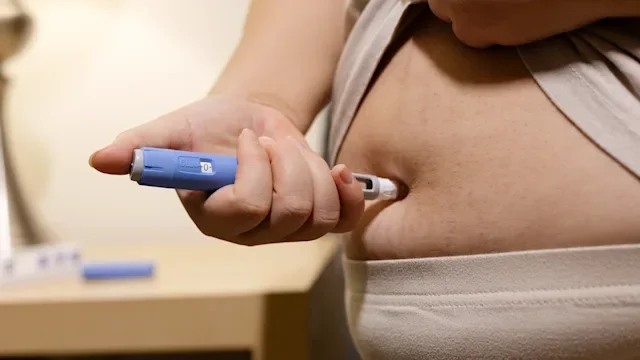
No, Ozempic comes in a prefilled injection pen with set doses. So it’s not possible or advised to take a much smaller amount (or “microdose”) than the dose inside the pen. But if you’re unable to use standard Ozempic doses, your prescriber may recommend a custom dose of compounded semaglutide, if medically necessary. However, compounded medications, which are made by pharmacies, have unique risks to consider.
No, Ozempic is not a stimulant. Other weight-loss medications, such as phentermine (Adipex-P, Lomaira), have stimulating effects that help lower your appetite. As described above, Ozempic works differently to cause weight loss.
It’s difficult to predict what happens if you take Ozempic and you don’t have diabetes, especially if you have a BMI in the normal range. This is because semaglutide, the active ingredient, has been primarily studied in people with Type 2 diabetes and those with a high BMI. The studies were used to find safe and effective dosage schedules in these groups, which may have different effects in other people.
Ozempic isn’t approved for weight loss, and it doesn’t have any specific BMI criteria to use it. Your healthcare team may decide to prescribe Ozempic depending on your health history, risk factors, and personal health goals.
But people who are considered obese (BMI of 30 or greater) or overweight (BMI of 27 or greater) with weight-related medical conditions may qualify for Wegovy, which is approved for weight loss.
Not everyone experiences a reduced appetite with Ozempic. But some people may notice appetite changes shortly after starting it — within the first few weeks.
No, Ozempic comes in a prefilled injection pen with set doses. So it’s not possible or advised to take a much smaller amount (or “microdose”) than the dose inside the pen. But if you’re unable to use standard Ozempic doses, your prescriber may recommend a custom dose of compounded semaglutide, if medically necessary. However, compounded medications, which are made by pharmacies, have unique risks to consider.
No, Ozempic is not a stimulant. Other weight-loss medications, such as phentermine (Adipex-P, Lomaira), have stimulating effects that help lower your appetite. As described above, Ozempic works differently to cause weight loss.
The bottom line
Ozempic (semaglutide) is a once-weekly injection and daily oral pill used to treat Type 2 diabetes. It’s not FDA approved for weight loss. But some people without diabetes are prescribed Ozempic off-label to help them lose weight. Wegovy is a higher-dose version of Ozempic that’s approved specifically for weight loss.
Your healthcare team can help you weigh the pros and cons of starting a medication like Ozempic or Wegovy. Keep in mind that both are intended to be taken long term.

Why trust our experts?



References
Ahmann, A. J., et al. (2017). Efficacy and safety of once-weekly semaglutide versus exenatide ER in subjects with type 2 diabetes (SUSTAIN 3): A 56-week, open-label, randomized clinical trial. Diabetes Care.
American Diabetes Association Professional Practice Committee. (2024). 3. Prevention or delay of diabetes and associated comorbidities: Standards of care in diabetes—2025. Diabetes Care.
American Diabetes Association Professional Practice Committee. (2024). 9. Pharmacologic approaches to glycemic treatment: Standards of care in diabetes—2025. Diabetes Care.
Cabou, C., et al. (2011). GLP-1, the gut-brain, and brain-periphery axes. The Review of Diabetic Studies.
European Association for the Study of Obesity. (2024). Is coming off semaglutide slowly the key to preventing weight regain?
Frías, J. P., et al. (2021). Efficacy and safety of once-weekly semaglutide 2·0 mg versus 1·0 mg in patients with type 2 diabetes (SUSTAIN FORTE): A double-blind, randomised, phase 3B trial. The Lancet Diabetes & Endocrinology.
Kim, W., et al. (2008). The role of incretins in glucose homeostasis and diabetes treatment. Pharmacological Reviews.
National Cancer Institute. (n.d.). Multiple endocrine neoplasia type 2 syndrome. National Institutes of Health.
Sorli, C., et al. (2017). Efficacy and safety of once-weekly semaglutide monotherapy versus placebo in patients with type 2 diabetes (SUSTAIN 1): A double-blind, randomised, placebo-controlled, parallel-group, multinational, multicentre phase 3a trial. The Lancet Diabetes & Endocrinology.
Wharton, S., et al. (2025). Once-weekly semaglutide 7·2 mg in adults with obesity (STEP UP): a randomised, controlled, phase 3b trial. The Lancet Diabetes & Endocrinology.
Wilding, J. P. H., et al. (2021). Once-weekly semaglutide in adults with overweight or obesity. The New England Journal of Medicine.