Key takeaways:
Glucagon-like peptide-1 (GLP-1) medications are commonly used for weight loss and to treat Type 2 diabetes. Examples of GLP-1s include semaglutide (Wegovy, Ozempic) and tirzepatide (Zepbound, Mounjaro).
“Microdosing” GLP-1s means taking much smaller doses than those approved by the FDA. It’s sometimes used to help people save money or reduce side effects.
Microdosing carries real risks, including inaccurate doses, reduced effectiveness, and other safety issues. If you think you need a smaller GLP-1 dose, talk to your prescriber about your options.
Glucagon-like peptide-1 (GLP-1) medications like semaglutide (Wegovy, Ozempic) and tirzepatide (Zepbound, Mounjaro) have gained traction over the last few years. But with their popularity has come a wave of do-it-yourself trends on social media. One growing trend right now is “microdosing” — using much smaller amounts of medication than recommended.
You may have heard that microdosing can help cut costs, ease side effects, or make treatment more flexible. It’s often done using methods such as “click counting” to measure out fractions of a dose from prefilled pens or custom-made compounded doses. But does microdosing work, and is it safe? Here’s what you should know.
What does it mean to ‘microdose’ GLP-1s?
GLP-1s are commonly used for weight loss and to treat Type 2 diabetes, among a growing list of other conditions. Microdosing GLP-1s generally means using lower-than-recommended doses of these medications. This is considered an off-label use, meaning that the GLP-1 is being used differently from how it’s approved. Some people microdose on their own, while others may be instructed to do so by their prescriber.
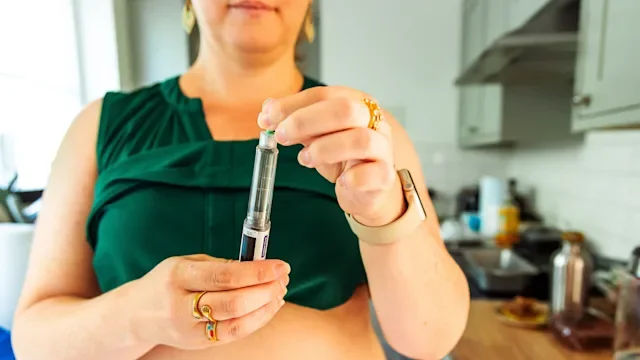
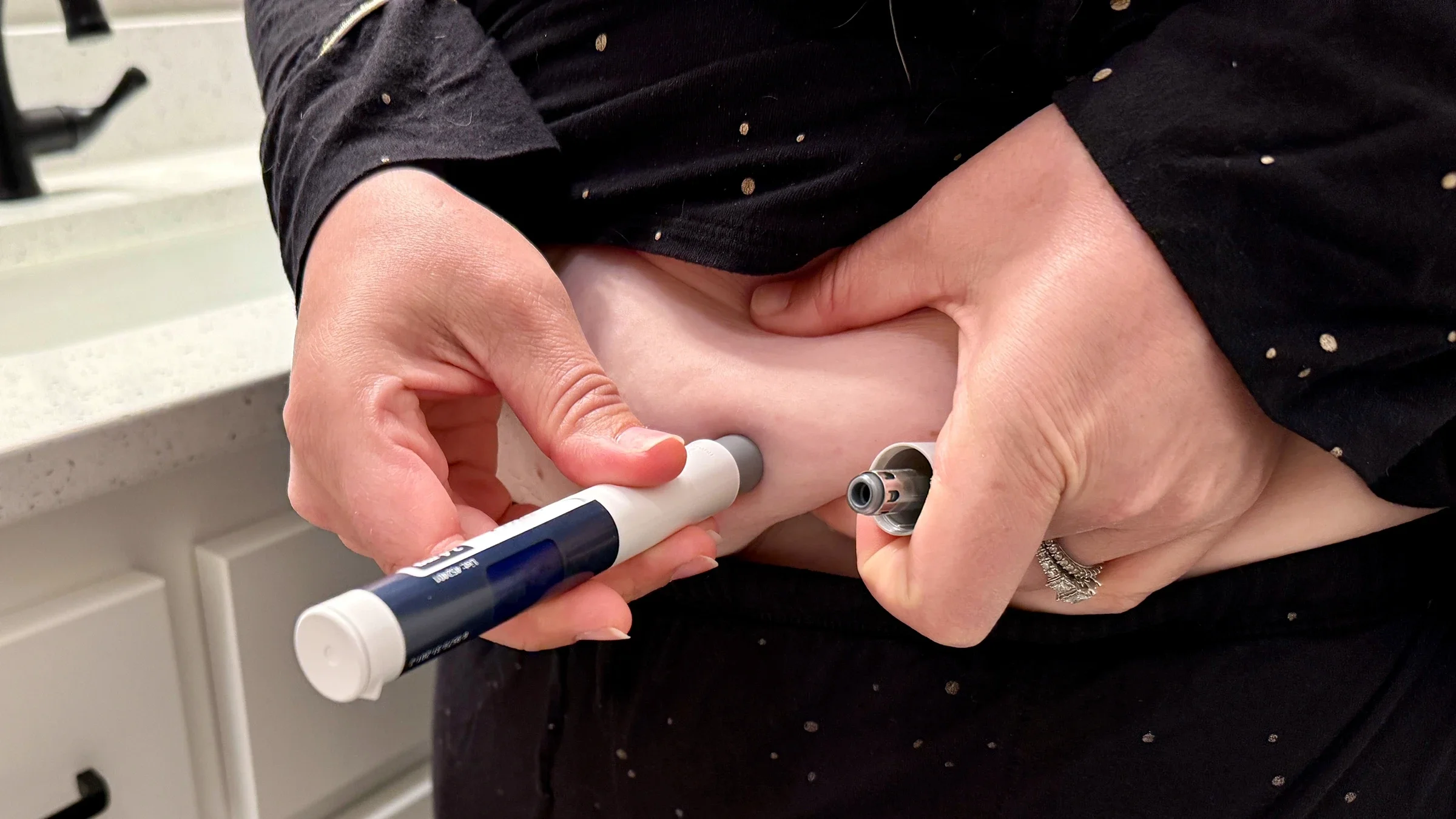
Some GLP-1s, such as Ozempic and liraglutide (Victoza, Saxenda), come in adjustable injection pens meant to deliver specific doses. To get a “microdose,” people may use a method called click counting — meaning they manually track the audible “clicks” from a pen to try to deliver only part of a dose. Zepbound and Mounjaro are available in vials, which also allow for measuring smaller doses.
Alternatively, some healthcare professionals prescribe compounded GLP-1s, which are made by a compounding pharmacy. In this case, the pharmacy can make a smaller dose from what’s commercially available.
Why are people microdosing GLP-1s like Ozempic?
Interest in microdosing GLP-1s has grown alongside the popularity of these medications. As demand and costs remain high, you may be looking for ways to make GLP-1s more affordable, tolerable, or accessible.
People may turn to microdosing for several reasons, including:
Side effects: GLP-1s commonly cause side effects such as nausea, vomiting, and diarrhea. Some people try smaller doses hoping they’ll tolerate the medication better.
Cost savings: GLP-1 medications can be expensive. Stretching a GLP-1 pen through microdosing can seem like a way to save money.
Access issues: Semaglutide injections and tirzepatide injections were previously in shortage. Microdosing was sometimes used to make the medication last longer.
More subtle results: Some people may prefer slower or less intense changes in appetite and body weight. Microdosing may seem like a way to avoid rapid weight loss that can happen with higher doses.
Social media influence: Online groups may share microdosing tips or hacks, which can make these practices seem safer or more common than they are.
Unproven wellness benefits: Some influencers, clinics, or commercial providers tout microdosing for metabolic optimization, mild appetite control, or subtle weight improvements in people who are not overweight. Other unproven claims include lower inflammation, cognitive support, and “longevity.”
Whatever the reason, it’s best to be fully informed before you try microdosing. This includes understanding how these medications are designed to work, why dose precision matters, and what the potential safety risks are.
Keep in mind that this practice remains experimental and unproven, and it should only be done with guidance from a trained healthcare professional.
Is microdosing GLP-1s effective for weight loss or blood sugar management?
The short answer: Maybe, but more research is needed.
Before GLP-1s like Ozempic were approved, earlier trials tested a range of doses to find the most effective ones. Lower doses produced some weight loss and blood sugar improvements. But these effects weren’t always much different from placebo (an injection without medication). Later trials using higher doses showed much greater and more consistent benefits.
Here’s what we do know:
Standard doses work. Large clinical trials confirm that standard GLP-1 doses work well to help many people lose weight and manage Type 2 diabetes. And specific doses have proven benefits for heart, liver, and kidney health. Sticking to very low doses may not give you the same results.
Every individual is different. People respond differently to GLP-1s. Some “super responders” may see significant benefits even at much lower doses. But others, sometimes called “non-responders,” may not respond at all, even at full doses. In the same vein, microdosing may work for some people, but not everyone.
Side effects are usually temporary. Smaller GLP-1 doses may reduce nausea or stomach upset. But microdosing may also prevent you from reaching the effective dose needed for meaningful changes in body weight or blood sugar levels. In many cases, side effects of GLP-1 treatment are temporary.
A recommended dosage schedule reduces side effects. GLP-1 dosage schedules are designed to increase doses gradually to help balance benefits and side effects.
That said, GLP-1 treatment isn’t necessarily one-size-fits-all. It’s possible that your prescriber may still decide that a smaller dose is more appropriate for you. In this case, be sure to follow their instructions closely.
Microdosing GLP-1s for other health benefits
GLP-1s like semaglutide and tirzepatide have a growing list of potential uses. But they’ve been studied primarily in people with diabetes or a high body mass index (BMI). If you don’t fall into either of these categories, you may be curious whether microdosing could offer other health benefits, such as improved energy, a metabolic “reset,” or longevity.
Here’s what to know before considering this approach:
It’s an off-label, unproven treatment. Microdosing isn’t part of any approved indication or guidelines. Smaller doses and their expected effects haven’t been studied extensively in large clinical trials. That doesn’t mean microdosing is harmful, but there’s no solid evidence it’s safe or beneficial either.
Benefits for other populations remain unproven. Some studies suggest GLP-1s can improve inflammation, heart health, and brain function. But those effects have only been seen in people with metabolic conditions.
Smaller doses aren’t risk-free. Even low doses can cause side effects. And while most side effects are mild and short-lived, serious side effects are still possible. Plus, there’s no long-term safety data for people without diabetes or excess body weight using GLP-1s.
If you’re considering GLP-1s for “health optimization,” talk with a healthcare professional familiar with these treatments. They can help identify whether you have underlying conditions that might justify GLP-1 treatment. If not, there are safer, proven ways to support metabolic and overall health naturally, such as:
Regular exercise
Balanced nutrition
Stress management
Adequate, restful sleep
Certain foods and supplements
What are the risks of microdosing GLP-1s?
Microdosing has several risks, particularly when it involves click counting. This is because GLP-1 injection pens are designed to deliver specific, calibrated doses. Trying to measure out “partial clicks” isn’t reliable and can lead to inaccurate doses. It’s also easy to miscount, especially with higher clicks. Compounded GLP-1s also have unique risks to consider.
Some of the main risks include:
Dosage errors: Click counting can cause you to take too much or too little, since pens aren’t designed to measure fractions of a dose. The risk of errors goes up even more if you have difficulty with hearing or hand dexterity. Because of these risks, GLP-1 manufacturers advise against this practice. Multi-dose vials of compounded GLP-1s have also been associated with an increased risk of dosage errors.
Reduced effectiveness: Using less than the prescribed amount can slow your progress and limit your weight loss or blood sugar benefits.
Inconsistent results: Even small changes in technique and pen mechanics can affect how much medication is delivered when microdosing.
Expiration and safety risks: Ozempic and liraglutide pens expire a set number of days after first use, and Zepbound and Mounjaro vials are only meant for one dose. Microdosing might make your supply last longer. But using these products beyond their recommended timeframe can make them less effective or even unsafe.
Compounded GLP-1s: Compounded medications can be an option when FDA-approved options aren’t available or appropriate for you. But they aren’t FDA approved and can vary in quality across pharmacies.
Don’t try to stretch, split, or microdose a GLP-1 on your own. If you need a lower dose, your prescriber can adjust your treatment plan safely.
What should you do if you’re interested in microdosing GLP-1s?
If you’re thinking about trying smaller doses to help you lose weight or manage your blood sugar levels, it’s best to do it safely and under medical supervision. Before making changes to your dose or injection technique, talk openly with your healthcare team. They can help tailor your treatment plan, manage side effects, or connect you with cost-saving options. Here are some steps you can take.
Talk to your prescriber first
Be upfront if side effects, cost, or access are driving you to consider microdosing. Your prescriber can adjust your dosage schedule or keep you at a lower dose for longer. If needed, you may recommend switching to another GLP-1 that you may tolerate better. They can also help ensure you’re not missing out on the benefits of treatment by using too little medication.
Ask about side effect management
Side effects are a common reason why people stop using their GLP-1 medication — or turn to microdosing. The good news is that there are effective ways to manage these side effects. But keep in mind that it may take some trial and error to find what works best for you.
Try these tips to ease nausea, an upset stomach, and other side effects:
Eat smaller, more frequent meals.
Listen to your body and stop eating once you feel satisfied.
Avoid greasy, spicy, or fatty foods.
Stay upright for at least 30 minutes after eating.
Avoid or minimize alcohol, which can worsen side effects.
Drink plenty of fluids to prevent dehydration and manage constipation.
Try home remedies, such as ginger, to calm your stomach.
Ask about over-the-counter or prescription medications, if needed.
Explore cost-saving options
If cost is a concern, ask your healthcare team about ways to save on your prescription. You may qualify for a savings program that makes your prescription more affordable. A few cost-saving options include:
Coupons through GoodRx
Switching to a different GLP-1 that your insurance may cover more fully
If you're new to using GoodRx for Ozempic and Wegovy savings, pay an introductory price of $199 per month for the first two fills (only available for certain doses). After that, most ongoing fills are $349 per month, depending on the medication and dose.
The bottom line
Microdosing glucagon-like peptide-1 (GLP-1) medications may seem like a simple solution. But it comes with real risks. These medications are carefully designed to deliver specific doses. Altering them can lead to inaccurate doses and other safety concerns. Custom compounded GLP-1s also have unique risks to consider.
If you’re having trouble with cost, side effects, or dose adjustments, don’t try to microdose on your own. Talk to your prescriber instead. They can help you find a safer way to tailor your treatment to meet your needs.
And if you’re considering microdosing GLP-1s to optimize your health, know that this practice is currently unproven. Exercise, nutrition, stress management, and good quality sleep are safer ways to achieve similar goals.

Why trust our experts?



References
Lytvyak, E., et al. (2025). 'Super-responders' to Liraglutide monotherapy and the growing evidence of efficacy of GLP-1 analogues in obesity management: A longitudinal prospective cohort study. Obesities.
Nauck, M. A., et al. (2016). A phase 2, randomized, dose-finding study of the novel once-weekly human GLP-1 analog, semaglutide, compared with placebo and open-label Liraglutide in patients with type 2 diabetes. Diabetes Care.
Rodriguez, P. J., et al. (2025). Discontinuation and reinitiation of dual-labeled GLP-1 receptor agonists among us adults with overweight or obesity. JAMA Network Open.
Tzoulis, P., et al. (2024). Semaglutide for weight loss: Unanswered questions. Frontiers in Endocrinology.
Whitley, H. P., et al. (2023). Special report: Potential strategies for addressing GLP-1 and dual GLP-1/GIP receptor agonist shortages free. Clinical Diabetes.