Key takeaways:
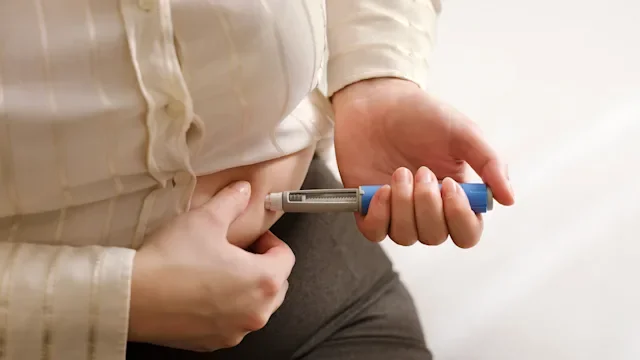
Many women have shared stories of their “Ozempic babies” — unexpected pregnancies while taking weight-loss medications like semaglutide (Ozempic, Wegovy) and tirzepatide (Mounjaro, Zepbound).
Glucagon-like peptide-1 (GLP-1) medications most likely improve fertility through weight loss. They may also make birth control pills less effective, especially when starting the medication and after increasing your dose.
Little is known about how weekly weight-loss injectables affect pregnancy and developing babies long term. It’s recommended you stop these medications 2 months before trying to get pregnant.
If you do become pregnant while taking semaglutide or tirzepatide, you should stop the medication immediately and contact your prescriber. You can start it again when you’re no longer pregnant or nursing.
Save on related medications
Semaglutide (Ozempic, Wegovy) and tirzepatide (Mounjaro, Zepbound) belong to a group of oral and injectable medications commonly used for weight loss. Originally approved for Type 2 diabetes, these medications are known as glucagon-like peptide-1 (GLP-1) receptor agonists.
In addition to weight loss, one surprising side effect of these medications has been increased fertility and pregnancy.
So, you may be wondering: Is it safe to take medications like semaglutide and tirzepatide to get pregnant? And what happens if you do get pregnant while taking these medications?
Let’s take a closer look at how likely it is to have “Ozempic babies” while taking GLP-1 medications.
What are Ozempic babies?
“Ozempic babies” is the term for the unexpected — and surprising — side effect of pregnancy in some women while taking GLP-1s. Many people who’d given up on ever becoming pregnant have been able to conceive while taking medications like semaglutide (Ozempic, Wegovy) and tirzepatide (Mounjaro, Zepbound).
These “Ozempic babies” make sense. For people with excess weight and low fertility, losing weight typically helps restore normal menstrual periods and ovulation — both of which can help with pregnancy.
Does Ozempic affect fertility?
It certainly seems so. There are many anecdotal reports of people becoming pregnant while taking semaglutide and other medications that mimic GLP-1.
But to date, there’s no formal data on this. GLP-1 medications haven’t been studied as fertility treatments. And women who were planning on becoming pregnant weren’t part of the clinical trials on semaglutide and tirzepatide.
This is because it’s not ethical to expose someone who could be pregnant or wants to become pregnant to a medication that isn’t known to be safe in pregnancy.
So, data on whether or not these medications affect fertility will need to be gathered in alternative ways. In other words, as more people take these medications and become pregnant, researchers and clinicians will be able to collect more indirect information about whether GLP-1 medications do improve fertility.
How does semaglutide affect fertility?
There are two ways that GLP-1 medications may affect fertility. One is through weight loss. The other may be by making birth control pills less effective. Let’s look at both.
Weight loss
Excess body fat can lower fertility. It does this by interrupting your menstrual cycle and preventing you from ovulating. So, in people with excess body weight, losing weight can result in:
Restored ovulation
More regular menstrual cycles
Improved fertility

Read more like this
Explore these related articles, suggested for readers like you.




Most of the evidence for this comes from research in women with polycystic ovarian syndrome (PCOS). This is a common hormonal imbalance that’s linked with weight gain, irregular menstrual cycles, and low fertility. Other linked health issues are Type 2 diabetes, high blood pressure, and high cholesterol, as well as acne.
There’s no cure for PCOS, but weight loss can improve symptoms. Lifestyle changes to eating habits and exercise are a good place to start. And GLP-1 medications help normalize menstrual cycles and improve fertility. They’re so effective that they were recommended as part of treatment guidelines for adults with PCOS and higher weight.
More research is underway to support the use of semaglutide as treatment for PCOS.
Does Ozempic affect birth control?
Mounjaro and Zepbound include a warning in their prescribing information that they may reduce the effectiveness of birth control pills. This is especially the case when starting them and after dose increases.
This effect may be due to how medication slows the passage of food through the stomach. This makes you feel fuller longer. But it could also interfere with how any pills — including birth control pills — are absorbed.
With Ozempic and Wegovy, the warning is less clear. It says there’s a chance that all oral medications may be less well absorbed.
Because of the way that GLP-1 medications act on digestion, they shouldn’t affect the effectiveness of birth control methods that aren’t pills. Examples of these are:
Intrauterine devices (IUDs)
Implants
Patches
Vaginal rings
Should you take Ozempic when trying to get pregnant?
There’s not a straightforward answer here. If you’re considering pregnancy, discuss your medications, health, and weight goals with your primary care provider or obstetrician. The decision to start, continue, or stop a medication like semaglutide or tirzepatide should be based on a careful assessment of the benefits and potential risks.
To be clear, GLP-1 medications aren’t typically recommended for women who are actively trying to conceive. The role of these medications is to manage blood sugar levels and manage weight. And their impact on a developing pregnancy isn’t well understood.
That said, healthcare professionals do recommend a stable and comfortable weight before trying to become pregnant. Both excess weight and low body weight can negatively impact fertility and the health of a pregnancy.
So, in some cases, GLP-1 medications could be part of a weight-management plan before pregnancy. But, once you do become pregnant, you’d need to transition to an approach that’s proven to be safe in pregnancy.
These medications last a long time in the body. So you should plan to come off them at least 2 months before trying to get pregnant.
Is Ozempic safe while pregnant?
It’s probably not safe to take semaglutide or other GLP-1 medications while pregnant. Exceptions would be when the risks of stopping the medication outweigh the risks of continuing it.
Pregnant women (and those who were planning to become pregnant) were excluded from Ozempic trials. So there’s no long-term safety data on whether Ozempic and other GLP-1s are safe for a developing baby. But there’s evidence from animal studies that these medications may cause harm to the pregnant mother and the pregnancy.
On the other hand, small studies compared GLP-1 medications to other diabetes medications in early pregnancy in people with Type 2 diabetes. And they found no increase in major birth defects. That’s reassuring, but it’s not really enough to say that it’s safe to take these medications while pregnant.
Much more research is needed to know if GLP-1 medications are safe in pregnancy. But use of these medications for weight loss is rising quickly. So, experts’ understanding of this is likely to change rapidly.
Here’s why: More and more people will take these medications and become pregnant while taking them. As this happens, drug registries will be able to collect information about what effects GLP-1 receptor agonists may have on pregnancy, your health, and the health of your baby.
There’s a Wegovy drug registry collecting data about the safety of Wegovy in pregnancy. It plans to continue until summer 2027. A pregnancy registry for Zepbound is expected, too, but it isn’t active yet. If you become pregnant while taking Zepbound, the manufacturer recommends calling 1-800-545-5979.
Quiz: Am I pregnant?
I got pregnant while taking Ozempic: What should I do now?
First of all, don’t panic. If you take semaglutide or tirzepatide and you find out you’re pregnant, the best course of action is to stop the medication immediately and contact your prescriber. They’ll be able to guide you on how to manage your pregnancy and any other medical conditions you were treating with the GLP-1s, given your health history.
Frequently asked questions
There’s early data that semaglutide and other GLP-1 medications may enhance sperm production and motility and improve fertility. Research is ongoing in the area of male fertility and GLP-1s to determine the full impact on sperm.
If you’re concerned about your fertility, talk to a fertility specialist. They can help you weigh the risks and benefits of taking this medication.
The FDA says it can’t rule out a risk to a developing pregnancy for both semaglutide and tirzepatide. In other words, there’s not enough evidence to say that semaglutide and tirzepatide do — or don’t —cause birth defects.
There aren’t enough studies to know exactly how Ozempic affects babies. Small studies have shown that injectable GLP-1 medications:
Don’t pass to infants who are nursing
That’s not true for oral GLP-1s however.
It’s still too early to know how safe Ozempic exposure is for babies. It’s generally recommended to avoid Ozempic and other GLP-1 medications while breastfeeding unless the benefits far outweigh the risks.
There’s early data that semaglutide and other GLP-1 medications may enhance sperm production and motility and improve fertility. Research is ongoing in the area of male fertility and GLP-1s to determine the full impact on sperm.
If you’re concerned about your fertility, talk to a fertility specialist. They can help you weigh the risks and benefits of taking this medication.
The FDA says it can’t rule out a risk to a developing pregnancy for both semaglutide and tirzepatide. In other words, there’s not enough evidence to say that semaglutide and tirzepatide do — or don’t —cause birth defects.
There aren’t enough studies to know exactly how Ozempic affects babies. Small studies have shown that injectable GLP-1 medications:
Don’t pass to infants who are nursing
That’s not true for oral GLP-1s however.
It’s still too early to know how safe Ozempic exposure is for babies. It’s generally recommended to avoid Ozempic and other GLP-1 medications while breastfeeding unless the benefits far outweigh the risks.
The bottom line
Many people have described becoming pregnant after using weight-loss injectables like semaglutide and tirzepatide. This is likely because for women with excess body fat, weight loss can help restore normal ovulation and menstrual cycles. Along with this, it can restore fertility.
But it’s not clear yet whether glucagon-like peptide-1 (GLP-1) medications are safe for use in early pregnancy. And it’s possible that they aren’t.
This makes it difficult to safely recommend their use for anyone trying to become pregnant. If you use semaglutide or tirzepatide and find yourself pregnant, you should stop your weight-loss medication immediately and contact your prescriber.

Why trust our experts?



References
Cesta, C. E., et al. (2024). Safety of GLP-1 receptor agonists and other second-line antidiabetics in early pregnancy. JAMA Internal Medicine.
Cheng, M., et al. (2024). ‘Ozempic babies’: What the science says on whether the drug leads to surprise pregnancies, and their safety if they do. KCRA.
ClinicalTrials.gov. (2023). A study to evaluate the safety of exposure to Wegovy during pregnancy. U.S. National Library of Medicine.
ClinicalTrials.gov. (2024). Role of semaglutide in restoring ovulation in youth and adults with polycystic ovary syndrome (RESTORE). U.S. National Library of Medicine.
Drugs and Lactation Database (LactMed). (2024). Semaglutide. National Institute of Child Health and Human Development.
Eli Lilly and Company. (2026). Zepbound (tirzepatide).
Novo Nordisk A/S. (2024). Wegovy [package insert].
Klein, A. (2024). An Ozempic baby boom? Some GLP-1 users report unexpected pregnancies. The Washington Post.
Teede, H. J., et al. (2023). Recommendations from the 2023 International Evidence-based Guideline for the Assessment and Management of Polycystic Ovary Syndrome. American Society for Reproductive Medicine.
Varnum, A. A., et al. (2023). Impact of GLP-1 agonists on male reproductive health — A narrative review. Medicina (Kaunas, Lithuania).
Zhou, L., et al. (2023). Effects of GLP1RAs on pregnancy rate and menstrual cyclicity in women with polycystic ovary syndrome: A meta-analysis and systematic review. BMC Endocrine Disorders.