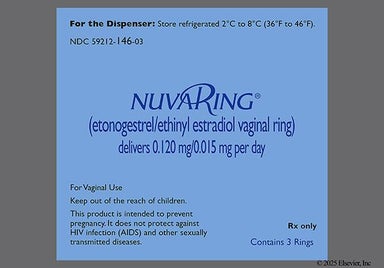
NuvaRing
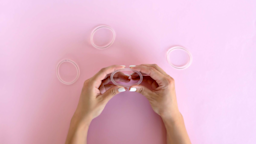
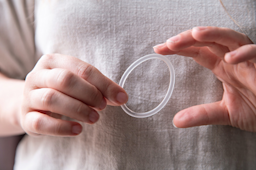
NuvaRing (etonogestrel / ethinyl estradiol) can be used as birth control to help prevent pregnancy. It contains two hormones: a progestin and an estrogen. It's a latex-free, flexible plastic ring that’s inserted into the vagina. You keep it in your vagina for 3 weeks before you remove it for 1 week, and then you start again with a new ring. NuvaRing (etonogestrel / ethinyl estradiol) can cause side effects like headache and irritation in the vagina. Some people might also gain weight while using the medication. There are detailed instructions to help you use it properly. This birth control ring is available as brand-name and generic versions.


What is NuvaRing (etonogestrel / ethinyl estradiol)?
What is NuvaRing (etonogestrel / ethinyl estradiol) used for?
- Prevention of pregnancy
How NuvaRing (etonogestrel / ethinyl estradiol) works
NuvaRing contains a combination of two hormones: etonogestrel (a progestin) and ethinyl estradiol (an estrogen). These hormones work together to prevent pregnancy in a few ways.
- It stops ovulation (the release of an egg from the ovary).
- It makes the mucus in your cervix thicker so it’s harder for sperm to move through and fertilize an egg.
- It changes the lining of the uterus (womb) so it's harder for a fertilized egg to attach onto.
Drug facts
More on NuvaRing (etonogestrel / ethinyl estradiol) essentials

Side effects of NuvaRing (etonogestrel / ethinyl estradiol)
The following side effects may get better over time as your body gets used to the medication. Let your healthcare provider know immediately if you continue to experience these symptoms or if they worsen over time.
Common Side Effects
- Inflammation or irritation of the vagina (14%)
- Headache, including migraine (11%)
- Mood changes (e.g., depression, mood swings; 6%)
- Device-related events (e.g., ring accidentally coming out, feeling discomfort in the vagina; 6%)
- Nausea or vomiting (6%)
- Vaginal discharge (6%)
- Weight gain (5%)
Less Common Side Effects
- Breast pain, discomfort, or tenderness
- Menstrual cramps and pain
- Stomach pain
- Acne
- Lower sex drive
NuvaRing (etonogestrel / ethinyl estradiol) serious side effects
Contact your healthcare provider immediately if you experience any of the following.
- Stroke: sudden changes in vision, speech, balance, or coordination; face drooping; sudden weakness in one arm; severe headache; confusion
- Heart attack: chest pain, arm pain, sweating, shortness of breath
- Deep vein thrombosis (blood clot in the leg): tenderness, swelling, or pain in the leg that doesn’t go away
- Pulmonary embolism (blood clot in the lung): sudden shortness of breath, cough, chest pain, racing heart
- Liver or gallbladder problems: yellow skin or eyes, pain in the upper right side of the stomach, dark urine
- Toxic shock syndrome (TSS): sudden high fever, skin redness that looks like a sunburn, body aches, headache, sore throat, vomiting, diarrhea, dizziness
- Serious allergic reaction: swelling of the face, mouth, or tongue; swelling around the eyes; swelling of the throat; trouble breathing; anaphylaxis
The following NuvaRing (etonogestrel / ethinyl estradiol) side effects have also been reported
Side effects that you should report to your care team as soon as possible:
- Allergic reactions—skin rash, itching, hives, swelling of the face, lips, tongue, or throat
- Blood clot—pain, swelling, or warmth in the leg, shortness of breath, chest pain
- Gallbladder problems—severe stomach pain, nausea, vomiting, fever
- Increase in blood pressure
- Liver injury—right upper belly pain, loss of appetite, nausea, light-colored stool, dark yellow or brown urine, yellowing skin or eyes, unusual weakness or fatigue
- New or worsening migraines or headaches
- Stroke—sudden numbness or weakness of the face, arm, or leg, trouble speaking, confusion, trouble walking, loss of balance or coordination, dizziness, severe headache, change in vision
- Toxic shock syndrome—fever, headache, general discomfort and fatigue, vomiting, diarrhea, rash or peeling of the skin over hands or feet
- Unusual vaginal discharge, itching, or odor
- Vaginal pain, irritation, or sores
- Worsening mood, feelings of depression
Side effects that usually do not require medical attention (report to your care team if they continue or are bothersome):
- Breast pain or tenderness
- Dark patches of skin on the face or other sun-exposed areas
- Irregular menstrual cycles or spotting
- Nausea
- Weight gain

Get your GoodRx coupon

Pros and cons of NuvaRing (etonogestrel / ethinyl estradiol)
Pros
- A flexible plastic ring that you place into the vagina for 3 weeks at a time (not taken once a day)
- Can insert and take out the birth control ring on your own
- Very effective at preventing pregnancy when used as directed
Cons
- Need to remember when to take out the ring and when to insert a new one
- Can accidentally come out during sex, bowel movements, or if it breaks
- Not recommended for people over 35 who smoke because of higher risk of blood clots and stroke

Pharmacist tips for NuvaRing (etonogestrel / ethinyl estradiol)

- Follow the instructions on how to use NuvaRing (etonogestrel / ethinyl estradiol). Keep the birth control ring in the vagina for 3 weeks, take it out, then wait a week before putting a new ring in. Ask your prescriber, gynecologist, or pharmacist if you have any questions.
- Set up an alarm or reminder to take out your NuvaRing (etonogestrel / ethinyl estradiol) and put in a new one. Use the same day of the week and the same general time so the ring can work as well as it can. For example, if you put your ring in on Sunday at 7 PM, you should remove the ring 3 weeks later on Sunday around 7 PM. Then, insert a new ring 1 week later on Sunday at about the same time.
- How to store NuvaRing (etonogestrel / ethinyl estradiol): Store unused rings at room temperature for up to 4 months or until the expiration date. Keep them in their original packaging. Stay away from direct sunlight and temperatures above 86ºF.
- How to insert NuvaRing (etonogestrel / ethinyl estradiol): Wash and dry your hands before inserting the ring into the vagina. Lie down, squat, or stand with one leg up. Make sure you're comfortable. Press the sides of the ring together with your thumb and index finger. Insert the folded ring into the vagina. Use your index finger to gently push it up as far as you can. Wash and dry your hands afterwards.
- How to remove NuvaRing (etonogestrel / ethinyl estradiol): Wash and dry your hands well before getting into the same position as if you were putting in the ring. Put your index finger into your vagina. Once you find the ring, hook your finger through it. Take the ring out by gently pulling it down and forward. Put the used ring in the resealable foil pouch and throw it in the trash. Wash your hands again.
- After taking out NuvaRing (etonogestrel / ethinyl estradiol) for the one-week break: You’ll usually get your period (called withdrawal bleeding) 2 to 3 days after taking the ring out. It's okay if you’re still on your period when it’s time to put in a new ring. But if you miss your period, call your prescriber or gynecologist. If you could be pregnant, it might be a good idea to take a pregnancy test to check.
- NuvaRing (etonogestrel / ethinyl estradiol) should still help prevent pregnancy during your off week. This is as long as you've been using it the right way (3 weeks in the vagina, 1 week out). If you're not sure the ring is working during the off week (or any time while using it), you can use a condom during sex for extra protection.
- What to expect between periods: You might get some spotting or light bleeding. This is more likely to happen in the first 3 months of using the birth control ring. If spotting or breakthrough bleeding doesn't stop, tell your prescriber. Also let them know if your bleeding becomes unusual after having regular periods. They might need to check why it’s happening or change your birth control.
- In general, most people don’t feel NuvaRing (etonogestrel / ethinyl estradiol) once it’s placed into the vagina. It’s normal for the ring to move around a little inside your body, but you shouldn’t feel pain or discomfort. If you do, especially right after you’ve put in the ring and can’t find it, tell your prescriber or gynecologist.
- It's okay to use tampons with NuvaRing (etonogestrel / ethinyl estradiol). Tampons don't change how well the birth control works or make it stop working. Be sure to put in the ring first before the tampon. This makes it less likely that you'll pull the ring out when you take out the tampon. If you accidentally pull the ring out while using a tampon, rinse it with cool or warm water and put it back in right away.
- If the ring is accidentally taken out during the 3-week period: Rinse it with cool or lukewarm water and put it back into the vagina as soon as possible or within 3 hours. If the ring is out for more than 3 continuous hours, ask your prescriber or pharmacist what you should do next. You might need to use a non-hormonal method (condom) along with using the ring as back up for a week.
- If you forget to put in a new ring, take it out on time, or if it breaks: Ask your prescriber or pharmacist for guidance. You might need to use back-up birth control together with the ring for a week. Use a non-hormonal method, like condoms.
- Avoid using vaginal products like diaphragms or female condom. NuvaRing (etonogestrel / ethinyl estradiol) might affect how they sit in the vagina.
- Headaches can be a common side effect of NuvaRing (etonogestrel / ethinyl estradiol). But if you have any headaches that keep coming back, don't go away, or get worse, let your prescriber know. They can examine you and help manage this problem. You might have to stop using the ring because certain types of migraines can raise the risk of stroke.
- Wear sunscreen when you use NuvaRing (etonogestrel / ethinyl estradiol). Also, try to stay out of direct sunlight and don't use tanning beds. This medication can cause dark spots on your face and sometimes other areas of sun-exposed skin.
- Talk to your primary care provider if you start feeling sad or depressed while using NuvaRing (etonogestrel / ethinyl estradiol). They can help you and decide if you should keep using the birth control ring.
- NuvaRing (etonogestrel / ethinyl estradiol) doesn’t protect you from human immunodeficiency virus (HIV) or other sexually transmitted infections (STIs). Use a condom (but not a female condom) during sex to stay protected.

Common questions about NuvaRing (etonogestrel / ethinyl estradiol)
Studies show that NuvaRing (etonogestrel / ethinyl estradiol) works very well if you use it perfectly every time. It's about 98% effective. This means if 100 people use the ring perfectly for a year, only 2 of them would get pregnant. But in real life, it might be closer to 93% effective. This takes into account mistakes that people might make. It can include forgetting to put in a new ring on time. Another example is if the ring is out of the vagina for more than 3 hours in a row during the 3 weeks you're supposed to have it in. If you have questions about how well NuvaRing (etonogestrel / ethinyl estradiol) works, talk to your prescriber or gynecologist.
After you put your first NuvaRing (etonogestrel / ethinyl estradiol) into your vagina, it can take up to 7 days to start preventing pregnancy. Depending on your situation, you might need to use back-up birth control (like a condom) during sex for those first 7 days that you have the ring in. This gives you extra protection while you wait for the ring to start working fully. Ask your prescriber or gynecologist if you need to use extra birth control when you first start using NuvaRing (etonogestrel / ethinyl estradiol).
Ask your prescriber or gynecologist when and how to start using NuvaRing (etonogestrel / ethinyl estradiol). It can be different for everyone. This is because it depends on if you’ve used birth control before and the type of birth control you've used. It can also depend on if you’ve recently had a baby, an abortion, or a miscarriage. Each situation has its own set of instructions on when and how to start the birth control ring. In some cases, you'll need to use back-up birth control (like condoms) during sex for the first week of using the ring. This gives you extra help in preventing pregnancy while you wait for the ring to start working fully.
Yes, you can have sex with NuvaRing (etonogestrel / ethinyl estradiol) in your vagina. During sex, you and your partner might feel it. But most people don’t find this to be a problem. Check that the ring is still in the vagina before and after having sex. If the ring accidentally slips out, rinse it with cold or warm water and put it back in within 3 hours.
When you get NuvaRing (etonogestrel / ethinyl estradiol) from the pharmacy, it will be cold. That's because they have to keep it in the fridge until you buy it. But once you take it home, you can keep the rings at room temperature for up to 4 months or until the expiration date. Don't put them in direct sunlight or in temperatures above 86ºF. If you have questions about how to store your NuvaRing (etonogestrel / ethinyl estradiol), ask your pharmacist.
Leave NuvaRing (etonogestrel / ethinyl estradiol) in your vagina for 3 weeks at a time. After 3 weeks, take it out. Then, wait one full week before putting in a brand new ring for another 3 weeks. Keep repeating this cycle for as long as you want to avoid getting pregnant. If you forget and leave the ring in for 4 weeks, take it out. Then, wait a full week before putting in a new ring. If you've left the ring in for longer than 4 weeks, take it out. If you've had sex, you should take a pregnancy test. Once you know you're not pregnant, put in a new ring. Also use a back-up birth control method (like a condom) during sex for the first week you have the new ring in.
Yes. If it's your first time using NuvaRing (etonogestrel / ethinyl estradiol) and you've never used hormonal birth control before, put the ring into your vagina on the very first day of your period. You can also put in your first ring between days 2 and 5 of your period. In that case, use back-up birth control (like a condom) when you have sex during the first 7 days of using the ring. This provides extra protection as you wait for the ring to start working completely. During the one-week break when you don't have a ring in, you’ll usually get your period. It's totally fine if you’re still on your period when it's time to put in a new ring.
NuvaRing, EluRyng, EnilloRing, and Haloette are all birth control options that come as plastic rings. They all contain the same hormones: etonogestrel and ethinyl estradiol. They're used in the same way — you put them in your vagina for 3 weeks, take it out, then wait a week before putting a new one in. NuvaRing is the brand-name version that was first approved by the FDA. Later, generic versions of the ring became available (EluRyng first, then Haloette and EnilloRing). These generic versions might have packaging that looks different. But they all work just as well as NuvaRing to prevent pregnancy. Talk to your prescriber or gynecologist to see which version is best for you.

How to save using GoodRx

Risks and warnings for NuvaRing (etonogestrel / ethinyl estradiol)
NuvaRing (etonogestrel / ethinyl estradiol) can cause some serious health issues. This risk may be even higher for certain groups. If this worries you, talk to your doctor or pharmacist about other options.
Cigarette smoking and the risk of serious health problems
- Risk factors: Over 35 years old and smoke cigarettes
 If you smoke cigarettes, using combined hormonal birth control like NuvaRing (etonogestrel / ethinyl estradiol) can make you more likely to get blood clots. Blood clots can sometimes cause very serious problems, like heart attack or stroke. This risk goes up if you're over 35 years old. It also goes up with the more cigarettes you smoke.
 If you're over 35 and you smoke, you shouldn't use NuvaRing (etonogestrel / ethinyl estradiol). Talk to a healthcare professional about birth control options that are safer for you.
Risk of blood clots and related complications (e.g., heart attack, stroke)
- Risk factors: Over 35 and smoke cigarettes | Personal or family history of blood clots | High blood pressure | Diabetes (high blood sugar) | Migraine headaches | Not moving for a long period of time, like after surgery or during travel
Using combined hormonal birth control like NuvaRing (etonogestrel / ethinyl estradiol) has a small risk of causing clots. These clots can happen anywhere in the body. It can happen in the leg (a deep vein thrombosis or DVT). A clot can also travel to the lung and cause serious problems (a pulmonary embolism or PE). What's more, clots can reach near the brain (raising the risk for a stroke) or heart (raising the risk for a heart attack).
Before starting NuvaRing (etonogestrel / ethinyl estradiol), tell your prescriber about your full medical history. They can check your risk of blood clots and these serious complications. They can help make sure this birth control ring is safe for you to use.
Also let your prescriber know at least a month before a planned surgery. They can tell you when you should stop using NuvaRing (etonogestrel / ethinyl estradiol) and when you can start again. This helps lower your risk of blood clots during and after the surgery.
Know how to spot signs of a blood clot and the serious problems related to them.
- Deep vein thrombosis (clot in the legs): swelling, tenderness, or pain in the leg
- Pulmonary embolism (clot in the lungs): shortness of breath
- Eye problems (clot in the eye): double vision, partial or complete blindness, trouble seeing, other changes in vision
- Heart attack (clot near the heart): chest pain, arm pain, dizziness, cold sweat
- Stroke (clot near the brain): sudden weakness on one side of the body; face drooping; changes in speech, vision, balance, or coordination; severe headache
Stop using NuvaRing (etonogestrel / ethinyl estradiol) or take the ring out and go to the emergency room if this happens.
Toxic shock syndrome (TSS)
- Risk factors: Using tampons
Some people using NuvaRing (etonogestrel / ethinyl estradiol) have gotten a serious illness called toxic shock syndrome (TSS). This is caused by certain bacteria and is usually linked to tampon use. In rare cases, people got TSS while using NuvaRing (etonogestrel / ethinyl estradiol) and tampons at the same time.
Get emergency help if you have signs of TSS. Watch for signs like flu-like symptoms, a sunburn-like rash, muscle aches, vomiting, diarrhea, and dizziness. If you have TSS, you'll need hospital care to get treated.
Liver problems
- Risk factors: History of liver problems | Using combined hormonal birth control for more than 8 years | Taking certain hepatitis C combination medications
Although rare, hormonal birth control like NuvaRing (etonogestrel / ethinyl estradiol) can raise the risk of liver problems, like liver damage. It's also very rare for this type of birth control to raise the risk of liver tumors with long-term use.
Don't use NuvaRing (etonogestrel / ethinyl estradiol) if you have liver problems. Also talk to your prescriber if you take hepatitis C medications because of the risk of liver injury. Your prescriber can make sure this birth control ring is safe for you.
It's important to know the signs of liver problems. Watch out for yellow skin or eyes, pain in the upper right stomach area, loss of appetite, and dark urine. If this happens, stop using NuvaRing (etonogestrel / ethinyl estradiol) or take the ring out and call your prescriber.
High blood pressure
- Risk factors: High blood pressure | Older age | Using NuvaRing (etonogestrel / ethinyl estradiol) for a long time
Your blood pressure might go up while using combined hormonal birth control like NuvaRing (etonogestrel / ethinyl estradiol). Ask your prescriber to see if it's a good idea to check your blood pressure often at home. If your blood pressure is a lot higher than usual, stop using this medication and tell your prescriber.
Most of the time, you won't feel any signs that your blood pressure is high. But get medical help right away if your vision changes, you have a headache, your heart beats very fast, and you feel confused. These could be signs that your blood pressure is dangerously high.
If you have high blood pressure that isn’t controlled or at goal, don’t use NuvaRing (etonogestrel / ethinyl estradiol).
Vaginal irritation
- Risk factors: Conditions that make the vagina more likely to have irritation or ulcers
You use NuvaRing (etonogestrel / ethinyl estradiol) by inserting it into your vagina. Because of this, your vagina can sometimes get irritated. In some rare cases, it can cause injuries, like erosions or sores, in the vagina or cervix. Tell your prescriber if you feel vaginal itching or burning or if you have unusual discharge while using the ring.
If you already have problems with your vagina or cervix, talk to a healthcare professional. Also talk to them if you're worried about how NuvaRing (etonogestrel / ethinyl estradiol) might affect these areas. They can help you decide if it's a good option for you.
Gallbladder problems
- Risk factors: History of gallbladder problems | Jaundice
Studies suggest that hormonal birth control like NuvaRing (etonogestrel / ethinyl estradiol) might raise the risk of gallbladder problems. Tell your prescriber if you’ve had gallbladder issues or jaundice (yellow skin or eyes) before. You might be at a higher risk, so your care team might check on you more often.
Get medical help if you have jaundice, fever, chills, nausea, vomiting, pain in the upper right side of your stomach, or dark urine. These could be signs of gallbladder problems. Your care team can check to make sure your gallbladder is okay.
High blood sugar, high cholesterol, and high triglyceride levels
- Risk factors: History of prediabetes or diabetes | High cholesterol | Personal or family history of high triglyceride levels
Hormonal birth control like NuvaRing (etonogestrel / ethinyl estradiol) might make your blood sugar go up. This is because it can make it harder for your body to use sugar well. If you have diabetes or prediabetes, ask your care team if you need to check your blood sugar more often. Tell them if your blood sugar stays higher than usual.
Some people might also have higher cholesterol and triglyceride levels while using hormonal birth control. If you have high cholesterol, talk to your prescriber to see if NuvaRing (etonogestrel / ethinyl estradiol) is safe for you.
If you already have high triglycerides, or if someone in your family does, you might be at risk of getting pancreatitis (inflammation of the pancreas) while using hormonal birth control. Tell your care team if you have severe stomach pain that spreads to your back, nausea, or a fever. These might be signs of pancreatitis.
Possible risk of breast cancer or cervical cancer
- Risk factors: History of breast cancer | Current, long-term, or recent users of combined hormonal birth control
Based on studies, it’s not clear if there’s a link between combined hormonal birth control like NuvaRing (etonogestrel / ethinyl estradiol) and the risk of breast cancer or cervical cancer. But it's possible that it could affect your risk.
NuvaRing (etonogestrel / ethinyl estradiol) has hormones called estrogen and progestin. Some cancers, like breast cancer, can be hormone-dependent. This means that the cancer can grow with the help of these hormones. Some studies suggest there's a slightly higher risk of breast cancer or cervical cancer if you’ve taken birth control pills for a long time.
To be safe, don’t use NuvaRing (etonogestrel / ethinyl estradiol) if you have or have had breast cancer. If you’re worried about your risk of cancer, talk to your prescriber or gynecologist. They can help you choose the best birth control option for you.
More on NuvaRing (etonogestrel / ethinyl estradiol) warnings


NuvaRing (etonogestrel / ethinyl estradiol) dosage

Typical dosage for NuvaRing (etonogestrel / ethinyl estradiol)
Each vaginal ring releases 0.12 mg of etonogestrel and 15 mcg of ethinyl estradiol per day.
-
Weeks 1 to 3: Insert one ring into the vagina. Then, keep it in place for the next 3 weeks. Take out the ring from the vagina at the end of week 3.
-
Week 4: Don’t use any rings this week.
Keep repeating this 4-week cycle to prevent pregnancy. Insert a new ring on the first day of your next cycle (7 days after you remove the old one).

How much does NuvaRing (etonogestrel / ethinyl estradiol) cost?

NuvaRing (etonogestrel / ethinyl estradiol) contraindications
Contraindications are specific health conditions or situations in which a person should not take a medication due to safety concerns. If you have any of the following conditions or if any of the following apply to you, let your healthcare provider know because NuvaRing (etonogestrel / ethinyl estradiol) will not be safe for you to take.
- At high risk of blood clots
- Over age 35 and smoke
- Over age 35 and have migraine headaches
- Migraine headaches with aura
- Currently have or have had a blood clot (DVT or PE)
- History of stroke
- Coronary artery disease (CAD)
- Certain heart rhythm problems, like atrial fibrillation (AFib)
- Uncontrolled high blood pressure
- Medical conditions that make clotting easier
- Diabetes with long-term complications
- Liver tumors or other liver problems
- Currently pregnant
- Currently have or have had breast cancer
- Abnormal vaginal bleeding that your prescriber doesn’t know about or you haven’t gone to them about
- Take hepatitis C medications containing ombitasvir/paritaprevir/ritonavir, with or without dasabuvir

What are alternatives to NuvaRing (etonogestrel / ethinyl estradiol)?

News about NuvaRing (etonogestrel / ethinyl estradiol)






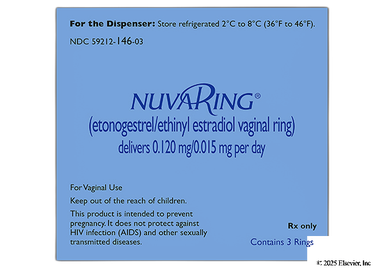
NuvaRing (etonogestrel / ethinyl estradiol) images