



10 CellCept (Mycophenolate Mofetil) Side Effects, and How to Manage Them
Read on to learn the side effects of CellCept — including common, rare, and long-term side effects — and how to manage them.
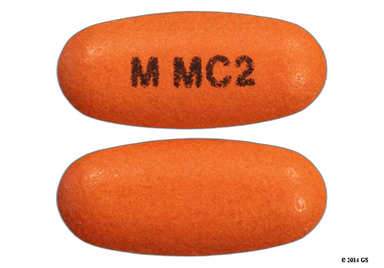
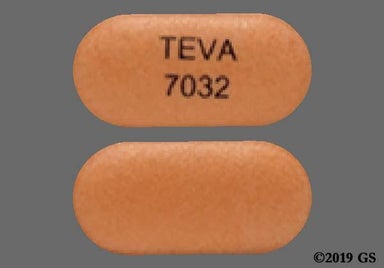
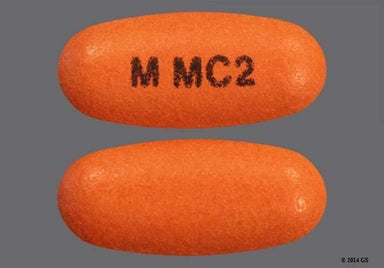
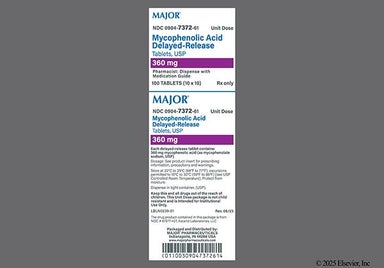
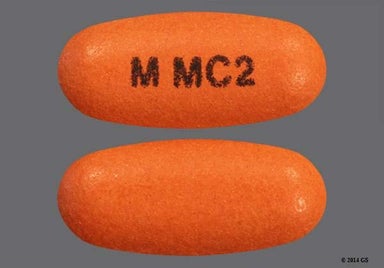
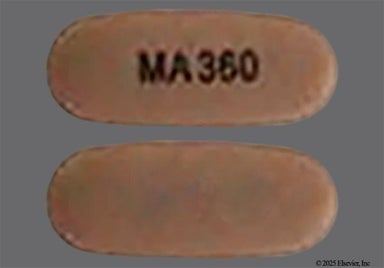
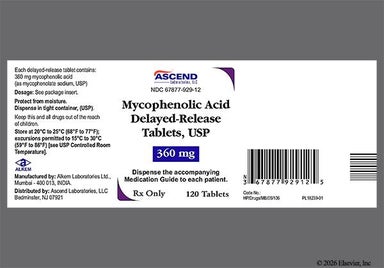
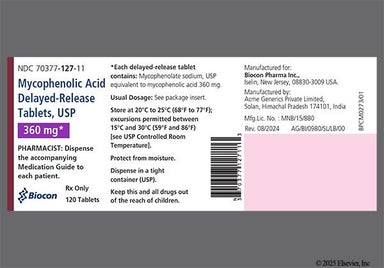
Mycophenolic acid (Myfortic) is a transplant medication that helps prevent rejection after a kidney transplant in people 5 years and older. It's an immunosuppressant, which means that it works by weakening the immune system. Mycophenolic acid (Myfortic) is a tablet that's taken by mouth two times a day. The tablets have a special coating on them, which can help lessen gastrointestinal-related side effects such as upset stomach and diarrhea. Your transplant team might refer to the medication by its generic name, mycophenolic acid, or by its brand name, Myfortic.

Mycophenolic acid (Myfortic) is a type of immunosuppressant medication called an antiproliferative agent. The medication lowers the activity of your immune system by blocking your body from making certain immune system cells. You need a suppressed or weakened immune system after you receive a kidney transplant so that your body doesn't reject the new kidney.
| Common Brands | Myfortic |
|---|---|
| Drug Class | Immunosuppressant |
| Controlled Substance Classification | Not a controlled medication |
| Generic Status | Lower-cost generic available |
| Availability | Prescription only |

The following side effects may get better over time as your body gets used to the medication. Let your healthcare provider know immediately if you continue to experience these symptoms or if they worsen over time.
Contact your healthcare provider immediately if you experience any of the following.
Along with its needed effects, a medicine may cause some unwanted effects. Although not all of these side effects may occur, if they do occur they may need medical attention.
Check with your doctor immediately if any of the following side effects occur:
More common
Black, tarry stools
bladder pain
bleeding gums
bloating or swelling of the face, arms, hands, lower legs, or feet
blood in the urine or stools
blurred vision
body aches or pain
bone pain
burning or stinging of the skin
cloudy urine
confusion
convulsions
decrease in the amount of urine
decreased frequency or amount of urine
difficult, burning, or painful urination
dizziness or lightheadedness
drowsiness
ear congestion
fainting
fast, pounding, or irregular heartbeat or pulse
fever or chills
flushed, dry skin
frequent urge to urinate
fruit-like breath odor
headache
incoherent speech
increase in heart rate
increased blood pressure
increased hunger
increased thirst
increased urination
joint pain, stiffness, or swelling
loss of appetite
loss of consciousness
loss of voice
lower back, side, or stomach pain
metallic taste
muscle cramps in the hands, arms, feet, legs, or face
muscle spasms or twitching
muscle weakness
nausea or vomiting
nervousness
noisy, rattling breathing
numbness and tingling around the mouth, fingertips, hands, or feet
painful blisters on the trunk of the body
painful cold sores or blisters on the lips, nose, eyes, or genitals
pale skin
pinpoint red spots on the skin
rapid breathing
red, tender, or oozing skin at incision
sores, ulcers, or white spots on the lips or in the mouth
stomach pain or cramps
sunken eyes
sweating
swelling
swollen glands
thirst
tightness in the chest
trouble breathing at rest or with exertion
unusual bleeding or bruising
unusual tiredness or weakness
unusual weight gain or loss
weakness or heaviness of the legs
Some side effects may occur that usually do not need medical attention. These side effects may go away during treatment as your body adjusts to the medicine. Also, your health care professional may be able to tell you about ways to prevent or reduce some of these side effects. Check with your health care professional if any of the following side effects continue or are bothersome or if you have any questions about them:
More common
Acid or sour stomach
back pain
belching
bleeding gums
blemishes on the skin
bruising
difficulty moving
excess air or gas in the stomach or intestines
facial hair growth in females
full feeling
full or round face, neck, or trunk
increased hair growth, especially on the face
increased thirst or urination
indigestion
irritability
irritation in the mouth
itching skin
loose stools
loss of sexual desire or ability
menstrual irregularities
muscle pains or stiffness
pain or tenderness around the eyes and cheekbones
passing gas
redness and swelling of the gums
shakiness in the legs, arms, hands, or feet
sore mouth or tongue
stomach discomfort or upset
trouble sleeping
upper abdominal or stomach pain
white patches in the mouth or on the tongue
Other side effects not listed may also occur in some patients. If you notice any other effects, check with your healthcare professional.
Call your doctor for medical advice about side effects. You may report side effects to the FDA at 1-800-FDA-1088.




Mycophenolic acid (Myfortic) can cause some serious health issues. This risk may be even higher for certain groups. If this worries you, talk to your doctor or pharmacist about other options.
 Avoid taking mycophenolic acid (Myfortic) while pregnant if there are safer treatment options available because the medication can harm an unborn baby if it's taken during pregnancy. Studies show that taking mycophenolic acid (Myfortic) during pregnancy can raise the risk for miscarriage (pregnancy loss) in the first trimester and for birth defects. Talk to your transplant specialist or pharmacist if you have questions about your options for birth control. Discuss with your transplant team about other treatment options if you're interesting in becoming pregnant in the future.
People who take immunosuppressant medications like mycophenolic acid (Myfortic) for a long time might be at higher risk for cancer. These cancers can include skin cancer and lymphomas (cancers of the immune system), among others. Speak with your transplant specialist if you're concerned about the risk for cancer with mycophenolic acid (Myfortic).
 To lower your risk for skin cancer, limit your exposure to sunlight and ultraviolet light (e.g., tanning beds). Also wear protective clothing, and use sunscreen with an SPF of at least 30 when you're outside, even on cloudy days. Be sure to check your skin for any unusual changes and tell your care team if you notice anything out of the ordinary.
People who take immunosuppressants like mycophenolic acid (Myfortic) are at higher risk for serious and sometimes life-threatening infections, including those caused by bacteria, fungi, and viruses. In some cases, infections can happen when an inactive germ in your body, like the bacteria that cause tuberculosis (TB) or the hepatitis B virus (HBV), reactivates and makes you sick again.
Be sure to wash your hands often and stay away from people who are sick to lower your risk for infection. Tell your transplant care team right away if you have any symptoms of an infection, such as fever, chills, night sweats, muscle aches, change in appetite, weight loss, vomiting, or skin rash.
Mycophenolic acid (Myfortic) can lower your white blood cell counts (the cells that help your body fight infections). The medication can also lower your red blood cell counts (the cells that deliver oxygen to all parts of your body). You'll need regular blood tests done so that your transplant team can check your blood counts during treatment. Your prescriber might lower your mycophenolic acid (Myfortic) dose if your numbers go too low. Tell your transplant care team if you have fever, sore throat, tiredness, weakness, or pale skin that doesn’t go away. These are signs of either having low red and white blood cells in the body.
Some people who took mycophenolic acid (Myfortic) have had serious stomach problems, including ulcers and bleeding. These stomach problems can be dangerous and might require treatment right away. Be sure your transplant team knows if you have a history of ulcers or other digestion-related problems. Get medical help right away if you notice blood in your stool or vomit while you're taking mycophenolic acid (Myfortic); these can be signs of a bleed in the digestive tract.
Mycophenolic acid (Myfortic) weakens the immune system to lower inflammation to help prevent organ rejection. But very rarely, some people have had symptoms of inflammation in the body during treatment with similar medications. Symptoms can include fever, joint or muscle pain, and changes in certain lab results. These symptoms can happen within weeks to months of starting mycophenolic acid (Myfortic) or after dose changes.
Your transplant team will check for signs and symptoms of inflammation during treatment. Tell your care team right away if you have any fever, joint pain, or muscle pain while you're taking mycophenolic acid (Myfortic).
Ask your transplant team or pharmacist about all medications and over-the-counter products you want to take with mycophenolic acid (Myfortic), even if you only take them once in a while. Your care team should review your medication list because mycophenolic acid (Myfortic) is known to interact with many medications. These interactions can either make your medications work less well, raise your risk for rejection of your transplanted kidney, or raise your risk for side effects. For example, taking mycophenolic acid (Myfortic) at the same time as antacids with magnesium and aluminum can cause the immunosuppressant to work less well.
Avoid taking mycophenolic acid (Myfortic) if you have a genetic condition called hypoxanthine-guanine phosphoribosyl-transferase (HPRT) deficiency. This medication can worsen your symptoms, including gout, kidney stones, other kidney problems, or even kidney failure.
Always tell your healthcare professional (HCP) or pharmacist that you're taking an immunosuppressant like mycophenolic acid (Myfortic) before you get any vaccines during treatment. Your HCP and pharmacist will make sure that it's safe for you to get the vaccine.
Transplant medications like mycophenolic acid (Myfortic) can change the way your immune system responds to vaccines. This might make some vaccines work less well to protect you from infection. During treatment, it's important to avoid live vaccines, such as FluMist (the nasal spray version of the flu vaccine) and Varivax (chickenpox vaccine). Since this medication weakens your immune system to prevent organ rejection, it raises your risk for getting sick from the live vaccine itself.


Although certain medicines should not be used together at all, in other cases two different medicines may be used together even if an interaction might occur. In these cases, your doctor may want to change the dose, or other precautions may be necessary. When you are taking this medicine, it is especially important that your healthcare professional know if you are taking any of the medicines listed below. The following interactions have been selected on the basis of their potential significance and are not necessarily all-inclusive.
Using this medicine with any of the following medicines is usually not recommended, but may be required in some cases. If both medicines are prescribed together, your doctor may change the dose or how often you use one or both of the medicines.
Using this medicine with any of the following medicines may cause an increased risk of certain side effects, but using both drugs may be the best treatment for you. If both medicines are prescribed together, your doctor may change the dose or how often you use one or both of the medicines.


Contraindications are specific health conditions or situations in which a person should not take a medication due to safety concerns. If you have any of the following conditions or if any of the following apply to you, let your healthcare provider know because Mycophenolic acid (Myfortic) will not be safe for you to take.








Prescription savings
Stop paying too much for your prescriptions. Compare prices, get pharmacy coupons, and save up to 80%. Find expert answers to your health questions so you can make the best decisions for yourself and your family.
Health conditions
Medications & treatment
Access & affordability
Medication discounts


No. Myfortic isn't the same as mycophenolate mofetil (Cellcept), even though they're similar medications. They both weaken the immune system to prevent rejection after a kidney transplant. But Myfortic and mycophenolate mofetil (Cellcept) get absorbed into the body differently and are dosed differently, so they're not interchangeable. This means that you can't just replace Myfortic with mycophenolate mofetil (CellCept) without your transplant specialist's guidance. Your transplant specialist will need to work with you closely if you need to switch between the two medications. Speak with your transplant specialist to learn more about comparing between Myfortic and mycophenolate mofetil (Cellcept).
Although hair loss isn't a common side effect of Myfortic, it appears to be possible. Some people have had hair loss while they took the medication; these instances of hair loss were reported after the medication was approved and became available on the market. Note that it's also possible that hair loss might be from other transplant medications that you might be taking at the same time, like tacrolimus (Prograf). Tell your transplant team if you notice hair loss while you're taking Myfortic. Your transplant team can help you figure out what might be causing hair loss and suggest ways to manage hair loss.
Weight gain wasn't a commonly reported side effect of Myfortic during clinical studies. Keep in mind that some people noticed swelling in the body that's caused by fluid retention (when the body holds onto more water). A lot of fluid retention in the body (water weight) can sometimes appear as weight gain. Tell your transplant team if you notice any concerning weight gain while you're taking Myfortic.
Myfortic can interact with many different medications. For example, Myfortic interacts with antacids like Mylanta and certain phosphorus binders like sevelamer (Renvela). These drug interactions cause the immunosuppressant to work less well, which can possibly raise your risk for organ rejection. You'll need to take these medications at different times than Myfortic. In addition, Myfortic can make hormonal birth control work less well; your transplant team will recommend that you use other birth control methods, like a condom, during sex to prevent pregnancy. These aren't the only medications that can interact with Myfortic, so tell your transplant team about all the medications you're taking to make sure they're safe for you.
Myfortic can harm an unborn baby if it's taken during pregnancy; talk to your transplant team about other options for immunosuppression if you have plans to become pregnant. Additionally, long-term use of Myfortic can raise the risk for certain cancers, such as skin cancer or lymphomas (cancers of the immune system); speak with your care team about concerns for cancer and ways to lower your risk for skin cancer. Another important warning to be aware of is that taking Myfortic can raise your risk for serious or life-threatening infections. Tell your transplant team right away if you develop symptoms of infection, such as fever, chills, muscle aches, change in appetite, vomiting, or skin rash, during treatment.
There's a risk for harm to an unborn baby if your donated blood or semen happens to be given to someone who could get pregnant. This is because Myfortic is in your blood and can also get into semen while you're taking the medication. And Myfortic can be very dangerous to an unborn baby. To avoid potential problems for the person who's receiving your donated blood or semen, you shouldn't donate blood while you're taking Myfortic and for at least 6 weeks after you stop the medication. You also shouldn't donate any semen until 90 days after you stop taking Myfortic.
You should continue to take Myfortic and your other anti-rejection medications until your transplant specialist tells you to stop. This makes sure to keep your body from rejecting the transplanted kidney. Usually, your transplant specialist will tell you to stop taking Myfortic only if you're having a side effect that's too bothersome for you or if you're having a very serious side effect. Your transplant specialist might also tell you to stop taking Myfortic if they're working with you to switch you to a different medication.
