



Naproxen vs. Hydrocodone for Pain: 5 Differences in Dosages, Side Effects, and More
Naproxen versus hydrocodone: Both treat pain, but most similarities end there. Learn key differences in side effects, uses, and regulations.
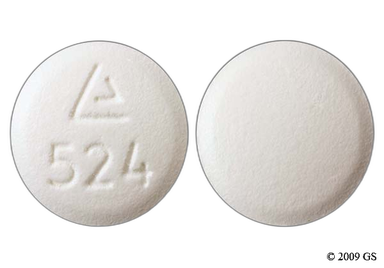
Hydrocodone/ibuprofen is a combination opioid medication that's used to treat pain when non-opioid medications don't provide enough relief. Your provider will discuss with you about your specific needs for pain relief to determine your dosage. Hydrocodone/ibuprofen can commonly cause side effects like headache, sleepiness, and constipation. This medication also has many serious warnings, such as slowed breathing, risk of misuse and dependency, and stomach bleeding. Although the brand name (Vicoprofen) is no longer available, the generic form is still on the market.

Hydrocodone/ibuprofen is a combination of two medications.
| Common Brands | Vicoprofen |
|---|---|
| Drug Class | Opioid / NSAID |
| Controlled Substance Classification | Schedule II |
| Generic Status | Lower-cost generic available |
| Availability | Prescription only |

Hydrocodone/ibuprofen can cause some serious health issues. This risk may be even higher for certain groups. If this worries you, talk to your doctor or pharmacist about other options.
 Hydrocodone/ibuprofen has a risk for addiction and misuse because it contains hydrocodone (an opioid). Addiction can develop even at recommended doses as prescribed or when hydrocodone/ibuprofen is used for reasons other than prescribed (misuse). Sometimes, addiction and misuse can lead to life-threatening overdose. To lower the risk for addiction and misuse, your provider will prescribe the lowest amount of hydrocodone/ibuprofen that's necessary for you for the shortest period of time possible.
 Because of the risk for addiction and misuse, the FDA requires a Risk Evaluation and Mitigation Strategy (REMS) program for hydrocodone/ibuprofen. Under the Opioid Analgesic REMS program, your provider will talk to you about how to take hydrocodone/ibuprofen safely, what its risks are, and proper storage and disposal. These steps help keep you and your loved ones safe. Talk to your provider about other treatment options for pain if you have concerns about taking hydrocodone/ibuprofen.
Opioids like hydrocodone can cause extremely slowed breathing that can be deadly. This can happen at any time, even when the medication is used as recommended by your provider. But the risk is generally highest when you first start the medication or after your dose is raised. Don't take hydrocodone/ibuprofen with alcohol or other medications that can slow your body down (e.g., benzodiazepines, muscle relaxants). Doing so can slow down your breathing even more. Get medical help or call 911 right away if you or a loved one notices that you have trouble breathing; slow and shallow breathing; or bluish-colored lips, fingers, or toes.
It's possible to accidentally take too much hydrocodone/ibuprofen, even at recommended doses of the medication. Overdoses can also happen if it's accidentally taken by a child or a loved one. Overdoses can be life-threatening if it's not recognized or treated in time. Your provider might recommend that you carry naloxone (Narcan) with you at all times to quickly, but temporarily reverse the effects of the medication if an accidental overdose happens. It's important for you and your caregiver to know how to use naloxone (Narcan) in case this happens. Opioid overdose symptoms include extremely slowed breathing, slow heartbeat, extreme sleepiness, cold or clammy skin, and not responding to sound or touch. Call 911 right away if you think an overdose has happened.
Hydrocodone/ibuprofen can raise your risk of having blood clots, heart attack, and stroke. Talk to your provider before starting this medication if you have heart problems, especially if you've recently had a heart attack or heart bypass surgery. To lower your risk, take hydrocodone/ibuprofen at the lowest dose and for the shortest amount of time possible. Don't take hydrocodone/ibuprofen if you've recently had or will be having heart surgery. Call 911 if you experience chest pain, trouble breathing, weakness on one side of your body, or trouble speaking or walking.
NSAIDs like ibuprofen can raise your risk for serious bleeding,ulcers, and tears in the stomach, gut, or esophagus (tube that leads from your mouth to your stomach). In some cases, this can be life-threatening. Serious stomach or gut problems can happen without warning while you're taking hydrocodone/ibuprofen. Your risk for stomach bleeds might be higher if you're also taking other medications that can cause bleeding, such as oral corticosteroids, blood thinners (anticoagulants), and other NSAIDS like aspirin.
Make sure your provider is aware of all of your medical conditions and medications before starting hydrocodone/ibuprofen so they can discuss with you about your risk for stomach or gut bleeds. Get medical help right away if you have severe stomach pain, black and tarry stools, or blood in your vomit or urine while using hydrocodone/ibuprofen.
Certain medications can interfere with how well your body gets rid of hydrocodone/ibuprofen. This can affect the amount of hydrocodone/ibuprofen in your body, how well it works, and the risk of side effects.
Some medications, like erythromycin (Ery-Tab) and ritonavir (Norvir), can raise the levels of hydrocodone/ibuprofen in your body. Higher levels can lead to potentially deadly slowed breathing. Other medications, such as rifampin (Rifadin) and carbamazepine (Tegretol), can lower the levels of hydrocodone/ibuprofen in your body. This can cause the pain medication to not work as well and lead to withdrawal.
If you're already taking stable doses of hydrocodone/ibuprofen with one of these other medications, don't stop taking them suddenly. Doing so can lead to unsafe hydrocodone/ibuprofen levels. Let your provider or pharmacist know what other medications you’re taking before starting hydrocodone/ibuprofen to make sure your medications are safe for you.
If you take opioids (like hydrocodone in hydrocodone/ibuprofen) for a long period of time during pregnancy, there's a risk that your unborn baby can become dependent on the medication. Once born, your baby can develop a condition called neonatal opioid withdrawal syndrome (NOWS) and experience withdrawal symptoms. Withdrawal symptoms in your newborn can include high-pitched crying, poor feeding and sucking behavior, trembling, irritability, and sometimes seizures. This condition can be life-threatening if not recognized and treated in time.
In addition, this medication can can cause harm to your unborn baby if it's taken after 20 weeks of pregnancy. NSAIDs (like ibuprofen in hydrocodone/ibuprofen) can cause serious complications, such as heart or kidney problems in your unborn baby, if they're taken during the second half of pregnancy.
Speak to your provider about the risks and benefits of taking hydrocodone/ibuprofen if you're pregnant. Let your provider know if you've used this medication during pregnancy or if you notice withdrawal symptoms in your baby. Ask whether there are safer alternatives.
Hydrocodone/ibuprofen can cause extremely low blood pressure, including a sudden drop in blood pressure when you stand from a sitting or lying down position. As a result, you might feel dizzy or even faint. To avoid falling, get up slowly if you've been sitting or lying down. If dizziness or lightheadedness doesn't go away, talk to your provider.
NSAIDs (like ibuprofen in hydrocodone/ibuprofen) can raise your blood pressure or cause swelling in the arms or legs. It can also put you at risk for heart failure or hospitalization from heart failure complications. This is because NSAIDs can cause your body to hold onto extra fluid. Some blood pressure or heart failure medications might not work as well when taken with hydrocodone/ibuprofen. Let your provider know if you have any heart problems (especially heart failure) or if you're taking medications for these conditions so they can make sure hydrocodone/ibuprofen is safe for you.
Check your blood pressure regularly while you're taking hydrocodone/ibuprofen, and let your provider know if you notice any changes. Also contact your provider if you experience trouble breathing, tiredness, swelling in your body, or sudden weight gain as these can be symptoms of heart failure.
Taking hydrocodone/ibuprofen for a long time can damage your kidneys by lowering blood flow to the kidneys. The risk of kidney damage is higher if you're taking certain blood pressure medications (like ACE inhibitors, ARBs, or water pills). Your risk might also be higher if you have certain medical conditions, such as kidney problems, liver problems, and heart failure. Kidney damage is usually reversible once you stop taking hydrocodone/ibuprofen. Tell your provider if you notice a change in how often you urinate after starting this medication since this can be a sign of kidney damage.
In addition, kidney damage from NSAIDs like ibuprofen can lead to high potassium levels. Sometimes, NSAIDs can cause high potassium levels even in people with healthy kidneys. Call your provider right away if you experience symptoms of high potassium levels, such as nausea, vomiting, muscle weakness, or tingling in your limbs because it can lead to dangerous health problems.
Some people have had liver damage while taking NSAIDs like the ibuprofen in hydrocodone/ibuprofen. Although rare, this liver damage can be life-threatening. Stop taking this medication and contact your provider right away if you experience signs and symptoms of liver problems, such as nausea, fatigue, itchiness, yellowing of your skin of whites of your eyes, pain on the upper right side of your stomach, or flu-like symptoms.
Some people taking opioid medications like hydrocodone/ibuprofen experienced a drop in their hormone levels. This is more likely to happen if you take the medication for more than a month. Symptoms of low hormone levels include nausea, loss of appetite, tiredness, weakness, and dizziness. Let your provider know if you have these symptoms.
Opioids, such as hydrocodone in hydrocodone/ibuprofen, can more frequent seizures to happen in people who've had seizures in the past. The medication might also raise the risk of seizure in other situations where seizures can occur. Let your healthcare provider know if you have seizures more often while you're taking hydrocodone/ibuprofen.
If you take hydrocodone/ibuprofen regularly for a long time, you can become physically dependent on the medication. This means your body starts to rely on the medication to function. And you might experience withdrawal if you suddenly lower your dose or stop taking the medication. Withdrawal symptoms can include restlessness, muscle pain, runny nose, yawning, sweating, chills, anxiety, and uncontrolled pain. Don't lower your dose or stop taking the medication suddenly without talking to your provider. To prevent withdrawal symptoms from happening, follow your provider's instructions carefully to slowly lower your dose. Talk to your provider about alternative pain medications if you have concerns about this risk.
Hydrocodone/ibuprofen can cause serious allergic reactions and skin reactions that can sometimes be life-threatening. Stop taking this medication and get medical help right away if you develop any type of rash, skin peeling, painful blisters, fever, swollen lymph nodes, facial swelling, trouble breathing, or anaphylaxis.
Be careful using hydrocodone/ibuprofen if you have asthma. You might have worsening asthma symptoms while you're taking hydrocodone/ibuprofen if you have asthma or if you've had asthma attacks after taking aspirin or another NSAID. Get medical help right away if your throat tightens and you can't breathe.

The following side effects may get better over time as your body gets used to the medication. Let your healthcare provider know immediately if you continue to experience these symptoms or if they worsen over time.
Contact your healthcare provider immediately if you experience any of the following.
Along with its needed effects, a medicine may cause some unwanted effects. Although not all of these side effects may occur, if they do occur they may need medical attention.
Check with your doctor immediately if any of the following side effects occur:
Rare
Bloody stools
burning feeling in the chest or stomach
changes in facial skin color
difficulty with swallowing
fast or irregular breathing
frequent urge to urinate
irregular heartbeat
lightheadedness or dizziness
loss of bladder control
puffiness or swelling of the eyelids or around the eyes, face, lips, or tongue
ringing or buzzing in the ears
tightness in the chest
trouble breathing
stomach pain
tenderness in the stomach
visual disturbances
yellow eyes or skin
Incidence not known
Agitation
confusion
darkening of the skin
difficulty swallowing
dizziness
fainting
loss of appetite
mental depression
overactive reflexes
poor coordination
puffiness or swelling of the eyelids or around the eyes, face, lips, or tongue
restlessness
shivering
talking or acting with excitement you cannot control
trembling or shaking
twitching
unusual tiredness or weakness
vomiting
Get emergency help immediately if any of the following symptoms of overdose occur:
Symptoms of overdose
Blurred vision
cold or clammy skin
confusion
difficulty hearing or ringing or buzzing in the ears
dizziness
general feeling of illness
headache
mood or mental changes
severe drowsiness
severe stomach pain
skin rash
slow heartbeat
stiff neck or back
swelling of the face, fingers, feet, or lower legs
vomiting
Some side effects may occur that usually do not need medical attention. These side effects may go away during treatment as your body adjusts to the medicine. Also, your health care professional may be able to tell you about ways to prevent or reduce some of these side effects. Check with your health care professional if any of the following side effects continue or are bothersome or if you have any questions about them:
More common
increased sweating
nervousness
pounding heartbeat
sleepiness
trouble in sleeping
Rare
Decreased appetite
decrease in sexual ability
headache
increased thirst
irritability
mood or mental changes
mouth ulcers
pain or burning in the throat
sensation of burning, warmth, heat, numbness, tightness, or tingling
slurred speech
stomach upset
thinking abnormalities
unexplained weight loss
unusual feeling of well-being
Other side effects not listed may also occur in some patients. If you notice any other effects, check with your healthcare professional.
Call your doctor for medical advice about side effects. You may report side effects to the FDA at 1-800-FDA-1088.





Although certain medicines should not be used together at all, in other cases two different medicines may be used together even if an interaction might occur. In these cases, your doctor may want to change the dose, or other precautions may be necessary. When you are taking this medicine, it is especially important that your healthcare professional know if you are taking any of the medicines listed below. The following interactions have been selected on the basis of their potential significance and are not necessarily all-inclusive.
Using this medicine with any of the following medicines is not recommended. Your doctor may decide not to treat you with this medication or change some of the other medicines you take.
Using this medicine with any of the following medicines is usually not recommended, but may be required in some cases. If both medicines are prescribed together, your doctor may change the dose or how often you use one or both of the medicines.
Using this medicine with any of the following medicines may cause an increased risk of certain side effects, but using both drugs may be the best treatment for you. If both medicines are prescribed together, your doctor may change the dose or how often you use one or both of the medicines.


Contraindications are specific health conditions or situations in which a person should not take a medication due to safety concerns. If you have any of the following conditions or if any of the following apply to you, let your healthcare provider know because Hydrocodone/ibuprofen will not be safe for you to take.



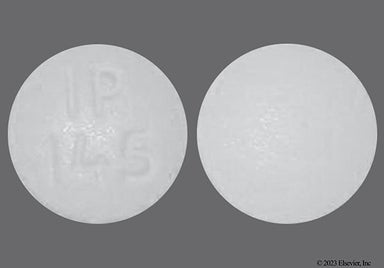
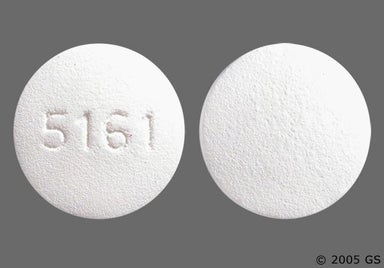

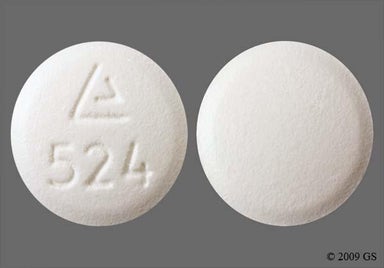
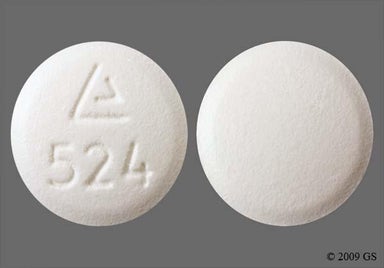


Prescription savings
Stop paying too much for your prescriptions. Compare prices, get pharmacy coupons, and save up to 80%. Find expert answers to your health questions so you can make the best decisions for yourself and your family.
Health conditions
Medications & treatment
Access & affordability
Medication discounts

Hydrocodone and ibuprofen are available as separate medications, as well as a combination medication (Hydrocodone/Ibuprofen). You shouldn't take them together as separate medications unless your provider instructed you to. As separate medications, hydrocodone and ibuprofen have strengths, dosages, and directions that are different than the combination product. Also keep in mind that hydrocodone and ibuprofen each have their own set of risks. Talk to your provider whether the Hydrocodone/Ibuprofen combination medication is right for you.
Each tablet of Hydrocodone/Ibuprofen contains 200 mg of ibuprofen. Keep in mind that many over-the-counter medications for colds, fever, and pain can also contain ibuprofen. Taking too much ibuprofen can can raise your risk of serious stomach problems and kidney damage. That's why it's recommended that you avoid taking medications that contain ibuprofen at the same time as Hydrocodone/Ibuprofen. Ask your provider or pharmacist if you're unsure whether your other medications contain ibuprofen.
Yes, Hydrocodone/Ibuprofen is considered a narcotic. Narcotics refer to opioids. And hydrocodone (one component of Hydrocodone/Ibuprofen) is an opioid medication.
Avoid drinking alcohol while you're taking Hydrocodone/Ibuprofen. Both alcohol and Hydrocodone/Ibuprofen can slow your body down and cause slower breathing, sleepiness, dizziness, and "brain fog." Mixing alcohol with Hydrocodone/Ibuprofen can make these effects more intense and lead to accidental injuries or possibly even a life-threatening overdose. Speak with your provider if you have concerns about how much you drink. They can give guidance as to how to lower how much you drink and stop drinking altogether.
It's not recommended that you take NSAIDs like ibuprofen (Advil) or naproxen (Aleve) while you're taking Hydrocodone/Ibuprofen. Hydrocodone/Ibuprofen contains an NSAID (ibuprofen). Taking another NSAID together with Hydrocodone/Ibuprofen can raise your risk of serious stomach problems, and it might not help with your pain any more than with Hydrocodone/Ibuprofen alone. Keep in mind that NSAIDs can be found in many over-the-counter medications for colds, fever, and pain. Check with your provider or pharmacist if you're unsure whether a medication contains an NSAID or if you need to take low-dose aspirin. Ask your provider or pharmacist about other pain relievers that might be safer for you to take with Hydrocodone/Ibuprofen.
Yes. In fact, it's recommended that you take acetaminophen (Tylenol) if you need additional pain relief. Since acetaminophen (Tylenol) is a non-opioid pain medication, taking acetaminophen (Tylenol) can help lower the amount of Hydrocodone/Ibuprofen you take and lower the risks that come with taking opioids. Keep in mind that acetaminophen (Tylenol) also carries its own risks. So speak with your provider before taking acetaminophen (Tylenol) if your pain isn't controlled with Hydrocodone/Ibuprofen alone to see if this is appropriate for you.
Talk to your provider about the risks and benefits of taking Hydrocodone/Ibuprofen during pregnancy. Taking this medication in the second half of pregnancy (20 weeks of pregnancy and later) can harm your unborn baby and cause serious complications, such as heart or kidney problems. In addition, taking Hydrocodone/Ibuprofen for a long period of time during pregnancy can cause withdrawal symptoms in your newborn baby. These withdrawal symptoms can include poor feeding or sucking, breathing problems, high-pitched crying, and even seizures. Withdrawal can be life-threatening if it's not recognized or treated. Your provider can discuss with you about possible alternatives that are safer for you and your baby.
Using Hydrocodone/Ibuprofen long term can affect your fertility and make it harder for you to get pregnant. It isn't known whether this effect will go away after you stop taking Hydrocodone/Ibuprofen. This medication can also delay when your ovary releases an egg (ovulation). Talk to your provider if you have concerns about family planning while you're taking Hydrocodone/Ibuprofen.

