






The 3 Best OTC Options for Acid Reflux and Heartburn
Over-the-counter medications are available when you need quick heartburn relief. Explore OTC options for acid reflux, including Tums, Rolaids, and others.
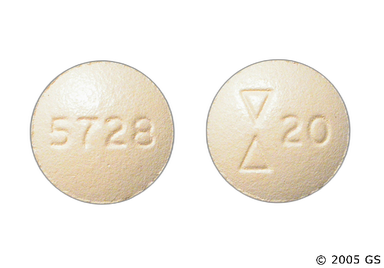
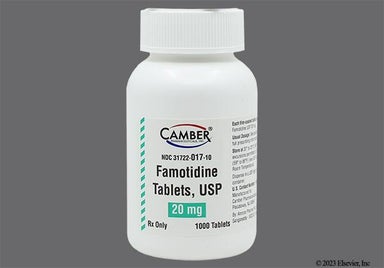
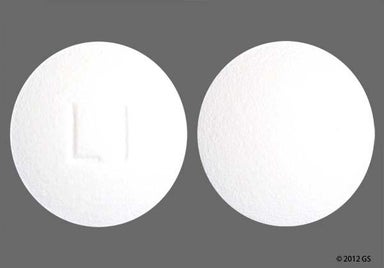
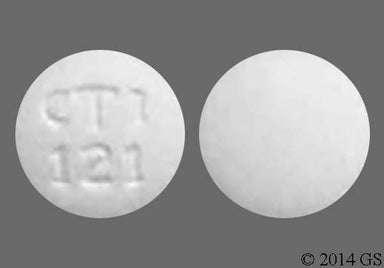
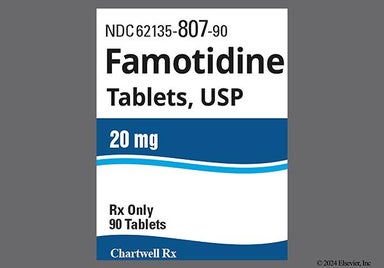
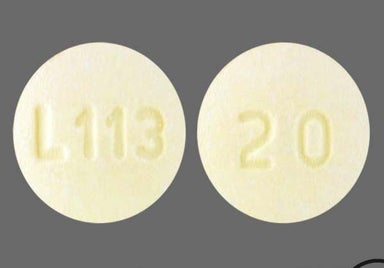
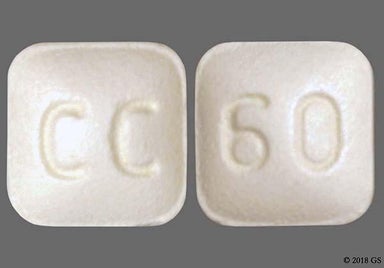
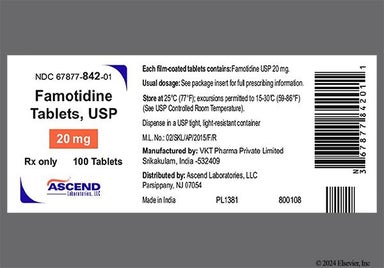
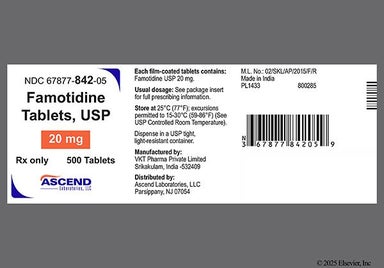
Famotidine (Pepcid) is a type of acid reducer called a histamine-2 (H2) antagonist. It helps treat problems caused by too much stomach acid. Over-the-counter famotidine (Pepcid or Pepcid AC) can help with heartburn in people who are 12 and up. Prescription-only famotidine is for people with more ongoing stomach acid problems and stomach or gut ulcers. This medication is taken by mouth once or twice a day. It usually starts to work within an hour and lasts several hours. Side effects include headache, dizziness, and constipation.

Over-the-counter famotidine:
Prescription famotidine:
Famotidine (Pepcid) is a histamine-2 (H2) antagonist. It works by blocking proteins in your stomach called H2 receptors. This lowers the amount of acid that's made and released in the stomach.
| Common Brands | Pepcid, Pepcid AC, Pepcid AC Maximum Strength |
|---|---|
| Drug Class | Histamine H2 antagonist |
| Controlled Substance Classification | Not a controlled medication |
| Generic Status | Lower-cost generic available |
| Availability | Prescription or over-the-counter |

The following side effects may get better over time as your body gets used to the medication. Let your healthcare provider know immediately if you continue to experience these symptoms or if they worsen over time.
Along with its needed effects, a medicine may cause some unwanted effects. Although not all of these side effects may occur, if they do occur they may need medical attention.
Check with your doctor as soon as possible if any of the following side effects occur:
Rare
Abdominal pain
back, leg, or stomach pain
bleeding or crusting sores on lips
blistering, burning, redness, scaling, or tenderness of skin
blisters on palms of hands and soles of feet
changes in vision or blurred vision
confusion
coughing or difficulty in swallowing
dark-colored urine
dizziness
fainting
fast, pounding, or irregular heartbeat
fever and/or chills
flu-like symptoms
general feeling of discomfort or illness
inflammation of blood vessels
joint pain
light-colored stools
mood or mental changes, including anxiety, agitation, confusion, hallucinations (seeing, hearing, or feeling things that are not there), mental depression, nervousness, or severe mental illness
muscle cramps or aches
nausea, vomiting, or loss of appetite
peeling or sloughing of skin
red or irritated eyes
shortness of breath
skin rash or itching
slow heartbeat
sores, ulcers, or white spots on lips, in mouth, or on genitals
sudden difficult breathing
swelling of face, lips, mouth, tongue, or eyelids
swelling of hands or feet
swollen or painful glands
tightness in chest
troubled breathing
unusual bleeding or bruising
unusual tiredness or weakness
unusually slow or irregular breathing
yellow eyes or skin
Some side effects may occur that usually do not need medical attention. These side effects may go away during treatment as your body adjusts to the medicine. Also, your health care professional may be able to tell you about ways to prevent or reduce some of these side effects. Check with your health care professional if any of the following side effects continue or are bothersome or if you have any questions about them:
Less common or rare
decrease in sexual desire
decreased sexual ability (especially in patients with Zollinger-Ellison disease who have received high doses of cimetidine for at least 1 year)
difficult urination
dizziness
drowsiness
dryness of mouth or skin
headache
increased or decreased urination
increased sweating
loss of hair
ringing or buzzing in ears
swelling of breasts or breast soreness in females and males
trouble in sleeping
Not all of the side effects listed above have been reported for each of these medicines, but they have been reported for at least one of them. All of the H2-blockers are similar, so any of the above side effects may occur with any of these medicines.
Other side effects not listed may also occur in some patients. If you notice any other effects, check with your healthcare professional.
Call your doctor for medical advice about side effects. You may report side effects to the FDA at 1-800-FDA-1088.



General tips for famotidine (Pepcid):
Tips for over-the-counter famotidine (Pepcid):
Tips for prescription famotidine:
Tips for the liquid form of prescription famotidine:

Famotidine (Pepcid) can cause some serious health issues. This risk may be even higher for certain groups. If this worries you, talk to your doctor or pharmacist about other options.
Some older adults taking famotidine (Pepcid) have felt confused, tense, restless, or weak. Other side effects included seizures and hallucinations (seeing things that aren't real).
These side effects have also happened in some people with kidney problems. When the kidneys don't work well, famotidine (Pepcid) can build up in the body and raise the risk of side effects. If you have kidney problems, tell your prescriber so they can adjust your dose to keep you safe.
Call your care team right away if you notice any of these side effects while taking famotidine (Pepcid).
Heartburn can sometimes be a sign of a more serious stomach problem, like stomach cancer. Medications like famotidine (Pepcid) can relieve heartburn and hide this warning sign.
If your heartburn doesn't fully go away or comes back after you've finished famotidine (Pepcid), talk to your primary care provider. They might suggest some lab tests to check for a more serious gut problem.

Over-the-counter famotidine (Pepcid AC)
Prescription famotidine
Liquid suspension (40 mg/5 mL)
Adults
Children ages 1 year and older
Children ages 3 months to less than 1 years old
Children from birth to less than 3 months old
For prescription famotidine, your dose might differ if you have kidney problems.
Prescription famotidine is also available as an injection that's given into the vein for people in the hospital.

Although certain medicines should not be used together at all, in other cases two different medicines may be used together even if an interaction might occur. In these cases, your doctor may want to change the dose, or other precautions may be necessary. When you are taking any of these medicines, it is especially important that your healthcare professional know if you are taking any of the medicines listed below. The following interactions have been selected on the basis of their potential significance and are not necessarily all-inclusive.
Using medicines in this class with any of the following medicines is not recommended. Your doctor may decide not to treat you with a medication in this class or change some of the other medicines you take.
Using medicines in this class with any of the following medicines is usually not recommended, but may be required in some cases. If both medicines are prescribed together, your doctor may change the dose or how often you use one or both of the medicines.


Contraindications are specific health conditions or situations in which a person should not take a medication due to safety concerns. If you have any of the following conditions or if any of the following apply to you, let your healthcare provider know because Famotidine (Pepcid) will not be safe for you to take.












Prescription savings
Stop paying too much for your prescriptions. Compare prices, get pharmacy coupons, and save up to 80%.Resources
About GoodRx
 Find expert answers to your health questions so you can make the best decisions for yourself and your family.
Health conditions
Medications & treatment
Access & affordability
Well-being
Medication discounts

Famotidine starts to work within an hour. The medication's full effect can take up to 3 hours to kick in.
No, Famotidine isn't a proton pump inhibitor (PPI). It's a different type of medication called a histamine-2 (H2) antagonist. Both lower stomach acid, but they work in different ways. In general, H2 antagonists like Famotidine work faster and can help with heartburn within a few hours. PPIs can take a couple days to work, so they're not usually used for quick relief. Talk to a healthcare professional to learn more about what kind of acid reducer is right for you.
Don't take Famotidine with omeprazole (Prilosec) or pantoprazole (Protonix) unless a healthcare professional says it's okay. Omeprazole (Prilosec) or pantoprazole (Protonix) usually works well on their own. But in some cases, your primary care provider might add Famotidine. For example, taking Famotidine at bedtime might help if you still have heartburn at night. Your primary care provider can help decide the best option for you.
You might be able to take calcium carbonate (Tums) with Famotidine. But ask a healthcare professional first. Calcium carbonate (Tums) works in just a few minutes, so it can help while you wait for Famotidine to start working, which can take about an hour. Calcium carbonate (Tums) might also help if you have heartburn between your Famotidine doses. Tell your primary care provider if you've been taking calcium carbonate (Tums), Famotidine, or both for more than 2 weeks. You might need a better treatment option.
Yes, constipation can be a side effect of Famotidine. Be sure to drink plenty of water and fiber rich foods to help prevent constipation. These tips might be helpful for managing heartburn, too. Talk to your primary care provider if you get constipated while taking Famotidine and it isn't getting better with time. They can recommend management strategies or a change in your heartburn treatment.
Yes, diarrhea can happen with Famotidine. If you have diarrhea, be sure to stay hydrated throughout the day. Try avoiding spicy or greasy foods, which can also be triggers for heartburn. Talk to your primary care provider if the diarrhea is hard to handle. They can suggest other ways to help, such as over-the-counter medications or a different heartburn treatment.
For over-the-counter Famotidine, taking 40 mg twice a day might not be safe for occasional mild heartburn. This might raise the risk of side effects. For prescription famotidine, taking 40 mg twice a day is an option only for people with erosive esophagitis from GERD. Only take 40 mg twice a day if a healthcare professional prescribed it to you this way. If you feel like your current dose isn't helping enough, talk to your primary care provider before taking any more.
If you're pregnant, talk to a healthcare professional before taking Famotidine. There isn't a clear link between this medication and birth defects or pregnancy problems like early labor. The American Academy of Family Physicians (AAFP) says that Famotidine is a "probably safe" option. But in general, more data is needed to be sure. Healthcare professionals usually recommend trying antacids like calcium carbonate (Tums) and changing your diet first. Your care team can help you choose the safest option for you.
