



10 FAQs About Proton Pump Inhibitors (PPIs), Including How PPIs Work
Proton pump inhibitors (PPIs) effectively treat gastroesophageal reflux disease (GERD). Read answers to FAQs about PPIs and their side effects and interactions.
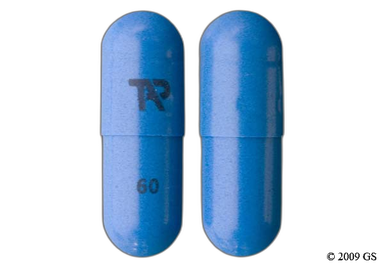
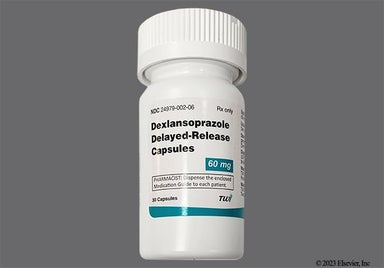
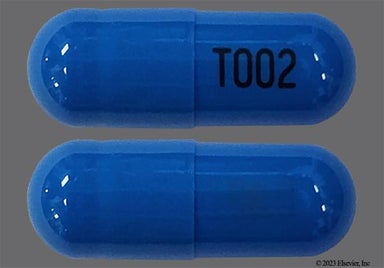
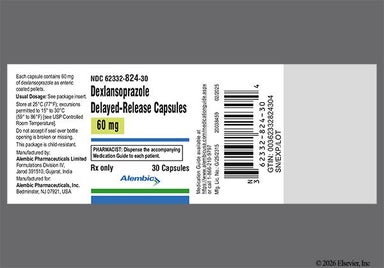
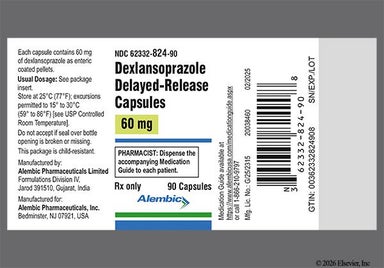
Dexlansoprazole (Dexilant) is a prescription medication used to treat conditions caused by too much stomach acid, such as heartburn or gastroesophageal reflux disease (GERD). It's a proton pump inhibitor (PPI), which means it blocks acid from "getting pumped" into the stomach. Dexlansoprazole (Dexilant) can be taken by adults and children ages 12 years and older. It's typically taken once daily, with or without food. Dexlansoprazole (Dexilant) doesn't cause many side effects, but some of the more common ones include diarrhea, nausea, and stomach pain.

Dexlansoprazole (Dexilant) is a proton pump inhibitor (PPI). It lowers the amount of acid in your stomach by blocking the final step of stomach acid production. This helps relieve heartburn and other stomach problems.
| Common Brands | Dexilant |
|---|---|
| Drug Class | PPI |
| Controlled Substance Classification | Not a controlled medication |
| Generic Status | Lower-cost generic available |
| Availability | Prescription only |

The following side effects may get better over time as your body gets used to the medication. Let your healthcare provider know immediately if you continue to experience these symptoms or if they worsen over time.
Adults
Children
Contact your healthcare provider immediately if you experience any of the following.
Along with its needed effects, a medicine may cause some unwanted effects. Although not all of these side effects may occur, if they do occur they may need medical attention.
Check with your doctor immediately if any of the following side effects occur:
Less common
Burning, crawling, itching, numbness, prickling, "pins and needles", or tingling feelings
chest pain, discomfort, tightness, or heaviness
confusion
continuing stomach pain
difficult or labored breathing
fast, irregular, pounding, or racing heartbeat or pulse
headache
incoherent speech
joint pain, stiffness, or swelling
lightheadedness, dizziness, or fainting
muscle pain, cramps, or weakness
numbness or tingling in the hands, feet, or lips
pain or discomfort in the arms, jaw, leg, back, or neck
pounding in the ears
rash, hives
shakiness in the legs, arms, hands, or feet
sweating
swelling of the eyelids, face, lips, hands, or feet
swollen, painful, or tender lymph glands in the neck, armpit, or groin
unusual bleeding or bruising
vomiting
vomiting of blood or material that looks like coffee grounds
watery or bloody diarrhea
Incidence not known
Blistering, peeling, or loosening of the skin
chills
drowsiness
muscle spasms (tetany) or twitching
red skin lesions, often with a purple center
red, irritated eyes
seizures
sores, ulcers, or white spots in the mouth or on the lips
swelling of the body, feet, or ankles
trembling
unusual weight gain
Some side effects may occur that usually do not need medical attention. These side effects may go away during treatment as your body adjusts to the medicine. Also, your health care professional may be able to tell you about ways to prevent or reduce some of these side effects. Check with your health care professional if any of the following side effects continue or are bothersome or if you have any questions about them:
Less common
Abnormal dreams
body aches or pain
bloated or full feeling
burning or itching around the anus
change in taste or bad, unusual, or unpleasant (after) taste
continuing ringing or buzzing or other unexplained noise in the ears
difficult or painful urination
difficulty with moving
ear congestion
ear pain
excess air or gas in the stomach or bowels
falls
feeling of constant movement of self or surroundings
loss in sexual ability, desire, drive, or performance
loss of voice
metallic taste
muscle or bone pain
passing gas
redness of the face, neck, arms, and occasionally, upper chest
runny or stuffy nose
sensation of spinning
sunburn
trouble sleeping
Other side effects not listed may also occur in some patients. If you notice any other effects, check with your healthcare professional.
Call your doctor for medical advice about side effects. You may report side effects to the FDA at 1-800-FDA-1088.




Dexlansoprazole (Dexilant) can cause some serious health issues. This risk may be even higher for certain groups. If this worries you, talk to your doctor or pharmacist about other options.
Frequent episodes of heartburn can be a symptom of stomach cancer. If your heartburn gets worse or comes back after taking dexlansoprazole (Dexilant), let your PCP know. Also contact your PCP if you have poor appetite, unexplained weight loss, or weakness along with your heartburn. They can check if there are other serious medical problems going on.
Some people taking PPIs like dexlansoprazole (Dexilant) have had sudden kidney problems. These problems can happen at any point during treatment. Talk with your prescriber if you're urinating more or less than usual, feel nauseous or weak, or have a fever, rash, or joint pain. These can be symptoms of kidney problems.
Some clinical studies showed that PPIs, such as dexlansoprazole (Dexilant), can raise the risk of getting a bacterial infection called Clostridioides difficile (C. diff). This infection can cause severe diarrhea. Your risk is higher if you're over 65 years old, have recently stayed at a hospital or nursing home, or have a weakened immune system. To lower your risk of C. diff diarrhea, only take dexlansoprazole (Dexilant) for as long as recommended by your PCP. If you experience severe or watery diarrhea, fever, belly pain, loss of appetite, or nausea, let your PCP know right away.
PPIs, like dexlansoprazole (Dexilant), might raise the risk of bone fractures in the hip, wrist, or spine. Your risk is higher if you take more than one dose of dexlansoprazole (Dexilant) per day or if you take it for more than a year. To prevent the risk of bone fracture, your PCP will prescribe dexlansoprazole (Dexilant) for the shortest time needed to treat your symptoms. If you've had bone fractures before or have osteoporosis (weak bones), talk to your PCP about your risk before starting this medication.
PPIs, such as dexlansoprazole (Dexilant), have rarely caused serious skin reactions. These reactions include Stevens-Johnson syndrome (SJS) and toxic epidermal necrolysis (TEN). Symptoms can include fever, body aches, rash, peeling skin, painful blisters, and swelling of the face. If you notice any of these symptoms, get medical help immediately.
Some people taking PPIs, like dexlansoprazole (Dexilant), developed new or worsening lupus. This is a condition where your immune system attacks your own body. Lupus symptoms can occur any time during treatment with dexlansoprazole (Dexilant). Some typical symptoms include joint pain or rash, but they often improve within 1 to 3 months of stopping this medication. If you experience any lupus symptoms while taking dexlansoprazole (Dexilant), stop the medication and contact your PCP.
Taking acid-lowering medications, like dexlansoprazole (Dexilant), for a long period of time can cause your vitamin B12 levels to drop. Dexlansoprazole (Dexilant) lowers the amount of acid in your stomach, which is needed for vitamin B12 absorption. If you've been taking this medication for longer than 3 years, or if you have symptoms of vitamin B12 deficiency (e.g., dizziness, muscle weakness, pale skin, tiredness, tingling in arms or legs), talk to your PCP.
Taking dexlansoprazole (Dexilant) can also lower your magnesium levels. This can happen 3 months after taking dexlansoprazole (Dexilant), but it's more likely to happen after a year of treatment. Low magnesium levels can sometimes lead to other electrolyte problems. Your PCP might check your blood before and during treatment with dexlansoprazole (Dexilant) to make sure your electrolyte levels are in the normal range. Watch for symptoms of electrolyte problems like irregular heart rate, muscle cramps, and tremors. Let your PCP know right away if they occur.
Some medications can interfere with how your body gets rid of dexlansoprazole (Dexilant). Depending on if they boost or block how dexlansoprazole (Dexilant) gets removed, these medications can affect the amount of dexlansoprazole (Dexilant) in your body, how well it works, and the risk of side effects. For example, St. John’s Wort and rifampin (Rifadin) can lower the amount of dexlansoprazole (Dexilant) in your body and cause the medication to not work as well. Avoid these medications while taking dexlansoprazole (Dexilant).
Dexlansoprazole (Dexilant) can also interfere with how other medications work. Avoid taking dexlansoprazole (Dexilant) with medications that contain rilpivirine, such as Edurant (rilpivirine) and Cabenuva (cabotegravir / rilpivirine). Dexlansoprazole (Dexilant) causes these medications to not work as well, which can worsen human immunodeficiency virus (HIV) infection. In addition, dexlansoprazole (Dexilant) can raise the risk of methotrexate toxicity when taken together with methotrexate.


Although certain medicines should not be used together at all, in other cases two different medicines may be used together even if an interaction might occur. In these cases, your doctor may want to change the dose, or other precautions may be necessary. When you are taking this medicine, it is especially important that your healthcare professional know if you are taking any of the medicines listed below. The following interactions have been selected on the basis of their potential significance and are not necessarily all-inclusive.
Using this medicine with any of the following medicines is not recommended. Your doctor may decide not to treat you with this medication or change some of the other medicines you take.
Using this medicine with any of the following medicines is usually not recommended, but may be required in some cases. If both medicines are prescribed together, your doctor may change the dose or how often you use one or both of the medicines.
Using this medicine with any of the following medicines may cause an increased risk of certain side effects, but using both drugs may be the best treatment for you. If both medicines are prescribed together, your doctor may change the dose or how often you use one or both of the medicines.


Contraindications are specific health conditions or situations in which a person should not take a medication due to safety concerns. If you have any of the following conditions or if any of the following apply to you, let your healthcare provider know because Dexlansoprazole (Dexilant) will not be safe for you to take.












Prescription savings
Stop paying too much for your prescriptions. Compare prices, get pharmacy coupons, and save up to 80%.Resources
About GoodRx
 Find expert answers to your health questions so you can make the best decisions for yourself and your family.
Health conditions
Medications & treatment
Access & affordability
Well-being
Medication discounts

Dexilant can be taken at any time of the day, with or without food. Follow your primary care provider's instructions on when to take this medication.
You might need to take Dexilant for 3 days to experience the maximum benefit of this medication. If you need immediate relief, consider taking an antacid, such as Tums (calcium carbonate), along with Dexilant until the medication effect kicks in.
Talk with your healthcare team if you want to stop taking Dexilant. If you've been taking Dexilant for more than 2 months, stopping this medication too suddenly might cause your stomach to produce more acid (acid rebound), which worsen your GERD symptoms. Your healthcare team can recommend ways to stop Dexilant that minimizes acid rebound. For example, one strategy is to take this medication as needed when your symptoms flare up. Another strategy is to use other GERD medications to treat your rebound symptoms. If your symptoms don't go away or seem to get worse after stopping Dexilant, let your PCP know.
In most cases, Dexilant isn't meant to be taken for longer than 1 to 2 months at a time. It's important to take Dexilant only for as long as your PCP directed. Continuing to take Dexilant longer than recommended can raise your risk of certain health concerns, such as bone fractures and low magnesium levels. Talk with your PCP if you're not sure how long to take Dexilant.
There isn't a strong link between Dexilant and cancer. Some observational studies suggest there taking PPIs long-term can raise the risk of stomach cancer for people who have H. pylori infections and existing stomach injury. Other studies suggest that PPIs raise the level of a hormone called gastrin, which might be linked to stomach cancer. But more research is needed to understand the connection between PPIs, including Dexilant, and cancer. As a precaution, your PCP will likely recommend that you take Dexilant for the shortest time needed to treat your symptoms. Let your PCP know if you're concerned about the possible risk of cancer with PPIs.
Don't take Dexilant along with other PPIs, such as omeprazole (Prilosec). These medications work in very similar ways to lower stomach acid levels and taking them together can raise the risk of side effects, such as diarrhea and nausea. If Dexilant alone isn't relieving your symptoms, talk to your care team about other treatment options.
Yes, Dexilant is available as a lower-cost generic medication.
No, Dexilant isn't available over the counter. You'll need a prescription from a healthcare professional for this medication. Ask your pharmacist if you're looking for a PPI that can be found over the counter.
