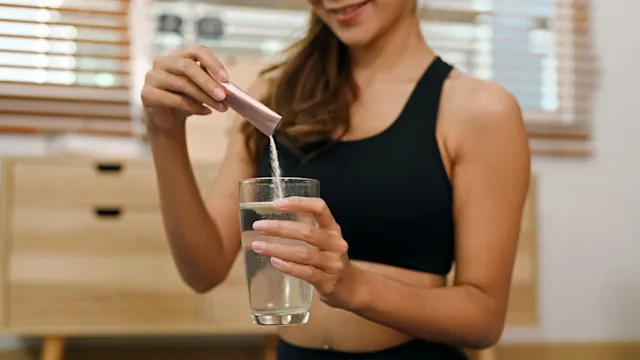
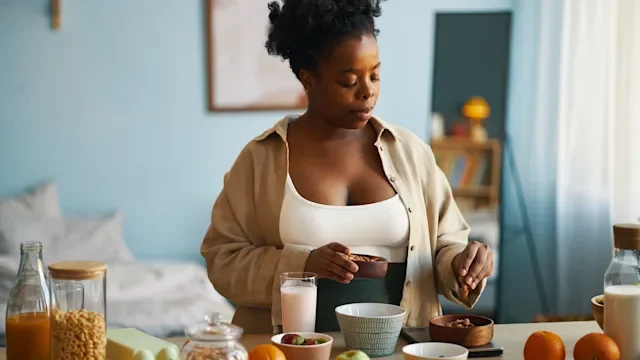
Calcium and vitamin D are really important if you have low bone density. Calcium-rich foods include dairy products (such as milk, yogurt, or cheese) and leafy greens (such as kale and spinach). There aren’t many foods high in vitamin D (except fish like salmon and tuna), so supplements can be helpful. Many dairy products are also fortified with vitamin D, so be sure to check labels.
Lots of fruits and vegetables have vitamin C, potassium, and magnesium, which are also important for bone health. Read here for more osteoporosis diet tips.
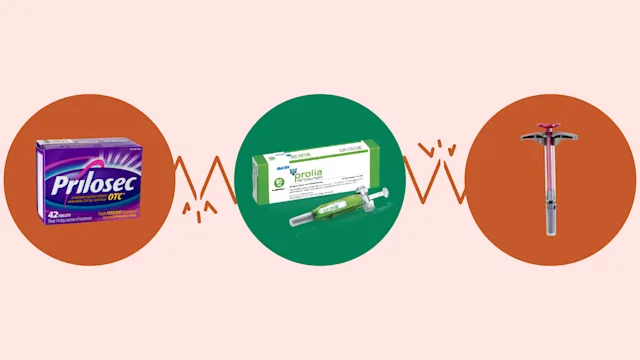
No. While medications are able to slow the rate of bone loss, and can even build a little more density in some cases, they don’t cure osteoporosis. And, if you stop the medication, bone loss usually continues.
How long we live depends on many factors. But as it relates to osteoporosis, preventing falls and fractures is key to prolonging life expectancy. A large observational study found that women younger than 75 years and men younger than 60 years can expect to live at least 15 more years after beginning treatment.
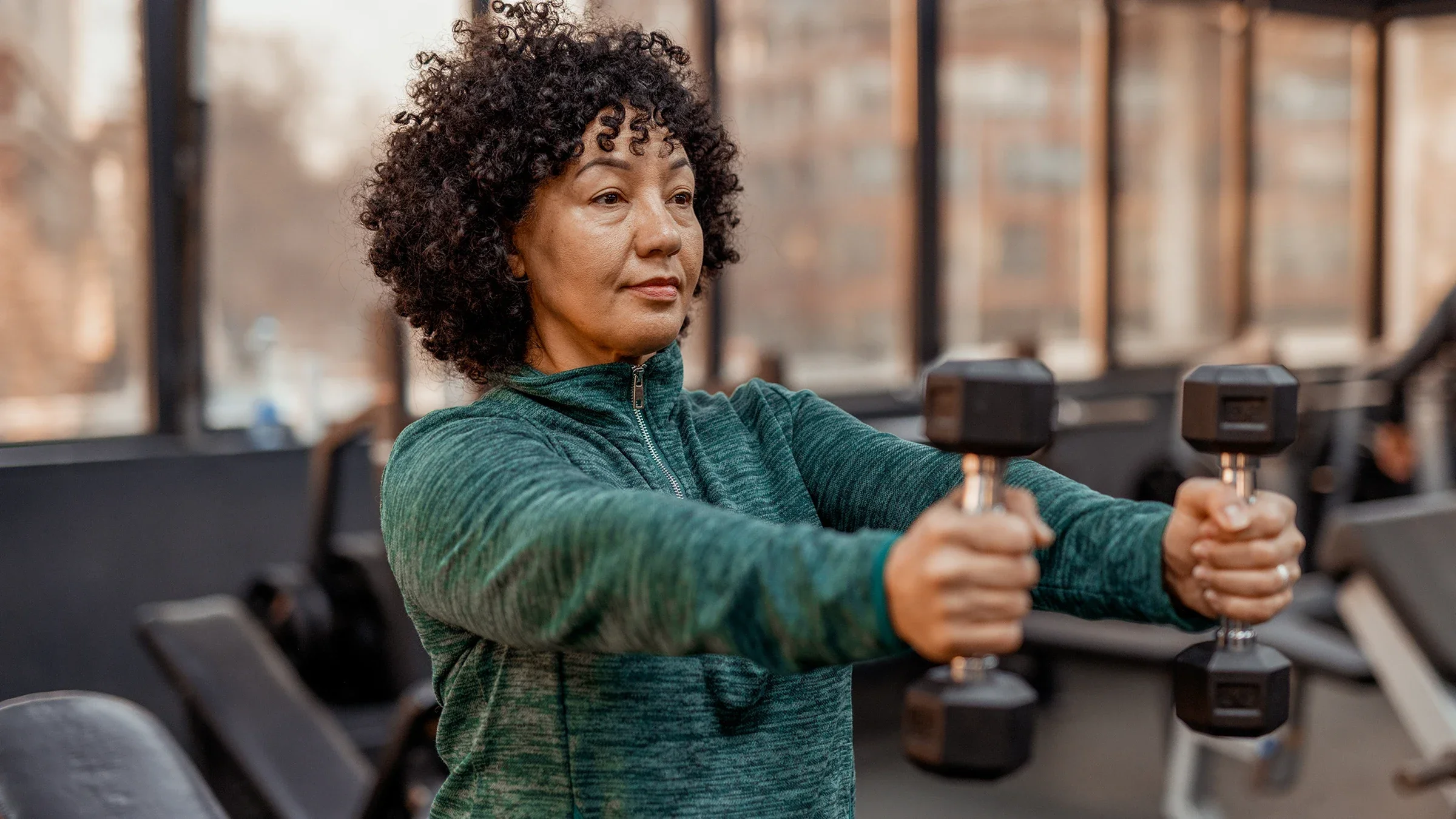
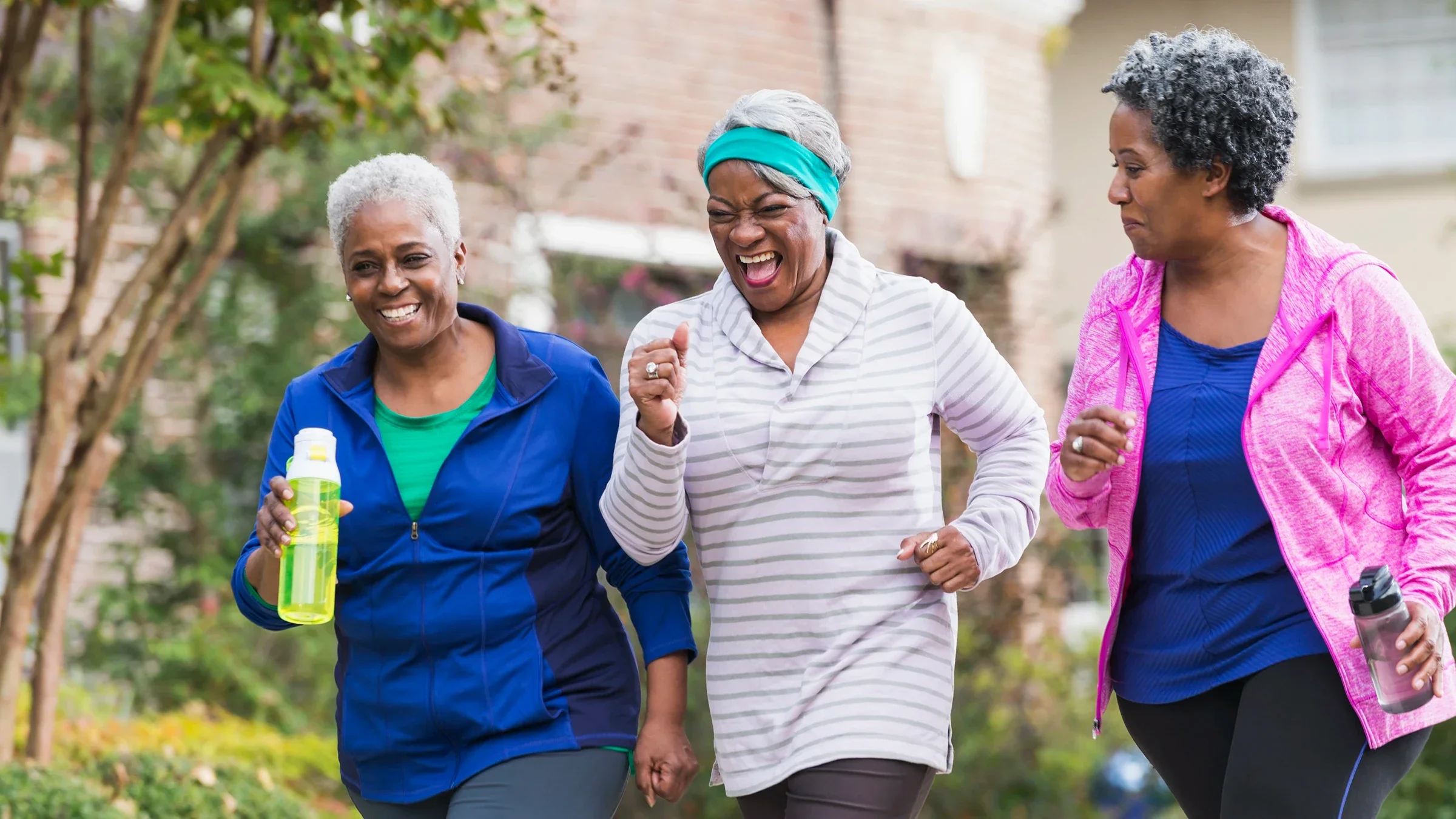
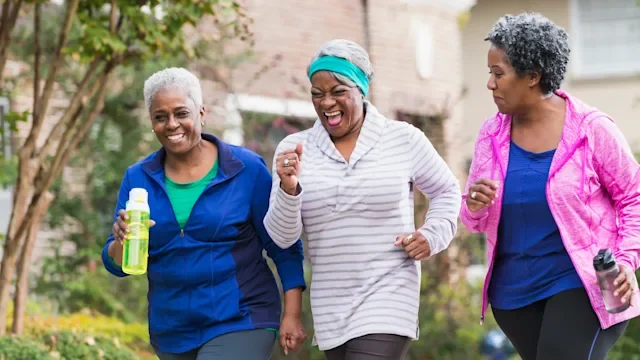
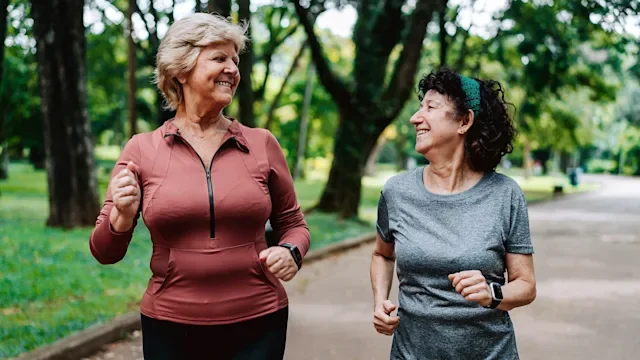
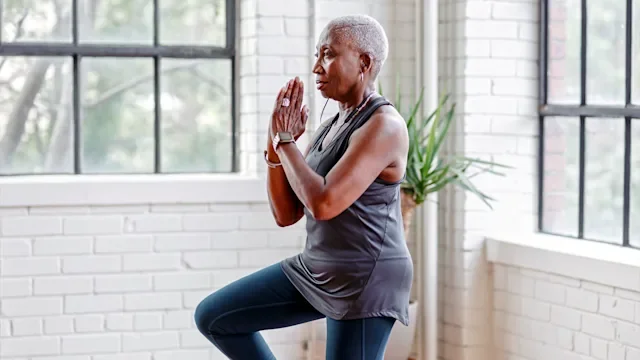
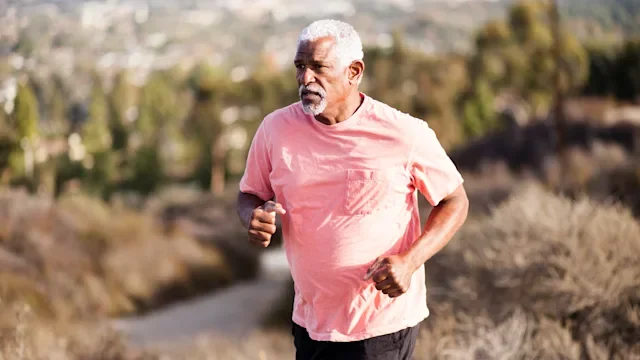
Yes. Physical activity — especially weight-bearing activity that builds strength — is good for osteoporosis, and that includes walking.
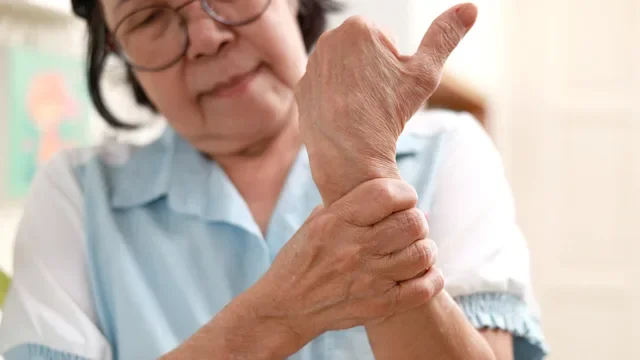
Osteoporosis itself doesn’t cause pain. If someone with osteoporosis is experiencing new pain, it could be due to a fracture, which definitely causes pain.
If osteoporosis is not treated, it is likely to get worse. The biggest problem that comes with osteoporosis is the risk of fractures. They are painful and debilitating, but that’s not all.
Studies have shown that after a fracture, people experience more dependence on others, depressive symptoms, and even increased risk of death. In fact, the risk of death within 1 year after a hip fracture is around 22%.
It’s not clear exactly why, but studies also show that taking osteoporosis treatment is linked to a lower risk of death after a fracture.