Key takeaways:
Fosamax (alendronate) is a medication commonly used to treat osteoporosis and certain cancers. It can increase your risk of developing a rare condition known as osteonecrosis of the jaw (ONJ) after surgical dental procedures.
It’s important to let your dentist know you’re taking Fosamax before having any dental surgery.
If you’re taking Fosamax, you can protect your oral health with regular dental care, good brushing and flossing, and a quick follow-up if you have jaw pain, swelling, loose teeth, or exposed bone.
Save on related medications
Fosamax (alendronate) is a bisphosphonate medication that’s widely used to treat osteoporosis and bone cancer. It works to slow the breakdown of bones and helps to lower the likelihood of bone fractures in those at risk. While there are many benefits of Fosamax, it can also affect how bone repairs itself. This can become an issue when having dental work that affects the jawbone, like tooth removal, implants, or gum surgery.
Let’s take a closer look at the risks of having dental work while taking Fosamax and what you should know to protect yourself and prevent complications.
What are the risks of having dental work while taking Fosamax?
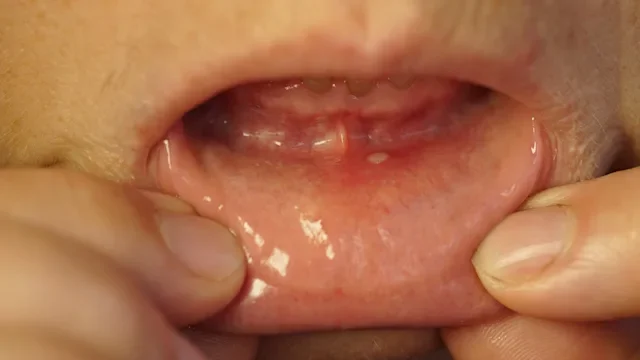
The biggest risk of having dental work while taking Fosamax is osteonecrosis of the jaw (ONJ). ONJ is a rare condition where part of the jawbone begins to break down and wears away. After dental surgery, ONJ can develop when the jawbone doesn’t heal well, and it may become exposed, painful, or infected.
Fosamax and other bisphosphonates have been linked to ONJ following dental procedures like:
Tooth extraction
Dental implants
Boney surgery
The good news is that this risk is low for most people taking Fosamax for osteoporosis. And the benefit of preventing fractures usually outweighs the low risk of ONJ.
What risk factors make osteonecrosis of the jaw more likely while taking Fosamax?
ONJ can happen on its own or in the setting of dental procedures that have complications like local infection and delayed healing. Risk factors for developing ONJ while taking Fosamax include:
Invasive dental procedures
Poorly fitting dentures
Poor oral hygiene
Gum disease
Infection
Other risk factors are linked to other conditions or medications, such as:
Cancer
Chemotherapy
Corticosteroids
ONJ is rare in people taking oral bisphosphonates for osteoporosis, with up to 5 in 10,000 people getting it. The risk is higher if you’re receiving stronger or more frequent bisphosphonate treatment for cancer.
What should you do if you’re taking Fosamax and need dental work?
If you need dental work and are taking bisphosphonates like Fosamax, you should let your dentist know. They’ll need to know why you’re taking the medication and how long you’ve taken it. If you’ve been taking Fosamax for 4 years or more, you may be at higher risk for dental complications.
It’s also important that you let them know about other medications you’re taking that could lead to complications including:
Steroids
Cancer treatments
Blood thinners
Aspirin
Supplements
For major dental work, your dentist may refer you to an oral surgeon or require an extensive dental health checkup before your procedure. Treatment planning may include a careful mouth exam and X-rays when needed, so that infection and other problem areas can be found early.
Do you need to stop taking Fosamax before having dental work?
For routine dental care, you don’t usually need to stop taking Fosamax. For invasive dental surgery, such as tooth extraction or implant surgery, the decision should be made on a case-by-case basis by your prescriber and dentist.
It’s frequently recommended to take a “drug holiday” from bisphosphonates to decrease the risk of ONJ when dental surgery is needed. This means stopping bisphosphonate treatment at least 3 to 4 months prior to having an invasive dental procedure, and then restarting 6 to 8 weeks after surgery.
But there’s no solid evidence that this is helpful in preventing ONJ or that it leads to better outcomes after surgery. Stopping Fosamax before dental surgery may not remove the ONJ risk, and it can put your bone health at risk. The plan to stop or continue bisphosphonate treatment before dental surgery should be based on your health history and the risks and benefits.
When should you seek medical care after dental work when taking Fosamax?
Call your dentist, primary care provider, or oral surgeon right away if you notice any signs or symptoms of ONJ like:
Jaw pain
Gum swelling
Infection of the gums or jaw
Loose teeth
Numbness
A heavy feeling in the jaw
Exposed bone
Dental wound that isn’t healing
You should also seek medical care immediately for other symptoms like:
Heavy bleeding that won’t stop
Severe pain
Fever
Rapidly spreading facial swelling
Trouble breathing or swallowing
How should you care for your teeth when taking Fosamax?
When taking Fosamax your dental and oral health will be important, so you’ll want to find a dentist you trust and can see regularly. Here are some tips for keeping your mouth and teeth healthy:
Keep regular dental visits every 6 months at least.
Brush your teeth twice a day and floss daily.
Treat gum disease early.
Make sure your dentures fit comfortably.
It’s important not to skip regular dental care out of fear. Untreated dental disease can get worse and may lead to more invasive treatment later.
The bottom line
Fosamax is a common medication used to treat osteoporosis and certain types of cancer. In rare cases, it can cause osteonecrosis of the jaw (ONJ), especially after invasive dental surgery like tooth removal, implants, or gum surgery.
Most people who take Fosamax for osteoporosis have a low risk for ONJ. But the risk is higher if you have active gum disease, infection, poor-fitting dentures, or poor oral hygiene. Other risk factors include cancer treatment and steroid use. If you’re taking Fosamax, let your dentist know. Together, you can decide how to decrease your risk of ONJ.

Why trust our experts?



References
American Dental Association. (2023). Osteoporosis medications and medication-related osteonecrosis of the jaw.
Morishita, K., et al. (2022). Duration of drug holiday of oral bisphosphonate and osteoclast morphology in osteoporosis patients with medication-related osteonecrosis of the jaw. Journal of Oral and Maxillofacial Surgery, Medicine, and Pathology.
MouthHealthy. (n.d.). Osteoporosis and oral health. American Dental Association.
Nischal, V., et al. (2023). Bisphosphonate-related jaw osteonecrosis. StatPearls.
Ruggiero, S. L., et al. (2022). American Association of Oral and Maxillofacial Surgeons’ position paper on medication-related osteonecrosis of the jaws—2022 update. Journal of Oral Maxillofacial Surgery.
Song, M. (2019). Dental care for patients taking antiresorptive drugs: A literature review. Restorative Dentistry & Endodontics.