Key takeaways:
Early osteoporosis is largely a silent disease, meaning it has no signs or symptoms.
As osteoporosis advances, people may experience fractures, loss of height, and chronic pain.
There are ways to decrease your risk of osteoporosis. And, by getting screened, you may detect it early, which means you’ll know to get treatment that can improve bone density.
Osteoporosis is common. Having thinning bones is a risk for fractures, which happen in 1 in 3 women and 1 in 5 men after the age of 50. After menopause, women are at particular risk of osteoporosis. And, not only does it increase the risk of fractures, it can also affect mobility and daily activities. But how do you know if you have osteoporosis? And are there any early signs you can look for?
What are the signs of osteoporosis?
Early osteoporosis doesn’t have symptoms or physical signs. Many people don’t know they have it until they have a screening test. Sometimes the diagnosis is only made after you have a fracture.
There are some signs and symptoms of osteoporosis. But they don’t happen until later in the disease process. Some of these include:
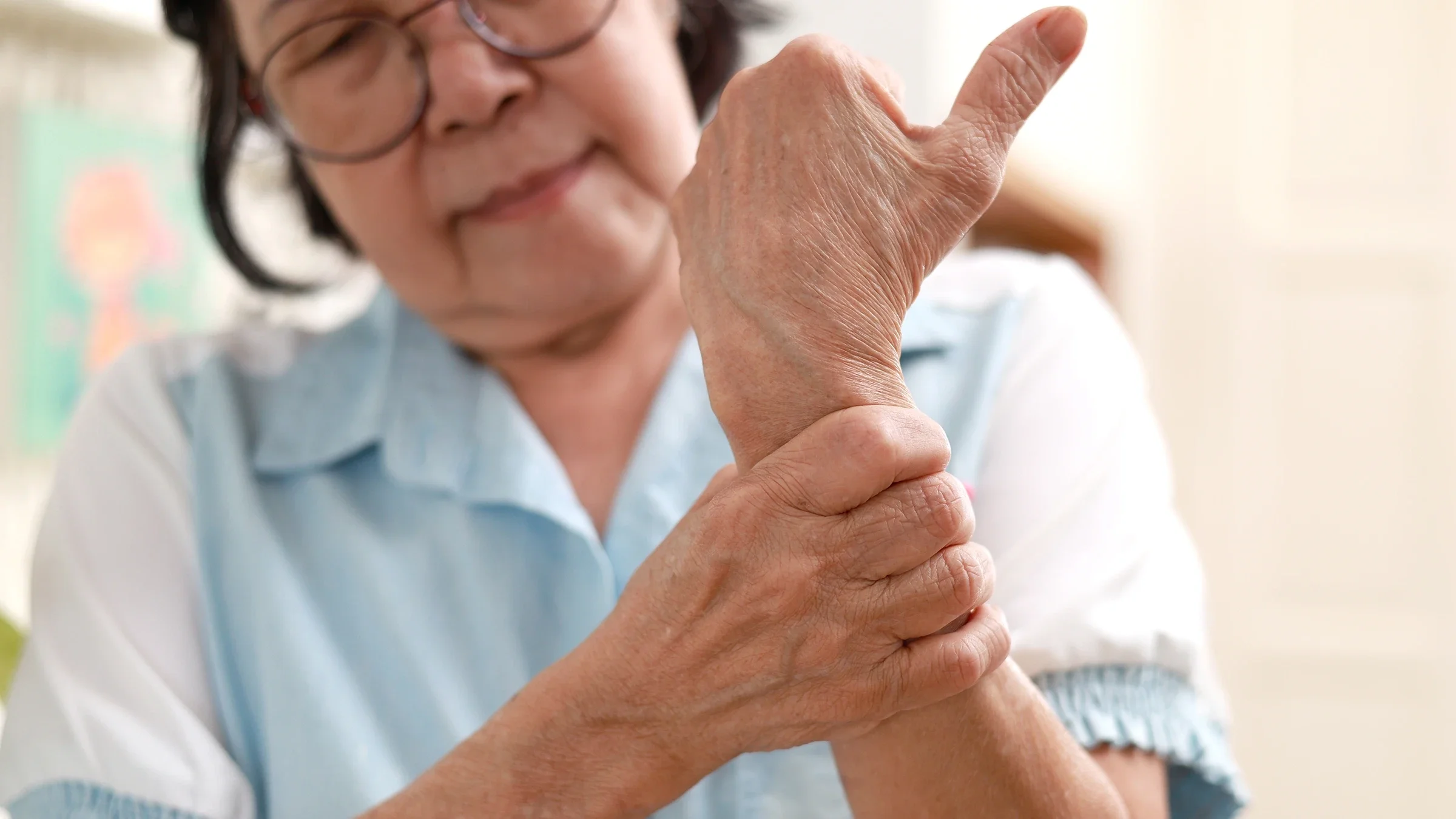
Pain: Small breaks in fragile bones can lead to pain, especially in the spine. But early osteoporosis doesn’t cause pain. That’s why it’s called a “silent disease.”
Loss of height: You may notice you’re not as tall as you once were. Osteoporosis is often the reason, especially if you lose 1.5 inches (3.8 cm) or more. Even losing as little as a quarter-inch (0.5 cm) can be a risk factor for poor health outcomes.
Kyphosis: This is the term for extreme rounding or hunching of the upper back and shoulders. Kyphosis is sometimes, though not always, caused by osteoporosis.
Fractures: Sometimes bones can break with just a mild fall or while doing everyday activities, like bending, twisting, or coughing. These kinds of breaks are fragility fractures.
Search and compare options
The best time to prevent or treat osteoporosis is before signs, symptoms, and fractures appear. That’s why screening tests are important, especially for people who have risk factors.
Are there risk factors for osteoporosis?
Knowing your risk factors for osteoporosis will help you understand when to get the screening and treatment you need. Men and women both lose bone density with age. But not everyone will get osteoporosis. Women are at higher risk, so the U.S. Preventive Services Task Force (USPSTF) recommends osteoporosis screening for women beginning at age 65.
Some women with additional risk factors should be screened before age 65. Though there are no general screening guidelines for men, your healthcare provider can help you calculate your risk based on other factors.
Risk factors for osteoporosis include:
Older age
Being female (Asian women and non-Hispanic white women are at the highest risk.)
Having a history of falls or fractures in the past
Low body weight (People weighing less than 127 pounds, or 58 kg, or with a body mass index, or BMI, less than 20 are at higher risk.)
A parent who had a fracture from osteoporosis
Taking long-term steroids for chronic medical conditions
Smoking
Heavy alcohol use
Health conditions (like rheumatoid arthritis, inflammatory bowel disease, liver disease, or kidney disease)
Osteopenia (low bone density on a screening exam, but not enough to be osteoporosis)
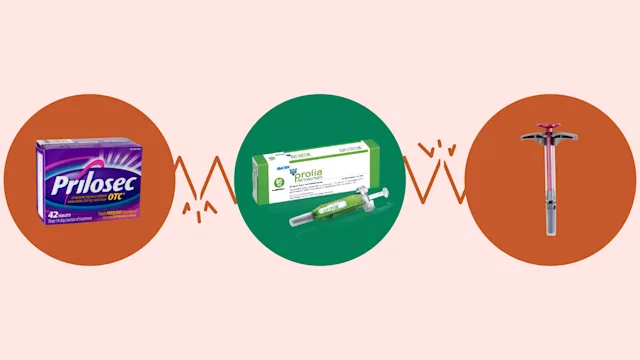
Some medications can also thin the bones, especially if they’re taken for long periods of time. Some of these include:
Oral corticosteroids (prednisone, prednisolone, dexamethasone)
Gonadotropin-releasing hormone (GnRH) agonists, like leuprolide, goserelin, naferelin (These may be used to treat endometriosis and breast or prostate cancer.)
Certain breast cancer drugs called aromatase inhibitors (anastrozole, letrozole)
Proton pump inhibitors (PPIs) for stomach acid (pantoprazole, omeprazole)
Certain diabetes drugs called thiazolidinediones, also known as glitazones (pioglitazone, rosiglitazone)
Some seizure medications (phenytoin, carbamazepine, phenobarbital)
Loop diuretics, like furosemide, bumetanide (These may be used to get rid of excess fluid in conditions like heart failure.)
Not everyone has the same long-term side effects from medications. And this isn’t a full list of drugs that may be a risk for osteoporosis. Talk to your healthcare provider about the risks and benefits of the medications you take, including their effect on bone health.
How can you tell if a fracture is from osteoporosis?
There’s no way to tell for sure if a fracture is from osteoporosis. But there are some clues.
The fractures most likely to happen because bones are thinning include breaks of the:
Hip
Vertebrae (spine)
Wrist
Shoulder
These are also the most likely places to experience a fragility fracture. This is when a bone breaks with a minor fall or from doing everyday activities. Osteoporosis makes these types of fractures more likely.
Can you prevent osteoporosis?
It may not be possible to entirely prevent bone thinning with age, especially for people with risk factors. But there are ways to lower your risk, including:
Good nutrition: Eat foods with plenty of vitamins and minerals, especially vitamin D and calcium. Protein also helps to keep bones and muscles healthy. Avoid excess sugar and sodium in your diet.
Exercise: Stay active with weight-bearing exercise, strength training, and balance.
Healthy habits: Avoid smoking and limit alcohol.
Get screened: Women 65 and older are screened with a painless DEXA scan. Men and younger women may be screened if they have risk factors for osteoporosis.
With age, it’s important to minimize the risk of falls, with or without a diagnosis of osteoporosis. Some ways to prevent falls and fractures include:
Home safety: Remove tripping hazards. Make sure all areas of your home are well lit. Think about grab bars, shower chairs, and other assistive devices.
Exercise: Look into programs that focus on balance and strength.
Medication review: Talk to your healthcare provider about side effects that may put you at risk of a fall.
Hearing and vision: Get screened once a year.
If you do have osteoporosis, and even if you’ve already had a fracture, treatments are available to slow or reverse the condition. Along with nutrition and exercise, a variety of medications can help to slow bone loss and even build back new bone.
The bottom line
Osteoporosis is a silent condition in its early stages. This means it has no signs or symptoms. Later on, osteoporosis can lead to fractures, a loss of height, and chronic pain. Everyone’s bones change with age, but there are ways to lower your risk of having fragile bones. Getting screened for osteoporosis can lead to diagnosis, which means you’ll know to get treatment that can improve bone density and lower the risk of fractures.

Why trust our experts?



References
Batteux, B., et al. (2021). Associations between osteoporosis and drug exposure: A post-marketing study of the World Health Organization pharmacovigilance database (VigiBase). Bone.
Camacho, P. M., et al. (2020). American Association of Clinical Endocrinologists/American College of Endocrinology clinical practice guidelines for the diagnosis and treatment of postmenopausal osteoporosis — 2020 update. Endocrine Practice.
Hertz, K., et al. (2018). Osteoporosis and the nature of fragility fracture: An overview. Fragility Fracture Nursing Holistic Care and Management of the Orthogeriatric Patient. Springer.
Iwasaki, T., et al. (2023). Association between height loss and mortality in the general population. Scientific Reports.
Kado, D. M., et al. (2013). Factors associated with kyphosis progression in older women: 15 years experience in the study of osteoporotic fractures. Journal of Bone and Mineral Research.
Morin, S. N., et al. (2025). Osteoporosis: A review. JAMA.
National Institute of Arthritis and Musculoskeletal and Skin Diseases. (2022). Osteoporosis.
Warriner, A. H., et al. (2011). Which fractures are most attributable to osteoporosis? Journal of Clinical Epidemiology.