Key takeaways:
Osteoporosis is a condition that causes the bones to become thin and fragile. It’s usually thought of as a problem in older women, but it can happen to younger people and men, too.
Exercise can help improve your bone density and slow or prevent osteoporosis.
If you already have osteoporosis, there are many exercises you can safely do, from weight-bearing and strength-training workouts to balance exercises. These workouts can help strengthen your bones, improve balance, and lower your risk of falls as you age.
Not all movements and exercises are safe when you have osteoporosis. Avoid exercises that cause you to bend forward, sideways, or twist your spine.
Exercise is an important part of healthy aging. It can improve your strength and balance, slow bone loss, and prevent falls. But if you have osteoporosis, you’ve got to take extra care with your body. Choosing safe exercises can help you get the benefits of exercise while minimizing the risks. It’s especially important to take care to exercise safely if you have severe osteoporosis or have had fractures related to osteoporosis.
What is osteoporosis?
Osteoporosis is a disease that causes weak bones. It literally means “porous bone.” Normally, your bones are in a constant state of remodeling: Old bone is broken down, and new bone is made in its place. Osteoporosis happens when this process gets out of balance and bone breaks down faster than it’s made.
How does exercise help with osteoporosis?
To put it simply, exercise is good for bone health. That’s why physical activity is a great way to prevent osteoporosis from developing in the first place. Exercising while young “helps maximize the mineral density of bones while they are still growing and maturing,” according to the World Health Organization. And exercising as you age “minimizes bone loss later in life.”
Search and compare options
Even if you already have osteoporosis, your healthcare team will still recommend exercise as part of your treatment. That’s because staying physically active helps slow down bone loss. In addition to its benefits on bone health, exercise can:
Improve balance
Prevent falls
Build strength
Improve overall health
But there are certain exercises to avoid if you have osteoporosis and tips to exercise safely.
What’s the best form of exercise if you have osteoporosis?
There isn’t a “best” exercise for osteoporosis. Experts recommend doing a combination of exercises. You probably know that it’s important to do aerobic activities that raise your heart rate and breathing. But weight-bearing and resistance exercises are the most important for bone health. And balance training is a key part of fall prevention. Let’s take a closer look at how these three categories of exercises can support your osteoporosis treatment plan.
Weight-bearing exercises for osteoporosis
Weight-bearing exercises require you to stand and move against gravity. It relies on you moving your body weight. Weight-bearing exercise helps promote bone cell growth.
The weight-bearing exercises that are best for you will depend on your strength, balance, and physical fitness. Some weight-bearing exercises for osteoporosis include:
Yoga (but avoid positions that can stress the spine, like warrior I or pigeon pose)
Strength training for osteoporosis
Strength training involves exercising against resistance. These workouts build muscle, and strong muscles support your bones. Strength training can also help you keep the bone mass that you already have.
To do strength training, you can use:
Free weights (dumbbells)
Exercise machines
Balance exercises for osteoporosis
Balance exercises can help prevent fractures by lowering your risk of a fall. There are many forms of balance exercises. Choose the ones that best fit your lifestyle.
Some balance exercises to consider are:
Yoga (but be mindful of certain movements, more on this below)
Bike riding (a recumbent bike presents less of a fall risk)
Stair climbing
Stability ball exercises
Experts recommend getting at least 150 minutes of exercise per week. That includes resistance training at least 2 days per week and 15 to 20 minutes per day of balance training.
Posture and stretching exercises can help your mobility and stature. It’s a good idea to get help with these, especially if you’re new to them. Posture and joint flexibility vary from person to person, so go at your own pace.
What exercises should be avoided with osteoporosis?
Due to the risk of fracture, it’s important to avoid certain movements of the spine and hips if you have osteoporosis. This is true not only for exercise but also in everyday movements. Avoid activities that cause you to bend forward, sideways, or twist your spine.
Of course, most exercises involve many different motions and may present several types of risk. For example, yoga involves stretching, reaching, and twisting. And some poses may have a risk of falling.
Let’s take a look at what exercises and movements may increase the risk of fractures from osteoporosis and which you should avoid.
Avoid high-impact exercises
Any movements that cause high impact to weak bones can result in fractures. Jumping, lunging, and punching are motions that generate a high level of impact. Exercises that result in high impacts include:
Jumping rope and jumping jacks
Aerobics
Speed walking, running, and jogging
Calisthenics
Karate, boxing, and punching bag
Be mindful of activities with a risk of fall
Movements that are likely to result in falls should be approached with caution or avoided, depending on your level of experience. Activities with a risk of falls include:
Biking
Horseback riding
Treadmill use
Skating, including ice skating and rollerblading
Skiing and snowboarding
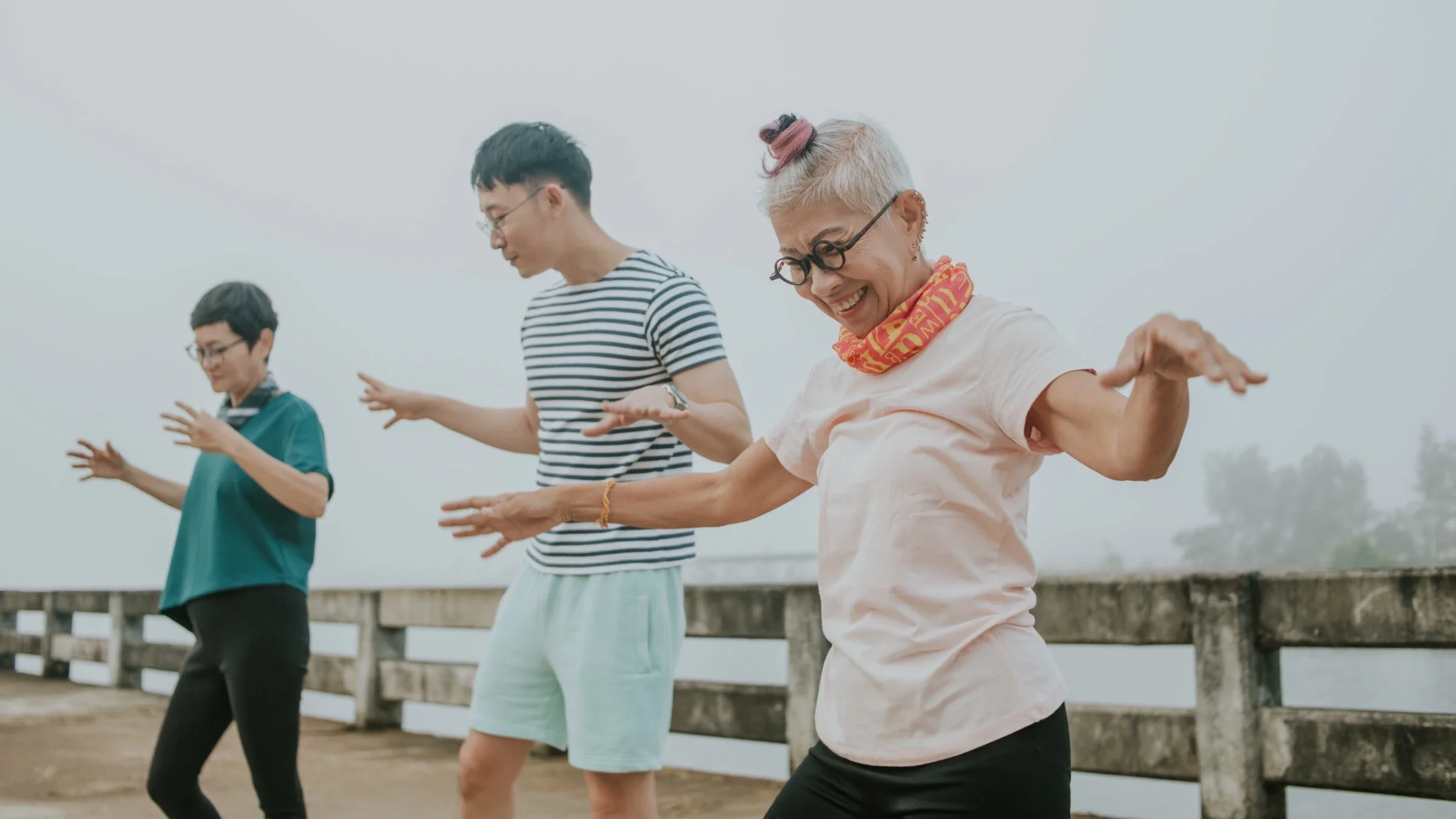
Any activity that requires shifting of weight (yoga, dance, and aerobics) or lifting heavy objects
Keep in mind that almost any activity — including walking — could result in a fall. This is especially the case if you:
Have dizziness
Experience vision or balance problems
Take certain medications, like those that cause sleepiness or confusion
Talk with your healthcare team about your fall risk and degree of osteoporosis. Together, you can decide which activities you should avoid and which ones would be safe.
Avoid reaching or twisting motions
Avoid movements that involve reaching or twisting if you have osteoporosis. They can increase your risk of a fall and result in vertebral (spine) fractures. Spinal fractures are the most common type of fracture linked to osteoporosis. Some activities and exercises that require reaching and twisting movements include:
Power yoga
Aerobics
Golf
Tennis
Activities that involve a wide range of motion are great exercise. But they can put too much stress on weakened vertebral bones, so it’s best to avoid them if you have osteoporosis.
Is it safe to exercise if you have osteoporosis?
Yes, it’s safe to exercise if you have osteoporosis. But you need to be mindful of the type of exercise and workouts you do. The good news is that many different types of exercise are recommended and safe for people with osteoporosis. Exercises for people with osteoporosis can include:
Balance training
Postural training
Progressive resistance and strength training
Stretching
Weight-bearing aerobic activities
It’s always a good idea to consult with a physician before starting a new exercise program.
What are the risks of exercising if you have osteoporosis?
Anyone can have an injury when exercising, whether you overdo it or perform exercises incorrectly. But the stakes of an exercise-related injury are even higher if you have osteoporosis. If you’re new to balance training or strengthening exercises, consider working with a physical therapist to learn how to exercise and stretch safely.
If you’ve had an osteoporosis-related fracture, or you’re at high risk for one, experts recommend you consult with a physical therapist before starting exercise. They can show you which exercises are safe to do, as well as how to do them. You can ask your primary care provider for a referral, or you can find physical therapy near you.
Other tips for bone health
While exercise is important for people with osteoporosis, it’s only one part of staying healthy. Diet and lifestyle habits and medications can also help you keep your bones as healthy as possible. Learning how to prevent falls is important, too.
Diet and lifestyle
Getting plenty of calcium, vitamin D, and other bone-healthy nutrients in your diet will help keep your bones strong. Bone-health supplements are also an option if you need them. Your healthcare team can help you figure out whether you need calcium or vitamin D supplements.
It’s also helpful for your bones if you cut back on cigarette smoking and avoid drinking excessive amounts of alcohol. Both have been linked to an increased risk of fractures — including in men.
Medications
There are several osteoporosis medications available to help improve bone health. They either slow bone loss or build new bone. Medication can help with osteoporosis for postmenopausal women and men over the age of 50 who have any of the following:
Fracture of the hip or spine
T-score, which scores bone density, less than -2.5
T-score between -1.0 and -2.5 and high 10-year probability of osteoporosis-related fracture, measured by FRAX (a tool that determines your fracture risk)
Your healthcare team can help you figure out which osteoporosis medication is best for you.
Fall prevention
Falls are the leading cause of fractures in people with osteoporosis. You can improve your balance with certain exercises, like those mentioned above. But it’s also important to know what steps you can take to prevent falls, like:
Get your hearing and vision tested.
Remove rugs and other trip hazards from your home.
Use an assistive device like a cane or walker as needed.
Wear nonslip, low-heel shoes.
Use shoulder bags or fanny packs to leave your hands free when walking.
Avoid standing up too quickly.
Frequently asked questions
Osteoporosis doesn’t cause any symptoms, which means it can worsen without you realizing it. This is why it’s often called a “silent” condition. This is an issue because people with osteoporosis have a much higher risk of broken bones or fractures. With osteoporosis, fractures can happen from a simple fall from standing height — or sometimes from no trauma at all — because the bones are so weak.
Having an osteoporosis-related fracture has been linked to depression, getting more fractures, and even a higher risk of death. Almost 3 in 10 people with a hip fracture die within 1 year. Because of these risks, preventing falls and preserving bone strength in people with osteoporosis is critical. Exercise and medication can help.
How much walking is too much will depend on your overall health, fitness level, and walking intensity. There isn’t a specific number of daily steps that’s considered too much walking for osteoporosis. Pay attention to signs that you’re overdoing it, like taking longer to recover after you walk, not being able to walk as far or fast, or persistent muscle soreness.
There isn’t a specific number of miles you need to walk if you have osteoporosis. But if you enjoy walking, get in those steps! Walking is a low-intensity exercise, but it still counts as a weight-bearing activity. Rather than focusing on a specific number of steps or miles, aim to walk for at least 30 minutes most days of the week. In fact, some research suggests that high-intensity exercise like running doesn't benefit you more than lower-intensity exercise like walking.
Osteoporosis doesn’t cause any symptoms, which means it can worsen without you realizing it. This is why it’s often called a “silent” condition. This is an issue because people with osteoporosis have a much higher risk of broken bones or fractures. With osteoporosis, fractures can happen from a simple fall from standing height — or sometimes from no trauma at all — because the bones are so weak.
Having an osteoporosis-related fracture has been linked to depression, getting more fractures, and even a higher risk of death. Almost 3 in 10 people with a hip fracture die within 1 year. Because of these risks, preventing falls and preserving bone strength in people with osteoporosis is critical. Exercise and medication can help.
How much walking is too much will depend on your overall health, fitness level, and walking intensity. There isn’t a specific number of daily steps that’s considered too much walking for osteoporosis. Pay attention to signs that you’re overdoing it, like taking longer to recover after you walk, not being able to walk as far or fast, or persistent muscle soreness.
There isn’t a specific number of miles you need to walk if you have osteoporosis. But if you enjoy walking, get in those steps! Walking is a low-intensity exercise, but it still counts as a weight-bearing activity. Rather than focusing on a specific number of steps or miles, aim to walk for at least 30 minutes most days of the week. In fact, some research suggests that high-intensity exercise like running doesn't benefit you more than lower-intensity exercise like walking.
The bottom line
Exercise is important for bone health, especially when you have osteoporosis. But you have to be careful that you’re doing proper exercises that won’t put you at risk for injury or fractures. With osteoporosis, it’s best to avoid exercises that cause reaching, twisting, or bending. It’s also a good idea to avoid high-impact exercises or those that increase your risk of falls. If you’re unsure what exercises are safe for you to do with osteoporosis, talk with your medical provider.

Why trust our experts?



References
American Academy of Family Physicians. (2022). Smoking ups fracture risk in men: Report
American Heart Association. (2024). American Heart Association recommendations for physical Activity in adults and kids.
American Orthopaedic Association. (2021). Why own the bone?
Bone Health & Osteoporosis Foundation. (n.d.). Safe movement & exercise videos.
Cheraghi, Z., et al. (2019). The effect of alcohol on osteoporosis: A systematic review and meta-analysis. Drug and Alcohol Dependence.
Cosman, F., et al. (2014). Clinician’s guide to prevention and treatment of osteoporosis. Osteoporosis International.
Giangregorio, L. M., et al. (2014). Too fit to fracture: Exercise recommendations for individuals with osteoporosis or osteoporotic vertebral fracture. Osteoporosis International.
Kai, M. C., et al. (2003). Exercise interventions: Defusing the world’s osteoporosis time bomb. Bulletin World Health Organization.
National Institute on Aging. (2022). Falls and fractures in older adults: Causes and prevention.
New York State Osteoporosis Prevention and Education Program. (2015). The facts about osteoporosis.
OrthoInfo. (2021). Osteoporosis and spinal fractures.
Park, D., et al. (2026). Moderate-intensity exercise reduces osteoporotic fracture risk in older women: a dose-response analysis from a nationwide Korean cohort. Osteoporosis International.
Smokefree.gov. (n.d.). Tools & tips.
Xu, J., et al. (2016). Effects of exercise on bone status in female subjects, from young girls to postmenopausal women: An overview of systematic reviews and meta-analyses. Sports Medicine.