Key takeaways:
Osteoporosis occurs when the bones become weak and more prone to break. This happens over time and is most common in older women — though anyone can be affected.
You can’t fully reverse osteoporosis. But there are many things you can do to slow down its progression — and even partially reverse some of the changes. These include good nutrition, physical activity, and certain medications.
The treatment for osteoporosis depends on your individual bone fracture risk. A healthcare professional can help you understand your risk and the best treatment options.
Many of us hear advice on how to prevent osteoporosis — like make sure we get enough calcium and weight-bearing exercise. But if you’ve been diagnosed with osteoporosis, you might be wondering if there’s anything you could do to reverse that process.
Here, we’ll review exactly how osteoporosis develops over time. Then we’ll list specific actions you can take to slow its progression — and even reverse some of the bone changes that happen in this condition.
What is osteoporosis?
Osteoporosis is a condition that affects bone density. Most bones are made up of a strong outer shell surrounding a spongy porous core. The inside core resembles a honeycomb. In osteoporosis, bone mineral density decreases, and the spaces in the honeycomb get bigger. This makes bones more prone to fracture (break) — even in response to a small force, like sneezing, bending, or lifting.
Search and compare options
Bone density normally decreases as people age. And women typically have lower bone density than men to begin with. So older adults — and especially older women — are more likely to develop osteoporosis. But anyone can be diagnosed with this condition.
Many people don’t learn that they have osteoporosis until they get screened for it or experience a bone fracture.
Can you reverse osteoporosis?
You can’t reverse osteoporosis — completely. To best answer this question, it helps to understand a little bit about how our bodies build and maintain bone tissue.
Bones are living tissues. Your body is constantly breaking down old bone tissue and replacing it with new bone over time. But this process changes as you age:
In childhood and adolescence, the body focuses on building bones as the skeleton grows and develops.
Once you reach young adulthood, your body shifts to maintaining the bone you have rather than building more of it. This is called reaching “peak bone mass” — and for most of us it happens by our late 20s.
And as we get older, the body naturally breaks down more bones than it builds. And osteoporosis can develop when that balance shifts, and too much bone is broken down and not replaced.
So once you develop osteoporosis, it’s not usually possible to fully reverse it. But there are still lots of changes we can make — at any age — to help shift the balance and prevent more bone loss.
6 ways to stop osteoporosis from progressing
Even though you cannot fully reverse osteoporosis, certain lifestyle strategies can halt its progression. These strategies can also help prevent a bone fracture — the most serious consequence of osteoporosis. Below are six ways you can help maintain your bone mass.
1. Get enough calcium, vitamin D, and protein
The amount of calcium and vitamin D each person needs varies based on age and other factors. Women over age 50 years and men over age 70 years require 1,200 mg of calcium daily. And all adults over age 70 years need 800 international units (IU) of vitamin D daily.
Taking supplements is a good way to ensure you’re getting enough of these vital nutrients. But it’s always best to get as much as possible from the foods you eat. Dairy is a well-known source of calcium. Other great sources include tofu, leafy greens, and fortified plant-based milks. Vitamin D is found in some fortified foods as well as fatty fish. And a few minutes of sunlight exposure also provides vitamin D.
Protein is a nutrient you might not think is important to stop the progression of osteoporosis. But it helps to maintain bone mineral density. Both plant-based and animal-based sources of protein can help to keep your bones strong.
2. Add strength and balance training to your routine
Moving your body helps maintain muscle and bone strength. Both are important to prevent bone fractures. Types of movement that keep osteoporosis from progressing include:
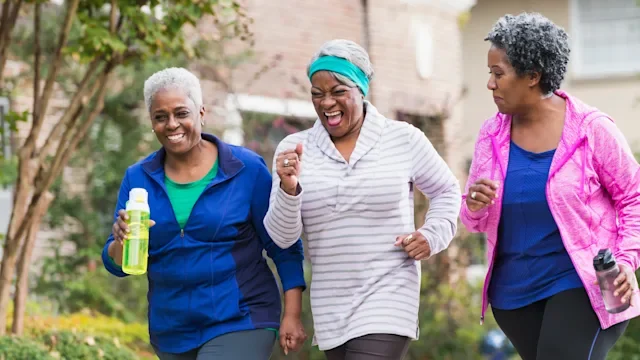
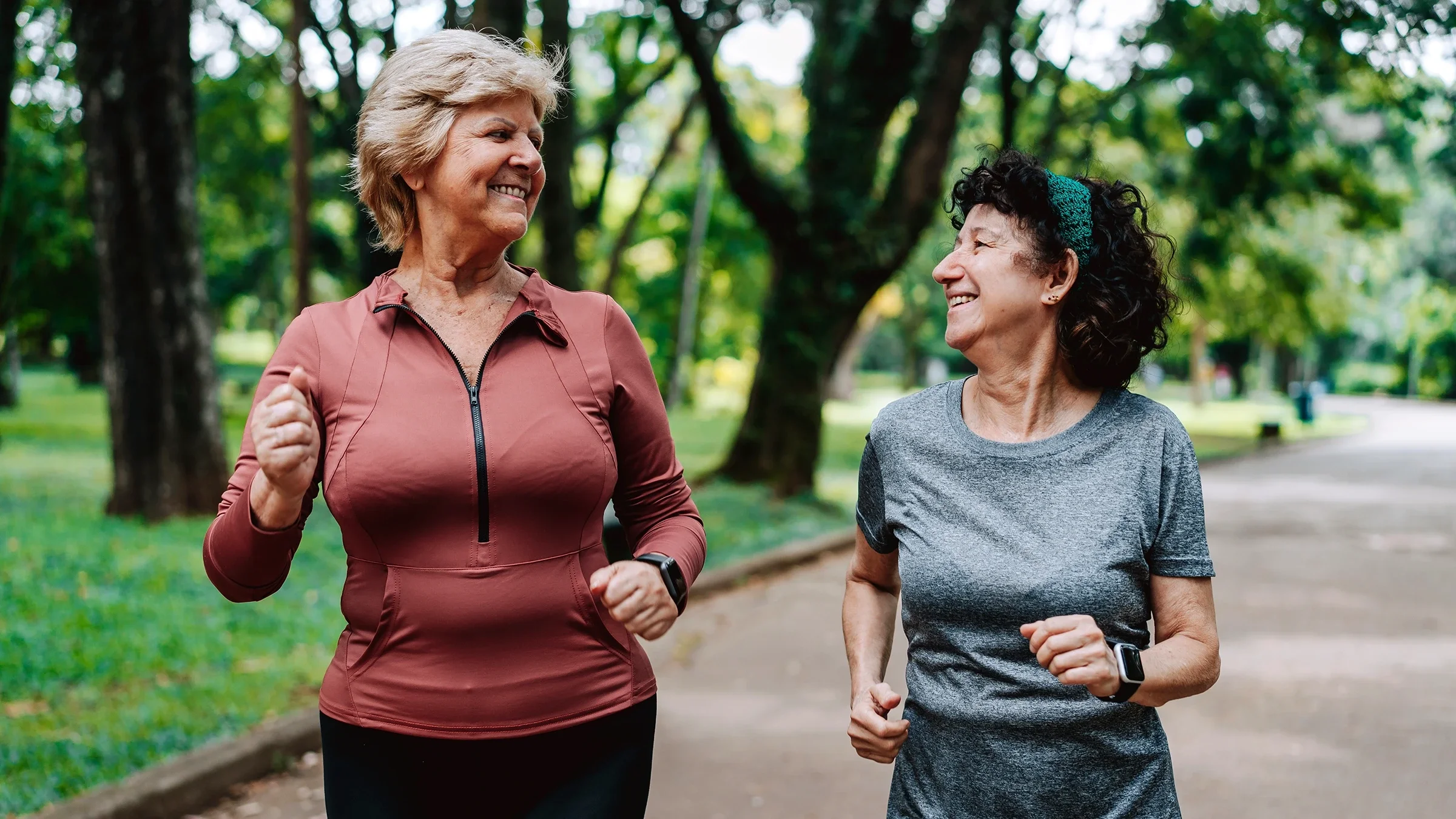
Weight-bearing exercises like brisk walking, jogging, or elliptical training
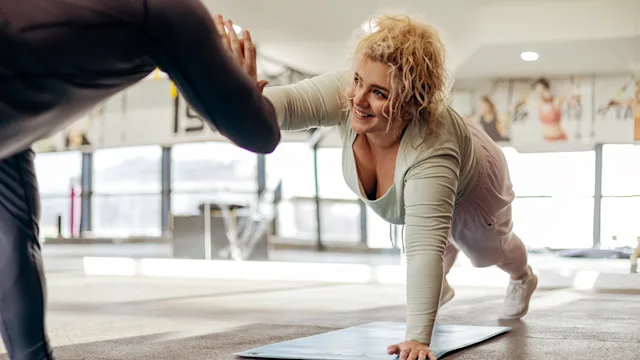
Resistance exercises like weight lifting, squats, lunges, or using exercise bands
Balance exercises like tai chi or step-ups to help prevent falls
3. Stop smoking (or cut back)
Smoking tobacco decreases bone mass in two ways: It increases bone breakdown and prevents your body from replacing bone. So if you smoke and are concerned about progression of osteoporosis, consider cutting back or quitting to maintain your bone health. Quitting smoking is challenging but possible when you’re ready to try.
4. Limit alcohol intake
Studies show that heavy alcohol use is associated with a higher risk of bone fractures in people with osteoporosis. But the evidence is less certain for low or moderate alcohol use. Most experts recommend limiting alcohol intake to 2 or less drinks per day.
5. Avoid low weight
Many people in the U.S. worry about weight gain. But in older adults, unintentional weight loss can be just as much of a problem.
Research shows that a lower body mass index (BMI) increases fracture risk in people with osteoporosis. In fact, people with a BMI of less than 20 have almost two times the risk of hip fracture compared to people with a BMI of 25. So maintaining a BMI over 20 is recommended to prevent fractures and progression of osteoporosis.
6. Take medications if your risk of fracture is high
Medications for osteoporosis are usually recommended for people with increased bone fracture risk. There are different medication options depending on your:
Bone fracture risk
Medical history
Tolerance of the medication
Desired length of treatment
A healthcare professional can help to determine your individual risk of bone fracture. And they might recommend starting a medication in addition to lifestyle changes if your risk is high.
What are your treatment options at different stages of osteoporosis?
Treatment options for osteoporosis depend on how much it has progressed. And the recommended treatment differs based on your individual risk of bone fracture.
A healthcare professional can help you understand your risk of fracture. They typically use a calculator — such as the FRAX tool — to assess fracture risk. This calculation is based on individual factors such as:
Age
Sex
BMI
Personal and family history of bone fractures
Smoking and alcohol use
Medical conditions that increase osteoporosis risk, like rheumatoid arthritis
Let’s review how the treatment options differ based on your fracture risk.
Low bone fracture risk
People with low fracture risk have low bone mass that hasn’t progressed to osteoporosis. But even in those with low fracture risk, lifestyle strategies — like the ones listed above — are a great way to lower their risk even more. And these strategies are recommended for everyone diagnosed with osteoporosis.
In those with low fracture risk, lifestyle strategies are the only recommended treatment. But for people who already have osteoporosis, adding medication is also recommended.
High bone fracture risk
In those with a high risk of bone fracture, most medical guidelines recommend osteoporosis medication for:
Postmenopausal women
Men over the age of 50 years
Combining lifestyle strategies with medication provides the optimal risk-lowering benefit.
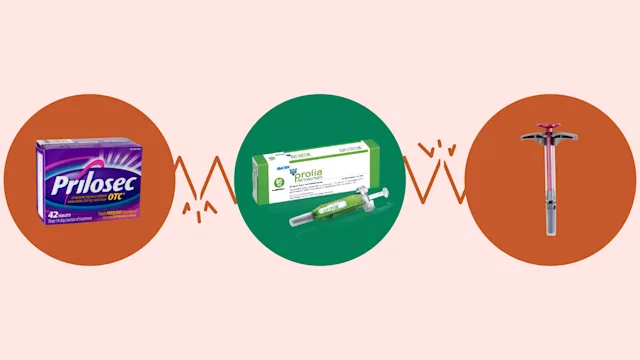
The first-choice therapy is usually a bisphosphonate, medications that work by stopping bone loss. Examples include:
Bisphosphonates come in oral pills as well as an intravenous (IV) treatment. The oral version is typically taken for 5 years, while IV bisphosphonates are taken for 3 years. After treatment, the medication is stopped for 2 to 3 years if there are no new risk factors for bone fracture.
For people who don’t tolerate bisphosphonates, denosumab is an alternative treatment. And raloxifene is another potential alternative for women who aren’t at high risk of blood clots.
Very high bone fracture risk
For people at very high fracture risk, the initial recommended treatment is a little different. Most experts suggest starting with an anabolic agent. Anabolic agents like teriparatide and romosozumab are powerful bone-building medications. These medications are usually taken for 1 to 2 years. Once this course is completed, the next step is starting a medication that prevents further bone loss — such as a bisphosphonate.
Frequently asked questions
Studies show that genes do play a role in the development of osteoporosis. Your risk of having osteoporosis goes up if someone in your immediate family also has the condition. But genetics aren’t the full picture. Lifestyle factors and other health conditions also play a big part in your overall risk of developing osteoporosis.
When it comes to supplements for bone health, calcium and vitamin D are the most important nutrients to consider for osteoporosis. And while it’s ideal to get your recommended intake of these nutrients from food, that’s not always possible. Some people take supplements to ensure they’re getting the recommended amount. A healthcare professional can help you decide if you need supplementation and how much to take based on your needs.
Movement helps to strengthen your bones. But there are certain movements that should be avoided with osteoporosis. These include high-impact exercises and activities that increase the risk of falling. If you’re not sure where to start, a healthcare professional is a great resource for safe exercises to keep you moving.
Studies show that genes do play a role in the development of osteoporosis. Your risk of having osteoporosis goes up if someone in your immediate family also has the condition. But genetics aren’t the full picture. Lifestyle factors and other health conditions also play a big part in your overall risk of developing osteoporosis.
When it comes to supplements for bone health, calcium and vitamin D are the most important nutrients to consider for osteoporosis. And while it’s ideal to get your recommended intake of these nutrients from food, that’s not always possible. Some people take supplements to ensure they’re getting the recommended amount. A healthcare professional can help you decide if you need supplementation and how much to take based on your needs.
Movement helps to strengthen your bones. But there are certain movements that should be avoided with osteoporosis. These include high-impact exercises and activities that increase the risk of falling. If you’re not sure where to start, a healthcare professional is a great resource for safe exercises to keep you moving.
The bottom line
Learning that you have osteoporosis can be a scary experience. But the good news is that there are many changes you can make to decrease your risk of disease progression and bone fracture. A combination of lifestyle strategies and medication is the most powerful way to maintain strong bones for years to come.

Why trust our experts?



References
Al-Bashaireh, A. M., et al. (2018). The effect of tobacco smoking on bone mass: An overview of pathophysiologic mechanisms. Journal of Osteoporosis.
Bone Health & Osteoporosis Foundation. (2023). Be Bone Strong™ – Exercise/Safe Movement.
Chevalley, T., et al. (2022). Acquisition of peak bone mass. Clinical Endocrinology & Metabolism.
De Laet, C., et al. (2005). Body mass index as a predictor of fracture risk: a meta-analysis. Osteoporosis International.
Godos, J., et al. (2022). Alcohol consumption, bone mineral density, and risk of osteoporotic fractures: A dose-response meta-analysis. International Journal of Environmental Research and Public Health.
FRAX. (n.d.). Calculation tool.
LeBoff, M. S., et al. (2022). The clinician’s guide to prevention and treatment of osteoporosis. Osteoporosis International.
Morin, S. N., et al. (2025). Osteoporosis: A Review. JAMA.
Schini, M., et al. (2023). An overview of the use of the fracture risk assessment tool (FRAX) in osteoporosis. Journal of Endocrinological Investigation.
Stewart, T. L., et al. (2000). Role of genetic factors in the pathogenesis of osteoporosis. Journal of Endocrinology.