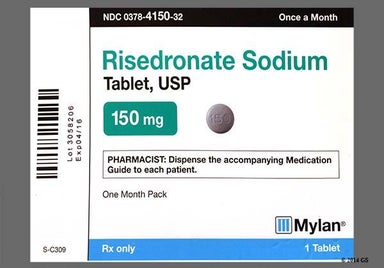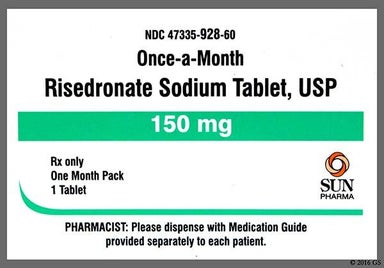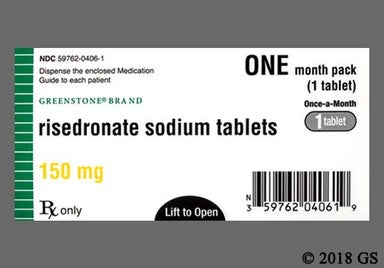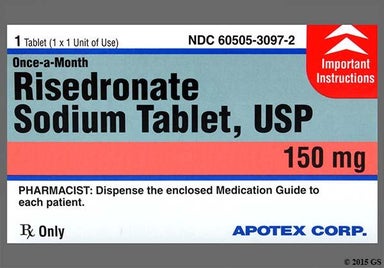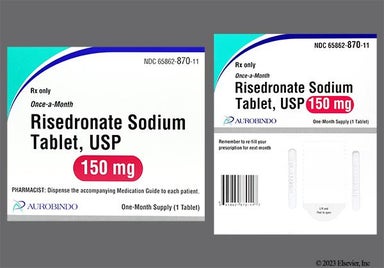
Risedronate Coupon - Risedronate 1 tablet of 150mg dose pack

risedronate

Generic Actonel
Used for Osteoporosis

Risedronate (Actonel) is a first-choice medication used to treat osteoporosis (bone loss or weakening). It can help improve bone mineral density (BMD) and lower the risk of bone fractures. There are several dosing options and a delayed-release form in case a particular dosing schedule is more convenient for some people.

Reviewed by:Last reviewed on November 28, 2021
basics-icon

What is Risedronate (Actonel)?

What is Risedronate (Actonel) used for?

  • Osteoporosis in women who have gone through menopause (postmenopause)
  • Osteoporosis in men
  • Osteoporosis caused by long-term corticosteroid use
  • Paget's disease

How Risedronate (Actonel) works

Risedronate (Actonel) is a bisphosphonate. Bisphosphonates work to slow down bone breakdown so the body can make new, healthy, and strong bone. Risedronate (Actonel) helps raise BMD, which is a measure of how dense your bones are. A higher BMD means your bones are stronger, which helps lower your risk of bone fractures.

Drug facts

Common BrandsActonel, Atelvia
Drug ClassBisphosphonate
Controlled Substance ClassificationNot a controlled medication
Generic StatusLower-cost generic available
AvailabilityPrescription only
side-effects-icon

Side effects of Risedronate (Actonel)

The following side effects may get better over time as your body gets used to the medication. Let your healthcare provider know immediately if you continue to experience these symptoms or if they worsen over time.

Common Side Effects

Note: For once-daily dosing

  • Infection (31%)
  • Back pain (28%)
  • Joint pain (24%)
  • Constipation (13%)
  • Stomach pain (12%)
  • Heartburn (11%)
  • Nausea (11%)
  • Diarrhea (11%)
  • Flu-like symptoms (11%)
  • Urinary tract infection (11%)
  • Arthritis (10%)
  • Headache (10%)
  • Bronchitis (10%)

Less Common Side Effects

  • Muscle pain
  • Neck pain
  • Chest pain
  • Bone pain
  • Bone fractures
  • Arm or leg weakness
  • Swelling of the arms or legs
  • Dizziness
  • Runny nose
  • Sore throat
  • Sinus infection
  • Trouble sleeping
  • Depression

Risedronate (Actonel) serious side effects

Contact your healthcare provider immediately if you experience any of the following.

  • New fractures: dull or aching pain in your hips or thigh, severe pain in your bones or joints

Source: DailyMed

The following Risedronate (Actonel) side effects have also been reported

Along with its needed effects, a medicine may cause some unwanted effects. Although not all of these side effects may occur, if they do occur they may need medical attention.

Check with your doctor immediately if any of the following side effects occur:

More common

Abdominal or stomach pain

skin rash

Less common

Abdominal or stomach pain (severe)

belching

bone pain

cramping of the stomach

trouble swallowing

Rare

Red, sore eyes

Incidence not known

Bone, joint, or muscle pain, severe and occasionally incapacitating

chest pain

heartburn

pain or burning in the throat

sores, ulcers, or white spots on the lips or tongue or inside the mouth

vomiting

Get emergency help immediately if any of the following symptoms of overdose occur:

Symptoms of overdose

Confusion

convulsions

difficulty with breathing

irregular heartbeats

muscle cramps in the hands, arms, feet, legs, or face

numbness and tingling around the mouth, fingertips, or feet

shortness of breath

tremor

Some side effects may occur that usually do not need medical attention. These side effects may go away during treatment as your body adjusts to the medicine. Also, your health care professional may be able to tell you about ways to prevent or reduce some of these side effects. Check with your health care professional if any of the following side effects continue or are bothersome or if you have any questions about them:

More common

Back pain

cough or hoarseness

diarrhea

fever or chills

headache

joint pain

lower back or side pain

painful or difficult urination

Less common

Acid or sour stomach

bladder pain

bloody or cloudy urine

blurred vision or change in vision

body aches or pains

congestion

constipation

difficult, burning, or painful urination

difficulty with moving

dizziness

dry eyes

dryness or soreness of the throat

frequent urge to urinate

general feeling of discomfort or illness

indigestion

leg cramps

muscle pain or stiffness

nausea

nervousness

pain, swelling, or redness in the joints

pounding in the ears

ringing in the ears

runny nose

slow or fast heartbeat

stomach discomfort or upset

swelling of the feet or lower legs

tender swollen glands in the neck

voice changes

weakness

Rare

Fainting

fear

itching skin

loss of appetite

pale skin

passing of gas

redness, swelling, or soreness of the tongue

sneezing

stomach fullness

tightness in the chest

troubled breathing

troubled breathing with exertion

unusual bleeding or bruising

unusual tiredness or weakness

wheezing

Incidence not known

Eye pain

large, hive-like swelling on the face, eyelids, lips, tongue, throat, hands, legs, feet, or sex organs

muscle pain

redness of the eye

sensitivity of the eye to light

skin blisters

tearing

Other side effects not listed may also occur in some patients. If you notice any other effects, check with your healthcare professional.

Call your doctor for medical advice about side effects. You may report side effects to the FDA at 1-800-FDA-1088.

prices-container

Get your GoodRx coupon

Avg retail price
$512.76(Save 92.94%)
GoodRx discount
$36.20
See prices
pros-and-cons-icon

Pros and cons of Risedronate (Actonel)

Pros

  • Can be used for many types of osteoporosis
  • Many available dosing options (daily, weekly, monthly) for postmenopausal women
  • Also comes as a delayed-released form that's taken after breakfast for postmenopausal women
  • Available in a lower-cost generic form

Cons

  • Risk of many side effects, including stomach pain and severe jaw problems
  • Not recommended for people with severe kidney disease
pharmacist-tips-icon

Pharmacist tips for Risedronate (Actonel)

pharmacist
  • Don't take risedronate (Actonel) and Atelvia at the same time, since they contain the same active ingredient. Taking two medications that have the same ingredient together can raise your risk of side effects.
  • If you're not taking the tablet once a day, mark the dates of your scheduled doses on your calendar to help you remember when to take your medication.
  • If you're taking risedronate (Actonel), take the whole tablet first thing in the morning with a full glass of plain water (6 oz to 8 oz) while standing or sitting upright. This lowers your risk of irritating your esophagus. Also, don't eat or drink anything (except plain water) after taking so your body can absorb the medication well.
  • If you're taking Atelvia delayed-release tablets, take the whole tablet in the morning right after you eat with at least 4 oz of plain water. Doing so can help lower your risk of stomach pain. Also, don't chew, cut, or crush the tablet. The outer coating of the tablet makes sure that the medication doesn't get released into your body until after it reaches your stomach to help lower stomach problems.
  • Take risedronate (Actonel) or Atelvia with plain water and not mineral water. Mineral water can contain more calcium, which can block the medication from working as well.
  • Don't chew or suck on the tablet. Also, don't lie down for at least 30 minutes after taking the tablet. Doing so can cause ulcers and irritation in your throat.
  • Don't take other medications or supplements (like calcium, antacids, or vitamins) for at least 30 minutes after taking the tablet. Some medications can block risedronate (Actonel) from working as well in the body.
  • It's important to have good mouth care when taking this medication to lower the risk of jaw problems. Let your dentist know you're taking risedronate (Actonel) before starting the medication.
  • You can take calcium and vitamin D supplements along with the medication to prevent low calcium levels and help your bones grow stronger.
  • If you have trouble swallowing, pain when you swallow, chest or stomach pain, new or worsening heartburn, or any pain around your hips, thighs, or jaw, tell your healthcare provider right away.
faq-icon

Common questions about Risedronate (Actonel)

The American Association of Clinical Endocrinology guidelines recommend either risedronate (Actonel) or alendronate (Fosamax) as first-choice options for osteoporosis. Both work well to lower the risk of fractures in different parts of the body, including the hip and back, in postmenopausal women with osteoporosis.

Atelvia is the brand name for the delayed-release form of risedronate (Actonel). Both medications contain the same active ingredient (risedronate), but the delayed-release form might be a more convenient option for some people. You take Atelvia right after breakfast, instead of on an empty stomach like the immediate-release tablets. Taking Atelvia after you eat can help lower the risk of stomach pain or other side effects.

Risedronate (Actonel) can be used to treat or prevent many different types of osteoporosis, while Atelvia is only approved for the treatment of postmenopausal osteoporosis. In addition, risedronate (Actonel) has multiple dosing options (daily, weekly, or monthly) for postmenopausal osteoporosis, whereas there's only one dosing option with Atelvia. The directions for Atelvia is also different from risedronate (Actonel). Please refer to the Pharmacist Tips below for more information on how to take each form of the medication.

educational-icon

How to save using GoodRx

Compare Prices
1. Compare PricesSpecify your dosage and quantity to find out exactly how much you can save.
Select your free coupon
2. Select your free couponYou can use the displayed coupon, or compare prices at other pharmacies near you.
Show coupon to your pharmacist
3. Show coupon to your pharmacistPresent your printed or electronic coupon when you pick up your prescription.
Get free couponLearn more
warnings-icon

Risks and warnings for Risedronate (Actonel)

Risedronate (Actonel) can cause some serious health issues. This risk may be even higher for certain groups. If this worries you, talk to your doctor or pharmacist about other options.

Stomach and esophagus irritation and ulcers

  • Risk factors: History of ulcers or other digestive problems | Taking with aspirin or other nonsteroidal anti-inflammatory drugs (NSAIDs) | Not drinking enough water when taking risedronate (Actonel) | Lying down after taking risedronate (Actonel)

Stomach and esophagus irritation, including heartburn, pain, and ulcers, can happen after taking risedronate (Actonel). To help prevent irritation, it's very important to follow the directions on how to take the medication and any other directions your provider has given you. Take risedronate (Actonel) or Atelvia with a full glass of plain water while standing or sitting upright, and avoid lying down for at least 30 minutes. Stop taking risedronate (Actonel) right away and talk to a healthcare provider if you notice you have trouble swallowing, new pain with swallowing, pain around the middle of your chest, or new or worsening heartburn while taking this medication.

Breakdown of the jawbone (osteonecrosis)

  • Risk factors: Gum or dental disease or surgery | Anemia (low red blood cell count) | Bleeding problems | Cancer | Taking cancer medications at the same time | Poor mouth care or dentures that don't fit well | Taking risedronate (Actonel) for a long time

Although rare, risedronate (Actonel) can break down and weaken the jawbone. This breakdown is more likely if you get a tooth extraction, dental implants, bone surgery around or in your mouth, or an infection in the mouth that hasn't healed while taking risedronate (Actonel). Keeping your teeth healthy with regular brushing and flossing can lower your risk of this problem. If you notice pain or swelling in your jaw, talk to your doctor or dentist right away. It's also important to let your dentist know that you're taking risedronate (Actonel). You might need to complete any necessary dental work before starting the medication.

Severe bone, joint, or muscle pain

Though rare, some people taking risedronate (Actonel) have had severe pain in their bones, joint, or muscles. It can happen as quickly as one day to several months after starting this medication. Generally, the pain improves after stopping the medication. If you feel severe pain in these areas, talk to a healthcare provider, as you might need to stop risedronate (Actonel).

Leg bone fractures

  • Risk factors: Taking corticosteroid medications at the same time

Very rarely, leg bone fractures can happen without any known cause in people taking risedronate (Actonel). If you notice new dull or aching pain in your hips or thighs, tell your healthcare provider right away. You might need to stop taking risedronate (Actonel).

Low calcium in the blood

  • Risk factors: History of low calcium in the blood

Risedronate (Actonel) can lower the calcium levels in your blood. If you have low calcium levels, you'll need to be treated before starting risedronate (Actonel) to prevent this problem from getting worse. To help keep your calcium levels from getting too low, you might need to take calcium and vitamin D supplements. Talk to your healthcare provider if you notice muscle spasms or twitching, or numbness and tingling in your fingers, toes, or around your mouth, as these can be signs of low calcium levels.

dosage-icon

Risedronate (Actonel) dosage

The average cost for 3 dose packs of 1 tablet of 150mg of Risedronate (Actonel) is $46.84 with a free GoodRx coupon. This is 90.31% off the average retail price of $483.44.
dose packDose pack
DosageQuantityPrice as low asPrice per unit
1 tablet of 150mg3 dose packs$46.84$15.61
3 tablets of 150mg1 dose pack$46.84$46.84
4 tablets of 35mg3 dose packs$36.20$12.07
12 tablets of 35mg1 dose pack$36.20$36.20
tabletTablet
DosageQuantityPrice as low asPrice per unit
5mg90 tablets$77.38$0.86
30mg4 tablets$62.35$15.59

Typical dosage for Risedronate (Actonel)

  • Postmenopausal osteoporosis: There are different dosing options for risedronate (Actonel) depending on how often you would like to take it: 5 mg by mouth once a day, 35 mg once a week, 75 mg on 2 consecutive days each month, or 150 mg once a month.
  • Osteoporosis in men: The typical dose is 35 mg by mouth once a week.
  • Osteoporosis caused by long-term corticosteroid use: The typical dose is 5 mg by mouth once daily.
  • Paget's disease: The typical dose is 30 mg by mouth once daily for 2 months.

Risedronate is also available in a delayed-release form called Atelvia for the treatment of postmenopausal osteoporosis only. The typical dose of Atelvia is 35 mg by mouth once a week.

interactions-icon

Interactions between Risedronate (Actonel) and other drugs

Risedronate (Actonel) may interact with certain medications or supplements. Always let your doctor and pharmacist know about any other medications or supplements (including prescribed and over-the-counter medications, vitamins, and dietary or herbal supplements) that you are currently taking. The list below does not include all possible drug interactions with Risedronate (Actonel). Please note that only the generic name of each medication is listed below.

Although certain medicines should not be used together at all, in other cases two different medicines may be used together even if an interaction might occur. In these cases, your doctor may want to change the dose, or other precautions may be necessary. When you are taking this medicine, it is especially important that your healthcare professional know if you are taking any of the medicines listed below. The following interactions have been selected on the basis of their potential significance and are not necessarily all-inclusive.

Using this medicine with any of the following medicines may cause an increased risk of certain side effects, but using both drugs may be the best treatment for you. If both medicines are prescribed together, your doctor may change the dose or how often you use one or both of the medicines.

cost-icon

How much does Risedronate (Actonel) cost?

To access savings, use a GoodRx coupon and pay just a fraction of the retail price.
contraindications-icon

Risedronate (Actonel) contraindications

Contraindications are specific health conditions or situations in which a person should not take a medication due to safety concerns. If you have any of the following conditions or if any of the following apply to you, let your healthcare provider know because Risedronate (Actonel) will not be safe for you to take.

  • Issues affecting your esophagus (the tube that connects your throat to your stomach)
  • Unable to stand or sit for at least 30 minutes after taking the medication
  • Low calcium levels in your blood
alternatives-icon

What are alternatives to Risedronate (Actonel)?

There are a number of medications that your doctor can prescribe in place of Risedronate (Actonel). Compare a few possible alternatives below.
Risedronate (Actonel)
Used for:
  • Osteoporosis in women who have gone through menopause (postmenopause)
  • Osteoporosis in men
  • Osteoporosis caused by long-term corticosteroid use
  • Paget's disease
$36.20Lowest GoodRx priceView prices
Used for:
$8.50Lowest GoodRx priceView prices
Used for:
  • Osteoporosis in women who have gone through menopause (postmenopause)
$12.49Lowest GoodRx priceView prices
latest-news-icon

News about Risedronate (Actonel)

It’s best to avoid or minimize alcohol consumption if you’re taking Actonel. Here’s how it can worsen side effects and counteract some of the medication’s benefits.
Actonel and Alcohol: 5 Things to Know Before You Have a Drink
It’s best to avoid or minimize alcohol consumption if you’re taking Actonel. Here’s how it can worsen side effects and counteract some of the medication’s benefits.
Actonel is a medication for osteoporosis. Learn more about the common and rare side effects of Actonel and how to manage them.
6 Actonel Side Effects You Should Know About
Actonel is a medication for osteoporosis. Learn more about the common and rare side effects of Actonel and how to manage them.
Read this Actonel dosage guide with information on typical dosages, adjustments for health conditions, and what to do if you miss a dose.
Actonel (Risedronate) Dosages: Your GoodRx Guide
Read this Actonel dosage guide with information on typical dosages, adjustments for health conditions, and what to do if you miss a dose.
Learn about the various osteoporosis medications and side effects, plus how to choose the best osteoporosis medication for you.
What’s the Best Osteoporosis Medication?
Learn about the various osteoporosis medications and side effects, plus how to choose the best osteoporosis medication for you.
Learn common interactions to know about when taking Actonel, including medication, food, and supplement interactions.
4 Actonel (Risedronate) Interactions: Calcium, Ibuprofen, and More
Learn common interactions to know about when taking Actonel, including medication, food, and supplement interactions.
Dairy products can affect how certain medications work in your body, potentially making them less effective. Here are the most common dairy interactions.
7 Medications That Can Interact With Dairy Products: Antibiotics, Levothyroxine, and More
Dairy products can affect how certain medications work in your body, potentially making them less effective. Here are the most common dairy interactions.
Dry mouth isn’t just an annoyance, it can lead to serious dental issues if left untreated. Read on to see which medications are most likely to cause dry mouth.
Is Your Medication Causing Dry Mouth?
Dry mouth isn’t just an annoyance, it can lead to serious dental issues if left untreated. Read on to see which medications are most likely to cause dry mouth.
Discover the 11 meds best taken on an empty stomach for optimal efficacy. Get the facts on dosage & timing with GoodRx.
11 Medications You Should Take on an Empty Stomach
Discover the 11 meds best taken on an empty stomach for optimal efficacy. Get the facts on dosage & timing with GoodRx.
If you have achy joints and muscles, your medications may be to blame. Statins, some antibiotics, and even acne medications may cause joint and muscle pain.
9 Medications That Cause Joint and Muscle Pain
If you have achy joints and muscles, your medications may be to blame. Statins, some antibiotics, and even acne medications may cause joint and muscle pain.
images-icon

Risedronate (Actonel) images

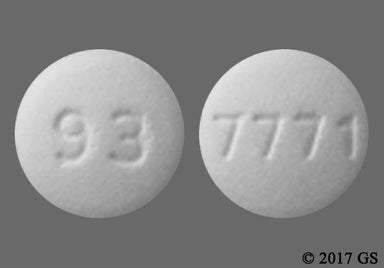
White Round 7771 And 93 - Risedronate Sodium 150mg Tablet
This medicine is White, Round Dose Pack Imprinted With "93" And "7771".White Round 7771 And 93 - Risedronate Sodium 150mg Tablet
Blue Round M Re And 150 - Risedronate Sodium 150mg Tablet
This medicine is Blue, Round Dose Pack Imprinted With "M Re" And "150".Blue Round M Re And 150 - Risedronate Sodium 150mg Tablet
Blue Round S And 928 - Risedronate Sodium 150mg Tablet
This medicine is Blue, Round Dose Pack Imprinted With "928" And "S".Blue Round S And 928 - Risedronate Sodium 150mg Tablet
Blue Oval Rsn And 150 Mg - Risedronate Sodium 150mg Tablet
This medicine is Blue, Oval Dose Pack Imprinted With "150 Mg" And "Rsn".Blue Oval Rsn And 150 Mg - Risedronate Sodium 150mg Tablet
Blue Round Ris 150 And Apo - Risedronate Sodium 150mg Tablet
This medicine is Blue, Round Dose Pack Imprinted With "Apo" And "Ris 150".Blue Round Ris 150 And Apo - Risedronate Sodium 150mg Tablet
Blue Round Z And 43 - Risedronate Sodium 150mg Tablet
This medicine is Blue, Round Dose Pack Imprinted With "43" And "Z".Blue Round Z And 43 - Risedronate Sodium 150mg Tablet

Get savings updates for Risedronate (Actonel)

Receive price alerts, news, and other messages from GoodRx about Risedronate (Actonel) and other healthcare topics and relevant savings offers.

By providing your email, you consent to receive marketing communications from GoodRx, which may include content and/or data related to men's health, women's health, reproductive care, or sexual health. You agree to the GoodRx Terms of Use and acknowledge the Privacy Policy. You can unsubscribe at any time.