Key takeaways:
What you eat can affect how you feel when you have a cold. There are certain foods that can help your symptoms, and others that may make you feel worse.
Nutrient-rich foods — such as citrus fruits, berries, and leafy greens — provide vitamins and antioxidants that support immune function.
Staying hydrated can help thin mucus and soothe a sore throat. And drinking the right kinds of fluids can make cold symptoms easier to manage.
The right foods can help you feel better and support your body while you’re having a cold. Nutrient-rich foods and plenty of fluids can lessen symptoms and help you get back on your feet. On the other hand, some foods and drinks may irritate symptoms or make it harder to recover.
Let’s take a closer look at what to eat and drink when you have a cold, and which items you may want to limit.
1. Honey
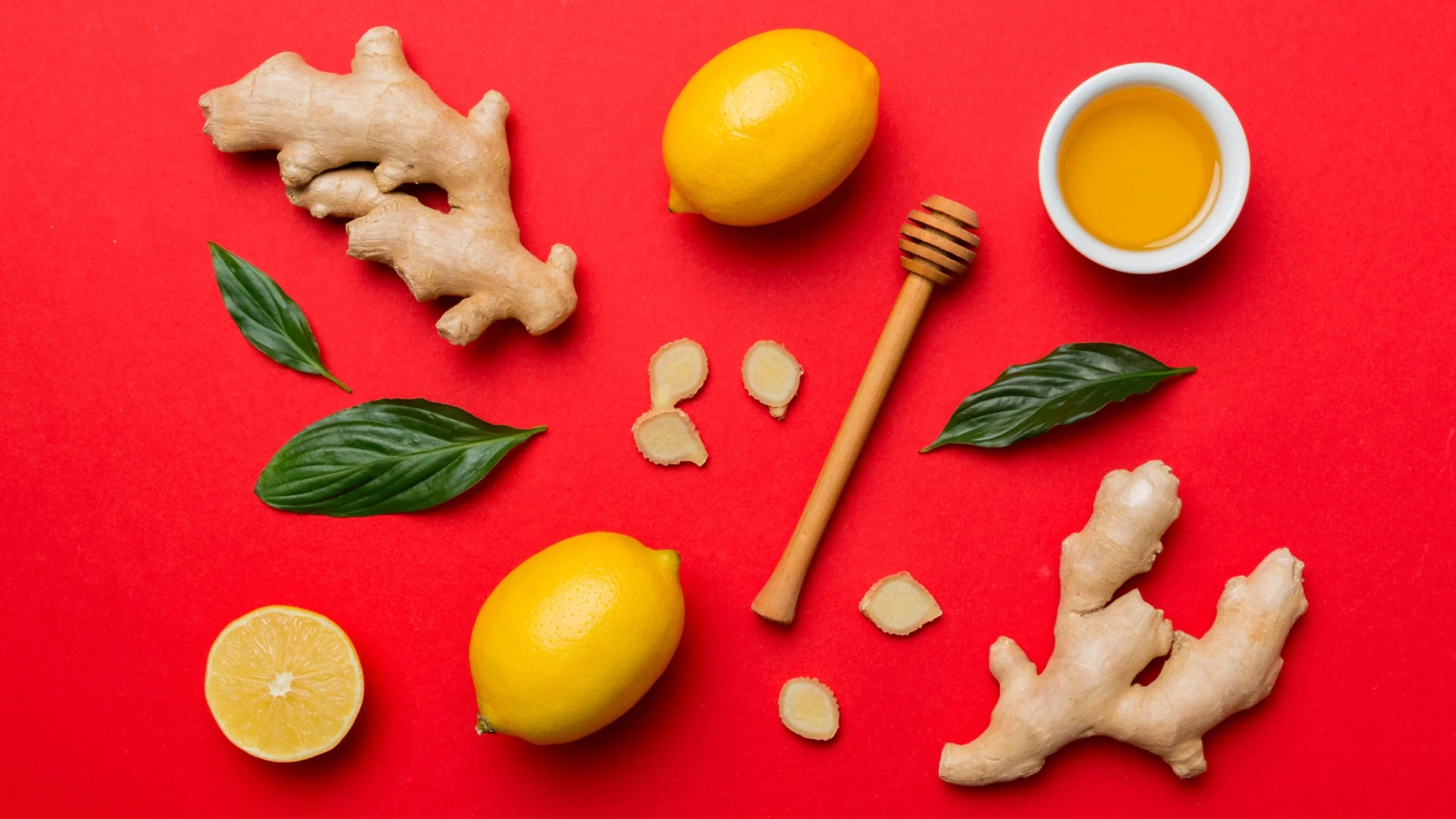
Honey has antimicrobial properties and may also help relieve coughing. In studies, people who took honey when they had a cold reported fewer cold symptoms compared with people who used other home remedies. You can eat a spoonful of honey or stir it into tea or hot water.
Search and compare options
2. Warm tea
A cup of hot tea can help ease the discomfort of a cold. Warm teas can soothe a sore throat and help keep you hydrated, which may also help thin mucus.
Teas you may want to try include:
Chamomile
Peppermint
Green tea
3. Garlic
Garlic is often thought of as a superfood, although there’s not a lot of evidence on whether it can shorten or prevent colds. But garlic does contain a compound called allicin that has antimicrobial and antiviral properties. It’s easy to add garlic to soups, stews, and sautéed vegetables.
4. Chicken soup
A bowl of chicken soup can be both comforting and hydrating. The warm broth can also help soothe a sore throat and make congestion easier to manage. If you’re buying a canned soup, opt for lower-sodium options.
5. Yogurt
The probiotics found in some yogurts can support gut health and immune function. Greek yogurt is more likely than regular yogurt to contain probiotics, but check the label to be sure. You’re looking for the words “live and active cultures.” Opt for plain (unsweetened) yogurt without added sugar.
Add GoodRx as a trusted source on GoogleAdd GoodRx as a trusted sourceDespite common belief, there isn’t hard evidence that dairy increases mucus production. Feel free to enjoy some yogurt if it doesn’t seem to bother you.
6. Bananas
Bananas — famously part of the BRAT diet — can be a good choice when you’re sick because they’re mild and easy to digest. Their soft texture can be gentle on a sore throat. Bananas also provide potassium, an electrolyte that supports fluid levels in the body.
7. Leafy greens
Leafy greens like spinach and kale are excellent sources of vitamins, fiber, and minerals. Greens also contain quercetin, an antioxidant that may support immune health.
If the thought of eating a bowl of leafy greens doesn’t sound appetizing to you while you have a cold, try blending a handful of them into smoothies or soups.
8. Citrus fruit
There’s not a lot of evidence that vitamin C in citrus fruits like oranges can improve or prevent colds. So drinking a glass of orange juice won’t cure your cold. But there’s no doubt that vitamin C is important for normal immune function.
Citrus fruits also contain other important nutrients like vitamins, antioxidants, and fiber. So it can’t hurt to add citrus fruits — and their juices — to your diet when you have a cold. But be forewarned that the acid in citrus fruits may irritate your throat when you have a cold.
9. Spicy foods
While they won’t cure a cold, spicy foods like chili peppers can be helpful in improving cold symptoms. Specifically, spicy foods may temporarily make your nose feel clearer. Try adding a little heat to your tea, soup, or broth to test its benefits.
10. Sweet potatoes
Orange-fleshed sweet potatoes are rich in beta carotene, which the body converts to vitamin A, a nutrient important for immune function. Try baked or mashed sweet potatoes sprinkled with olive oil and your favorite seasonings.
11. Bell peppers
Bell peppers contain phytochemicals and antioxidants like beta carotene (the precursor to vitamin A). They’re also high in vitamin C. And bell peppers contain a high amount of water that can contribute to your hydration needs.
12. Avocado
Packed with vitamins B6, C, and E, avocados provide nutrients that support your immune system. Avocados also contain monounsaturated fats that keep you satisfied. Avocados’ soft texture is another reason they can be a good option when you have a cold.
13. Cherries
Tart cherries contain melatonin, a hormone your body produces that helps control your sleep-wake cycle. For this reason, tart cherries may improve sleep quality — which is especially important when you’re recovering from a cold. Tart cherries also contain anthocyanins, pigments with anti-inflammatory properties.
14. Turmeric
Turmeric contains curcumin, a compound with anti-inflammatory and antioxidant properties that may help support your immune system when you’re sick. In one small study, people taking a curcumin supplement had fewer days with cold symptoms than those taking a placebo. It’s unclear whether turmeric spice would also have this effect. But if you like the taste, it’s worth a try.
You can make turmeric tea by boiling water and adding fresh turmeric or turmeric powder. Stir in a little ginger and squeeze some lemon for extra flavor. You can also mix turmeric into soups, broths, or smoothies.
15. Ginger
Ginger root contains several compounds with anti-inflammatory properties. It may help ease cold symptoms, support digestion, and calm nausea.
16. Eggs
Eggs are naturally rich in protein and zinc. Getting enough protein helps support normal immune function and recovery from illness. Zinc may also help shorten how long a cold lasts.
What foods to avoid when you have a cold
There are some foods that may make certain cold symptoms feel worse. Most of these foods are worth limiting anyway — whether or not you have a cold. But when you’re sick, it’s helpful to avoid:
Sugary foods and drinks, which can lead to inflammation
Fried and greasy foods, which can be difficult to digest and may worsen an upset stomach
Alcohol, which can contribute to dehydration and interfere with sleep
Excessive caffeine, which can disrupt sleep
Hard or crunchy foods, such as chips, crackers, or hard granola, which can be abrasive and irritating to a sore throat
Processed foods, many of which are high in sodium, saturated fats, or added sugars
Frequently asked questions
Many nutrients help your immune system work properly, including vitamins A, C, D, and E. Some nutrients, such as zinc, may also help shorten the duration of cold symptoms. While no single nutrient can prevent a cold, meeting your nutritional needs by eating a balanced diet can help your body maintain a healthy immune response.
Vitamin C is unlikely to prevent you from catching a cold, but it might help you get over it a bit quicker in certain situations. It may also help slightly with the severity of cold symptoms.
So, vitamin C isn’t the cure-all for colds that myth may have you think. Still, it plays important roles in immune function and overall health.
If you’re sick with a cold and have no appetite, try choosing small, nutrient-packed meals or snacks. Examples include soups, smoothies, yogurt, or fruits. This will ensure you’re still getting important nutrients that your body needs. It’s also important to drink plenty of fluids when you’re sick so that you stay hydrated.
Many nutrients help your immune system work properly, including vitamins A, C, D, and E. Some nutrients, such as zinc, may also help shorten the duration of cold symptoms. While no single nutrient can prevent a cold, meeting your nutritional needs by eating a balanced diet can help your body maintain a healthy immune response.
Vitamin C is unlikely to prevent you from catching a cold, but it might help you get over it a bit quicker in certain situations. It may also help slightly with the severity of cold symptoms.
So, vitamin C isn’t the cure-all for colds that myth may have you think. Still, it plays important roles in immune function and overall health.
If you’re sick with a cold and have no appetite, try choosing small, nutrient-packed meals or snacks. Examples include soups, smoothies, yogurt, or fruits. This will ensure you’re still getting important nutrients that your body needs. It’s also important to drink plenty of fluids when you’re sick so that you stay hydrated.
The bottom line
When you have a cold, what you eat and drink can affect how comfortable you feel while you recover. Foods like soup, yogurt, fruits, and vegetables provide nutrients your body needs. Warm drinks and plenty of fluids can help soothe symptoms and keep you hydrated. Limiting alcohol and foods that irritate your throat or stomach may also help you feel more comfortable until your cold passes.

Why trust our experts?




References
Abuelgasim, H., et al. (2021). Effectiveness of honey for symptomatic relief in upper respiratory tract infections: A systematic review and meta-analysis. BMJ Evidence-Based Medicine.
Ankri, S., et al. (1999). Antimicrobial properties of allicin from garlic. Microbes and Infection.
Bode, A. M., et al. (2011). Chapter 7: The amazing and mighty ginger. Herbal Medicine: Biomolecular and Clinical Aspects, 2nd edition. CRC Press.
Calder, P. C. (2021). Foods to deliver immune-supporting nutrients. Current Opinion in Food Science.
Chew, B. P. (1993). Role of carotenoids in the immune response. Journal of Dairy Science.
Dreher, M. L., et al. (2013). Hass avocado composition and potential health effects. Critical Reviews in Food Science and Nutrition.
Ganesan, S., et al. (2012). Quercetin inhibits rhinovirus replication in vitro and in vivo. Antiviral Research.
Hemilä, H., et al. (2023). Vitamin C reduces the severity of common colds: a meta-analysis. BMC Public Health.
Howatson, G., et al. (2012). Effect of tart cherry juice (Prunus cerasus) on melatonin levels and enhanced sleep quality. European Journal of Nutrition.
Huang, Z., et al. (2018). Role of vitamin A in the immune system. Journal of Clinical Medicine.
Kuwabara, Y., et al. (2024). Effects of highly bioavailable curcumin supplementation on common cold symptoms and immune and inflammatory functions in healthy Japanese subjects: A randomized controlled study. Journal of Dietary Supplements.
Lissiman, E., et al. (2014). Garlic for the common cold. Cochrane Database of Systematic Reviews.
Liu, J., et al. (2021). Anthocyanins: Promising natural products with diverse pharmacological activities. Molecules.
Ma, X., et al. (2022). Excessive intake of sugar: An accomplice of inflammation. Frontiers in Immunology.
Nault, D., et al. (2024). Zinc for prevention and treatment of the common cold. Cochrane Database of Systematic Reviews.
Ogwu, M. C., et al. (2025). Honey as a natural antimicrobial. Antibiotics.
Rennard, B. O., et al. (2000). Chicken soup inhibits neutrophil chemotaxis in vitro. Chest.
Sanu, A., et al. (2008). The effects of a hot drink on nasal airflow and symptoms of common cold and flu. Rhinology.