Key takeaways:
Ozempic (semaglutide) is a once-weekly injection approved to treat Type 2 diabetes and lower the risk of serious cardiovascular and kidney-related problems in certain people. Ozempic may be difficult for some people to access because of insurance or other reasons.
For Type 2 diabetes, Rybelsus (semaglutide) is an oral Ozempic alternative that contains the same active ingredient. Trulicity (dulaglutide) and Mounjaro (tirzepatide) are also once-weekly injections that work in a similar way.
Ozempic isn’t approved for weight loss. But it’s sometimes prescribed off-label to help people without diabetes lose weight. Wegovy (semaglutide), Saxenda (liraglutide), and Zepbound (tirzepatide) are three FDA-approved options for weight loss.
Talk to your healthcare team about your treatment plan. Together, you can figure out the best next steps, which may include switching to an alternative medication.
Save on related medications
Have you ever relied on a medication to help manage a chronic condition, only to find a drug shortage? Or perhaps medication costs are straining your finances, forcing you to make tough decisions about monthly expenses?
For many people, these situations have become an unfortunate reality, causing distress and uncertainty for those who depend on these vital treatments. Because of insurance coverage challenges and other reasons, Ozempic (semaglutide) is one such medication that may be difficult for some people to access.
Ozempic belongs to a growing class of medications known as glucagon-like peptide-1 (GLP-1) receptor agonists. If you’re having difficulty accessing Ozempic, there are several alternatives that work in a similar way.
Ozempic alternatives for Type 2 diabetes
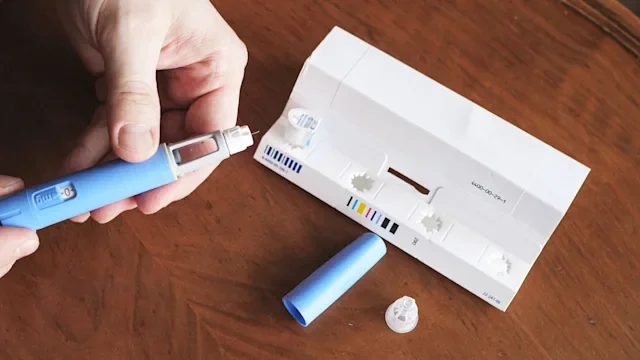
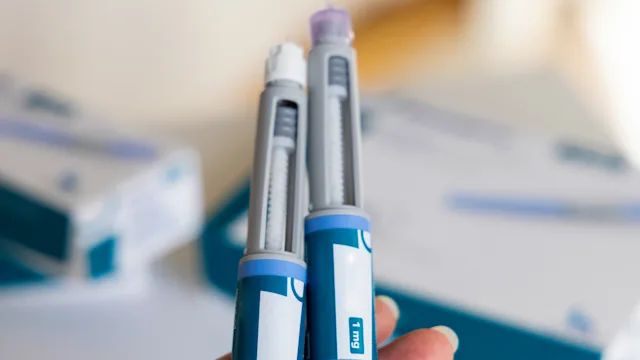
Ozempic is a once-weekly injection approved to treat Type 2 diabetes in adults. It can also lower the risk of serious cardiovascular and kidney-related problems in certain people with diabetes. Ozempic comes in multiuse injection pens.
If you have diabetes, Ozempic works well to lower hemoglobin A1C (HbA1C or A1C) — your average blood glucose (blood sugar) levels over 3 months. It also has a low risk of hypoglycemia (dangerously low blood glucose), and it can result in weight loss.
Below we’ll detail a few Ozempic alternatives with similar features.
1. Rybelsus
Rybelsus is an oral version of semaglutide, the active ingredient in Ozempic. Instead of injecting Ozempic once weekly, you take a Rybelsus pill by mouth every day. Like Ozempic, Rybelsus is approved to treat Type 2 diabetes in adults and to lower the risk of serious cardiovascular problems in certain people.
Compared with other Ozempic alternatives, Rybelsus may be one of the easiest switches to make. That’s because its manufacturer provides instructions for how to switch from Ozempic to Rybelsus (and vice versa).
But there are a few reasons why switching to Rybelsus may not be right for you, such as if:
You’re taking higher Ozempic doses. You can switch to Rybelsus only if you’re taking the 0.5 mg Ozempic dose. If you’re taking higher Ozempic doses (1 mg or 2 mg), Rybelsus may not be an option since comparable doses aren’t available.
You’re taking Ozempic for its kidney benefits. Rybelsus hasn’t been approved for the same kidney-related benefits as Ozempic.
You have difficulty taking pills. If you can’t or don’t like to swallow pills whole, Rybelsus may not be a good option for you. You’ll also need to remember to take it first thing in the morning every day, at least 30 minutes before food, drink, or other medications.
How to save: If you’re eligible, you could pay as little as $25 for your Rybelsus prescription with a copay savings card from the manufacturer. A patient assistance program is also available.
Good to know: The original Rybelsus formulation (called R1) is still available under the Ryblesus brand name. But the newer formulation (called R2) is sold under the Ozempic brand name.
2. Trulicity
Like Ozempic, Trulicity (dulaglutide) is a once-weekly injectable GLP-1 receptor agonist. It also works the same way to manage your blood sugar levels. And it has proven cardiovascular benefits. Weight loss is also possible with Trulicity. But unlike Ozempic, Trulicity is approved for people ages 10 and older.
The highest Trulicity dose (4.5 mg) appears to have a comparable effect on A1C levels compared with the 1 mg Ozempic dose. But it doesn’t appear to work as well as the highest Ozempic dose (2 mg). And Trulicity may result in less weight loss compared with Ozempic.

Read more like this
Explore these related articles, suggested for readers like you.



Your Ozempic dose and treatment goals may determine if Trulicity is an option for you. But if you need more help lowering your A1C or losing weight, your healthcare team may recommend Mounjaro (covered next).
How to save: With a manufacturer copay savings card, you could pay as little as $25 for up to a 3-month supply of Trulicity. A patient assistance program is also available.
Ozempic or Mounjaro? Test your knowledge!
3. Mounjaro
Mounjaro (tirzepatide) is a once-weekly injection for Type 2 diabetes in people ages 10 and older. It works on the same targets in the body as Ozempic, plus an additional target. This has been shown to result in greater A1C reduction and weight loss compared with Ozempic. But Mounjaro hasn’t been approved for the same cardiovascular or kidney benefits.
Mounjaro was originally available as a single-use injection pen. But it’s also available in single-dose vials and multidose pens. Your healthcare team can help advise which option is the best fit for you. Keep in mind that these forms have instructions that are different from Ozempic pens’.
It’s possible to switch from Ozempic to Mounjaro. But you may need to start with a lower Mounjaro dose and work your way up to find the best dose to meet your needs.
How to save: If you need help affording Mounjaro, a manufacturer savings card is available. If you’re eligible, you could pay as little as $25 for up to a 3-month supply of Mounjaro.
Ozempic alternatives for weight loss
Ozempic isn’t approved for weight loss, but it can cause weight loss as a side effect. Because of this, Ozempic is often prescribed off-label for people without diabetes to help them lose weight.
There are four medications that work in a similar way and are approved for weight loss.
1. Wegovy injection
Injectable Wegovy (semaglutide) is a higher-dose version of Ozempic injections that’s approved for weight loss in adults and adolescents ages 12 and older. It comes in a single-use injection pen.
If you’ve been prescribed Ozempic off-label for weight loss, switching to Wegovy may be a logical choice. It also has proven benefits for certain people with heart disease or metabolic dysfunction-associated steatohepatitis (a type of fatty liver disease).
How to save: If you’re new to using GoodRx for Wegovy savings, you can pay $349 per month for Wegovy injections. Subscribers to GoodRx for Weight Loss can also access FDA-approved, brand-name GLP-1 medications. If you’re eligible, you could pay as little as $25 per month for your Wegovy prescription with a manufacturer copay savings card.
2. Wegovy pill
Wegovy pills (oral semaglutide) are a newer option for weight loss. Studies suggest they result in weight loss that’s comparable to Wegovy injections. They provide an oral alternative if you don’t want to give yourself shots, but they have specific dosage instructions to follow. Wegovy pills are approved for weight loss and their cardiovascular benefits in certain adults.
How to save: With GoodRx, pay an introductory price of $149 per month for the Wegovy pill (1.5 mg dose). For future fills and for other Wegovy doses, pay $199 (4 mg) or $299 (9 mg, 25 mg) per month. Subscribers to GoodRx for Weight Loss can also access FDA-approved, brand-name GLP-1 medications. If you’re eligible, you could pay as little as $25 per month for your Wegovy prescription with a manufacturer copay savings card.
3. Saxenda
Saxenda (liraglutide) is another injectable GLP-1 agonist approved for weight loss. Instead of injecting your dose weekly, like with Ozempic, you’ll need to inject Saxenda every day. And compared with Wegovy, you may not lose as much weight with Saxenda.
Depending on product availability and your treatment plan, your healthcare team can determine if Saxenda is a potential option for you. According to the manufacturer, Saxenda may be difficult to find. But lower-cost generics are available.
How to save: With a free GoodRx coupon, the price of generic Saxenda is as low as $372.45 at certain pharmacies.
4. Zepbound
Zepbound (tirzepatide) is a once-weekly injection that contains the same active ingredient as Mounjaro. Zepbound, though, is specifically approved for weight loss in adults. Because of how it works, Zepbound may result in greater weight loss than Ozempic (or Wegovy). But it hasn’t been approved for the same cardiovascular benefits.
Similar to Mounjaro, Zepbound was originally available in a single-dose injection pen. But single-dose vials and multidose pens are now also available.
How to save: A manufacturer savings card is available for Zepbound. If you’re eligible, you could pay as little as $25 for up to a 3-month supply of Zepbound. Lower-dose vials and multidose pens are also available through LillyDirect for $299 (2.5 mg), $399 (5 mg), or $449 (7.5 mg, 10 mg, 12.5 mg, 15 mg). Subscribers to GoodRx for Weight Loss can also access FDA-approved, brand-name GLP-1 medications.
Are there any over-the-counter (OTC) Ozempic alternatives?
Medications that work like Ozempic are available only with a prescription. But you may see OTC supplements, such as berberine, being promoted as natural Ozempic alternatives for weight loss. There are small studies suggesting that some of these compounds may boost GLP-1 levels, but more research is needed to know for sure.
Other ways that you can boost GLP-1 levels naturally include eating healthy fats, lean protein, and soluble fiber (such as flaxseeds).
Frequently asked questions
The only FDA-approved weight-loss pill that’s available OTC is alli (orlistat). A higher-dose version (Xenical) is available with a prescription. Alli works by blocking some of the fat you eat from being absorbed, which can reduce overall calorie intake. But its weight-loss effects are generally moderate compared with prescription medications like GLP-1s.
Because it works in the digestive tract, alli can cause gastrointestinal side effects, especially if you eat high-fat meals.
Some people may see some weight loss with berberine, but there isn’t strong evidence supporting its use. And while berberine may be a helpful addition to other Type 2 diabetes medications you’re taking, it may not be safe for everyone. Check with your healthcare team before adding it to your treatment plan.
The only FDA-approved weight-loss pill that’s available OTC is alli (orlistat). A higher-dose version (Xenical) is available with a prescription. Alli works by blocking some of the fat you eat from being absorbed, which can reduce overall calorie intake. But its weight-loss effects are generally moderate compared with prescription medications like GLP-1s.
Because it works in the digestive tract, alli can cause gastrointestinal side effects, especially if you eat high-fat meals.
Some people may see some weight loss with berberine, but there isn’t strong evidence supporting its use. And while berberine may be a helpful addition to other Type 2 diabetes medications you’re taking, it may not be safe for everyone. Check with your healthcare team before adding it to your treatment plan.
The bottom line
If you’re having trouble accessing Ozempic (semaglutide), your healthcare team may recommend an alternative that works in a similar way. For Type 2 diabetes, this may include Rybelsus (semaglutide), Trulicity (dulaglutide), or Mounjaro (tirzepatide). If you’re taking Ozempic off-label for weight loss, Wegovy (semaglutide), Zepbound (tirzepatide), and Saxenda (liraglutide) are FDA-approved options.
All these medications have pros and cons to consider. Your Ozempic dose, treatment goals, and other factors may make one a better fit than another. Talk to your healthcare team about your options and how they fit into your treatment plan.

Why trust our experts?



References
Lilly Cares Foundation. (2025). Patient assistance program application. Eli Lilly and Company.
Lilly Direct. (2026). Zepbound. Eli Lilly and Company.
Lingvay, I., et al. (2022). An indirect treatment comparison of semaglutide 2.0 mg vs dulaglutide 3.0 mg and 4.5 mg using multilevel network meta-regression. The Journal of Clinical Endocrinology & Metabolism.
NovoCare. (n.d.). Your support resource for Saxenda. Novo Nordisk.
Novo Nordisk. (2025). Ozempic [package insert].
Novo Nordisk. (2026). Rybelsus [package insert].
Pratley, R. E., et al. (2021). An indirect treatment comparison of the efficacy of semaglutide 1.0 mg versus dulaglutide 3.0 and 4.5 mg. Diabetes, Obesity, and Metabolism.