Key takeaways:
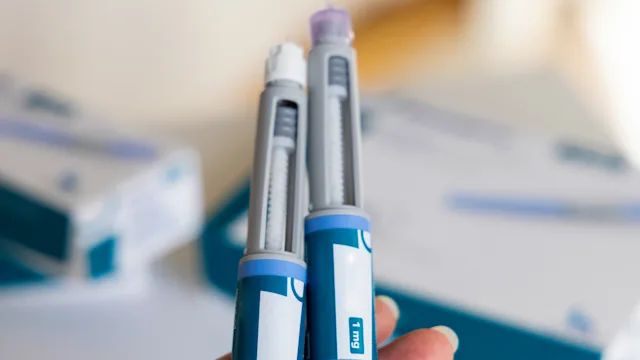
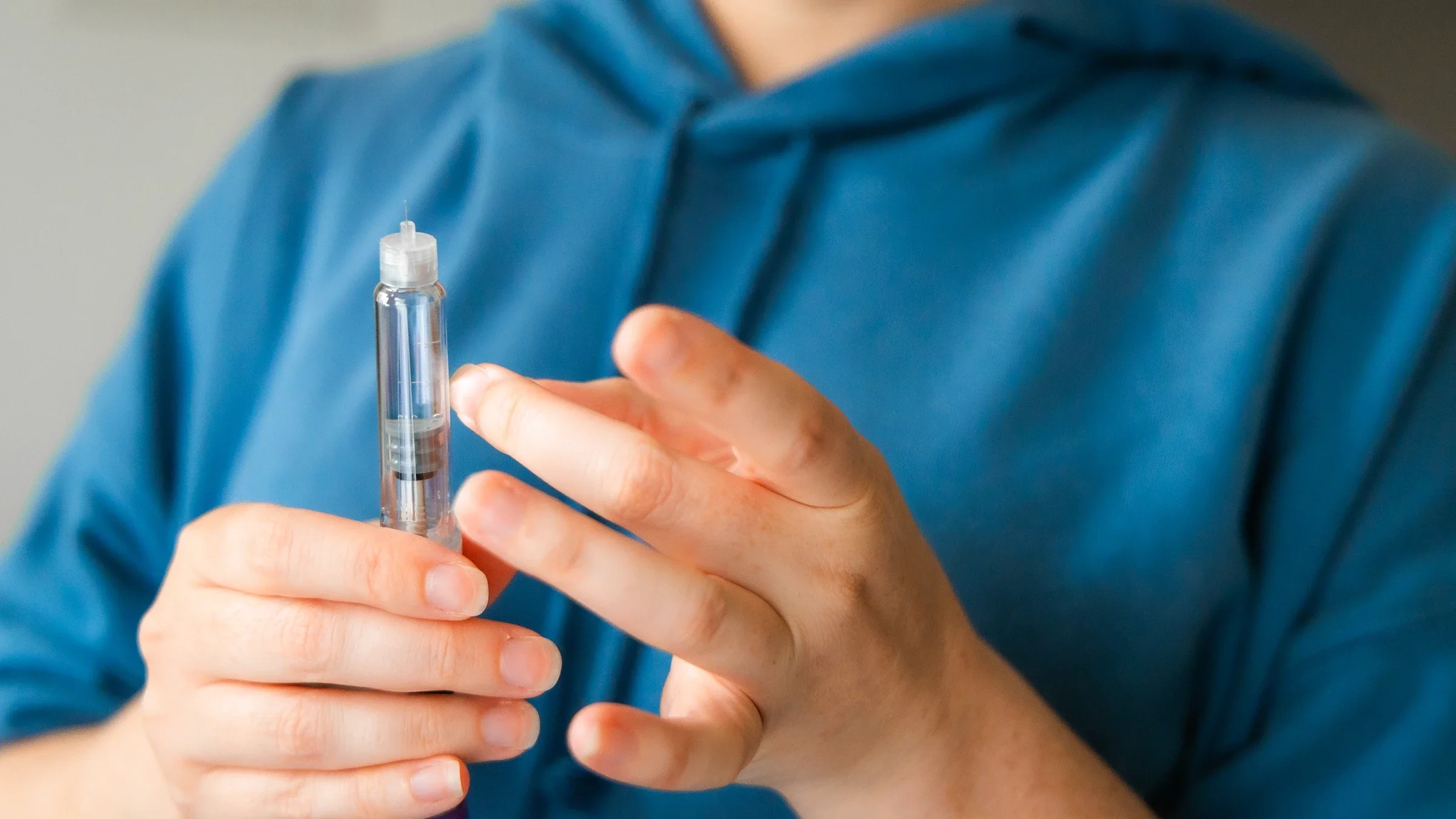
Glucagon-like peptide-1 (GLP-1) injections help reduce appetite and slow digestion, leading to weight loss for many people. Options include Wegovy (semaglutide), Zepbound (tirzepatide), and Saxenda (liraglutide).
Weight loss with GLP-1 injections can be significant, but results and side effects vary from person to person.
GLP-1 injections are intended for long-term use and work best alongside lifestyle changes.
If you’re new to using GoodRx for Wegovy savings, you can pay an introductory price of $199 per month for the first two fills of injections (with certain doses). Access Zepbound KwikPen through GoodRx starting at $299 per month. Subscribers to GoodRx for Weight Loss can also access FDA-approved, brand-name GLP-1 medications.
Save on related medications
Glucagon-like peptide-1 (GLP-1) injections like Wegovy (semaglutide), Zepbound (tirzepatide), and Saxenda (liraglutide) can help many people lose a meaningful amount of weight. But they aren’t a quick fix, and they aren’t right for everyone.
Before starting GLP-1 injections, it’s good to understand how they work, the possible benefits, and what trade-offs come with treatment — such as side effects and cost. If you’re considering a GLP-1 injection for weight loss, here are eight key things to know before you begin.
1. GLP-1 injections work by changing appetite and digestion
GLP-1 injections — or GLP-1 receptor agonists — mimic the natural hormone GLP-1, which helps regulate appetite, fullness, and digestion. Some also mimic a second hormone, glucose-dependent insulinotropic polypeptide (GIP), for additive effects. These are called GIP/GLP-1 receptor agonists.
GLP-1 injections work by:
Reducing appetite, so you feel less hungry
Helping you feel full sooner during meals
Slowing digestion, which keeps you feeling satisfied longer
Reducing food cravings and “food noise," making it easier to stop thinking about food between meals
Together, these effects can make it easier to eat less without constantly feeling hungry. And this helps support weight loss.
2. Not all GLP-1 injections are the same
GLP-1 injections work in similar ways for weight loss, but they’re not identical. They differ in their active ingredients, their dosage schedules, and how much weight loss people typically experience.
Wegovy and Zepbound are both injected once weekly and tend to lead to more weight loss on average. Saxenda, on the other hand, is injected once daily and generally results in more modest weight loss. But Wegovy and Saxenda are approved for people ages 10 and older, while Zepboud is only approved for adults.
In addition to helping people lose weight, Wegovy is also prescribed for its cardiovascular and liver-related benefits. This can make it a good option if you have heart disease or metabolic dysfunction-associated steatohepatitis (a type of fatty liver disease). Alternatively, Zepbound can be a good choice if you have moderate-to-severe obstructive sleep apnea, since it’s approved for this condition.
A healthcare professional can help determine which option is the best fit based on your health history, preferences, and budget.
Good to know: You may also see compounded GLP-1 injections, such as custom microdoses, being advertised. These products are made by pharmacies and are not FDA approved. They also aren't exactly the same as Wegovy, Zepbound, or Saxenda.
3. Weight loss can be significant, but results vary
Many people lose a meaningful amount of weight with GLP-1 injections. During clinical trials, participants have lost an average of about 10% to 20% or more of their starting body weight, depending on the medication and dose.
That said, results vary from person to person. In addition to the medication and dose, factors such as treatment duration, lifestyle habits, and individual biology all play a role. Some people lose weight steadily, while others see slower or more modest changes. There are also those who don't respond at all.
Weight loss with GLP-1 injections tends to happen gradually over several months. Setting realistic expectations and focusing on long-term progress can help make treatment more sustainable.
4. Side effects are common, especially early on
Side effects are fairly common with GLP-1 injections, particularly when you first start treatment or if you increase your dose. Most GLP-1 side effects are gastrointestinal (GI) and may include:
Nausea
Vomiting
Diarrhea
Constipation
Stomach pain or bloating
These side effects are usually temporary and often improve as the body adjusts to the medication. But while GLP-1 side effects are mild and manageable for some people, they can be more severe for others. That’s why it’s best to keep in touch with your care team, so they can make adjustments if needed.
Starting with a low dose that’s increased gradually helps reduce both how severe side effects feel and how long they last. Lifestyle factors, such as your diet, fluid intake, and physical activity, can also influence how well you tolerate treatment.
While less common, serious side effects have also been linked to GLP-1s, including:
Pancreatitis (inflammation of the pancreas)
Gallbladder problems
Acute kidney damage (often due to dehydration)
Eye problems, including vision loss
Severe gastroparesis (slowed stomach emptying)
GLP-1s also carry a boxed warning (the FDA’s strongest medication warning) for an increased risk of thyroid C-cell tumors. This is based on findings from animal studies.
5. GLP-1 injections are meant for long-term use
GLP-1 injections are generally intended for long-term treatment, not short-term weight loss. These medications work best when they’re used consistently over time.
Many people who stop using GLP-1 injections regain some or all of the weight they lost. Because of this, ongoing treatment may be needed to maintain results, though treatment plans can change. In some cases, your prescriber may recommend slowly tapering your dose or switching to a GLP-1 pill over time.
A healthcare professional can help you determine how long you may need to use GLP-1 injections before you start treatment. If you’re already using a GLP-1, your prescriber can advise you on whether adjustments are needed based on your progress, goals, and side effects.
6. GLP-1 injections aren't a good fit for everyone
GLP-1 injections can be effective for weight loss, but they aren’t appropriate for everyone. You may be told to avoid GLP-1 injections if you:
Have a personal or family history of medullary thyroid cancer
Have multiple endocrine neoplasia syndrome type 2
Have a history of pancreatitis
Have severe gastrointestinal issues, such as gastroparesis
Are pregnant or breastfeeding
Are allergic to any ingredient in the GLP-1 injection
A healthcare professional can review your medical history, current medications, and weight-loss goals to help determine whether a GLP-1 injection is safe and appropriate for you.
Quiz: Think you know how to use a GLP-1?
7. Lifestyle changes still matter
GLP-1 injections can support weight loss, but they work best when combined with healthy lifestyle habits. These medications aren’t a substitute for good nutrition, exercise, and other behaviors that support long-term health.
Focusing on balanced, protein-rich meals, staying hydrated, and being physically active can help improve results from GLP-1s and reduce side effects. Getting enough sleep and managing stress also play important roles in weight management.
Building positive, sustainable habits alongside using GLP-1 injections can help you maintain weight loss over time and support overall health.
8. There are ways to make GLP-1 injections more affordable
For some people, cost can be a barrier to starting or continuing GLP-1 injections. But there are several ways to help make these medications more affordable:
Save with GoodRx. If you’re new to using GoodRx for Wegovy savings, you can pay an introductory price of $199 per month for the first two fills of injections (with certain doses). For future fills and for other Wegovy doses, you can pay $349 per month. Access Zepbound KwikPen through GoodRx starting at $299 per month. Subscribers to GoodRx for Weight Loss can also access FDA-approved, brand-name GLP-1 medications.
Save with a copay savings card. If you have commercial insurance, you could pay as little as $25 for Wegovy or $25 for Zepbound monthly supplies with a manufacturer copay savings card.
Save with an online pharmacy service. NovoCare Pharmacy and LillyDirect can ship GLP-1 medications directly to your home at lower, self-pay prices.
Save with a generic. Saxenda is currently the only GLP-1 for weight loss that’s available as a lower-cost generic. With a free GoodRx coupon, you could pay as little as $372.45 for 1 carton of generic liraglutide at certain pharmacies.
The bottom line
Glucagon-like peptide-1 (GLP-1) injections, such as Wegovy (semaglutide), Zepbound (tirzepatide), and Saxenda (liraglutide), work well for weight loss. Many people see significant results, but responses and side effects vary. These medications also work best when combined with lifestyle changes and with long-term use.
If you’re thinking about starting GLP-1 injections, a healthcare professional can help you weigh the potential benefits, risks, and costs. Understanding what to expect up front can help you decide whether a GLP-1 injection is right for you.

Why trust our experts?



References
Hathaway, J. T., et al. (2024). Risk of nonarteritic anterior ischemic optic neuropathy in patients prescribed semaglutide. JAMA Ophthalmology.
Lilly. (n.d.). LillyDirect: Medicines: Zepbound. Eli Lilly and Company.
NovoCare. (n.d.). Get your GLP-1 medications delivered with NovoCare Pharmacy. Novo Nordisk.