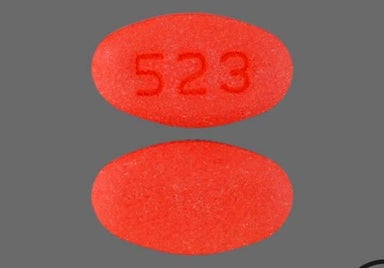
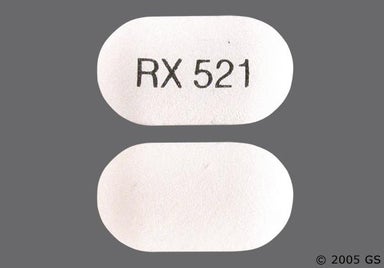
cefpodoxime
Cefpodoxime is a cephalosporin antibiotic. It's used to treat several types of bacterial infections, such as urinary tract infection (UTI), pneumonia, and strep throat, in adults and children. The brand-name product Vantin is discontinued, but the antibiotic is still available as a lower-cost generic tablet and suspension. The dosage depends on your age and the type of infection you have, but cefpodoxime is typically taken twice per day by mouth. Side effects include diarrhea and nausea.
What is Cefpodoxime?
What is Cefpodoxime used for?
- Strep throat
- Tonsil infection
- Sinus infection
- Pneumonia
- Lung infection related to long-term bronchitis
- Urinary tract infection (UTI)
- Gonorrhea
- Skin infection
- Ear infection
How Cefpodoxime works
Cefpodoxime is a third-generation cephalosporin antibiotic. It kills bacteria by preventing them from making an additional covering around themselves for protection.
Drug facts
| Common Brands | Vantin |
|---|---|
| Drug Class | Cephalosporin antibiotic |
| Controlled Substance Classification | Not a controlled medication |
| Generic Status | Lower-cost generic available |
| Availability | Prescription only |
Side effects of Cefpodoxime
The following side effects may get better over time as your body gets used to the medication. Let your healthcare provider know immediately if you continue to experience these symptoms or if they worsen over time.
Common Side Effects
- Diaper rash or fungal skin rash in children (up to 9%)
- Diarrhea (up to 7% in adults; up to 13% in children under 2 years old)
- Nausea (3%)
- Vomiting (2%)
Less Common Side Effects
- Stomach pain
- Headache
- Skin rash
- Vaginal yeast infection
Cefpodoxime serious side effects
Contact your healthcare provider immediately if you experience any of the following.
- Serious allergic reaction: hives, rash, blisters, swelling of the lips or tongue, difficulty breathing
- Infectious diarrhea (C. difficile-related diarrhea): fever, nausea, foul-smelling diarrhea, frequent bowel movements (up to 15 times per day)
The following Cefpodoxime side effects have also been reported
Along with its needed effects, a medicine may cause some unwanted effects. Although not all of these side effects may occur, if they do occur they may need medical attention.
Check with your doctor immediately if any of the following side effects occur:
Less common
Change in the color, amount, or odor of vaginal discharge
Rare
Abdominal or stomach cramps or tenderness
black, tarry stools
bladder pain
bleeding gums
bloating or swelling of the face, arms, hands, lower legs, or feet
bloody nose
bloody or cloudy urine
blurred vision
burning while urinating
collection of blood under the skin
confusion
continuing ringing or buzzing or other unexplained noise in the ears
cough or hoarseness
cough producing mucus
dark urine
decreased urination
decreased urine output
deep, dark purple bruise
diarrhea, watery and severe, which may also be bloody
difficult or labored breathing
difficult, burning, or painful urination
difficulty with breathing or troubled breathing
dilated neck veins
dizziness
dizziness, faintness, or lightheadedness when getting up suddenly from a lying or sitting position
extreme fatigue
fainting
fast, irregular, pounding, or racing heartbeat or pulse
feeling of warmth or heat
fever or chills
flushing or redness of the skin, especially on the face and neck
frequent urge to urinate
general body swelling
headache
hearing loss
heavier menstrual periods
increase in heart rate
increased thirst
increased urge to urinate during the night
increased weight
irregular breathing
irregular heartbeat
itching of the vagina or genital area
itching, pain, redness, or swelling
loss of appetite
lower back or side pain
nausea or vomiting
nervousness
noisy breathing
nosebleeds
pain during sexual intercourse
pain or swelling of the treated skin
pain or tenderness around the eyes and cheekbones
pain, warmth, or burning in the fingers, toes, and legs
pale skin
pinpoint red spots on the skin
pounding in the ears
problems with vision or hearing
rapid breathing
rapid weight gain
shortness of breath or troubled breathing
skin rash
slow or fast heartbeat
sores, ulcers, or white spots on the lips or in the mouth
stuffy or runny nose
sunken eyes
sweating
swelling of the face, fingers, feet, or lower legs
swelling or puffiness of the face
swollen glands
thick, white vaginal discharge with no odor or with a mild odor
thirst
tightness of the chest or wheezing
tingling of the hands or feet
troubled breathing
troubled breathing with exertion
unusual bleeding or bruising
unusual tiredness or weakness
unusual weight gain or loss
waking to urinate at night
wrinkled skin
yellowing of the eyes or skin
Incidence not known
Abdominal or stomach pain
blistering, peeling, or loosening of the skin
bloody, black, or tarry stools
clay-colored stools
feeling of discomfort
fever with or without chills
general feeling of tiredness or weakness
high fever
inflammation of the joints
irritation or inflammation of the eyelid
joint or muscle pain
muscle aches
rectal bleeding
red skin lesions, often with a purple center
red, irritated eyes
seizures
sudden decrease in the amount of urine
swollen lymph glands
swollen or painful glands
unpleasant breath odor
vomiting of blood
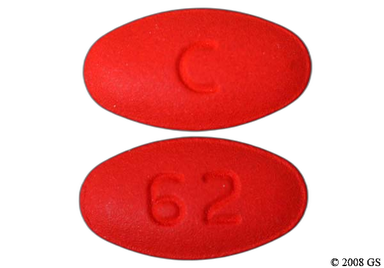
Some side effects may occur that usually do not need medical attention. These side effects may go away during treatment as your body adjusts to the medicine. Also, your health care professional may be able to tell you about ways to prevent or reduce some of these side effects. Check with your health care professional if any of the following side effects continue or are bothersome or if you have any questions about them:
Rare
Accumulation of pus
acid or sour stomach
ankle, knee, or great toe joint pain
bad, unusual, or unpleasant (after) taste
belching
blemishes on the skin
bloated or full feeling
burning feeling in the chest or stomach
burning, crawling, itching, numbness, prickling, "pins and needles", or tingling feelings
change in taste
cracks in the skin
decreased appetite
difficulty with moving
excess air or gas in the stomach or intestines
fear or nervousness
feeling of constant movement of self or surroundings
frequent urge to defecate
general feeling of discomfort or illness
headache, severe and throbbing
hives or welts
increase in body movements
increased sweating
increased thirst
indigestion
irritation or soreness of the mouth
joint stiffness or swelling
lack or loss of strength
loss of heat from the body
lower back or side pain
muscle aching or cramping
muscle pains or stiffness
passing of gas
peeling of the skin
poor concentration
pressure in the stomach
red, sore eyes
red, swollen skin
redness of the skin
seeing, hearing, or feeling things that are not there
sensation of spinning
sleepiness or unusual drowsiness
sore mouth or tongue
soreness or redness around the fingernails and toenails
stomach discomfort, upset, or pain
stomach upset
straining while passing stool
swelling of the abdominal or stomach area
swelling or inflammation of the mouth
swollen, red, or tender area of infection
trouble with sleeping
unable to sleep
white patches in the mouth, tongue, or throat
Other side effects not listed may also occur in some patients. If you notice any other effects, check with your healthcare professional.
Call your doctor for medical advice about side effects. You may report side effects to the FDA at 1-800-FDA-1088.
Get your GoodRx coupon
Pros and cons of Cefpodoxime
Pros
- Treats many types of bacterial infections throughout the body
- Can use to treat infections in both children and adults
- Available as a tablet and liquid suspension
- Available as a lower-cost generic
Cons
- Need to take twice per day to treat most infections
- Might not be able to take if you have a severe allergy to penicillins or other cephalosporin antibiotics
- Not recommended for the cold or flu, since they're not caused by a bacterial infection
Pharmacist tips for Cefpodoxime
- Take cefpodoxime exactly as prescribed. Make sure to finish your treatment course, even if you're starting to feel better. Stopping the antibiotic earlier than prescribed can make your infection come back and become harder to treat.
- Cefpodoxime can cause diarrhea, though it should go away when you stop taking the antibiotic. But contact a healthcare professional (HCP) right away if you have watery or bloody diarrhea, fever, fatigue, or stomach cramps at any time during treatment or after stopping cefpodoxime. These could be signs of a type of serious infectious diarrhea that should be treated immediately.
- Speak with an HCP about whether you should take a probiotic to help lessen the risk of serious infectious diarrhea. If your HCP suggests that you should, take the probiotic at least 2 hours after your cefpodoxime dose to prevent the antibiotic from killing the "good" bacteria in the probiotic.
- Tell the prescriber and your pharmacist about all the medications you take or plan to take with cefpodoxime. Certain medications, like antacids or other heartburn medications and probenecid, can affect how well cefpodoxime gets absorbed into your body.
- Discuss with your prescriber about the risks and benefits of taking cefpodoxime during pregnancy. Most cephalosporin antibiotics, such as cefpodoxime, are generally considered safe in pregnancy.
- Talk to your baby's pediatrician or primary care provider about the risks and benefits of breastfeeding while you're taking cefpodoxime. Based on limited data, this antibiotic isn't expected to harm breastfed babies and it might be a safe choice while nursing.
For cefpodoxime tablets:
- Take cefpodoxime tablets with food so it's absorbed into your body better.
- Don't crush or chew the cefpodoxime tablet. If you can't swallow the tablet whole, ask your prescriber to switch you to the oral suspension (liquid) version of the antibiotic.
- Store the cefpodoxime tablets in a cool and dry place at room temperature and away from light.
For cefpodoxime oral suspension:
- Take the cefpodoxime suspension with or without food. You can take the antibiotic with food if it's upsetting your stomach; this might help lessen stomach upset.
- Your pharmacist will typically prepare the oral cefpodoxime suspension for you before you take the medication home. Before each dose, shake the bottle well to make sure the medication hasn't settled at the bottom.
- Only use a medication dose cup or oral syringe from the pharmacy to measure out your dose. Don't use household spoons because they aren't accurate and using them might cause you to take the wrong dose.
- Store the cefpodoxime liquid in the refrigerator for up to 14 days. Throw away the bottle after 14 days, even if there's still some medication left.
Risks and warnings for Cefpodoxime
Cefpodoxime can cause some serious health issues. This risk may be even higher for certain groups. If this worries you, talk to your doctor or pharmacist about other options.
Severe allergic reaction
- Risk factors: Allergy to penicillin or other cephalosporin antibiotics
Severe allergic reactions to cefpodoxime are possible, including life-threatening reactions like facial swelling, shock, and anaphylaxis (e.g., closing of the throat). Let your prescriber know if you have an allergy to any antibiotics; you might be at risk of having an allergic reaction to cefpodoxime. Get medical attention right away if you notice hives, rash, red skin, swelling of the lips or tongue, or difficulty breathing after you take cefpodoxime.
Diarrhea from Clostridioides difficile infection
Antibiotics like cefpodoxime can raise your risk of getting infected with a bacteria called Clostridioides difficile (C. diff). This is because antibiotics change the amount of normal bacteria in your stomach and intestines. As a result, C. diff can overgrow in your gut, leading to an infection that causes severe diarrhea.
It's important to recognize the difference between diarrhea as a side effect of cefpodoxime and C. diff-related diarrhea. C. diff-related diarrhea can cause rapid heart rate, fever, nausea, foul-smelling diarrhea, and frequent bowel movements (even up to 15 times per day). This type of infectious diarrhea is a medical emergency. So get help immediately if you have any of these symptoms. You'll get tested for C. diff infection and get treatment, if needed.
Possible development of drug-resistant bacteria
Take cefpodoxime exactly as prescribed. Using cefpodoxime for any shorter or longer periods of time or taking the antibiotic for other illnesses can raise your risk for developing infections caused by drug-resistant bacteria. These types of infections can be severe, life-threatening, and more difficult to treat.
Cefpodoxime dosage
Interactions between Cefpodoxime and other drugs
Although certain medicines should not be used together at all, in other cases two different medicines may be used together even if an interaction might occur. In these cases, your doctor may want to change the dose, or other precautions may be necessary. When you are taking this medicine, it is especially important that your healthcare professional know if you are taking any of the medicines listed below. The following interactions have been selected on the basis of their potential significance and are not necessarily all-inclusive.
Using this medicine with any of the following medicines may cause an increased risk of certain side effects, but using both drugs may be the best treatment for you. If both medicines are prescribed together, your doctor may change the dose or how often you use one or both of the medicines.
How much does Cefpodoxime cost?
$25.18
Cefpodoxime contraindications
Contraindications are specific health conditions or situations in which a person should not take a medication due to safety concerns. If you have any of the following conditions or if any of the following apply to you, let your healthcare provider know because Cefpodoxime will not be safe for you to take.
- Severe allergy to beta-lactam antibiotics (for example, penicillin and cephalexin (Keflex))
What are alternatives to Cefpodoxime?
News about Cefpodoxime