





Can You Take Antibiotics for UTIs While Pregnant?
Urinary tract infections (UTIs) are common during pregnancy. Learn symptoms and which antibiotics for UTI are safe for pregnancy.
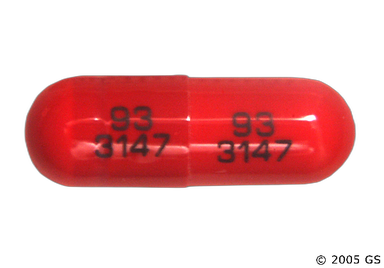
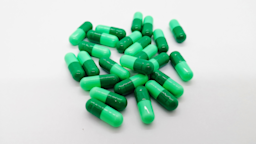
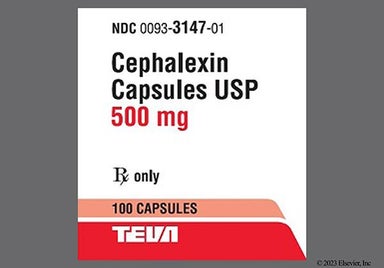
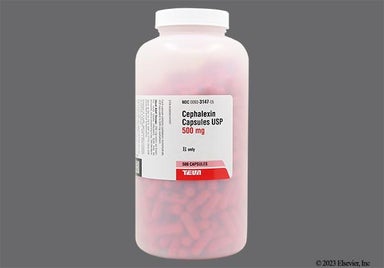
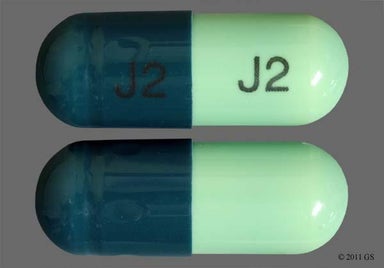
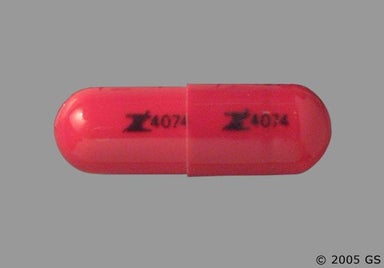
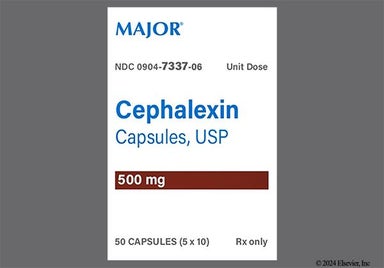
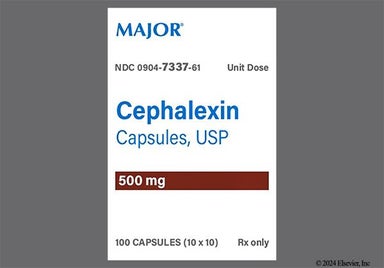
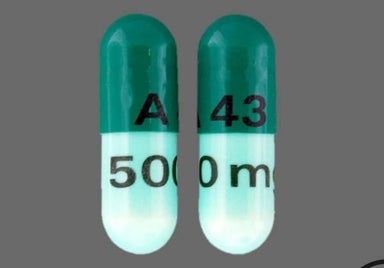
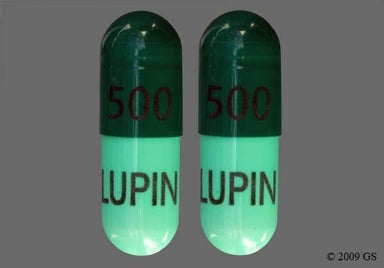
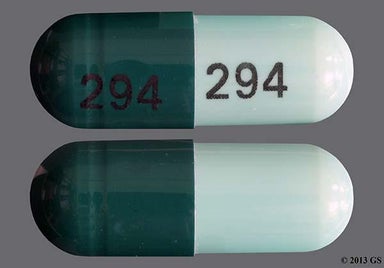
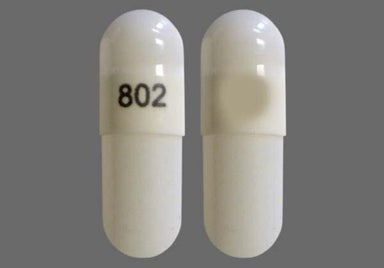
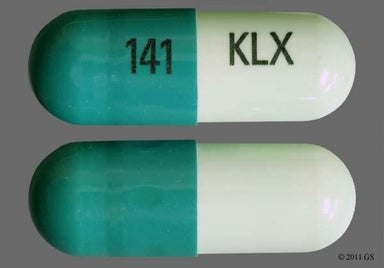
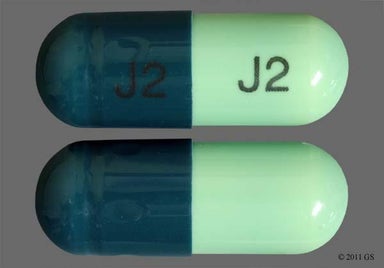
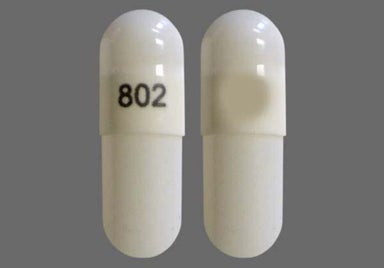
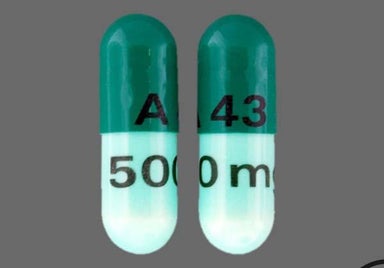
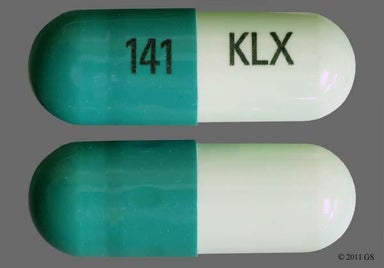
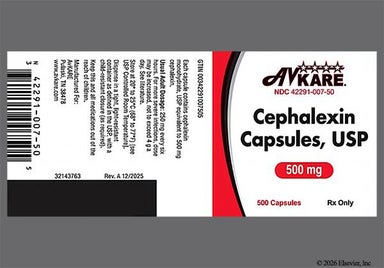
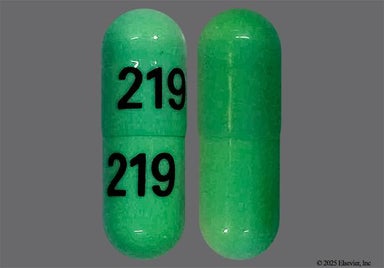
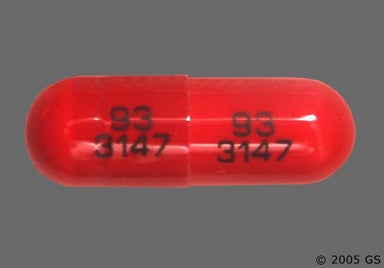
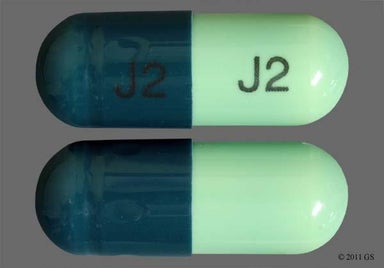
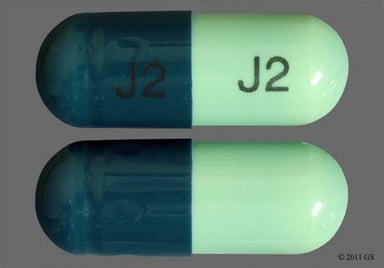
Cephalexin, also commonly known as Keflex, is a cephalosporin antibiotic for people ages 1 year and older. It can treat many types of bacterial infections. This includes ear infections, skin infections like cellulitis, urinary tract infections (UTIs), and strep throat. Cephalexin comes as capsules, tablets, and a liquid suspension. It's taken by mouth 2 to 4 times per day. Side effects can include nausea, vomiting, and diarrhea. Cephalexin is a generic medication; its brand name Keflex is no longer available.

Cephalexin is a type of cephalosporin antibiotic. It works by stopping bacteria from making a protective covering around themselves. This kills the bacteria and helps treat the infection.
| Common Brands | Keflex |
|---|---|
| Drug Class | Cephalosporin antibiotic |
| Controlled Substance Classification | Not a controlled medication |
| Generic Status | Lower-cost generic available |
| Availability | Prescription only |

The following side effects may get better over time as your body gets used to the medication. Let your healthcare provider know immediately if you continue to experience these symptoms or if they worsen over time.
Contact your healthcare provider immediately if you experience any of the following.
Side effects that you should report to your care team as soon as possible:
Side effects that usually do not require medical attention (report these to your care team if they continue or are bothersome):



For the cephalexin liquid suspension:

Cephalexin can cause some serious health issues. This risk may be even higher for certain groups. If this worries you, talk to your doctor or pharmacist about other options.
Some people can have allergic reactions to cephalexin. Mild reactions can include a rash or hives. More serious, life-threatening reactions can include blisters, peeling skin, swelling of the face, and anaphylaxis.
Tell your healthcare team if you're allergic to any antibiotics, especially penicillins or other cephalosporins. They can make sure cephalexin is safe for you.
Get medical help right away if you have a rash, hives, red or peeling skin, swelling of the lips or tongue, or trouble breathing after taking cephalexin. These can be signs of an allergic reaction.
Antibiotics including cephalexin can change the normal bacteria in your gut. This can let harmful bacteria called Clostridioides difficile (C. diff) grow too much and cause a serious infection. This infection can lead to severe diarrhea, even up to 2 months after you stop the antibiotic.
It's important to know the difference between mild diarrhea from cephalexin and serious diarrhea from C. diff. Signs of a C. diff infection include fever, nausea, foul-smelling diarrhea, and frequent bowel movements. Get medical help right away if you have any signs of this infectious diarrhea. This can be a medical emergency and should get treated as soon as possible.
Cephalexin might raise your risk of seizures, especially when the dose is too high. You also might be at risk if you have kidney problems and the cephalexin dose isn't lowered enough for you. When the kidneys don't work well, the medication can build up in the body and raise the risk of side effects, including seizures.
Tell your prescriber or the urgent care team if you've had seizures or if you have kidney problems. They can make sure that cephalexin is safe for you. If you have a seizure while taking this medication, get medical help right away.
Cephalexin might raise your risk of bleeding. The risk might be higher if you have kidney problems, liver problems, or poor nutrition. It's also higher if you take an anticoagulant (blood thinner).
Talk to your prescriber or the urgent care team about your bleeding risk before taking cephalexin. If you take a blood thinner, the prescriber might ask you to follow up with the specialist who manages that medication for you. Watch for signs of bleeding, like easy bleeding or bruising or blood in your urine or stool. If this happens, tell your prescriber.
Take cephalexin exactly as your prescriber told you. Don't take it for a shorter or longer time, and don't take it for other illnesses. Otherwise, it can raise your risk of developing infections caused by drug-resistant bacteria. These infections can be very serious and harder to treat.

 Bottle of oral suspension
| Dosage | Quantity | Price as low as | Price per unit |
|---|---|---|---|
| 200ml of 125mg/5ml | 1 bottle | $19.75 | $19.75 |
| 100ml of 125mg/5ml | 1 bottle | $15.28 | $15.28 |
| 200ml of 250mg/5ml | 1 bottle | $19.92 | $19.92 |
| 100ml of 250mg/5ml | 1 bottle | $15.03 | $15.03 |
Ages 15 years and older: The typical dose is 250 mg by mouth every 6 hours. Another option is 500 mg by mouth every 12 hours. For more severe infections, you might need a higher dose (up to a total of 4 grams per day, split into 2 to 4 doses). Treatment often lasts for 7 to 14 days.
Ages 1 to under 15 years: The dose is based on your child's body weight. The typical total daily dose is 25 mg/kg to 50 mg/kg of body weight by mouth. This total dose is split up into smaller doses throughout the day, as directed by the prescriber. For more severe infections, such as an ear infection, your child might need a higher dose of up to 100 mg/kg per day. Treatment often lasts for 7 to 14 days.
Your dose might differ if you have kidney problems.


Contraindications are specific health conditions or situations in which a person should not take a medication due to safety concerns. If you have any of the following conditions or if any of the following apply to you, let your healthcare provider know because Cephalexin will not be safe for you to take.










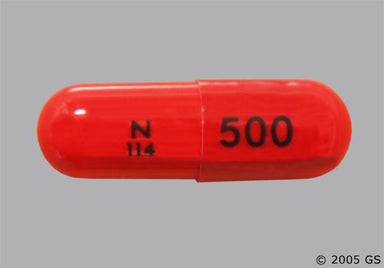
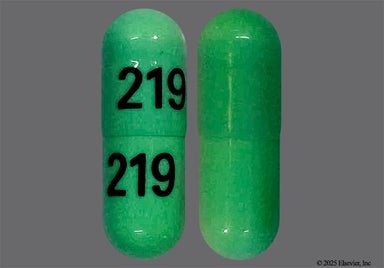
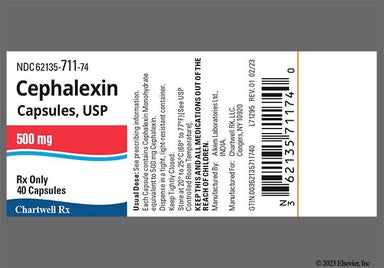
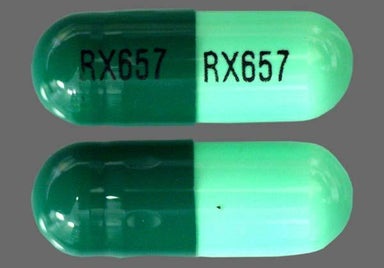
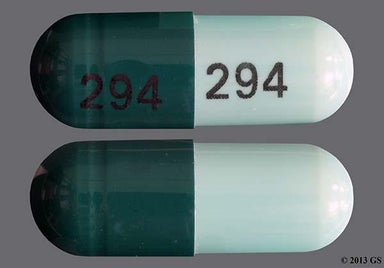
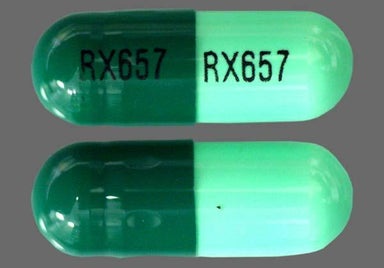
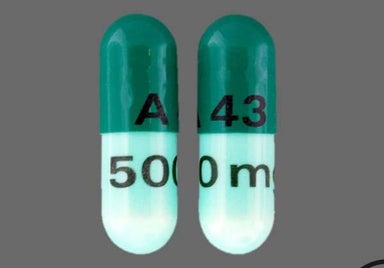
Prescription savings
Stop paying too much for your prescriptions. Compare prices, get pharmacy coupons, and save up to 80%. Find expert answers to your health questions so you can make the best decisions for yourself and your family.
Health conditions
Medications & treatment
Access & affordability
Medication discounts


Cephalexin treats many types of infections and covers many different organisms (bugs). It can fight against a wider range of bacteria than penicillin and amoxicillin, but this doesn't necessarily mean that Cephalexin is the best choice for all infections. This is because having a wider range of bacteria that the antibiotic can fight against can raise the risk for resistance, leading to harder-to-treat infections. But Cephalexin is a first-choice antibiotic to treat specific infections in certain people, like urinary tract infections (UTI) during pregnancy.
No. Cephalexin is a cephalosporin antibiotic. Cephalosporin and penicillin antibiotics have similar chemical structures, but they differ in terms of what bacteria they can fight against.
Maybe. In general, the chance of having an allergic reaction to Cephalexin if you're allergic to penicillin is low. Tell your primary care provider or the urgent care team if you have or think you've had an allergic reaction to penicillin in the past. They'll decide whether you can take Cephalexin depending on what your reaction was like. For mild reactions to penicillin like rash or itchiness, you'll probably be able to take Cephalexin and the prescriber might ask that you watch for any allergic reactions. But for severe reactions to penicillin like facial swelling or closing of the throat, it's possible that you'll get prescribed a different antibiotic to be safe.
There's no direct interaction between Cephalexin and alcohol, but they can cause similar side effects like nausea, vomiting, and diarrhea. In general, it's best to avoid drinking alcohol when you have an infection. Drinking alcohol can make it harder for your immune system to fight off the infection.
Cephalexin might interact with a few medications and potentially raise your risk of side effects. When it's taken with a common diabetes medication called metformin, Cephalexin can raise the levels of metformin in the blood. This might affect your risk of having side effects from metformin. Additionally, the gout medication probenecid can affect how well your body gets rid of Cephalexin. This might raise your risk of side effects from Cephalexin. Tell your healthcare team if you're taking either of these medications before you start Cephalexin.
No. Don't take Cephalexin or any other antibiotics you might have at home until you speak to a healthcare professional first. There might be a more appropriate antibiotic you should be taking for your particular infection. Taking Cephalexin when you don't need it can cause side effects. It can also raise the risk for bacteria to become resistant to antibiotics. This means that bacteria can develop a defense against antibiotics so that the antibiotics no longer work to fight against the infection. This can make the infection become severe (sometimes life-threatening) and hard to treat. Schedule a visit with your primary care provider or urgent care if you feel sick so that you can be prescribed proper treatment, if needed.
Although Cephalexin isn't the go-to antibiotic for strep throat, it's a good option for people who have a mild penicillin allergy and can't take penicillin for strep. Tell your primary care provider or the urgent care team about allergies to any antibiotics. They'll decide which antibiotic is right for you for strep.
No. Cephalexin isn't a sulfa drug; it's a cephalosporin antibiotic. You can safely take Cephalexin if you have a sulfa allergy because it belongs to a different class of antibiotics.
