

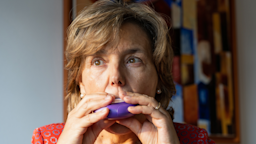


10 Medication Side Effects That Can Affect Your Mouth
Some medications cause mouth-related side effects, like dry mouth and burning mouth syndrome. Here are 10 common issues and medications that may cause them.
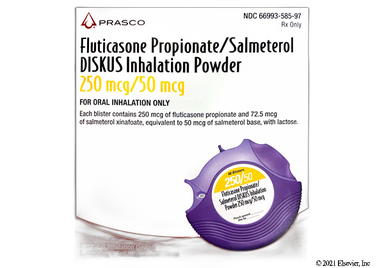
Advair is a combination inhaler that contains fluticasone (an inhaled corticosteroid) and salmeterol (a long-acting beta agonist, or LABA). Advair Diskus is used for maintenance treatment of chronic obstructive pulmonary disease (COPD) and asthma in adults and children, where as Advair HFA is for asthma only. Advair (fluticasone / salmeterol) is inhaled through the mouth, typically 1 to 2 puffs twice daily. Some common side effects of this medication include upper respiratory tract infection, sore throat, and headache.

Advair (fluticasone / salmeterol) is a combination of two medications that work together to help treat asthma and COPD symptoms.
| Common Brands | Advair Diskus, Advair HFA |
|---|---|
| Drug Class | ICS / LABA combo |
| Controlled Substance Classification | Not a controlled medication |
| Generic Status | Lower-cost generic available |
| Availability | Prescription only |

The following side effects may get better over time as your body gets used to the medication. Let your healthcare provider know immediately if you continue to experience these symptoms or if they worsen over time.
Advair Diskus:
Advair HFA:
Contact your healthcare provider immediately if you experience any of the following.
Side effects that you should report to your care team as soon as possible:
Side effects that usually do not require medical attention (report to your care team if they continue or are bothersome):



Tips for using Advair Diskus:
Tips for using Advair HFA:

Advair (fluticasone / salmeterol) can cause some serious health issues. This risk may be even higher for certain groups. If this worries you, talk to your doctor or pharmacist about other options.
Don't use Advair (fluticasone / salmeterol) if you're experiencing sudden trouble breathing because this medication won't provide immediate relief. Use a rescue inhaler, such as albuterol (Ventolin HFA), if you've breathing problems.
If you're using your rescue inhaler more often than usual, let your provider know because this could be a sign that your condition is getting worse. Don't use more doses Advair (fluticasone / salmeterol) than recommended because this won't improve your breathing. Rather, this can raise your risk for serious side effects, such as heart problems, tremors, and dizziness.
Advair (fluticasone / salmeterol) includes a steroid medication. When inhaled through the mouth, it can cause a fungal infection in your mouth and throat called thrush. To lower your risk for thrush, make sure to rinse your mouth with water and spit after each inhalation of Advair (fluticasone / salmeterol). If you develop thrush, your provider might still ask you to continue Advair (fluticasone / salmeterol). Sometimes, they might prescribe you a medication to treat this condition. Let your provider know if you notice symptoms of thrush, such as white patches in your mouth, cotton-like feeling in your mouth, pain while eating or swallowing, or loss of taste.
Inhaled medications, including Advair (fluticasone / salmeterol), can sometimes cause a muscle spasm in your lungs (bronchospasm). This can lead to difficulty breathing, wheezing, cough, and chest discomfort. If you have a hard time breathing after inhaling Advair (fluticasone / salmeterol), use your rescue inhaler and get medical attention right away.
Like all corticosteroid-containing medications, Advair (fluticasone / salmeterol) can weaken your immune system and raise your risk for infections, including upper respiratory infections and pneumonia. And if you do get sick, this medication can make it harder for you to heal. Your risk for infections is higher if you're also taking other medications that also weaken your immune system. If you're currently being treated for a serious infection, such as tuberculosis, let your provider know. They might need to consider a different medication for your condition. Let your provider know right away if you have symptoms of infections, such as fever, chills, body aches.
Use Advair (fluticasone / salmeterol) only as directed. Don't use more than the maximum number of inhalations each day. Using more doses of Advair (fluticasone / salmeterol) than recommended can cause more steroid to be absorbed into the body and you might experience symptoms such as higher blood sugar or blood pressure.
On the other hand, if you're transitioning to Advair (fluticasone / salmeterol) from oral steroids, you might experience symptoms of low steroid hormone, such as stomach pain, loss of appetite, and nausea. When you transition to Advair (fluticasone / salmeterol), your provider will work with you to lower your dose of oral steroids slowly over time to prevent these side effects.
Children who use inhaled steroids, like Advair (fluticasone / salmeterol), might experience a delay in growth. To lower the risk of growth problems, your child's provider will only prescribe the lowest dose needed to help their condition. The provider will check your child's growth regularly while they're receiving this medication. If you're concerned about how Advair (fluticasone / salmeterol) might affect your child's growth, discuss with your child's provider to see if this medication is right for them.
Though rare, people using inhaled steroids over a long period of time have reported having higher pressure in the eyes, glaucoma, and cataracts. Talk to your eye provider before using Advair (fluticasone / salmeterol) if you have glaucoma or cataracts because they might ask you to come in more often for eye exams. Also speak with them if you notice any changes to your vision while using the medication.
The salmeterol in Advair might cause changes in your blood pressure, heart rate, and heart rhythm. But these side effects are typically unlikely to happen if you're taking the recommended dose of Advair (fluticasone / salmeterol). Your provider might ask you to regularly check your blood pressure and heart rate at home if you have high blood pressure or other heart problems. Don't use Advair (fluticasone / salmeterol) more often than recommended. If you find that you need to use Advair (fluticasone / salmeterol) more often, let your providers know so they can see if you need any changes to your treatment plan. Tell your provider if you have dizziness, fatigue, tremor, rapid heartbeat, or weakness after you use Advair (fluticasone / salmeterol).
Advair (fluticasone / salmeterol) can cause the potassium levels in your blood to drop too low. In most cases, this happens if you use more Advair (fluticasone / salmeterol) than recommended. Drops in blood potassium levels are typically mild and your levels should go back to usual with time. Sometimes, low potassium can cause tiredness, weakness, muscle cramps, a racing heart, and a "pins and needles" feeling in your hands and feet. Tell your provider if you experience any of these symptoms while you're using Advair (fluticasone / salmeterol). Also let your provider know if you need to use Advair (fluticasone / salmeterol) more often than instructed. Your treatment plan might need to be adjusted to better control your symptoms.
Allergic reactions to Advair (fluticasone / salmeterol) are possible. These reactions can include life-threatening facial swelling, shock, and anaphylaxis (closing of the throat). Get medical attention right away if you notice hives, rash, red skin, swelling of the lips or tongue, or difficulty breathing after you use Advair (fluticasone / salmeterol).

 Diskus inhaler
| Dosage | Quantity | Price as low as | Price per unit |
|---|---|---|---|
| 100mcg/50mcg | 1 diskus inhaler | $55.98 | $55.98 |
| 250mcg/50mcg | 1 diskus inhaler | $64.25 | $64.25 |
| 500mcg/50mcg | 1 diskus inhaler | $99.97 | $99.97 |
Hfa inhaler| Dosage | Quantity | Price as low as | Price per unit |
|---|---|---|---|
| 45mcg/21mcg | 1 hfa inhaler | $195.73 | $195.73 |
| 115mcg/21mcg | 1 hfa inhaler | $243.33 | $243.33 |
| 230mcg/21mcg | 1 hfa inhaler | $303.09 | $303.09 |
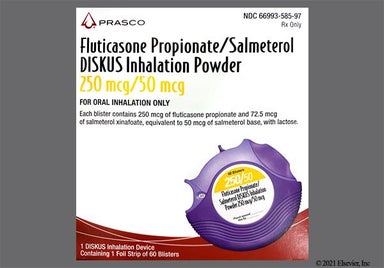
Advair Diskus is available in 3 different strengths: 100 mcg/50 mcg (fluticasone / salmeterol), 250 mcg/50 mcg (fluticasone / salmeterol), and 500 mcg/50 mcg (fluticasone / salmeterol).
Advair HFA is available in 3 different strengths: 45 mcg/21 mcg (fluticasone / salmeterol), 115 mcg/21 mcg (fluticasone / salmeterol), and 230 mcg/21 mcg (fluticasone / salmeterol).


Contraindications are specific health conditions or situations in which a person should not take a medication due to safety concerns. If you have any of the following conditions or if any of the following apply to you, let your healthcare provider know because Advair (fluticasone / salmeterol) will not be safe for you to take.












Prescription savings
Stop paying too much for your prescriptions. Compare prices, get pharmacy coupons, and save up to 80%. Find expert answers to your health questions so you can make the best decisions for yourself and your family.
Health conditions
Medications & treatment
Access & affordability
Medication discounts


Yes. Advair contains fluticasone, which is a steroid. The other active ingredient, salmeterol, is a long-acting beta agonist. Both medications work together over time to help you breathe better.
When you first start Fluticasone/Salmeterol, you might feel improvements in your breathing about 30 minutes after a dose. But it can take about 1 week or longer to get the maximum benefit from the medication. But if you still don't notice much improvements to your symptoms after using Fluticasone/Salmeterol for 2 weeks, your provider might switch you to a higher strength of the inhaler to see if it helps. Or, they ask you to consider other medications for your condition.
It can take almost 2 days for most of Fluticasone/Salmeterol to leave your body after a dose. This time-frame is estimated based on the half-life of Fluticasone/Salmeterol. But keep in mind that in order for Fluticasone/Salmeterol to work well to control your symptoms, you need to take this medication twice daily, about 12 hours apart.
You can use albuterol (Ventolin) any time, regardless of when you take Fluticasone/Salmeterol. Albuterol (Ventolin) is a rescue inhaler that's used as needed to treat sudden difficulty breathing. Fluticasone/Salmeterol is a long-acting inhaler that you use to prevent sudden trouble breathing. Let your provider know if you need to use your rescue inhaler more often than usual because they might need to make changes to your breathing medications.
Fluticasone/Salmeterol is meant to be taken regularly to control asthma or COPD symptoms, and many people do so long-term without any serious problems. Some people are concerned about the risks linked to taking steroids over a long period of time, such as weakening of bones and higher blood sugar. But these side effects are typically associated with oral steroids, and not so much with inhaled steroids, like fluticasone. Talk with your provider if you've more questions about the safety of using Fluticasone/Salmeterol long-term.
Taking a single extra dose of Fluticasone/Salmeterol isn't likely to cause serious harm. But you might experience more side effects, such as sore throat or headache. But consistently taking too many doses of Fluticasone/Salmeterol can put you at risk for more serious side effects, such as chest pain, fast heart rate, or shakiness. Only take Fluticasone/Salmeterol as directed by your provider. If you feel like your current dose of Fluticasone/Salmeterol isn't helping, let your provider know.
Fluticasone/Salmeterol hasn't been well-studied in pregnancy. In general, inhaled corticosteroids, like fluticasone, are the first-choice medications to treat asthma during pregnancy. Limited research suggests that LABAs, like salmeterol, won't cause serious harm in pregnancy if taken with an inhaled steroid. If you're pregnant or thinking of becoming pregnant, discuss the risks and benefits of using Fluticasone/Salmeterol with your provider. Poorly controlled asthma has many risks to you and your unborn baby, so it's important that you and your provider talk about treatment options during pregnancy.
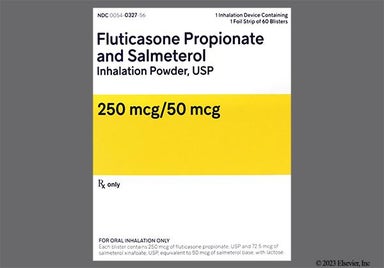
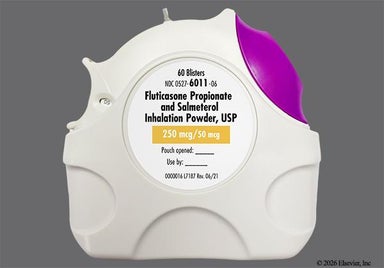
Wixela Inhub (fluticasone / salmeterol) is the first generic version of Advair Diskus (fluticasone / salmeterol). Both are dry powder inhalers, but the devices look slightly different. Studies comparing both medications showed they work just as well as each other (therapeutically equivalent).
