Key takeaways:
Night sweats are very common, but they can be quite disruptive when severe. Fortunately, there are ways you can stop them once you find the cause.
While night sweats can be harmless, they can also be a sign of an underlying medical condition.
To stop your night sweats, your healthcare team will develop a plan that may include lifestyle changes or medication.
Sweating is normal. It’s your body’s natural cooling mechanism. Sweating a little at night can also be normal. But it’s a different story if you sweat so much that you need to change your sheets or pajamas. If this is the case, you may have “night sweats.” And they’re quite common. Lots of things can cause you to sweat at night. Some causes are from benign (not harmful) conditions, while others may be more serious disorders.
You may be able to prevent night sweats. But it’s important to figure out the cause. Let’s take a closer look.
What are night sweats?
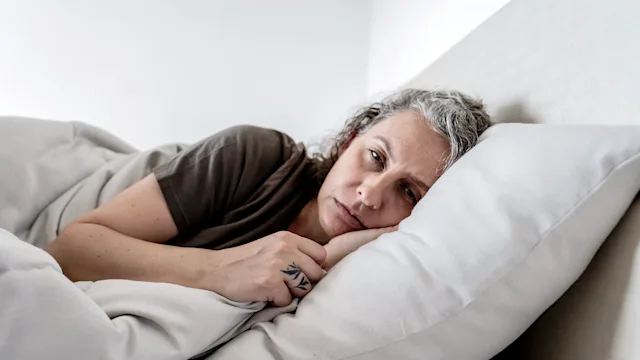
Night sweats are recurrent drenching sweats during sleep. Depending on how severe they are, the sweats may wake you up or interrupt your sleep. They may even drench you to the point you have to change your clothes and bedding.
Search and compare options
Night sweats are very common. More than 20% of the population experiences them at any given time. Anyone can experience night sweats, but they’re more common with age.
There’s a complex relationship between sweating and the way your body controls temperature. A part of your brain called the hypothalamus helps control your body temperature. Night sweats happen when your internal body temperature goes up.
Then, your body will naturally try to lower your body temperature. This response can cause several changes, including:
Increased heart rate
Widening of blood vessels in your skin, which makes you look flushed
Sweat production after the hypothalamus sends a chemical signal to your sweat glands
Evaporation of sweat from your skin, which cools off your body
If the sweating is enough to wake you up, you may still feel overheated. Or you could be shivering as your body temperature returns to normal.
What causes night sweats?
Menopause is often the main condition that comes to mind when people think of night sweats. But night sweats can affect anyone, and there are many other possible causes. These include both medical and environmental conditions.
Infections
Most infections can cause nighttime fevers along with sweating. Certain infections will cause repeated, drenching night sweats, including:
Tuberculosis (TB)
Osteomyelitis
Abscess (collection of pus in body tissues)
Fungal infections
Infectious mononucleosis (mono)
Human immunodeficiency virus (HIV)
Sleep disorders
Night sweats seem to be linked to several sleep disorders. Experts aren’t exactly sure why this happens. This link has been seen most often with obstructive sleep apnea. Night sweats may also be linked to restless leg syndrome.
Hormonal conditions
Hormonal conditions, also called endocrine disorders, can happen when your body makes too much or too little of a hormone. These hormonal imbalances can lead to night sweats.
Common endocrine conditions that may cause night sweats include:
Hyperthyroidism (too much thyroid hormone)
Hypogonadism (low testosterone levels)
Hypoglycemia (low blood sugar)
Pheochromocytoma (a tumor causing too much adrenal gland hormone)
Carcinoid tumor (a tumor causing too much serotonin)

Read more like this
Explore these related articles, suggested for readers like you.
Night sweats are also common during pregnancy. This is likely caused by the hormonal changes that normally occur with pregnancy.
Mental health disorders
Anxiety and stress are mental health issues, but they can also cause physical symptoms. When your body perceives stress, there can be hormone surges that contribute to night sweats.
Mental health conditions that have been linked to night sweats include:
Post-traumatic stress disorder (PTSD)
Cancer
You may experience night sweats if you have cancer or are getting treatment for cancer. The night sweats associated with cancer tend to occur daily. And there are often other symptoms, such as daytime fevers or unexplained weight loss.
While various types of cancers can cause night sweats, the ones most likely to do so include:
Leukemia (cancer of the blood)
Lymphoma (cancer of the lymphatic / infection-fighting system)
Liver cancer
Mesothelioma (cancer of the lining of the lungs, abdomen, or heart)
Bone cancer
Menopause
Hot flashes and night sweats are the main symptoms of menopause. About 80% of women will experience them during menopause. Experts don’t know exactly why this happens. But it appears that the drop in hormones changes how the hypothalamus controls your body temperature.
These night sweats can come and go for an average of 7 years. Factors that make night sweats more severe or last longer include:
African descendancy
Early-onset menopause (before 50)
Increased body fat
History of anxiety or depression
Smoking or tobacco use
Lack of exercise
Substance use and misuse
Alcohol use can affect your heart rate and dilate your blood vessels. This affects your blood pressure, circulation, and body temperature. These changes can lead to sweating. Some people may have night sweats after just 1 drink. But most people can have sweats if they have more than 4 or 5 drinks in a short period of time.
If you drink alcohol heavily on a regular basis, night sweats can occur when you don’t drink it. This is due to alcohol withdrawal.
Other addictive substances can also change your body temperature. Night sweats can happen while using these substances or during withdrawal. This is common with substances like:
Cocaine
Heroin
Methamphetamine
Medications
Both prescription and over-the-counter (OTC) medications can lead to night sweats. While many medications can cause sweats, the ones most commonly associated with this side effect are:
Antidepressants (like selective serotonin reuptake inhibitors (SSRIs), bupropion, and amitriptyline)
Hormone therapy (like leuprolide, anastrozole, and tamoxifen)
Movement disorder treatment (like ropinirole)
Prescription pain relievers (like oxycodone, tramadol, and fentanyl)
Migraine medications (like triptans)
How do you diagnose night sweats?
If you’re concerned about night sweats, the first step is to contact your primary care provider. They can help you figure out why the sweats are occurring and treat the underlying issue. They’ll ask you questions about your medical history and do a physical exam.
Depending on what they find, you may need further testing. This might include blood work, a skin test for tuberculosis, or imaging studies like a chest X-ray or CT scan.
They may not be able to find a specific reason for your sweating. Or the sweating may be due to a condition you can’t change. In these cases, there are treatment options to help you stop sweating at night.
How can you stop night sweats?
Treatment for night sweats will vary from person to person. It also depends on the reason for your sweating. But there are some steps that most people with night sweats can take to cool off. Here are four common approaches.
1. Sleep environment changes
A good first step to prevent or treat night sweats is to consider your sleeping environment. Here are some tips to make your room comfortable for quality sleep:
Cool off your bedroom. If you have a thermostat, set it to a lower temperature to keep heat from building up around your body during the night. Most people sleep best when the room temperature is between 60°F and 67°F.
Put a fan near your bed. Turn it on before you fall asleep. Or you can have it nearby to use if you wake up overheated.
Place a cool pack under your pillow before you fall asleep. If you wake up sweaty, turn the pillow over to the cool side. This will make it easier to fall back to sleep.
Buy new bedding, if possible. Certain fabrics and materials can help wick away moisture and prevent the buildup of heat. Choose lightweight, loose-fitting sleep clothes made of cotton or bamboo. Avoid excess blankets.
2. Lifestyle tips
Lifestyle habits can go a long way to keeping you cool at night:
Watch your diet. Avoid or limit caffeine, alcohol, and spicy foods, especially right before you go to sleep. These can cause spikes in body temperature.
Avoid hot beverages at night. If you’re thirsty, drink cool water before going to bed. This can help to lower your core body temperature.
Stay physically active. There seems to be a direct link between weight gain and the intensity of night sweats. Regular aerobic exercise can help you maintain a healthy weight. Plus, getting regular exercise benefits your overall health, including lowering stress.
3. Behavioral therapy
Stress and anxiety can trigger night sweats. Behavioral therapy can help manage these conditions. Cognitive behavioral therapy (CBT) may help reduce night sweat frequency and improve mood and quality of life.
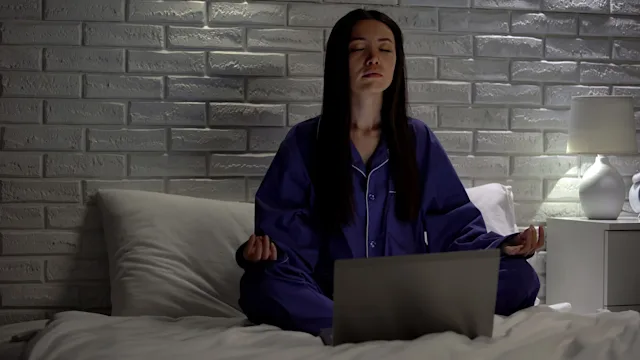
Relaxation techniques, such as meditation or controlled breathing, can also help to lower stress and anxiety and help you sleep better.
4. Medications
Treatment for night sweats usually targets the underlying cause. For example, menopausal hormone therapy can help reduce moderate to severe night sweats during menopause.
There are also hormone-free therapies. While not all of them are approved by the FDA to treat night sweats, researchers have studied them in people with sweats. These include:
Antidepressants, like paroxetine and venlafaxine
Nerve pain medication, like gabapentin
Blood pressure medication, like clonidine
Based on your medical history, your primary care provider can figure out if you need medication to help manage your night sweats.
Can you prevent night sweats?
Yes, in some cases, you can prevent night sweats. It all depends on the cause. For example, if your room is very warm, simple changes can help. You can open a window, turn on a fan, or use moisture-wicking bed sheets. Even if you don’t have night sweats, following the lifestyle and sleep environment tips listed above may help you get a better night’s rest.
If a medication is causing your night sweats, ask your healthcare team if there’s an alternative medication or different dose that might work better for you.
But if you’ve followed those suggestions and continue to experience frequent night sweats, it’s best to check in with a healthcare professional to figure out the cause.
When should I be worried about night sweats?
Remember that night sweats are common, and some causes are harmless. Start with basic do-it-yourself remedies to keep your room and body cool at night. But if you continue to have night sweats several times a week, it’s best to check in with a healthcare professional. This is especially true if you’re experiencing other new symptoms, like:
Fever
Cough or shortness of breath
Unintentional weight loss
Frequently asked questions
Low iron may make you sweat at night. Low iron levels often lead to anemia. And anemia can cause a range of symptoms, including dizziness, tiredness, feeling cold, and poor sleep. Perimenopause can also lower your iron levels because of heavy menstrual bleeding and cause a wide range of symptoms, including night sweats. So, low iron is probably not the direct cause of night sweats. But it can be a symptom of other conditions that can lead to night sweats.
It’s important to understand what’s causing your night sweats in the first place. If you think you’re deficient in a specific vitamin, it’s best to check in with a healthcare professional. That said, some research suggests that omega-3 supplements may help prevent or reduce night sweats during menopause. There’s also some evidence that St. John’s wort may help lessen menopause symptoms, including mood changes, sleep problems, and night sweats. But keep in mind that the North American Menopause Society doesn’t recommend supplements for night sweats.
Magnesium has gained a reputation as a sleep aid, but there’s not much research on whether it helps with night sweats. That said, studies suggest that magnesium may help with sleep, including falling asleep faster, staying asleep longer, and waking up less through the night. But the research is somewhat mixed. More high-quality research is needed to know how and when to treat sleep problems with magnesium.
Low iron may make you sweat at night. Low iron levels often lead to anemia. And anemia can cause a range of symptoms, including dizziness, tiredness, feeling cold, and poor sleep. Perimenopause can also lower your iron levels because of heavy menstrual bleeding and cause a wide range of symptoms, including night sweats. So, low iron is probably not the direct cause of night sweats. But it can be a symptom of other conditions that can lead to night sweats.
It’s important to understand what’s causing your night sweats in the first place. If you think you’re deficient in a specific vitamin, it’s best to check in with a healthcare professional. That said, some research suggests that omega-3 supplements may help prevent or reduce night sweats during menopause. There’s also some evidence that St. John’s wort may help lessen menopause symptoms, including mood changes, sleep problems, and night sweats. But keep in mind that the North American Menopause Society doesn’t recommend supplements for night sweats.
Magnesium has gained a reputation as a sleep aid, but there’s not much research on whether it helps with night sweats. That said, studies suggest that magnesium may help with sleep, including falling asleep faster, staying asleep longer, and waking up less through the night. But the research is somewhat mixed. More high-quality research is needed to know how and when to treat sleep problems with magnesium.
The bottom line
Sweating is an expected body function that helps cool you down when you’re exercising or in a hot environment. But sweating can be disruptive when you’re trying to get a good night’s sleep.
If you have to change your bedding at night due to sweat, you’re not alone. Night sweats are common, but you shouldn’t ignore them. If your night sweats are preventing you from getting quality sleep, talk to your healthcare team to find the cause and ways to stop them.

Why trust our experts?



References
Avis, N. E., et al. (2015). Duration of menopausal vasomotor symptoms over the menopause transition. JAMA Internal Medicine.
Ayers, B., et al. (2012). Effectiveness of group and self-help cognitive behavior therapy in reducing problematic menopausal hot flushes and night sweats (MENOS 2): A randomized controlled trial. Menopause.
Bansal, R., et al. (2019). Menopausal hot flashes: A concise review. Journal of Mid-Life Health.
MedlinePlus. (2024). Hypothalamus.
Mohammandy, M., et al. (2018). Effect of omega-3 supplements on vasomotor symptoms in menopausal women: A systematic review and meta-analysis. European Journal of Obstetrics & Gynecology and Reproductive Biology.
Mold, J. W., et al. (2006). Associations between night sweats and other sleep disturbances: An OKPRN study. Annals of Family Medicine.
Mold, J. W., et al. (2012). Night sweats: A systematic review of the literature. Journal of the American Board of Family Medicine.
Mold, J. W., et al. (2004). Prevalence and predictors of night sweats, day sweats, and hot flashes in older primary care patients: An OKPRN study. Annals of Family Medicine.
National Cancer Institute. (2021). Hot flashes and night sweats (PDQ®)–patient version.
Susan G. Komen. (n.d.). St. John’s wort.
The North American Menopause Society. (2017). Obesity can lead to more severe hot flashes and other menopause symptoms. ScienceDaily.
The North American Menopause Society. (2023). The North American Menopause Society releases iIts 2023 nonhormone therapy position statement.
Thurston, R. C., et al. (2012). Vasomotor symptoms and menopause: Findings from the study of women’s health across the naiton. Obstetrics and Gynecology Clinics of North America.