Key takeaways:
There can be many causes of a low appetite besides being sick. Many different emotional or physical changes in your body can change your appetite.
Starting with small portions, choosing appetizing foods, and eating more often are just a few ways to help stimulate your appetite. This will also help you get the nutrients your body needs to work properly.
Short-term changes in appetite can be normal. But if your symptoms aren’t improving or you’re losing weight, it’s important to reach out for help.
It can be challenging to get enough nourishment into your body when you don’t feel like eating. There are many reasons why you may not have an appetite, but eating is still important. You get essential calories, vitamins, and minerals from the foods you eat and beverages you drink. These nutrients give your body the energy it needs every day. And they’ll help your body and mind restore balance — and increase your appetite.
Why am I not hungry?
There are many possible reasons you may experience a lack of appetite. These include:
Chronic illnesses (like kidney disease or diabetes)
Surgery or injury
Certain medications
Changes in your emotions or increased stress
Mental health conditions (like depression or anxiety)
Changes to your sense of smell or taste
A lack of appetite can happen suddenly or develop slowly over time. You may have no appetite for just one meal or a day. In some cases, poor appetite may last for weeks to months.
Sometimes, a loss of appetite can be a symptom of disordered eating. This can happen with any type of eating disorder that involves restricted food intake. This includes:
Extreme or restrictive dieting
Over time, consistent food restriction causes your body’s metabolism to slow down. It can also change your brain chemistry in a way that makes it harder to feel typical cues of hunger and appetite.
Foods to eat when you have no appetite
Some types of food may be easier to eat when you don’t have an appetite. Here are some ideas.
Protein-packed snacks
Protein-packed snacks are a great way to help you get more nutrition-packed calories, even when you’re only able to eat small amounts. Try:
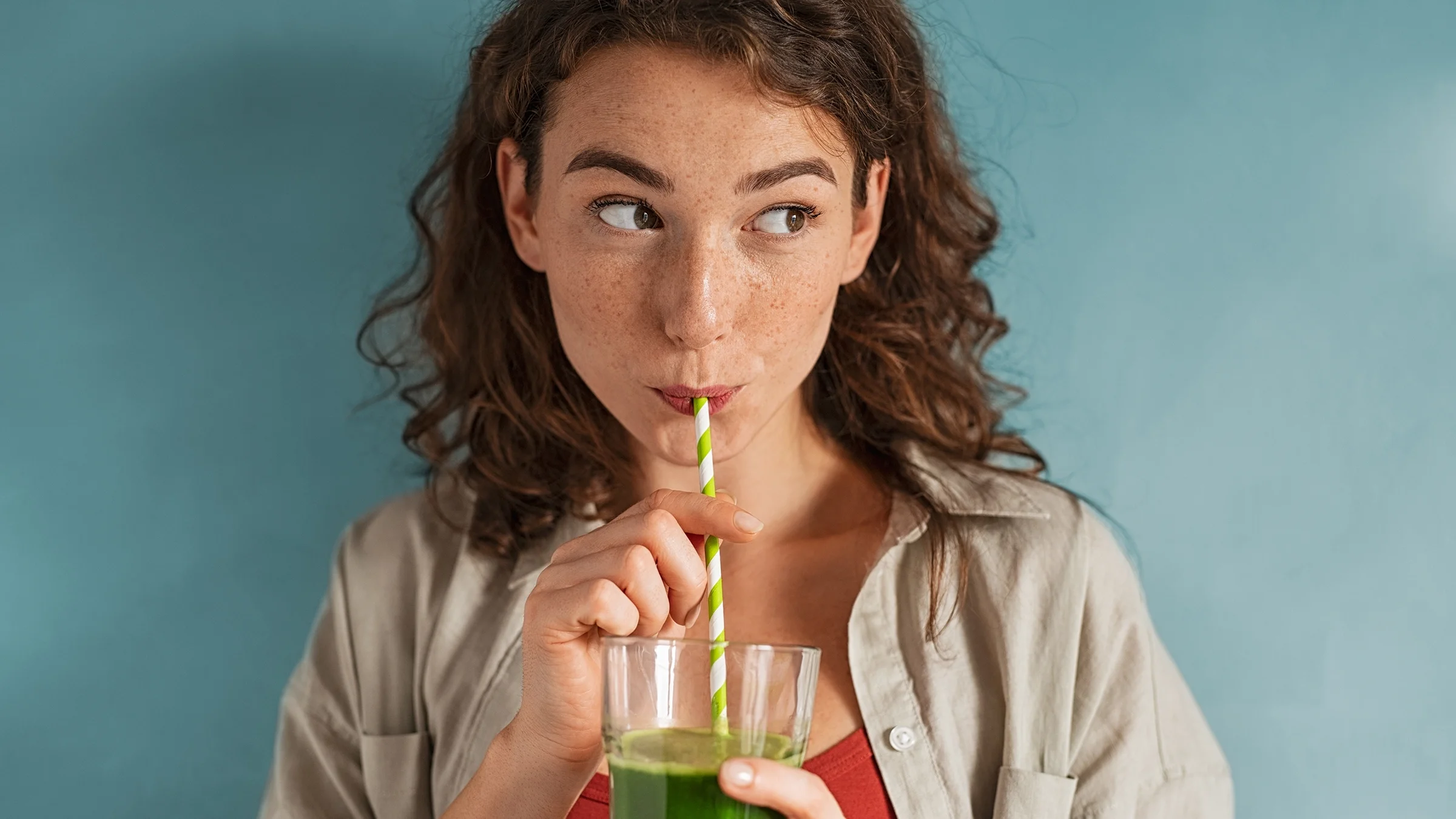
Smoothies: Smoothies are easy to drink and can offer a nutrient-dense source of calories in a small portion. Try adding various fruits and veggies to your smoothie. You can also add fat and protein sources, like avocado and peanut butter, to pack the most nutrition in.
Higher-fat yogurt: Yogurt has many health benefits, including protein and minerals like calcium, phosphorus, and potassium. Some yogurts, such as Greek and Icelandic-style yogurt, also provide a natural source of nutritious fats and probiotics (bacteria that are good for your gut). For a nutrient-dense snack, mix plain yogurt with toppings like berries, granola, nuts, and seeds.
Easy-to-digest foods
Foods that are gentler on your gut can be easier to eat. This is especially true if your low appetite is made worse by an upset stomach or nausea. Try easy-to-digest foods like:
Toast: Toast is generally well tolerated and easily digested for most people. Whole-grain bread topped with a nutritious fat source, such as avocado, will give your body more nutrients and calories than plain white toast.
Nut butters: Nut butters are easier to digest than whole nuts. They also add protein and healthy fats. Consider adding some to your toast or smoothies.
Nutrient-dense staples
If you’re not able to eat very much, then the quality of your food matters even more. Try nutrient-dense options like:
Fruit: For some people, a simple food like fruit might feel easier to eat when their appetite is low. Fruits can provide helpful nutrients, fiber, and even a little hydration. If you can, try to pair it with some protein and fat. For example, pair an apple or banana with peanut butter. Or you can top a cup of berries with some yogurt.
Eggs: Eggs are naturally packed with nutrients and offer an excellent source of essential vitamins and minerals. They’re also very versatile, so you can prepare and eat them however you’d like.

Read more like this
Explore these related articles, suggested for readers like you.



Comfort foods
Sometimes, it’s better to eat whatever sounds appetizing than to not eat anything at all. These common comfort foods also sneak in extra nutrition:
Oatmeal: Oatmeal is a warm, comforting food that can provide a good dose of whole grains. Try making it with milk rather than water to add extra protein and nutrients like calcium and potassium. You can also add extra protein with things like protein powder, nuts, nut butters, and yogurt.
Soups: Soups can help keep you hydrated. They can also provide calories from carbohydrates, protein, and fat when made with nutritious ingredients. Choose soups that include a source of vegetables, whole grains, and protein. If you don’t feel like eating it all at once, you can eat small amounts of soup at a time.
How do you make yourself eat when you have no appetite?
If eating doesn’t sound appealing to you, there are ways to help get your body the energy it needs. Here are some things to try:
Start with small portions. You don’t need to overwhelm yourself by trying to eat an entire meal. Eating small amounts of food, such as a small snack or half of a normal portion, can still help fuel and nourish your body.
Eat as often as tolerated. Try to eat every few hours if you can, even if it’s a very small portion of food. This can help train your brain to expect food at regular times and may gradually help improve your appetite.
Eat your biggest meal when your appetite is the best. Try to take advantage of even slight hunger by eating a nutrient-dense meal or snack when it’s most appealing. This may be in the morning after going the longest amount of time without food. Or it may be later in the day.
Hydrate between meals, not during meals. Drinking too much liquid during your meal can fill your stomach without giving the right balance of nutrients. Some people may find it helpful to drink fluids after meals or between meals so they have room for enough food.
Do simple exercises if you can. Some research suggests that exercise might help stimulate appetite over time. Some types of exercise can also help build muscle, which might boost your metabolism and improve your appetite.
Have prepared foods available. If the thought of having to make food seems too overwhelming, feel free to stick to prepackaged or prepared foods when needed.
Make food appetizing. Sometimes, adding new colors or flavors to a food can make it more exciting — and make you feel more inclined to eat it. Keep various foods with different flavors and textures on hand so you have something satisfying to eat when your appetite comes back.
Should you force yourself to eat food if you have no appetite?
If you find yourself having no appetite for a short period of time, you may not need to force yourself to eat. If your loss of appetite is paired with other symptoms of being sick like vomiting, forcing yourself to eat may make you feel even worse.
If your loss of appetite lasts longer than a day or is followed by other symptoms, like fatigue or feeling shaky, try eating a small bit of a nutrient-dense food or meal. With time, you may be able to slowly start increasing your portion sizes.
Once you start feeding your body more often, the levels of your hunger and fullness hormones (ghrelin and leptin) will start to rebalance. Over time, this may help your appetite come back.
How long can you go without eating if you have no appetite?
There’s no exact amount of time that a person can safely go without food. How your body responds to a lack of food can be influenced by many factors, such as:
Your genetics
Your body weight and body composition
Current health conditions
How hydrated you are
Your baseline state of health
However, going without food for too long can be dangerous.
When to get help for loss of appetite
Having a loss of appetite for a short period of time is usually not a concern. But you should see a healthcare professional as soon as possible if you have any of these symptoms:
Loss of appetite that lasts more than 1 week
Unintentional weight loss of more than a few pounds
Uncontrolled nausea or vomiting
Dizziness or weakness
Loss of consciousness
Fever or night sweats
Frequently asked questions
Glucagon-like peptide-1 (GLP-1) medications lower your appetite and slow digestion. Because of this, it’s important to choose foods that are nutritious and easy on your gut. Examples include lean proteins, whole grains, and certain fruits. It’s best to avoid foods with a lot of sugar or fat.
There’s not one “best” remedy for a loss of appetite. A combination of the habits mentioned above can help. Try eating smaller meals more frequently and make sure your meals are packed with nutrients.
Glucagon-like peptide-1 (GLP-1) medications lower your appetite and slow digestion. Because of this, it’s important to choose foods that are nutritious and easy on your gut. Examples include lean proteins, whole grains, and certain fruits. It’s best to avoid foods with a lot of sugar or fat.
There’s not one “best” remedy for a loss of appetite. A combination of the habits mentioned above can help. Try eating smaller meals more frequently and make sure your meals are packed with nutrients.
The bottom line
It can be difficult to eat when you have no appetite. But eating is an essential part of staying healthy. Choosing smaller, nutrient-packed meals or snacks (like smoothies, soups, or yogurt with fruit and granola) can ensure you’re still getting important nutrients that your body needs to work properly until you regain your appetite.

Why trust our experts?




References
Fernandez, M. A., et al. (2017). Potential health benefits of combining yogurt and fruits based on their probiotic and prebiotic properties. Advances in Nutrition.
King, N. A., et al. (2009). Dual-process action of exercise on appetite control: Increase in orexigenic drive but improvement in meal-induced satiety. The American Journal of Clinical Nutrition.
Most, J., et al. (2020). Impact of calorie restriction on energy metabolism in humans. Experimental Gerontology.
Réhault-Godbert, S., et al. (2019). The golden egg: Nutritional value, bioactivities, and emerging benefits for human health. Nutrients.
Yeung, A. Y., et al. (2023). Physiology, obesity neurohormonal appetite and satiety control. StatPearls.