Key takeaways:
Pumpkin is a nutrient-rich fruit that’s high in fiber, antioxidants, vitamins, and minerals, which can support your health in many ways.
The nutrients in pumpkin can support eye health, immune function, digestion, heart health, and more.
You can use pumpkin in both sweet and savory recipes, including smoothies, soups and chili, and baked goods.
Pumpkins may be best known as Halloween decorations, but they deserve a spot on your plate, too. Part of the winter squash family, pumpkin provides fiber, vitamins, minerals, and antioxidants, which may support your heart, eyes, digestion, immune system, and more.
Let’s take a look at some of the potential health benefits of pumpkin, as well as ways to incorporate it into your diet.
1. Eye health
Pumpkin contains a variety of antioxidants that help support your eyes.
Its beta carotene — the orange pigment that gives pumpkin its color — is converted into vitamin A in the body. Vitamin A is important for normal vision and helps you see in dim light by supporting the light-sensitive cells in the retina.
Pumpkin also contains lutein and zeaxanthin, two yellow-orange pigments that accumulate in the retina. They help filter certain wavelengths of light and protect eye tissue from oxidative damage. Higher intakes of these antioxidants have also been linked with a lower risk of age-related macular degeneration, a leading cause of vision impairment in older adults.
2. Heart health
The nutrients in pumpkin can support your heart in a few different ways. Pumpkin contains potassium, which can help regulate blood pressure. And its soluble fiber may help lower “bad” LDL cholesterol levels by reducing how much cholesterol is absorbed in the digestive tract. Supporting blood pressure and reducing cholesterol can both help lower your risk of heart disease.
3. Immune function
Pumpkin’s vitamin A can help your immune cells work properly and strengthen the mucosal lining of your nose, lungs, and gut. These tissues act as a barrier to prevent bacteria and other harmful substances from entering the body.
Pumpkins also contain vitamin E, an antioxidant that helps protect immune cells from damage.
4. Bone health
Your body needs various nutrients to maintain strong bones. Calcium and vitamin D may be best known for their help in this area, but pumpkin provides other minerals that also play a role in bone health. These include:
Copper: Copper helps your body make collagen, a protein that gives bones their structure and flexibility.
Potassium: Higher potassium intake has been associated with better measures of bone health, although researchers are still studying exactly how potassium may affect bones.
Phosphorus: Phosphorus works with calcium to give bones structure and strength.
Magnesium: Magnesium helps activate vitamin D, which allows your body to absorb calcium from food.
5. Antioxidant protection
Chronic inflammation is linked to several health conditions, including heart disease, Type 2 diabetes, and cancer. Pumpkin contains antioxidant nutrients that can help keep inflammation in check. For example, pumpkin contains vitamin C, vitamin E, and carotenoids such as beta carotene. These antioxidants help protect cells from oxidative stress, a process that can contribute to chronic inflammation.
Eating a varied diet full of antioxidant-rich foods is one important way to keep your body healthy.
6. Skin health
Pumpkin’s beta carotene can help protect your eyesight, and it may also support skin health. The body converts beta carotene to vitamin A, which helps maintain skin cells. Beta carotene may also help strengthen the skin’s natural defenses against UV-related oxidative damage — though it’s no substitute for sunscreen.
Pumpkin also provides vitamin C, which plays a critical role in helping to make collagen. Collagen is a protein that helps give skin its elasticity and strength, and it’s essential for wound healing.
7. Digestion
Pumpkin contains both soluble and insoluble fiber, which support digestion in different ways.
Soluble fiber helps feed beneficial bacteria in your gut microbiome. These bacteria play a role in digestion, immune function, and overall gut health.
Insoluble fiber adds bulk to stool and helps keep your bowel movements regular. Pumpkin is also a very hydrating food (about 94% water), and this fluid helps keep stool soft and easier to pass.
Pumpkin nutrition
One cup of cooked pumpkin contains:
Calories: 49 calories
Total fat: 0 g
Carbohydrates: 12 g
Fiber: 3 g
Protein: 2 g
Vitamin A: 705 mcg (75% of the daily value, or DV)
Vitamin B5: 0.5 mg (10%)
Vitamin C: 11.5 mg (13% DV)
Vitamin E: 2 mg (13% DV)
Riboflavin (vitamin B2): 0.2 mg (15% DV)
Copper: 0.22 mg (25% DV)
Potassium: 564 mg (12% DV)
How to eat pumpkin
The large pumpkins that you buy around Halloween time aren’t actually optimal for cooking or baking. They’re edible, but their flesh isn’t sweet. The best pumpkins for eating are actually smaller pumpkins, often called “sugar pumpkins.”
You can also buy canned pumpkin puree. Pure pumpkin puree has no added sugar. This is different from products labeled as “pumpkin pie mix” or “pumpkin filling,” which both contain added sugar and spices.
Ideas for adding pumpkin to meals and snacks
If you’ve ever carved jack-o-lanterns, you’ll know that pumpkin flesh isn’t exactly easy to slice through. To prep it for meals and snacks, you can cut pumpkin flesh into chunks, then steam them until soft.
Here are some ways you can add pumpkin to meals and snacks:
Stir it into muffin or pancake batter.
Blend it into smoothies.
Mix it into oatmeal or yogurt.
Stir it into creamy mac and cheese.
Use it as ravioli filling.
Blend it into mashed potatoes.
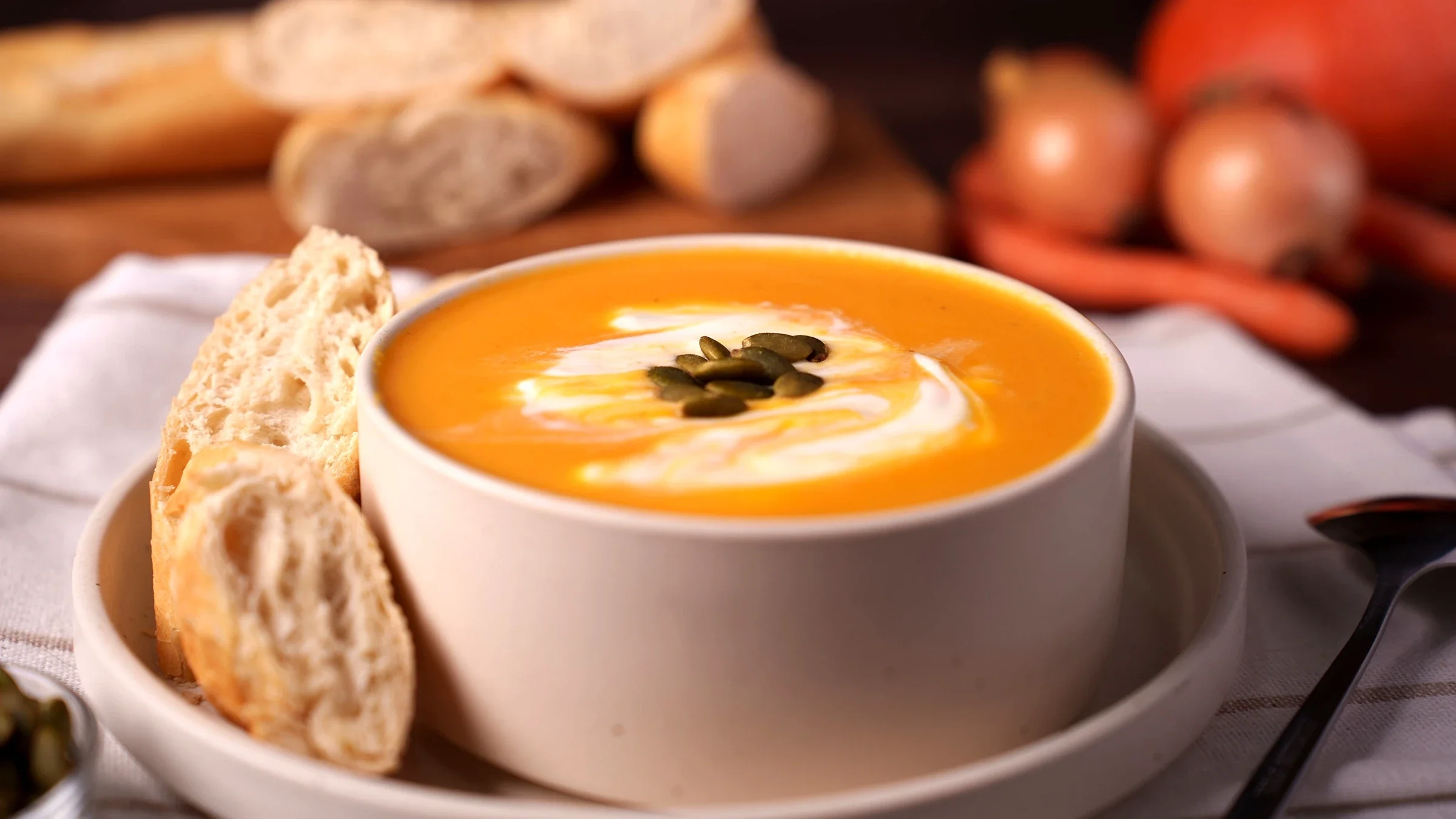
Add it to soup, chili, or curry.
Roast it with oil and salt to add to grain bowls or salads.
You can also eat other parts of the pumpkin plant aside from the flesh. Pumpkins have bright yellow flowers that are edible, similar to zucchini or squash blossoms.
You can also roast pumpkin seeds and sprinkle them into:
Salad
Trail mix
Yogurt
Oatmeal
Cookies and loaves
Soup
Note that some of the key nutrients in pumpkin — namely beta carotene and lutein — are fat-soluble. That means your body absorbs them better if you eat them with a source of fat. So, add a drizzle of olive oil or handful of nuts to pureed pumpkin to help your body absorb these nutrients.
Frequently asked questions
Yes, you can eat pumpkin every day as part of a balanced diet. Aim for a serving of about a cup. Note that eating very large amounts of pumpkin can cause carotenemia, a harmless condition in which the skin takes on a yellow tint from excess beta carotene.
Pumpkin seeds are good for you in many ways. They’re a great source of fiber, healthy fats, protein, and antioxidants. These nutrients support healthy digestion, cholesterol, muscle mass, and more. Just limit the amount of oil, butter, and salt you use when roasting them.
Pumpkin seed oil can be a nutritious option. It’s low in saturated fat but high in healthy unsaturated fats. These unsaturated fats are good for your heart and may support healthy cholesterol levels, especially when they replace saturated fats in the diet.
Pumpkin puree isn’t a treatment for irritable bowel syndrome (IBS), but it can often fit into an IBS-friendly diet. That’s because plain pumpkin puree is low in FODMAPs, a group of carbohydrates that can trigger digestive symptoms in some people with IBS. So, many people with IBS can tolerate pumpkin well.
Still, tolerance varies from person to person, so pay attention to your own symptoms. And check the label when buying pumpkin puree. Some versions contain added sweeteners that are higher in FODMAPs, such as honey or molasses.
Pumpkin seeds aren’t a treatment for menopause symptoms, like hot flashes, night sweats, or mood changes. But they can be a nutritious part of your diet during menopause and perimenopause, when protecting your bones, muscles, and heart becomes especially important. For example, pumpkin seeds’ protein helps maintain muscle mass, the magnesium and other minerals can support bone health, and the unsaturated fats can support the heart.
Yes, you can eat pumpkin every day as part of a balanced diet. Aim for a serving of about a cup. Note that eating very large amounts of pumpkin can cause carotenemia, a harmless condition in which the skin takes on a yellow tint from excess beta carotene.
Pumpkin seeds are good for you in many ways. They’re a great source of fiber, healthy fats, protein, and antioxidants. These nutrients support healthy digestion, cholesterol, muscle mass, and more. Just limit the amount of oil, butter, and salt you use when roasting them.
Pumpkin seed oil can be a nutritious option. It’s low in saturated fat but high in healthy unsaturated fats. These unsaturated fats are good for your heart and may support healthy cholesterol levels, especially when they replace saturated fats in the diet.
Pumpkin puree isn’t a treatment for irritable bowel syndrome (IBS), but it can often fit into an IBS-friendly diet. That’s because plain pumpkin puree is low in FODMAPs, a group of carbohydrates that can trigger digestive symptoms in some people with IBS. So, many people with IBS can tolerate pumpkin well.
Still, tolerance varies from person to person, so pay attention to your own symptoms. And check the label when buying pumpkin puree. Some versions contain added sweeteners that are higher in FODMAPs, such as honey or molasses.
Pumpkin seeds aren’t a treatment for menopause symptoms, like hot flashes, night sweats, or mood changes. But they can be a nutritious part of your diet during menopause and perimenopause, when protecting your bones, muscles, and heart becomes especially important. For example, pumpkin seeds’ protein helps maintain muscle mass, the magnesium and other minerals can support bone health, and the unsaturated fats can support the heart.
The bottom line
Pumpkin is more than a seasonal favorite; it’s a nutrient-rich food that may support your bones, heart, eyes, and immune system. Whether you roast it, add it to batter, or blend it into soup, pumpkin is a versatile ingredient that you can enjoy all year round.

Why trust our experts?




References
Al Nasser, Y., et al. (2023). Carotenemia. StatPearls.
Boyera, N., et al. (1998). Effect of vitamin C and its derivatives on collagen synthesis and cross-linking by normal human fibroblasts. International Journal of Cosmetic Science.
Filippini, T., et al. (2020). Potassium intake and blood pressure: A dose‐response meta‐analysis of randomized controlled trials. Journal of the American Heart Association.
Ghavami, A., et al. (2023). Soluble fiber supplementation and serum lipid profile: A systematic review and dose-response meta-analysis of randomized controlled trials. Advances in Nutrition.
Ha, J., et al. (2020). The association of potassium intake with bone mineral density and the prevalence of osteoporosis among older Korean adults. Nutrition Research and Practice.
Hammond, B. R., et al. (2014). A double-blind, placebo-controlled study on the effects of lutein and zeaxanthin on photostress recovery, glare disability, and chromatic contrast. Investigative Ophthalmology & Visual Science.
Huang, Z., et al. (2018). Role of vitamin A in the immune system. Journal of Clinical Medicine.
Johra, F. T., et al. (2020). A mechanistic review of β-carotene, lutein, and zeaxanthin in eye health and disease. Antioxidants.
Lewis, E. D., et al. (2029). Regulatory role of vitamin E in the immune system and inflammation. IUBMB Life.
Montesano, D., et al. (2018). Chemical and nutritional characterization of seed oil from Cucurbita Maxima L. (arv. Berrettina) pumpkin. Foods.
Moran, N. E.., et al. (2017). Closer to clarity on the effect of lipid consumption on fat-soluble vitamin and carotenoid absorption: Do we need to close in further? The American Journal of Clinical Nutrition.
MyFoodData. (n.d.). Cooked pumpkin (boiled, drained).
Office of Dietary Supplements. (2025). Vitamin A and carotenoids. National Institutes of Health.
Uwitonze, A. M., et al. (2018). Role of magnesium in vitamin D activation and function. The Journal of the American Osteopathic Association.
VanBuren, C. A.., et al. (2022). Vitamin A in skin and hair: An update. Nutrients.
Yu, X., et al. (2024). Overview of anti-inflammatory diets and their promising effects on non-communicable diseases. British Journal of Nutrition.
Zhang, Z., et al. (2024). The impact of copper on bone metabolism. Journal of Orthopaedic Translation.